
A Complete Guide to Uganda Gorilla Trekking Safaris
August 27, 2026
Nyungwe Forest Guide
August 27, 2026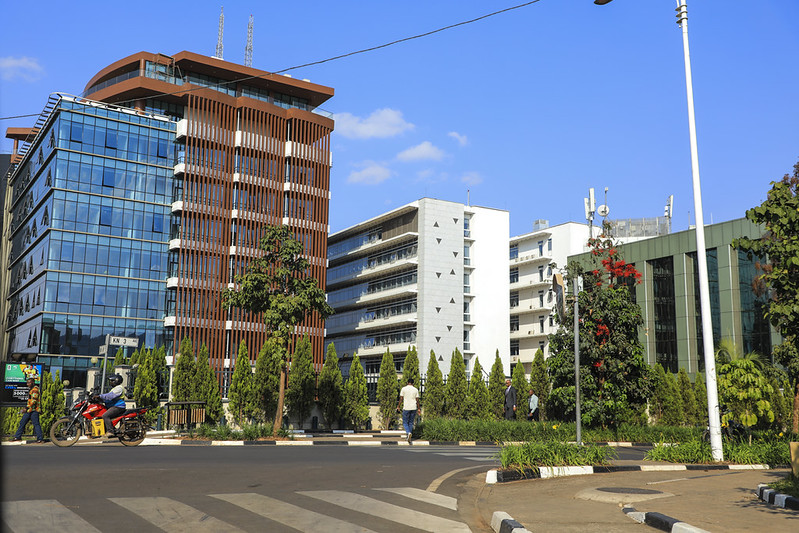
Rwanda clean reputation has made the country one of Africa’s most admired environmentally conscious destinations. Visitors often notice the difference soon after arriving. Streets in Kigali appear well maintained, plastic litter is less visible than in many major cities, and green hills stretch across much of the countryside. However, Rwanda’s clean appearance did not happen by accident. It reflects years of environmental policies, community participation, government enforcement, and a growing national commitment to sustainable development. For travelers planning a visit with Zamunda Travels, understanding this story adds another meaningful layer to the Rwanda travel experience.
Why Rwanda’s Clean Reputation Stands Out
Rwanda’s clean reputation stands out because environmental protection has become part of the country’s broader development agenda. The government created legal and institutional systems that place environmental management alongside economic and social development. The Rwanda Environment Management Authority, commonly known as REMA, plays a central role in supervising environmental management and ensuring that environmental concerns receive attention in national development plans. This approach means that cleanliness is not simply treated as a tourism marketing idea. Instead, it connects with public health, urban planning, waste management, conservation, and long term sustainability.
For travelers, the results are often easy to observe. Kigali’s roads, public spaces, and neighborhoods have helped shape the city’s international image. Rwanda’s tourism authorities also encourage visitors to respect local environmental rules and dispose of waste responsibly. Visit Rwanda specifically highlights the country’s environmental protection efforts and asks visitors to support the goal of keeping the country clean.
Nevertheless, Rwanda’s clean and green image involves much more than tidy streets. It comes from a combination of laws, public participation, enforcement, and environmental awareness. These factors work together and help explain why the country has become widely associated with cleanliness.
Rwanda’s Clean Reputation and the Plastic Ban
One of the strongest reasons behind Rwanda’s clean reputation is its long-standing action against plastic pollution. Rwanda introduced restrictions on plastic bags in 2008 and later strengthened its approach through Law No. 17 of 2019. The law prohibits the manufacturing, importation, use, and sale of plastic carry bags and many single-use plastic items, although specific exceptions and authorisation procedures exist in certain circumstances.
The policy has had a visible effect on the travel experience. Plastic bags and other disposable items often contribute heavily to roadside litter and blocked drainage systems. By reducing their widespread use, Rwanda has limited one major source of environmental pollution. The country’s environmental authorities continue to regulate the use of plastics and provide guidance on the items covered by the law.
Travelers should also understand these rules before visiting Rwanda. Visit Rwanda advises visitors not to bring prohibited plastic bags into the country, noting that such bags may be confiscated at entry points. Therefore, Zamunda Travels encourages guests to pack reusable and environmentally friendly alternatives whenever possible.
The plastic policy also demonstrates an important part of Rwanda’s wider environmental strategy: strong laws must be supported by practical enforcement. Rules alone do not create cleaner communities. Rwanda’s experience shows how legislation, public awareness, and enforcement can work together to change everyday habits.
How Umuganda Supports Rwanda’s Clean Reputation
Another important reason behind Rwanda’s clean reputation is Umuganda, the country’s well-known community service tradition. On the last Saturday of each month, communities across Rwanda come together to take part in activities that can include cleaning public spaces and working on local development projects. This tradition has become one of the country’s most recognizable examples of collective community participation.
Umuganda creates a sense of shared responsibility. Instead of viewing cleanliness as the responsibility of government institutions alone, communities actively participate in improving their surroundings. This approach can strengthen public awareness while encouraging residents to take greater care of shared spaces.
For visitors traveling with Zamunda Travels, Umuganda also offers an interesting insight into Rwanda’s social culture. The country places strong value on collective action, and this principle extends beyond environmental cleaning. Community participation can support infrastructure improvements, neighborhood development, and other local priorities.
Furthermore, Umuganda helps reinforce the idea that a clean environment requires regular effort. Streets and public spaces do not remain clean without continued maintenance. Community involvement therefore supports the environmental policies that Rwanda has introduced at the national level.

Government Commitment to Environmental Protection
Rwanda’s clean and green image also reflects sustained government involvement in environmental management. REMA has a legal mandate to supervise and monitor environmental management, advise the government, and help ensure that environmental concerns are considered in development planning. Its responsibilities also include supporting measures related to climate change, environmental research, and compliance with environmental laws and regulations.
This institutional structure matters because environmental challenges affect many sectors. Tourism, agriculture, construction, mining, transport, and urban development can all place pressure on natural resources. As a result, Rwanda has developed systems that encourage environmental considerations across different areas of national development.
Environmental protection also supports Rwanda’s tourism industry. The country’s famous national parks, mountain forests, wetlands, and wildlife depend on healthy ecosystems. Gorilla trekking in Volcanoes National Park, chimpanzee experiences in Nyungwe National Park, and wildlife safaris in Akagera National Park all depend on conservation efforts.
Zamunda Travels recognizes that responsible tourism must support these efforts. When travelers visit Rwanda’s protected areas responsibly, they can contribute to tourism revenue while also gaining a deeper appreciation for the landscapes and wildlife that make the country special.
Rwanda’s Clean and Green Cities
Kigali plays a major role in shaping Rwanda’s clean and green reputation. As the capital and the country’s main gateway for international visitors, Kigali provides many travelers with their first impression of Rwanda.
The city’s hilly landscape also creates a striking visual setting. Green spaces, trees, carefully maintained roads, and orderly neighborhoods contribute to its appearance. However, maintaining an urban environment requires more than attractive landscaping. Waste collection, planning, public participation, and environmental regulation all play important roles.
UNDP has highlighted Rwanda’s whole of society and whole of government approach to green and resilient growth. It also describes household-level waste collection and private waste collection services as part of Kigali’s waste management system. These efforts help explain why the city has become closely associated with cleanliness.
Still, travelers should avoid assuming that every part of Rwanda looks identical. Like any country, Rwanda faces environmental and waste-management challenges. However, the country’s strong public commitment to cleanliness has helped create a visible difference in many urban and public spaces.
For visitors, Kigali is also an excellent place to experience Rwanda’s modern side before heading to the country’s national parks. Zamunda Travels can help travelers combine a Kigali city experience with gorilla trekking, wildlife safaris, cultural visits, and other adventures.
Community Responsibility and Environmental Awareness
A major strength behind Rwanda’s clean and green image is the emphasis on shared responsibility. Environmental protection does not depend entirely on one institution. Government agencies create policies and regulations, while communities, businesses, and individuals also play important roles.
Public awareness has been particularly important in Rwanda’s efforts to reduce plastic pollution. Environmental campaigns and enforcement activities continue to remind communities about the impact of plastic waste. Rwanda’s environmental authorities have also promoted alternatives and recycling practices as part of the wider effort to reduce pollution.
This collective approach helps turn environmental protection into an everyday practice. People are more likely to protect public spaces when they understand that those spaces belong to the entire community.
For travelers, this culture offers an important lesson. Responsible travel begins with simple actions. Visitors can avoid littering, reduce unnecessary plastic use, respect protected areas, and follow guidance from local authorities and guides.
Zamunda Travels encourages responsible behavior throughout every Rwanda safari. Small decisions can have a positive impact, especially when thousands of travelers visit sensitive natural areas every year.
The Role of Conservation in Rwanda’s Green Image
Rwanda’s green reputation also comes from its strong connection with conservation. Although the country is small, it protects important ecosystems that support rare wildlife and remarkable biodiversity.
Volcanoes National Park is internationally famous for mountain gorillas. Nyungwe National Park protects one of Africa’s important montane rainforests and supports a wide variety of primates and bird species. Akagera National Park protects savannah landscapes and offers opportunities to see major African wildlife.
These destinations show why environmental protection matters beyond city cleanliness. A clean country is not simply one with well maintained streets. It also requires healthy forests, protected wildlife, functioning ecosystems, and responsible land management.
Rwanda’s environmental institutions support broader efforts related to conservation and sustainable resource management. Environmental laws and development planning provide an important framework for balancing economic growth with the protection of natural resources.
For travelers, conservation creates some of Rwanda’s most memorable experiences. A gorilla trek through mist-covered forests or a safari across Akagera’s plains offers a direct connection with the natural world.
Zamunda Travels helps visitors experience these destinations responsibly. Our itineraries can combine wildlife encounters with cultural experiences and comfortable accommodation while encouraging respect for the environment.
Why Rwanda’s Clean Reputation Matters for Travelers
Rwanda’s clean reputation improves the overall visitor experience in several ways. Travelers often appreciate destinations where public spaces feel organized and well maintained. A cleaner environment can also make city tours, road trips, and outdoor experiences more enjoyable.
In addition, Rwanda’s environmental policies encourage visitors to think more carefully about their own travel habits. The restrictions on plastic bags, for example, remind travelers that tourism can create waste and place pressure on local environments.
Responsible travelers can support Rwanda’s efforts by carrying reusable water bottles where practical, avoiding unnecessary packaging, and disposing of waste correctly. They should also respect rules inside national parks and follow instructions from guides and park authorities.
Choosing responsible tourism services also matters. Zamunda Travels works to create travel experiences that respect local communities, wildlife, and natural environments. We believe that tourism should create meaningful memories without placing unnecessary pressure on the destinations travelers come to enjoy.
Challenges Behind Maintaining a Clean and Green Country
Despite its impressive reputation, Rwanda still faces environmental challenges. Waste management requires continued investment, while population growth and urban development can increase pressure on land and public services. Plastic smuggling and illegal use can also create enforcement challenges, particularly because environmental rules differ across borders.
Maintaining high environmental standards therefore requires constant effort. Laws must be enforced, communities need continued awareness, and businesses must develop practical alternatives to harmful materials.
The plastic ban itself has also required businesses and consumers to adapt. Environmental policies can create challenges when affordable alternatives are limited. Rwanda’s approach shows that successful environmental action often requires cooperation between government, businesses, and communities.
These challenges make Rwanda’s progress even more significant. The country’s clean image is not the result of a single policy or one successful campaign. Instead, it reflects continuous work and a willingness to address environmental problems over time.
Experiencing Rwanda’s Green Beauty with Zamunda Travels
Traveling through Rwanda offers many opportunities to understand why the country values environmental protection. Kigali provides a modern introduction to the country, while the countryside reveals rolling green hills, lakes, forests, and farming communities.
A journey with Zamunda Travels can take you from the streets of Kigali to the ancient forests of Volcanoes National Park. You can continue to Nyungwe for primate experiences or travel east toward Akagera National Park for a classic African safari.
Lake Kivu also offers another side of Rwanda’s natural beauty. Its peaceful shores provide a relaxing contrast to the demanding hikes and exciting wildlife encounters found elsewhere in the country.
Our team at Zamunda Travels helps travelers design Rwanda itineraries that match their interests, budget, and available time. Whether you want a short Kigali and gorilla trekking trip or a longer journey across the country, we can help create a memorable experience.
The Future of Rwanda’s Clean and Green Vision
Rwanda’s environmental journey continues to evolve. The country maintains environmental institutions, regulations, and programs that address issues such as plastic pollution, waste management, climate change, and sustainable development. REMA continues to play an important role in supervising environmental management and supporting national environmental goals.
The future will bring new challenges. Growing cities will require effective waste systems, while climate change may place additional pressure on water, agriculture, and ecosystems. Therefore, maintaining Rwanda’s clean and green reputation will require continued innovation and public participation.
However, Rwanda’s past actions offer an important foundation. The plastic restrictions, community participation through Umuganda, and strong environmental institutions demonstrate how different approaches can support a shared goal.
For travelers, Rwanda offers more than beautiful scenery. It provides an opportunity to see how environmental awareness can become part of a country’s identity.
Why Choose Zamunda Travels for a Responsible Rwanda Safari?
Planning a Rwanda safari involves more than choosing destinations. Travelers must also consider transport, accommodation, permits, activities, and the environmental impact of their journey.
Zamunda Travels helps simplify the planning process. We create personalized Rwanda travel experiences that can include gorilla trekking, wildlife safaris, chimpanzee tracking, cultural encounters, Kigali city tours, and relaxing stays near Lake Kivu.
We also encourage responsible travel throughout every journey. Our goal is to help visitors appreciate Rwanda’s natural beauty while respecting its people, wildlife, and environment.
Whether you are visiting Rwanda for the first time or returning to explore more of the country, Zamunda Travels can help you create an itinerary that matches your travel goals.
In conclusion, Rwanda’s clean and green reputation comes from a powerful combination of environmental laws, action against plastic pollution, community participation through Umuganda, government commitment, conservation, and growing public awareness. The country’s reputation did not develop overnight. It reflects years of effort and continued work to protect public spaces and natural environments. While challenges remain, Rwanda provides an important example of how policies and community action can work together. For travelers, this commitment adds even more value to a Rwanda safari. With Zamunda Travels, you can explore the country’s clean cities, green hills, extraordinary wildlife, and unforgettable landscapes while traveling with greater awareness and respect for the environment.