Complete Travel Guide to Volcanoes National Park in Rwanda
August 27, 2026
Exploring Reasons Behind Rwanda’s Clean and Green Reputation
August 27, 2026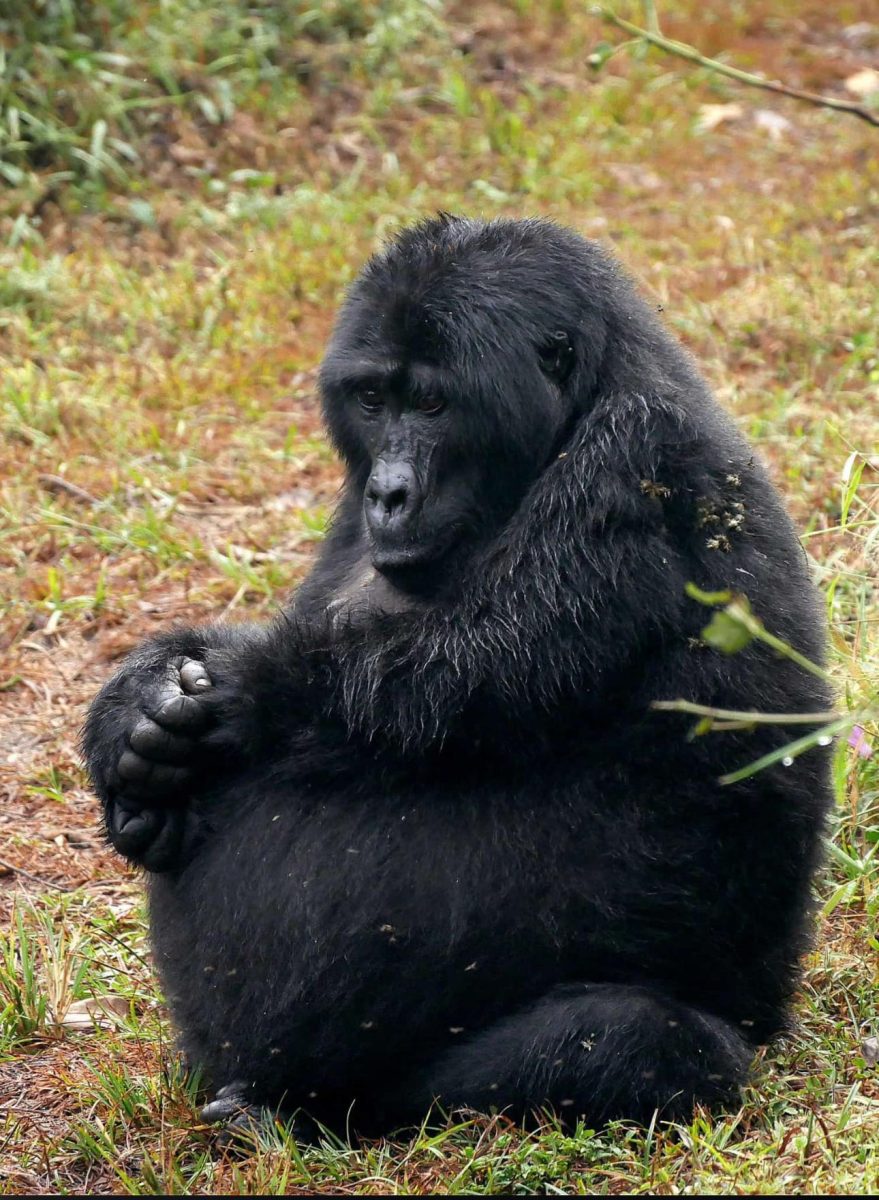
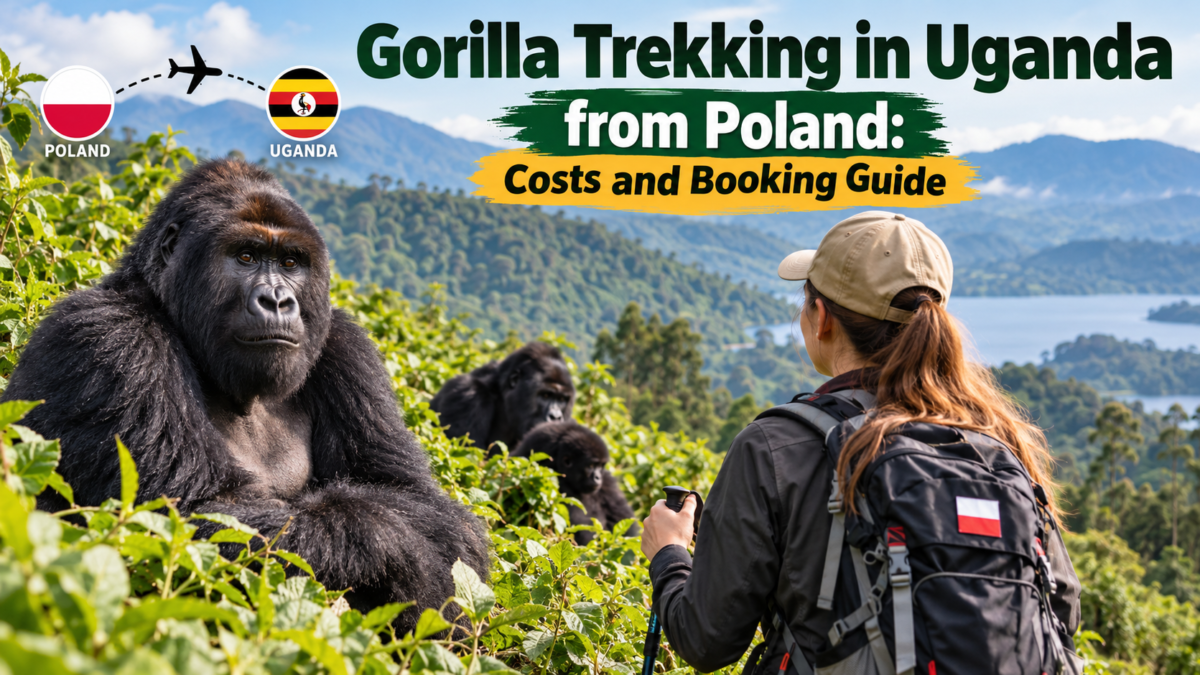
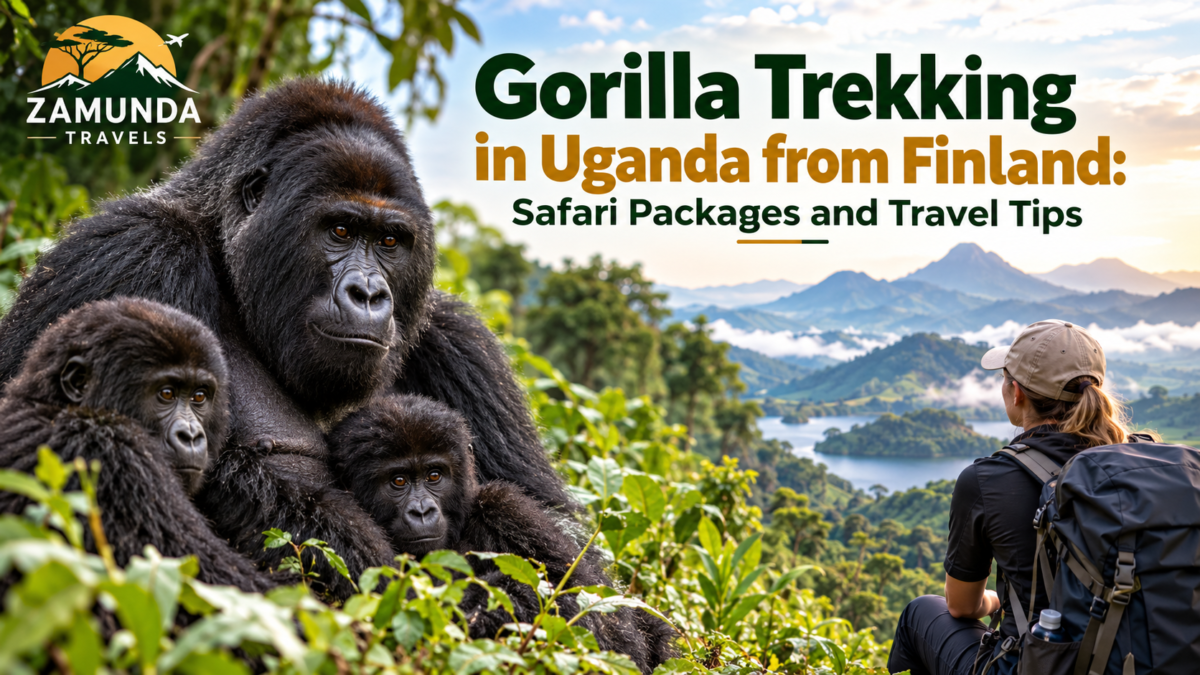
Few wildlife encounters on earth compare to standing just a few meters from a 200-kilogram silverback in a misty Ugandan forest. A Uganda gorilla trekking safari brings travelers face to face with one of the world’s rarest primates.
However, the experience offers much more than gorillas. Uganda also has rolling tea plantations, beautiful crater lakes, diverse wildlife, and warm hospitality.
At Zamunda Travels, we build gorilla trekking experiences around real conservation information, current permit rules, and honest travel advice. Therefore, this guide explains everything first time trekkers should know before booking their adventure.
What Makes a Uganda Gorilla Trekking Safari Unique
Uganda holds roughly half of the world’s remaining mountain gorillas. This fact alone makes the country one of the world’s leading gorilla trekking destinations.
Unlike a traditional wildlife safari, you do not watch gorillas from a vehicle. Instead, you walk into dense, high-altitude rainforest with experienced rangers and trackers. These teams have followed specific gorilla families for many years.
Because the gorilla families are habituated, visitors can safely observe them from a close distance. You may watch juveniles playing, mothers caring for their infants, and powerful silverbacks moving through their territory.
Most importantly, this is not a staged wildlife encounter. It is a genuine experience inside the gorillas’ natural habitat. That sense of authenticity is one reason why a Uganda gorilla trekking safari appears on so many travelers’ bucket lists.
Gorilla trekking also supports conservation. A large portion of permit fees contributes to habitat protection, anti-poaching efforts, and veterinary monitoring. In addition, part of the revenue supports communities living near the national parks.
As a result, every visitor contributes to the wider conservation effort. Mountain gorilla numbers have increased steadily over the past two decades, reversing fears that once threatened the species with extinction.
At Zamunda Travels, we help travelers understand this conservation story before their trek. Consequently, guests often enjoy the experience even more when they understand its importance.
Where to Trek: Bwindi Impenetrable and Mgahinga National Parks
Uganda offers gorilla trekking in two protected areas. Each destination provides a different experience.
Therefore, understanding the differences can help you choose the best location for your trip.
Bwindi Impenetrable National Park
Bwindi Impenetrable National Park is Uganda’s leading gorilla trekking destination. For many travelers, it is the main reason for visiting the country.
The park has four main trekking sectors: Buhoma, Ruhija, Rushaga, and Nkuringo. It also has more than twenty-five habituated gorilla families.
Each sector has different access roads, accommodation options, and terrain. Therefore, travelers should choose their sector based on fitness level, budget, and preferred trekking experience.
Rushaga also offers the gorilla habituation experience. During this activity, small groups can spend up to four hours observing a gorilla family that is still becoming accustomed to human presence.
Bwindi has steep terrain because the forest lies along an ancient rift valley escarpment. As a result, some treks can be physically demanding. Nevertheless, the reward is extraordinary.
The forest is dense, ancient, and highly biodiverse. Early explorers even described it as “impenetrable” because of its thick vegetation.
Mgahinga Gorilla National Park
Mgahinga Gorilla NationaCtrl+K Open command palettel Park lies further south. It sits beneath three dormant volcanoes near the borders of Rwanda and the Democratic Republic of Congo.
The park currently has one habituated gorilla family. Therefore, permits can be less competitive than those in some parts of Bwindi.
Mgahinga is an excellent choice for travelers looking for a quieter trekking experience. It also suits visitors who want to combine gorilla trekking with golden monkey tracking or volcano hiking.
Zamunda Travels often recommends Mgahinga when Bwindi permits are unavailable for a client’s preferred dates. In addition, the park offers spectacular volcanic scenery that makes the journey even more memorable.
Gorilla Permit Costs and Booking Rules for 2026
Every Uganda gorilla trekking safari starts with securing a gorilla permit from the Uganda Wildlife Authority. Because prices and rules can change, travelers should always check current information before booking.
According to the information in this guide, a standard permit costs:
- 800 US dollars for foreign non-residents
- 700 US dollars for foreign residents
- Roughly 80 US dollars for East African citizens
Uganda also introduced discounted low-season rates. Foreign non-residents can pay 600 US dollars, while foreign residents can pay 500 US dollars.
However, these discounted permits are available only during April, May, and November. In addition, they cannot be rescheduled if travel plans change.
Therefore, travelers should consider this restriction before choosing a lower-priced permit.
Booking rules have also become stricter. As of March 2026, the previous seven-day reservation hold no longer exists. Full payment is now required when booking a permit.
Foreign visitors must also book through a licensed Ugandan tour operator. With only around 160 permits available each day across both parks, demand can be high during peak travel seasons.
The busiest periods usually run from June to September and from December to February. Therefore, Zamunda Travels recommends securing permits three to six months before your preferred trekking date.
Booking early gives you a better chance of getting your preferred date and trekking sector.
Travelers can also choose the gorilla habituation experience. This extended activity takes place in the Rushaga sector and allows visitors to spend up to four hours with a gorilla family.
The experience costs around 1,500 to 1,800 US dollars, according to the information provided in this guide.
What to Expect on Trekking Day
Gorilla trekking day starts early. Most visitors arrive at the park headquarters for a briefing at around seven in the morning.
During the briefing, rangers divide visitors into groups of up to eight people. Each group receives an assigned gorilla family.
The rangers also explain important safety rules before the trek begins.
Afterward, you enter the forest with guides, rangers, and trackers. The trek can take anywhere from thirty minutes to six hours.
The duration depends on the location of the assigned gorilla family. Gorillas move through the forest, so the distance changes from one day to another.
Trails may pass through thick vegetation, muddy ground, and steep ridges. Therefore, trekking can sometimes be challenging.
Fortunately, local porters are available. They can carry your backpack and offer support on difficult sections of the trail.
Once the trackers find the gorilla family, rangers instruct visitors to leave backpacks and walking sticks behind. The group then approaches quietly.
Visitors normally spend exactly sixty minutes with the gorillas. This rule helps reduce stress and limits the risk of disease transmission.
Photography is allowed. However, flash photography is strictly prohibited.
Guides also ask visitors to speak quietly and move slowly. Although the hour may feel short, it often becomes the most memorable part of the entire journey.
At Zamunda Travels, we encourage guests to take photographs but also spend a few minutes simply enjoying the moment.
Health, Fitness, and Packing Requirements
Mountain gorillas share close to 98 percent of human DNA. As a result, they can be vulnerable to some human illnesses.
Park authorities take this risk seriously. Anyone showing symptoms of a cold, flu, or another communicable illness may not be allowed to trek.
Where possible, the visitor may be rebooked for another date.
The minimum age for gorilla trekking is fifteen years. Rangers also check passports before visitors enter the trekking area.
Fitness is another important consideration. Trails can be steep, muddy, and uneven. Trekkers may also walk through dense vegetation at altitudes above 2,000 meters.
You do not need to be an elite athlete. However, a reasonable level of cardiovascular fitness can make the experience more comfortable and enjoyable.
Zamunda Travels recommends bringing:
- Waterproof hiking boots with ankle support
- A rain jacket
- Gardening gloves for thick vegetation
- Long trousers
- Long socks
- A comfortable daypack
- Drinking water
- Snacks
- A dry bag for camera equipment
Hiring a local porter is also highly recommended. Porters provide practical support during the trek. At the same time, hiring them creates income opportunities for people living near the parks.
Where to Stay Near Bwindi and Mgahinga
Accommodation near Bwindi and Mgahinga suits different budgets and travel styles. However, your trekking sector will often determine the most convenient place to stay.
Buhoma offers several options. These range from the community run Buhoma Community Camp to higher-end properties such as Buhoma Lodge and Mahogany Springs.
Travelers trekking in Rushaga often stay at Rushaga Gorilla Camp or Four Gorillas Lodge.
In Nkuringo, Clouds Mountain Gorilla Lodge is one of the best known luxury options. The lodge sits at a high altitude and offers impressive views of the Virunga volcanoes.
Travelers visiting Mgahinga can stay in nearby Kisoro town or choose one of the smaller lodges close to the park boundary.
According to the guide, accommodation prices generally start at around 150 US dollars per night at community camps and can exceed 400 US dollars at premium lodges.
At Zamunda Travels, we help travelers choose accommodation based on their budget, comfort needs, and trekking sector.
Combining Your Safari with Other Ugandan Experiences
A Uganda gorilla trekking safari does not have to be a single activity trip. In fact, Uganda offers many other experiences that combine well with gorilla trekking.
Many travelers add a Batwa cultural experience to their itinerary. This provides an opportunity to learn about the indigenous forest community that historically lived alongside the region’s wildlife.
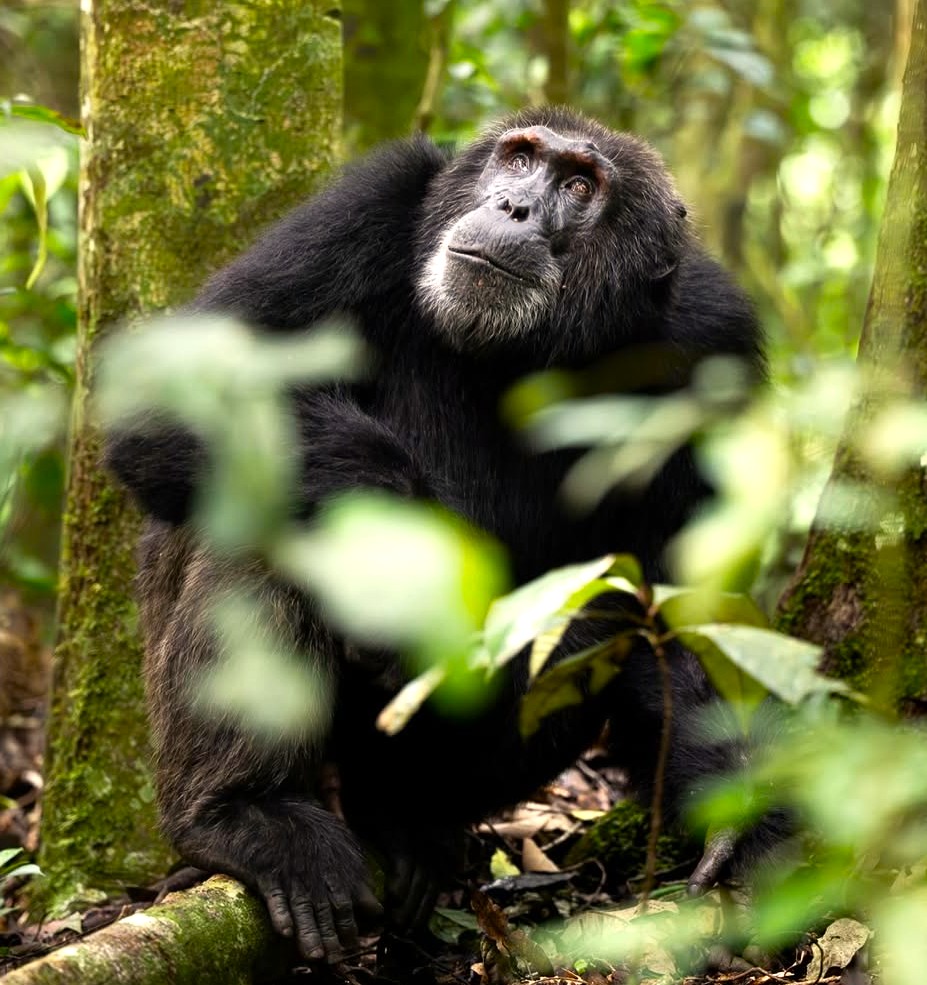
Others combine Bwindi with chimpanzee tracking in Kibale Forest. You can also enjoy a boat cruise along the Kazinga Channel in Queen Elizabeth National Park.
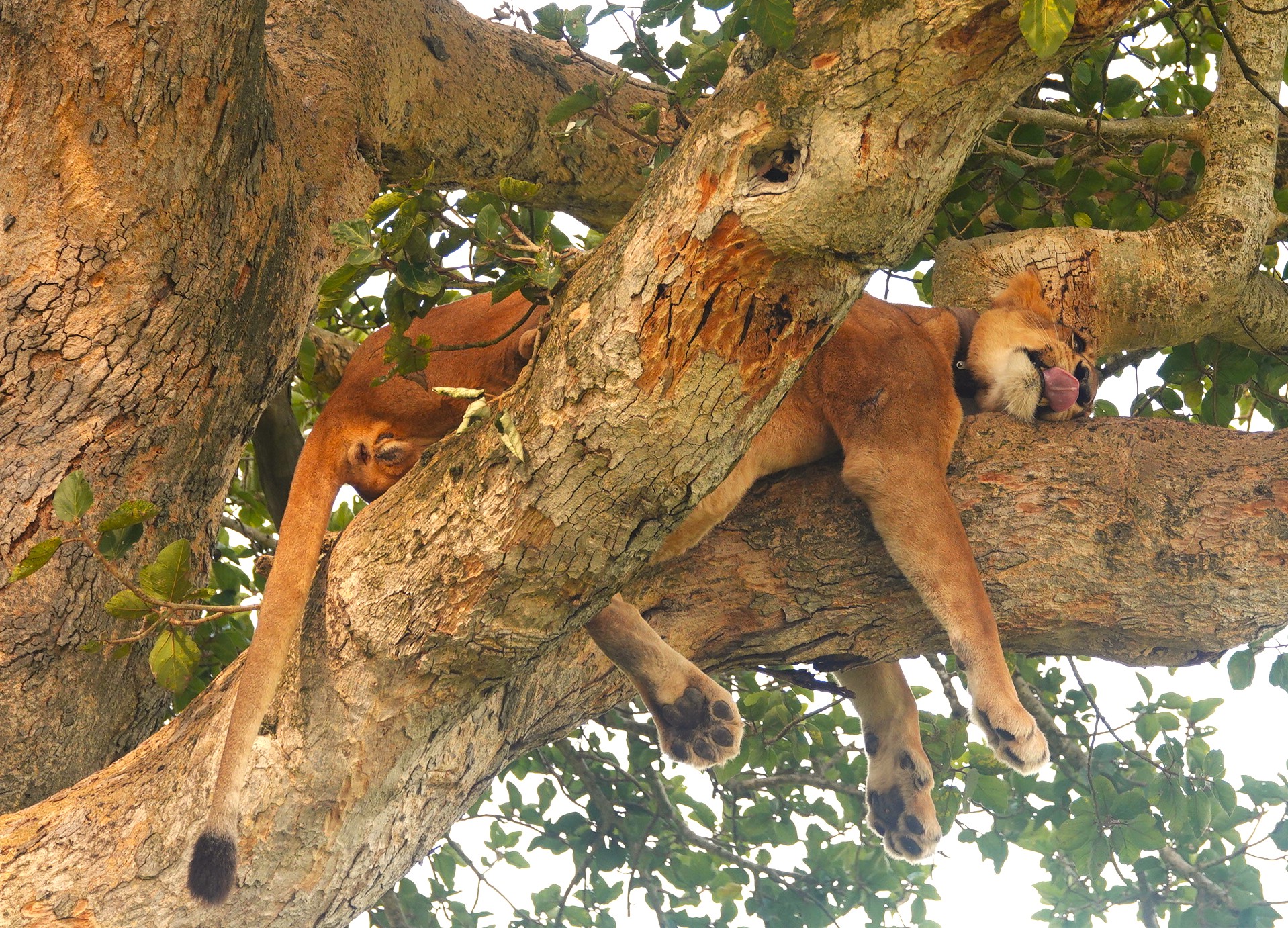
In Queen Elizabeth National Park, travelers may also look for tree-climbing lions, elephants, hippos, and other wildlife.
Because several attractions are located within southwestern Uganda, it is possible to create a longer and more varied safari.
Zamunda Travels regularly designs ten to fourteen day itineraries that combine gorilla trekking with wildlife, primates, culture, and beautiful landscapes. As a result, travelers can experience much more than a single gorilla trek.
Why Plan Your Uganda Gorilla Trekking Safari with Zamunda Travels
Choosing the right tour operator can make a major difference to your gorilla trekking experience.
A Uganda gorilla trekking safari involves several important arrangements. These include securing permits, selecting the right trekking sector, organizing transport, and booking suitable accommodation.
Zamunda Travels handles these arrangements for clients. We assist with permit reservations, sector selection, licensed guides, road or fly-in transport, and accommodation bookings.
We also consider each traveler’s budget, fitness level, and preferred travel style.
Because permit prices and booking rules can change, staying informed is important. Our team follows updates from the relevant tourism and wildlife authorities to help clients plan with current information.
Beyond logistics, Zamunda Travels promotes responsible tourism. We work with community-owned lodges and local guides where possible.
We also brief clients on the health and trekking rules that help protect gorilla families.
Furthermore, we design itineraries that support local communities and encourage responsible travel throughout Uganda.
In conclusion, a Uganda gorilla trekking safari offers far more than a chance to see an endangered species. It is an opportunity to enter one of Africa’s most remarkable forests, support conservation, and experience Uganda’s wildlife and culture.
If a Uganda gorilla trekking safari is on your travel list, Zamunda Travels can help you plan a smooth, responsible, and unforgettable journey.