Exploring Reasons Behind Rwanda’s Clean and Green Reputation
August 27, 2026
What Makes Murchison Falls One of the World’s Most Powerful Waterfalls?
August 27, 2026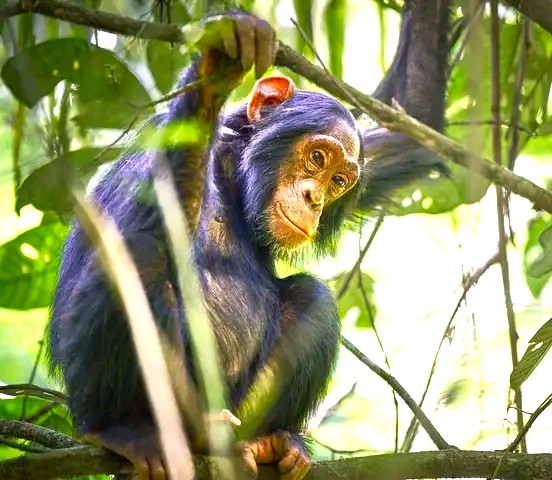
A visit to Rwanda offers much more than mountain gorilla trekking, and Nyungwe Forest National Park proves why the country has become one of Africa’s most exciting nature destinations. This ancient montane rainforest lies in southwestern Rwanda and protects an extraordinary landscape of dense forest, mountains, wetlands, rivers, and deep valleys. For travelers who love primates, birds, hiking, and immersive nature experiences, this destination deserves a prominent place on any Rwanda itinerary. This complete Nyungwe Forest guide explains everything visitors need to know before travelling, from the best activities and wildlife to accommodation, transport, packing advice, and the best time to visit.
Nyungwe is one of Africa’s most important forest ecosystems. The park supports 13 primate species and around 300 recorded bird species, including many Albertine Rift endemics. Visitors can also explore a network of scenic trails, track chimpanzees, walk above the rainforest canopy, and experience the remarkable biodiversity that makes this destination unique.
At Zamunda Travels, we help travelers plan memorable Rwanda safaris that combine wildlife encounters with comfortable travel arrangements. Whether you are visiting Nyungwe for chimpanzee tracking, birdwatching, hiking, or the famous canopy walkway, proper planning can make your experience more rewarding.
Where Is Nyungwe Forest National Park?
Nyungwe Forest National Park is located in southwestern Rwanda, close to the borders with Burundi and the Democratic Republic of Congo. The park forms part of Rwanda’s remarkable network of protected areas and covers a vast landscape of montane rainforest, bamboo zones, grasslands, and wetlands. Its mountainous terrain creates beautiful scenery while also supporting a wide range of plants and animals.
The journey from Kigali takes several hours by road, making Nyungwe an excellent destination for a multi-day Rwanda safari. The drive itself can become part of the adventure because travelers pass through Rwanda’s famous rolling hills, rural communities, agricultural landscapes, and tea growing regions. Zamunda Travels can arrange private transfers so visitors can travel comfortably while making worthwhile stops along the route.
Nyungwe is not a destination that visitors should rush through. Although it is possible to visit for a short stay, spending at least two or three nights allows travelers to experience several activities without feeling pressured by time.
Why Visit Nyungwe Forest National Park?
The greatest attraction of Nyungwe lies in its incredible biodiversity. The forest provides a natural habitat for numerous primates, birds, butterflies, plants, and other wildlife. Unlike traditional savannah safari destinations, Nyungwe offers a deeply immersive forest experience. Visitors walk beneath giant trees, listen to birds calling from the canopy, cross streams, and follow trails through a landscape that feels remarkably wild.
Chimpanzee tracking remains one of the park’s biggest attractions. However, Nyungwe offers much more than primates. The canopy walkway gives visitors a completely different view of the forest, while hiking trails reveal waterfalls, wetlands, mountain scenery, and rare plant species. Birdwatchers also find the park particularly rewarding because Nyungwe supports many species associated with the Albertine Rift region.
Furthermore, Nyungwe offers activities for different types of travelers. Adventurous visitors can hike longer trails or experience the zipline, while relaxed travelers can enjoy guided forest walks, birding, and scenic views. Zamunda Travels can therefore tailor a Nyungwe safari according to your interests, fitness level, budget, and available travel time.
Nyungwe Forest Guide to Wildlife and Biodiversity
This Nyungwe Forest guide would not be complete without exploring the remarkable wildlife that makes the park so important. Nyungwe protects 13 primate species, making it one of the best primate destinations in East Africa. Chimpanzees are the most famous residents, but visitors may also encounter L’Hoest’s monkeys, black and white colobus monkeys, red tailed monkeys, grey cheeked mangabeys, olive baboons, and other primates depending on the activity and location.
The forest also attracts serious birdwatchers from around the world. Around 300 bird species have been recorded, and many visitors specifically travel to Nyungwe in search of Albertine Rift endemics. A knowledgeable guide can help visitors identify birds by their calls and locate species hidden high in the forest canopy.
The vegetation itself forms an important part of the experience. Nyungwe contains ancient forest ecosystems, mountain vegetation, wetlands, and numerous plant species. Every trail presents a different environment, which means that hiking in the park can be as rewarding for nature lovers as searching for wildlife.
Chimpanzee Tracking in Nyungwe Forest National Park
Chimpanzee tracking is one of the most exciting activities available in Nyungwe. The experience takes visitors into the forest in search of semi habituated chimpanzee communities. The trek can vary greatly because chimpanzees move through the forest in response to food availability and daily activity patterns.
Tracking usually begins with a briefing from park staff and guides. Afterward, visitors enter the forest and follow signs of chimpanzee movement. Guides may listen for vocalizations, search for fresh nests, or follow information about the group’s most recent location. Once visitors find the chimpanzees, they may observe them feeding, resting, grooming, or moving through the trees.
Nyungwe currently promotes chimpanzee tracking with semi-habituated communities in areas including Cyamudongo, Mayebe, and Gisovu, with visitor numbers managed for the experience.
Chimpanzee trekking requires a reasonable level of fitness because the forest terrain can be steep, muddy, and unpredictable. However, the reward can be extraordinary. Seeing chimpanzees in their natural environment creates a powerful connection with Rwanda’s wild landscapes.
Zamunda Travels can assist visitors with arranging permits, accommodation, transport, and a complete itinerary that fits chimpanzee tracking schedules.
Experience the Famous Canopy Walkway
The canopy walkway is another major highlight of Nyungwe Forest National Park. It offers visitors the opportunity to experience the rainforest from above rather than only from the forest floor. The suspended walkway starts from the Uwinka area and provides wide views across the ancient forest canopy.
Walking across the canopy can feel both exciting and challenging, especially for visitors uncomfortable with heights. However, the experience rewards travelers with a unique perspective of the rainforest. Birds move through the treetops, butterflies drift through the vegetation, and the vast green landscape stretches into the surrounding hills.
The canopy experience also involves walking along forest trails before reaching the suspended sections. Therefore, visitors should wear suitable walking shoes and prepare for changing weather conditions.
This activity works particularly well for travelers who want an adventure but may not have enough time for a long hike. Zamunda Travels can include the canopy walkway in a one-day activity plan or combine it with chimpanzee tracking and other Nyungwe experiences.
Hiking Trails in Nyungwe Forest National Park
Nyungwe has an extensive network of trails that allow visitors to explore different parts of the rainforest. Some trails are short and suitable for travelers seeking an easy nature walk, while others require several hours of hiking and a higher level of physical fitness.
The Igishigishigi Trail is among the best-known options because it connects visitors with the canopy walkway experience. Other popular routes include the Isumo Waterfall Trail, Kamiranzovu Trail, Ngabwe Trail, Umuyove Trail, Muzimu Trail, Rukuzi Trail, and longer hiking routes through the park.
The Isumo Waterfall Trail attracts visitors who enjoy combining forest hiking with beautiful scenery. The route passes through varied landscapes and leads toward an impressive waterfall. The Kamiranzovu area provides another rewarding experience because of its wetland environment and rich natural surroundings.
Longer trails demand more preparation. Visitors should carry enough drinking water, wear proper hiking footwear, and follow the instructions of their guides. Weather can change quickly in the forest, so rain protection is essential.
For travelers who enjoy active holidays, Zamunda Travels can create a customized itinerary that combines several hiking experiences while allowing enough time for rest.
Birdwatching in Nyungwe Forest
Birdwatching is one of the most rewarding activities for visitors who appreciate biodiversity. Nyungwe is particularly important because it supports many forest species and Albertine Rift endemics. The dense vegetation can make birding challenging, but experienced guides understand the calls and habitats of different species.
Early morning often provides excellent opportunities because many birds become active soon after sunrise. Visitors should carry binoculars and remain patient. Birdwatching in Nyungwe is rarely about quickly ticking species off a list. Instead, it encourages travelers to slow down and appreciate the sounds and movements of the forest.
Around 300 bird species have been recorded in Nyungwe, and approximately 30 are associated with the Albertine Rift endemic region.
Zamunda Travels can arrange specialist-guided birdwatching experiences for visitors who want to focus on Rwanda’s remarkable birdlife.
Other Primates to Look For
Although chimpanzees receive most of the attention, Nyungwe offers excellent opportunities to see other primates. Black and white colobus monkeys are among the most striking because of their long flowing fur. L’Hoest’s monkeys are another important species associated with the forest.
Visitors may also encounter red tailed monkeys, grey-cheeked mangabeys, and other primates during guided walks or specialized primate tracking activities. The chances of seeing them depend on the trail, time of day, weather, and the animals’ movements.
For this reason, visitors should approach Nyungwe with realistic expectations. Wildlife encounters cannot be guaranteed. Nevertheless, spending more time in the park usually increases the opportunity to experience its biodiversity.
A Nyungwe Forest Guide to the Best Time to Visit
Nyungwe Forest National Park can be visited throughout the year. However, the best time depends on the activities you want to experience. Rwanda generally has drier periods from around June to September and from December to February. These months often make hiking easier because trails may be less muddy.
The wetter months bring more rain, but they also maintain the forest’s spectacular green appearance. Birdwatching and nature photography can remain rewarding throughout the year, while primate tracking continues according to park operations and conditions.
Travelers should remember that Nyungwe is a rainforest. Rain can occur even during relatively dry periods. Therefore, visitors should always carry a rain jacket or poncho.
At Zamunda Travels, we advise travelers to select dates based on their priorities rather than simply avoiding the rainy season. A well planned itinerary can provide an excellent experience at different times of the year.
How to Get to Nyungwe Forest National Park
Most international visitors begin their journey from Kigali. Nyungwe lies several hours southwest of the capital, and the road journey usually forms part of a longer Rwanda itinerary. Travelers can use private vehicles, organized tours, or other transport arrangements depending on their plans.
A private safari transfer provides the greatest flexibility because visitors can stop along the route and travel at a comfortable pace. Zamunda Travels can arrange transportation from Kigali to Nyungwe and coordinate your journey with accommodation and activity schedules.
Some visitors also combine Nyungwe with Lake Kivu, Volcanoes National Park, or other destinations in Rwanda. This combination allows travelers to experience different sides of the country, including rainforest, primates, lakeside scenery, and mountain landscapes.
Because travel times can vary, visitors should avoid planning major activities immediately after a long transfer. Arriving a day before an important activity, such as chimpanzee tracking, often provides a more relaxed experience.
Where to Stay Near Nyungwe Forest National Park
Accommodation around Nyungwe caters to different travel budgets. Luxury travelers can choose high end forest accommodation, while mid range and budget travelers can find lodges, guesthouses, and other options around the park’s access areas.
When choosing accommodation, location matters as much as comfort. Some properties provide easier access to particular activities or visitor centers. Therefore, travelers should first decide which experiences they want to prioritize.
For example, visitors planning an early chimpanzee activity should consider travel time from their lodge to the starting point. Similarly, travelers focusing on the canopy walkway may prefer accommodation that allows convenient access to the Uwinka area.
Zamunda Travels helps travelers select accommodation based on their budget, preferred level of comfort, planned activities, and overall safari route.
What to Pack for Nyungwe Forest National Park
Packing correctly can make a major difference during your visit. Nyungwe’s weather can change quickly, and many activities involve walking through uneven or wet terrain.
Essential items include comfortable hiking boots with good grip, a lightweight rain jacket, long trousers, long-sleeved clothing, drinking water, sunscreen, insect repellent, and a small daypack. Visitors should also carry a camera or smartphone for photography, although they should follow park rules when photographing wildlife.
Binoculars are especially useful for birdwatchers and visitors who want a closer view of primates high in the trees. A walking stick can also help on steeper trails.
Avoid carrying unnecessary heavy items during trekking activities. Instead, pack light while ensuring that you have enough protection against rain and mud.
Health and Safety Tips for Visitors
Nyungwe is a protected natural environment, and visitors should always follow the instructions of park guides. Do not approach wildlife too closely, feed animals, or leave marked trails without authorization.
Visitors should also prepare physically for their chosen activities. Some chimpanzee treks and hiking trails can become demanding because of steep slopes and slippery conditions. Inform your guide if you have concerns about your fitness level or ability to complete a particular route.
Weather preparation is equally important. Carry rain protection, wear suitable footwear, and protect electronic equipment from moisture.
Responsible tourism also helps protect the forest. Visitors should avoid littering, reduce plastic waste, and respect the rules designed to protect wildlife and sensitive habitats.
How Many Days Should You Spend in Nyungwe?
A minimum of two nights provides enough time to experience one or two major activities. However, three nights or more offers a better opportunity to explore the park without rushing.
A typical short visit could include arrival and relaxation on the first day, chimpanzee tracking on the second day, and a canopy walk or nature hike on the following day. Birdwatchers and serious hikers may want additional time because the park has numerous trails and habitats to explore.
Zamunda Travels can design a two day, three day, or longer Nyungwe itinerary depending on your available travel time. Combining Nyungwe with other destinations can also create a complete Rwanda safari experience.
Sample Nyungwe Forest National Park Itinerary
A three day visit can provide an excellent introduction to the park.
Day One: Travel from Kigali toward Nyungwe Forest National Park, enjoy the scenic journey, arrive at your lodge, and relax.
Day Two: Begin early with chimpanzee tracking. After returning from the forest, spend the afternoon relaxing or enjoying another optional activity.
Day Three: Experience the canopy walkway or choose a guided nature trail before continuing to another destination.
Travelers with more time can add birdwatching, waterfall hikes, primate tracking, or longer forest walks. A personalized itinerary from Zamunda Travels can balance adventure with comfortable travel.
Why Book Your Nyungwe Safari with Zamunda Travels?
Planning a trip to Nyungwe requires attention to transport, accommodation, activity schedules, and permits. Zamunda Travels helps simplify the process by organizing your safari according to your travel interests and budget.
Our team can assist with chimpanzee tracking arrangements, canopy walk planning, accommodation selection, private transport, and complete Rwanda safari itineraries. We also help travelers combine Nyungwe with other destinations for a more diverse East African adventure.
Most importantly, a well organized safari gives visitors more time to enjoy the destination instead of worrying about complicated logistics.
Frequently Asked Questions About Nyungwe Forest National Park
Is Nyungwe Forest National Park worth visiting?
Yes. Nyungwe is one of Rwanda’s best destinations for travelers interested in chimpanzees, monkeys, birds, hiking, and rainforest ecosystems. Its diverse activities make it suitable for both adventurous and nature-focused visitors.
How difficult is chimpanzee tracking in Nyungwe?
The difficulty varies because chimpanzees move freely through the forest. Some treks may be relatively manageable, while others can involve steep and challenging terrain.
Can children visit Nyungwe Forest National Park?
Children can enjoy selected activities, although age requirements apply to certain experiences. Families should confirm the current rules before booking specific activities.
What is the most popular activity in Nyungwe?
Chimpanzee tracking is one of the park’s leading wildlife experiences, while the canopy walkway is another major attraction.
Do I need a guide in Nyungwe Forest National Park?
Guides accompany visitors on many official activities and provide important information about safety, wildlife, and the forest environment.
What makes Nyungwe different from other Rwanda national parks?
Nyungwe focuses strongly on rainforest biodiversity, chimpanzees, monkeys, birdlife, hiking, and canopy experiences. This differs from Volcanoes National Park, which is famous for mountain gorilla trekking, and Akagera National Park, which offers classic savannah wildlife experiences.
Plan Your Nyungwe Adventure
In conclusion, Nyungwe Forest National Park is one of Rwanda’s most remarkable natural treasures. Its ancient rainforest, rich primate population, diverse birdlife, scenic hiking trails, and spectacular canopy walkway offer experiences that are difficult to find elsewhere in the region. Whether you are an adventure traveler, wildlife enthusiast, photographer, birder, or first-time visitor to Rwanda, Nyungwe offers something genuinely memorable.
The best way to enjoy the park is to plan enough time and choose activities that match your interests. Chimpanzee tracking can provide an unforgettable wildlife encounter, while hiking and canopy walks reveal the beauty of the rainforest from different perspectives.
Contact Zamunda Travels to plan your Nyungwe Forest National Park safari. We can help you create a personalized itinerary that combines exciting activities, comfortable accommodation, reliable transport, and other unforgettable destinations across Rwanda and East Africa.