What is Volcanoes National Park?
August 29, 2026
How Much Is a Rwanda Gorilla Permit in 2026?
August 29, 2026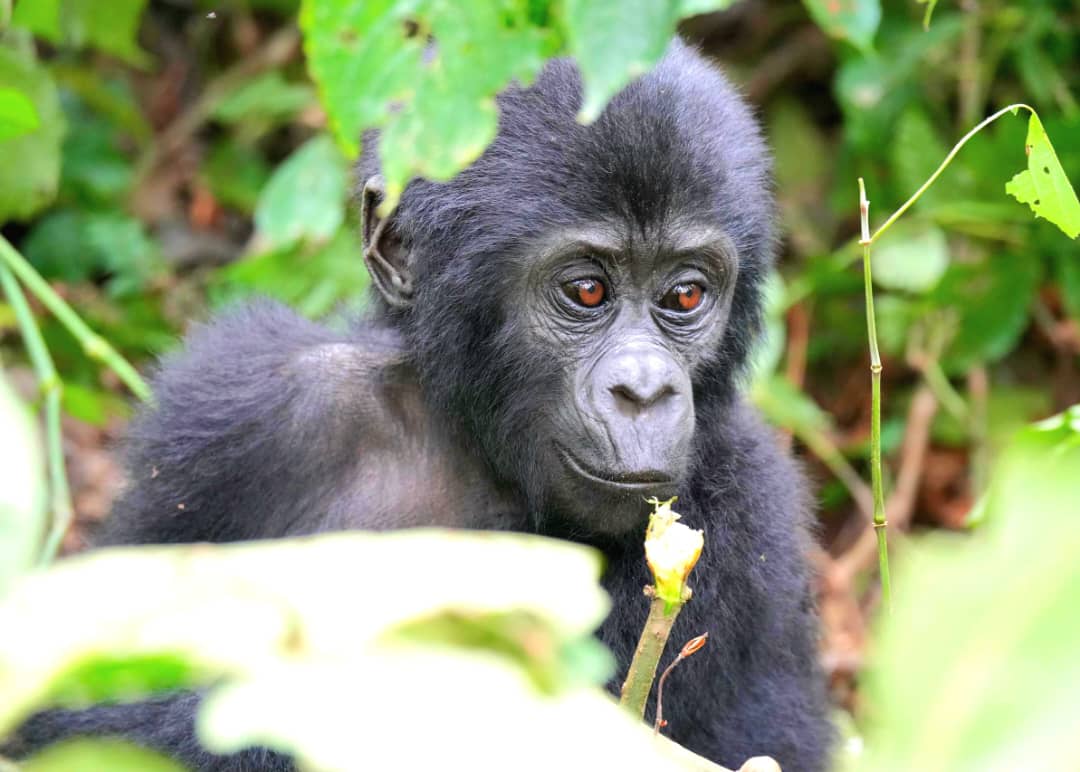
If you have ever looked at gorilla trekking photos and wondered where that misty, green mountain landscape is located, you are not alone. Thousands of travelers ask the same question every year. However, the answer is more fascinating than simply pointing to a place on a map.
The Volcanoes National Park location is in the far northwestern corner of Rwanda. The park lies close to the borders of Uganda and the Democratic Republic of Congo. This remarkable area contains five towering volcanoes, rare mountain gorillas, golden monkeys, and a long conservation history.
In this guide, we explore the park’s geography, explain how to get there, and show why its location makes it one of Africa’s most remarkable protected areas. We will also look at how Zamunda Travels can help turn a visit to this mountain region into a smooth and memorable adventure.
Understanding the Volcanoes National Park Location in Rwanda
The Volcanoes National Park location is in Rwanda’s Northern Province. The park spans the districts of Musanze, Burera, Nyabihu, and Rubavu. It covers approximately 160 square kilometers of rainforest, bamboo thickets, and open moorland. Its coordinates are near 1.47 degrees south and 29.49 degrees east.
Locals often call the park Parc National des Volcans, its French name. Older guidebooks also commonly use this name. The nearest major town is Musanze, which older maps may identify as Ruhengeri.
Musanze serves as the main gateway for most visitors. The town offers hotels, restaurants, and tour offices. It also provides an important base before travelers continue toward the park.
Because the park lies close to two international borders, it forms part of a much larger cross-border conservation area.
Travelers often ask why this particular part of Rwanda received protection. The answer lies in its unique landscape. Steep volcanic slopes, dense rainforest, and a cool highland climate created an ideal refuge for mountain gorillas long before conservationists arrived.
Today, the same geography still shapes every visit. It affects the altitude you hike at, the conditions you experience, and the gear you need to pack.
The Volcanoes National Park Location Within the Virunga Mountains
To fully understand the Volcanoes National Park location, you need to look at the wider Virunga Mountains. This volcanic chain stretches across three countries. Rwanda’s section protects five of the eight major volcanoes: Karisimbi, Bisoke, Muhabura, Gahinga, and Sabyinyo.
Mount Karisimbi rises to 4,507 meters. It is the tallest peak in the Virunga range and one of the highest points in East Africa. Its summit occasionally receives a dusting of snow. This surprises many first-time visitors because the park lies close to the equator.
Mount Muhabura rises to 4,127 meters and sits along the border with Uganda. Meanwhile, Mount Gahinga stands at 3,474 meters. It offers a gentler climb for hikers who prefer a shorter day on the trail.
Shared Borders and Cross-Country Conservation
The Virunga Mountains cross international borders. As a result, the Volcanoes National Park location connects directly with Virunga National Park in the Democratic Republic of Congo and Mgahinga Gorilla National Park in Uganda.
Together, these three parks form one transboundary ecosystem. The ecosystem shelters more than half of the world’s remaining mountain gorillas.
Conservation teams from the three countries work closely together. They monitor gorilla families as the animals move naturally across borders in search of food and shelter. Therefore, protecting one park also helps protect a wider regional population of endangered primates.
How to Reach the Volcanoes National Park Location from Kigali
Most journeys to the park begin in Kigali, Rwanda’s capital. The drive from Kigali International Airport to the park headquarters in Kinigi usually takes between two and three hours. However, travel time can vary depending on traffic and road conditions.
The journey offers a scenic introduction to Rwanda’s famous hills. The road passes terraced farmland, small trading centers, and increasingly dramatic mountain scenery as you travel north.
Many travelers leave Kigali early in the morning. This can allow them to reach the area in time for planned activities. However, most visitors prefer to spend at least one night near the park. This helps them avoid rushing such an important experience.
Public transportation also operates between Kigali and Musanze town. From Musanze, travelers can take a taxi or private vehicle for the remaining journey toward the park headquarters.
Because timing and logistics are important for a successful gorilla trek, many visitors prefer to arrange private transport. Zamunda Travels can organize transfers from the airport to lodges near the park, making the journey easier to manage.
Getting to the Park Headquarters in Kinigi
Trekking activities begin at the park headquarters in Kinigi each morning. The briefing starts at eight o’clock sharp.
During the briefing, rangers assign travelers to trekking groups. They consider factors such as fitness levels and the location of gorilla families. For this reason, arriving on time is important.
Travelers working with Zamunda Travels can plan to arrive well before the briefing begins. This allows enough time to prepare for the day’s activity.
Nearby Towns and Districts Close to the Volcanoes National Park Location
Understanding what surrounds the park can help travelers plan a fuller Rwandan itinerary.
Musanze is the main hub for visitors. It offers a growing range of accommodation, from budget guesthouses to luxury lodges. The town also provides easy access to many activities in the surrounding region.
The districts of Burera and Nyabihu offer quieter rural landscapes. Visitors can see tea plantations, rolling hills, and small villages. These areas can also provide opportunities for cultural experiences with local communities.
Twin Lakes Burera and Ruhondo are also within reach of the park. They offer a peaceful contrast to the dramatic volcanic landscape. Travelers can enjoy activities such as canoeing and lakeside walks.
Within and around the wider park area, other natural attractions add more depth to a visit. Musanze Caves were formed by ancient volcanic activity and offer guided underground walks.
Buhanga Eco-Park also sits nearby. This small area of ancient forest is closely connected to local folklore. It appeals to travelers who want to explore Rwanda’s cultural history alongside its wildlife and landscapes.
Why This Location Matters for Conservation
The location of Volcanoes National Park has played an important role in global conservation for many decades.
The park traces its roots back to 1925. At that time, Belgian colonial authorities protected the area as part of the original Albert National Park. This made it one of the oldest protected areas on the continent.
Decades later, primatologist Dian Fossey chose this region as the site for the Karisoke Research Center. She spent years studying mountain gorillas and helped build the foundation for modern gorilla conservation.
The rugged terrain also created serious conservation challenges. In the past, poaching placed heavy pressure on wildlife in the region. Rwanda’s government and international partners responded by investing in ranger patrols, community outreach, and tourism revenue-sharing programs.
These efforts produced important results. Mountain gorilla numbers across the Virunga region have grown steadily in recent decades. As a result, the species has become one of conservation’s most important success stories.
Every trekking permit purchased today helps support the continued protection of these animals and their habitat.
Best Time to Visit Based on the Park’s Location and Climate
The park’s high-altitude location near the equator creates a climate that differs from much of Rwanda.
Temperatures remain cool throughout the year. At higher elevations, temperatures can drop into single digits Celsius. Therefore, travelers should pack warm layers regardless of the season.
Rwanda has two main dry seasons. These generally run from June to September and from December to February. During these months, trails are often firmer and mountain views may be clearer.
The wetter months bring lush scenery and fewer visitors. However, trails can become muddy, and rain gear becomes essential.
Weather conditions can change quickly at high altitude. For this reason, local knowledge can help travelers choose the best time to visit based on their interests.
Zamunda Travels helps visitors plan around seasonal conditions. Some travelers want clearer skies for photography. Others prefer quieter months with fewer crowds.
Planning Your Trip with Zamunda Travels
Visiting a remote mountain park requires more than knowing its location on a map. Travelers must consider permit availability, altitude preparation, transport, and accommodation.
These details can feel overwhelming, especially for first-time visitors. Zamunda Travels helps simplify the planning process.
The team can arrange Kigali airport transfers, assist with permit bookings, and help travelers plan activities that suit their interests. Visitors can also include time for attractions around the park, creating a more complete and relaxed itinerary.
Local knowledge also makes a difference when planning a mountain adventure. Whether you want to climb Karisimbi, track golden monkeys, or prepare for gorilla trekking, Zamunda Travels can help design an itinerary around your travel goals.
Frequently Asked Questions About the Volcanoes National Park Location
Is the park close to Kigali?
Yes. The drive usually takes between two and three hours, depending on traffic and road conditions. A day trip may be possible, but an overnight stay near the park is often more comfortable.
Which countries border the park?
The park lies close to Rwanda’s borders with Uganda and the Democratic Republic of Congo. Together with neighboring protected areas, it forms part of one connected ecosystem across the three countries.
What town serves as the main gateway?
Musanze, formerly known as Ruhengeri, serves as the main gateway for most visitors. It is the closest major town and provides an important base for trekking arrangements.
Can Zamunda Travels arrange transport from the airport?
Yes. Zamunda Travels can organize transfers from Kigali International Airport to lodges near the park. This can make travel arrangements easier for visitors.
In conclusion, understanding where Volcanoes National Park is located helps transform it from a distant bucket-list destination into a real and accessible travel experience. Its volcanic peaks, cross border conservation landscape, and proximity to Kigali give the region remarkable depth. With careful planning, travelers can experience one of Rwanda’s most extraordinary natural destinations while enjoying a smooth and well-organized journey.