Volcano Hiking Rwanda
August 30, 2026
Combining Gorilla Trekking with an African Safari
August 30, 2026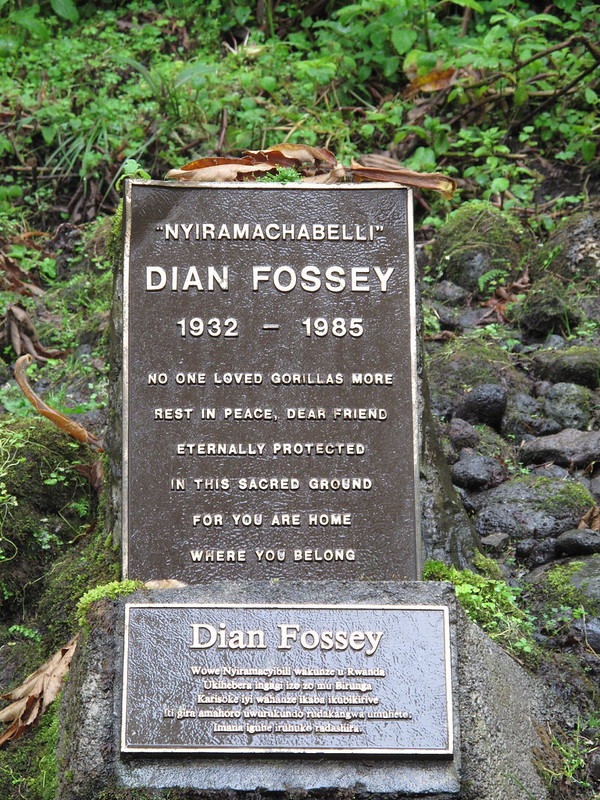
Few names are as closely associated with the history of mountain gorilla conservation as Dian Fossey. Her research on the mist covered slopes of Rwanda’s Virunga Mountains transformed how the world understood these remarkable primates. However, the story of gorilla conservation is larger than one individual. It also includes the work of local communities, trackers, park rangers, researchers, wildlife authorities, veterinarians, and conservation organizations that have protected gorillas across generations.
Dian Fossey played an important role in building the scientific and conservation foundations that continue to influence this work today. Her life was marked by determination, controversy, groundbreaking research, and personal tragedy. At Zamunda Travels, we believe her story adds valuable context to every gorilla trekking experience in Volcanoes National Park. When visitors enter these forests today, they encounter not only mountain gorillas but also a landscape shaped by decades of research, protection, community involvement, and conservation collaboration.
Who Was Dian Fossey? A Pioneer in Mountain Gorilla Research
Dian Fossey was born on January 16, 1932, in San Francisco, California. Her journey toward becoming one of the most influential mountain gorilla researchers was far from conventional. Before entering the world of wildlife research, she trained as an occupational therapist and worked in Louisville, Kentucky. At that point, her career seemed far removed from the remote forests of Central Africa and the study of great apes.
However, Fossey developed a strong interest in Africa and its wildlife. She saved money for years and borrowed additional funds to finance a seven week journey across the continent in 1963. That journey changed the direction of her life. During her travels, she visited several countries and encountered people whose work would influence her future, including Louis and Mary Leakey. She also travelled to the mountain gorilla habitat in what is now the Democratic Republic of Congo, where earlier research by zoologist George Schaller had helped introduce the scientific world to the lives of mountain gorillas.
In 1963, Fossey saw mountain gorillas in the wild for the first time. The experience made a lasting impression on her. She returned to the United States, but her interest in gorillas remained strong. Within a few years, an opportunity would bring her back to Africa and begin a chapter of research that would influence mountain gorilla conservation for decades.
Dian Fossey’s Journey Into the World of Mountain Gorillas
The African Journey That Changed Her Life
Louis Leakey believed that long-term field studies could reveal important insights into the behaviour and social lives of great apes. His support for researchers such as Jane Goodall and Dian Fossey helped establish a new era of field-based primatology.
Fossey returned to Africa in the mid-1960s to begin studying mountain gorillas. Her early work took place in the Congo, but political instability and conflict made it difficult to continue her research there. She eventually relocated to Rwanda, where she established a new base for her long term work among the gorillas of the Virunga Mountains.
Meeting Louis Leakey and Establishing Karisoke
On September 24, 1967, Dian Fossey established the Karisoke Research Center in Rwanda’s Volcanoes National Park. She located the original camp between Mount Karisimbi and Mount Bisoke. The name Karisoke combined parts of the names of these two volcanoes.
From this remote research center, Fossey and the people who later joined her research program spent years studying mountain gorilla groups. She used patient observation and developed techniques to reduce the animals’ fear of human observers. These methods included spending long periods near the gorillas and, at times, using aspects of their behaviour and vocal communication to support habituation.
The work at Karisoke produced a long-term record of mountain gorilla behaviour, social relationships, reproduction, and population dynamics. Over time, the research center became an important part of the scientific understanding of mountain gorillas and their habitat.
The Growth of Modern Dian Fossey Gorilla Conservation
Fossey’s scientific research alone made an important contribution to primatology. However, her role gradually expanded beyond observation and research. She became increasingly concerned about the threats facing mountain gorillas, including poaching, snares, habitat pressure, and other human activities within and around their forest habitat.
Her research helped challenge damaging stereotypes that had portrayed gorillas as violent and aggressive creatures. Through detailed observations, she documented their complex social lives, strong family relationships, individual personalities, and varied forms of communication.
At the same time, it is important to recognize that modern gorilla conservation did not develop through the work of one person alone. Researchers, Rwandan authorities, local communities, trackers, rangers, international conservation partners, and organizations across Rwanda, Uganda, and the Democratic Republic of Congo have all contributed to protecting gorillas and their habitat.
Digit, Poaching, and a Turning Point
One of the most emotional moments in Fossey’s conservation story came with the death of Digit, a well-known silverback gorilla she had observed for many years. Digit was killed by poachers in 1977 while defending his group.
His death deeply affected Fossey and strengthened her commitment to direct gorilla protection. In response, she established the Digit Fund to raise awareness and support conservation work. The organization later became associated with the Dian Fossey Gorilla Fund, which continues conservation, research, education, and community-focused work in the region.
Digit’s death remains an important symbol in the history of mountain gorilla conservation. It also highlights the risks that gorillas faced from poaching and the importance of long-term protection efforts.
Gorillas in the Mist: Sharing the Story With the World
Dian Fossey’s influence extended far beyond the forests where she carried out her research. In 1983, she published Gorillas in the Mist, a book that introduced many readers around the world to the lives of mountain gorillas.
The book combined scientific observation with personal experiences from her years in the Virunga Mountains. It helped many people see gorillas as complex social animals rather than distant or misunderstood wildlife.
The story later reached an even wider audience through the film Gorillas in the Mist, released in 1988 and starring Sigourney Weaver. Together, the book and film played an important role in raising international awareness about mountain gorillas and the challenges facing their survival.
Public awareness alone cannot protect wildlife. However, education and storytelling can encourage greater interest in conservation and support for the people and institutions working to protect endangered species. Fossey’s story remains an example of how research can reach audiences far beyond the scientific community.
The Death of Dian Fossey
Dian Fossey’s life ended tragically. In December 1985, she was found dead inside her cabin at Karisoke. Her death shocked the international conservation community.
The circumstances surrounding her killing have remained the subject of discussion and investigation for decades. Because the full circumstances remain unresolved, it is important to avoid presenting unverified theories as established facts.
Fossey was buried near Karisoke in the gorilla cemetery where several gorillas she had studied were also buried, including Digit. Her death marked the end of her personal work in the Virunga Mountains, but it did not end the research and conservation efforts associated with Karisoke.
In the decades that followed, many researchers, conservation professionals, park authorities, and community members continued and expanded the work of studying and protecting mountain gorillas.
The Legacy of Dian Fossey Gorilla Conservation Efforts Today
The Dian Fossey Gorilla Fund and Karisoke’s Continuing Influence
The conservation organization associated with Fossey’s legacy continues to work in gorilla conservation. The Dian Fossey Gorilla Fund, formerly known as the Digit Fund, supports gorilla protection, scientific research, education, and community centered conservation initiatives.
Karisoke’s long term research has also made an important contribution to scientific knowledge about mountain gorillas. Decades of observations have helped researchers understand gorilla social structures, reproduction, movement, health, and population trends.
Today, mountain gorilla protection involves a broad network of people and institutions. Park rangers monitor protected areas, trackers help locate and observe gorilla groups, researchers collect valuable scientific information, wildlife authorities manage tourism and conservation programs, and communities living near protected areas play an essential role in the long-term future of the forests.
This shared approach demonstrates how Dian Fossey gorilla conservation work has evolved over time. What began as one researcher’s field project became part of a much wider conservation movement involving people and institutions across the region.
From a Small Population to a Cautious Recovery
The recovery of mountain gorillas is one of the most encouraging stories in great ape conservation. During the early decades of intensive research and protection, the population faced serious threats, and conservationists feared that mountain gorillas could disappear.
Long-term protection, research, anti-poaching work, habitat conservation, veterinary intervention when appropriate, government action, and community involvement have all contributed to improvements in mountain gorilla survival.
The mountain gorilla population has surpassed 1,000 individuals, although the exact figure depends on the timing and methodology of population surveys. Their recovery remains remarkable, but it should not create a false sense of security. Mountain gorillas still face serious challenges, including habitat pressure, disease risks, climate-related changes, political instability in parts of their range, and the need to maintain sustainable relationships between conservation areas and surrounding communities.
Their future depends on continued cooperation between Rwanda, Uganda, and the Democratic Republic of Congo, as well as support from local communities and the wider international conservation community.
Experiencing Gorilla Conservation With Zamunda Travels
Understanding Dian Fossey’s story can add a deeper dimension to a gorilla trekking experience. However, responsible gorilla tourism should also recognize the many people who make these experiences possible today.
Zamunda Travels helps visitors arrange gorilla trekking experiences in destinations such as Volcanoes National Park. During a trek, visitors are guided through forests protected through the combined efforts of wildlife authorities, rangers, trackers, researchers, conservation organizations, and communities living near the parks.
Gorilla trekking permit fees contribute to protected area management and wider conservation and community benefit systems administered by the relevant authorities. Responsible tourism can therefore support the long-term protection of these landscapes while also creating economic opportunities connected to conservation.
For many visitors, seeing a mountain gorilla in the wild becomes one of the most memorable moments of a journey through Rwanda or the wider region. The experience can also create a greater appreciation for the people working every day to protect wildlife and forests.
By travelling responsibly, respecting gorilla trekking rules, and supporting sustainable tourism, visitors can become part of a broader effort to protect these extraordinary animals for future generations.
Why Dian Fossey’s Story Still Matters
Dian Fossey’s life demonstrates the influence that dedicated research and public engagement can have on wildlife conservation. She became one of the most influential researchers in the study of mountain gorilla behaviour and helped bring international attention to a species facing serious threats.
However, her legacy should also be understood as part of a larger story. Mountain gorilla conservation is the result of contributions from many people. Local communities, African conservationists, trackers, rangers, researchers, veterinarians, wildlife authorities, governments, and conservation organizations all play essential roles.
Fossey’s work helped establish an important foundation, but conservation continues through collaboration. The future of mountain gorillas will depend not on one person but on sustained partnerships between the people who live near gorilla habitat, the institutions responsible for protecting it, and the global community that values its survival.
Her story remains relevant because gorilla conservation is not a completed achievement. It is an ongoing responsibility. Every generation must continue investing in research, protection, education, sustainable tourism, and community partnerships.
In conclusion, Dian Fossey remains one of the most influential figures in the history of mountain gorilla research and conservation. Her work at Karisoke changed how scientists and the wider public understood these remarkable animals. At the same time, the recovery and protection of mountain gorillas represent a shared achievement built through decades of collaboration. Today, anyone who visits the mist covered forests of Volcanoes National Park can witness the result of that continuing effort and gain a deeper appreciation for the people and communities working to ensure that mountain gorillas remain part of Africa’s natural heritage.