Queen Elizabeth National Park Weather and Climate Guide
September 4, 2026
Chimpanzee Trekking in Kyambura Gorge
September 4, 2026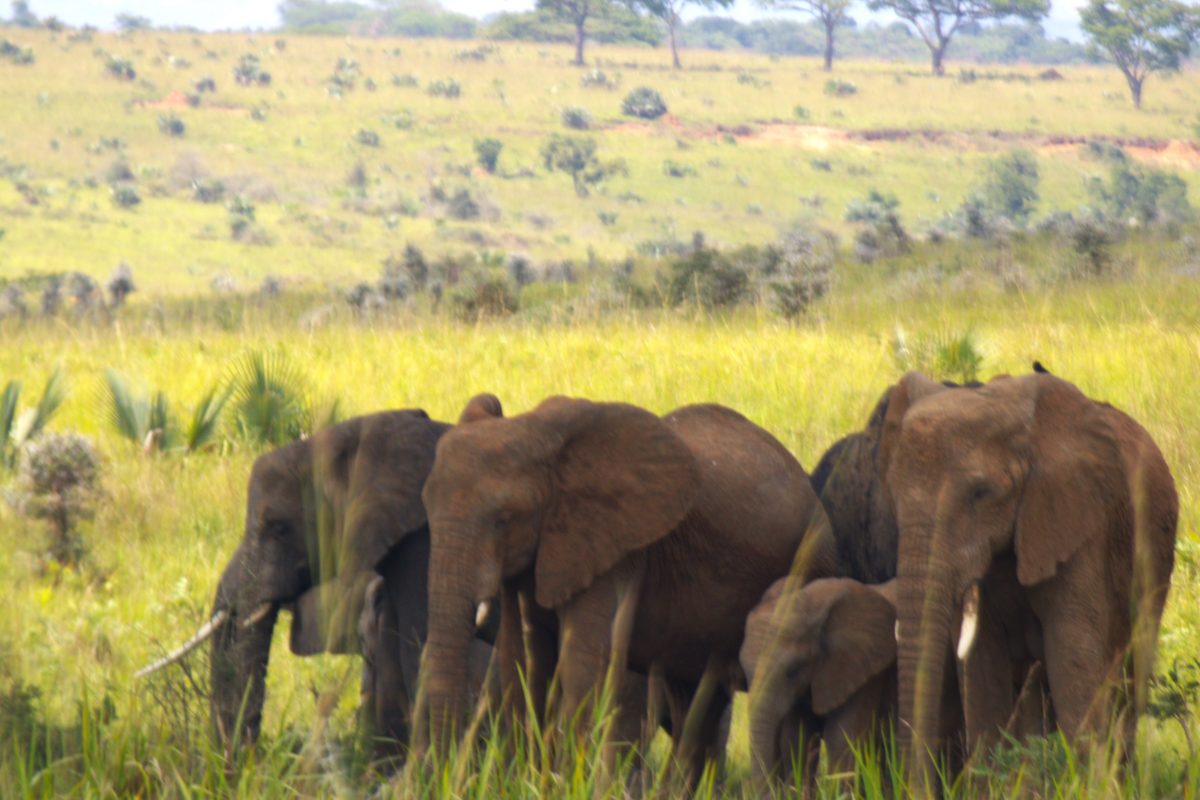
Queen Elizabeth National Park sits between Lake George and Lake Edward in western Uganda, and it protects roughly 1,978 square kilometers of savannah, wetland, crater lake, and forest. Zamunda Travels sends guests here more than almost anywhere else in Uganda, and the reason is simple: the animals in Queen Elizabeth National Park represent one of the richest wildlife collections on the continent. Over 95 mammal species and more than 600 bird species live within its borders, and four of the “Big Five” roam its plains. This guide walks through every major animal group you can expect to see, explains where each one hides, and shows how Zamunda Travels turns that knowledge into a safari that actually delivers sightings instead of luck.
Why the Animals in Queen Elizabeth National Park Draw Visitors From Around the World
Few parks in Africa combine so many ecosystems inside one boundary. Savannah grassland blends into acacia woodland, euphorbia forest gives way to papyrus swamp, and two crater lake fields punctuate the landscape near Katwe. Each habitat supports a different set of species, so a single day of exploration can move you from tree-climbing lions to hippo pods to forest primates. Zamunda Travels designs its itineraries around this variety, pairing morning game drives with afternoon boat cruises so that clients experience the full range of habitats rather than just one corner of the park.
The park also sits directly on the equator, and this location shapes the year-round activity patterns of its wildlife. Animals move between the Kasenyi plains, the Ishasha sector, and the Kazinga Channel depending on rainfall and grass cover. A guide who understands these seasonal shifts can predict where a herd will graze next, and that predictive skill is exactly what separates an average safari from a memorable one.
Big Game Animals in Queen Elizabeth National Park
The park earns its reputation largely through its large mammals. Four of Africa’s famous “Big Five” lion, leopard, elephant, and buffalo live here in strong numbers, and each species has its own favorite corner of the park.
Tree-Climbing Lions of Ishasha
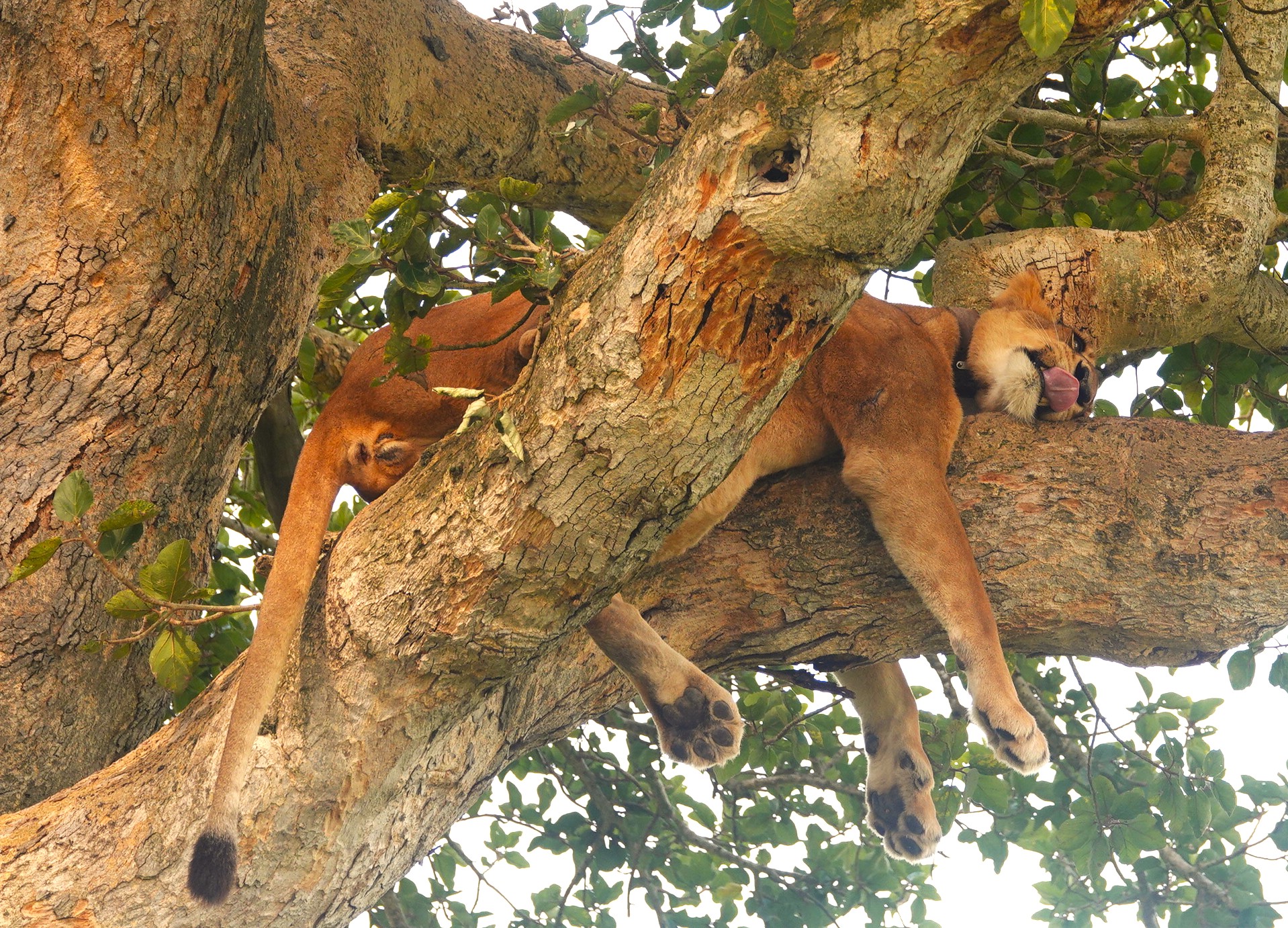
The Ishasha sector, in the park’s southern reaches, holds one of only two confirmed tree-climbing lion populations in Africa. Local lions rest along the thick branches of fig trees during the heat of the day, and nobody knows the full explanation for this unusual habit. Some researchers link it to relief from biting insects on the ground, while others suggest the behavior offers a cooler perch and a wider view of passing prey. Zamunda Travels schedules Ishasha game drives for the mid morning and early afternoon window, since that stretch of the day gives the highest chance of spotting a lion draped over a branch.
African Elephants Along the Kazinga Channel
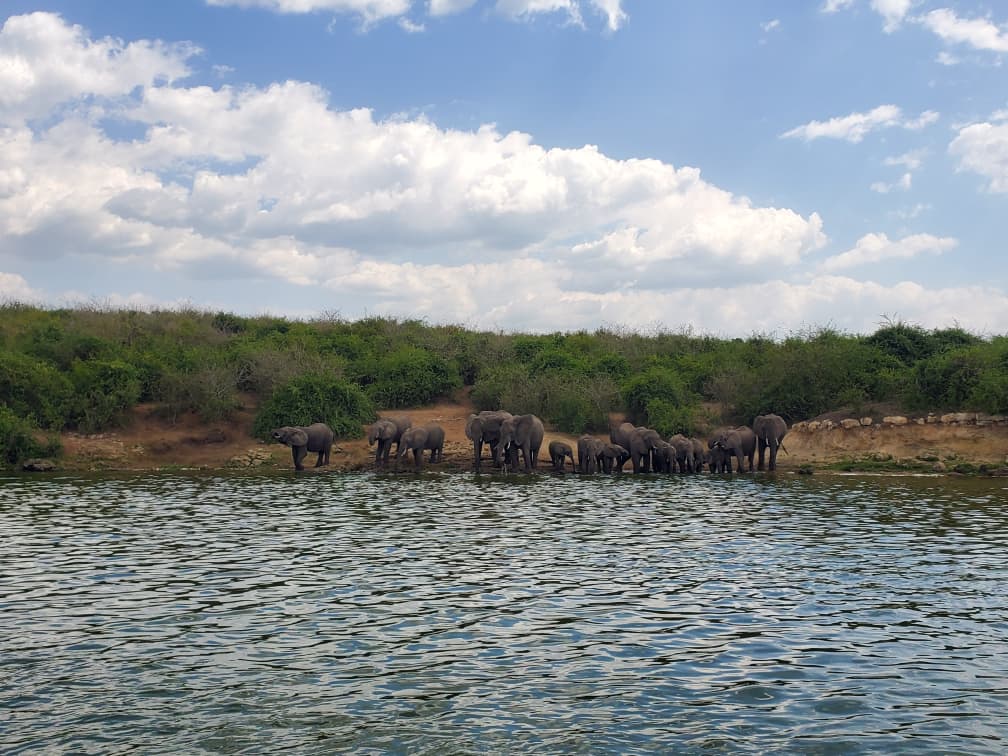
Large herds of African bush elephants gather near the Kazinga Channel, especially during the drier months when the water becomes their main draw. Family groups wade into the shallows to drink and cool off, and calves stay close to their mothers throughout the process. Elephants also cross grazing corridors between Kasenyi and the channel, so a boat cruise often reveals herds that a land vehicle would never reach.
Leopards and Other Elusive Predators
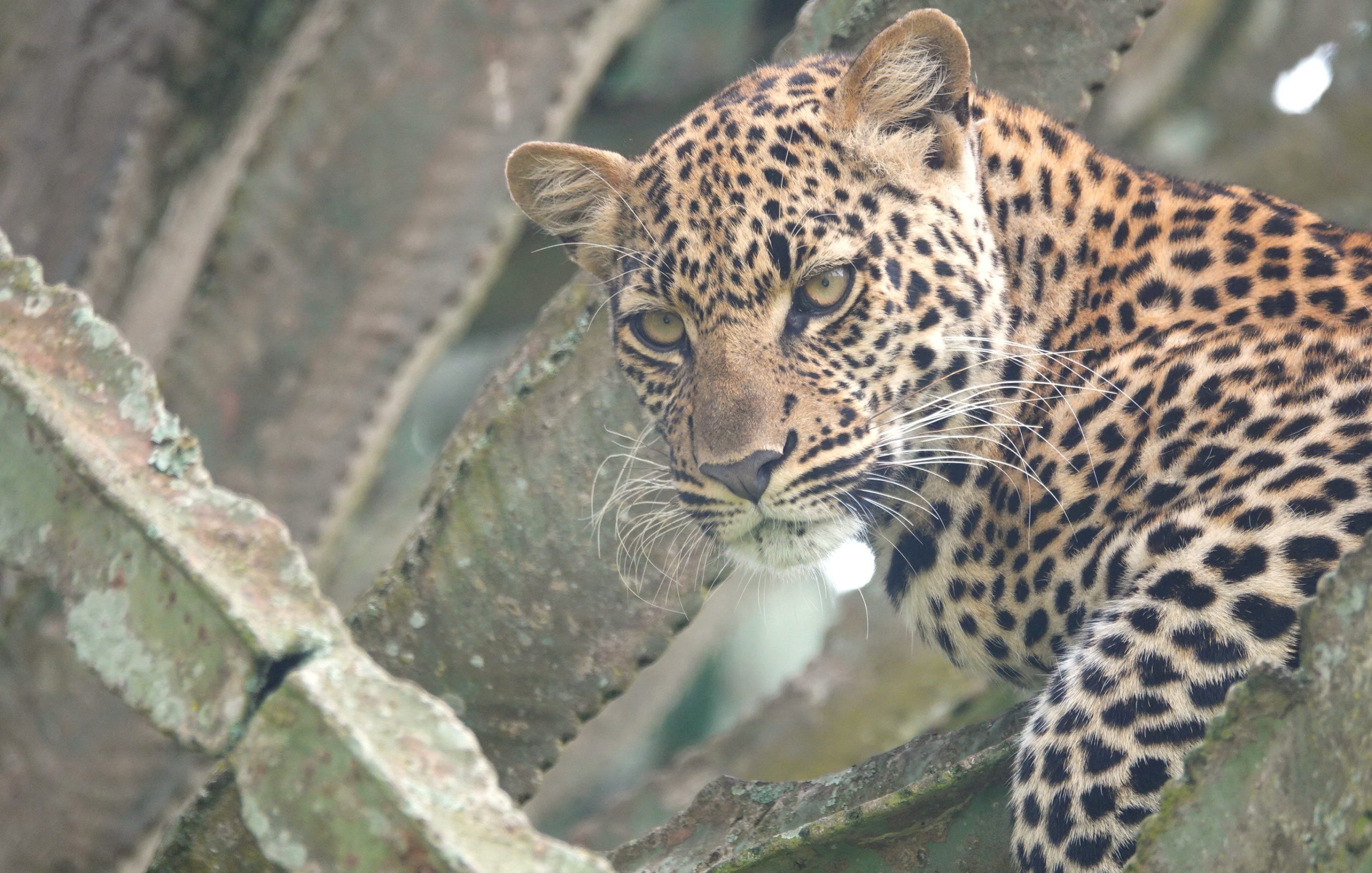
Leopards move through the park’s woodland edges and rocky outcrops, and they hunt mostly after dusk. Spotted hyenas patrol the open plains in loose clans, scavenging kills and hunting smaller prey when the opportunity arises. Both predators stay difficult to find because they avoid direct sunlight, so an experienced guide reads fresh tracks and recent alarm calls from prey species to locate them.
African Buffalo Herds
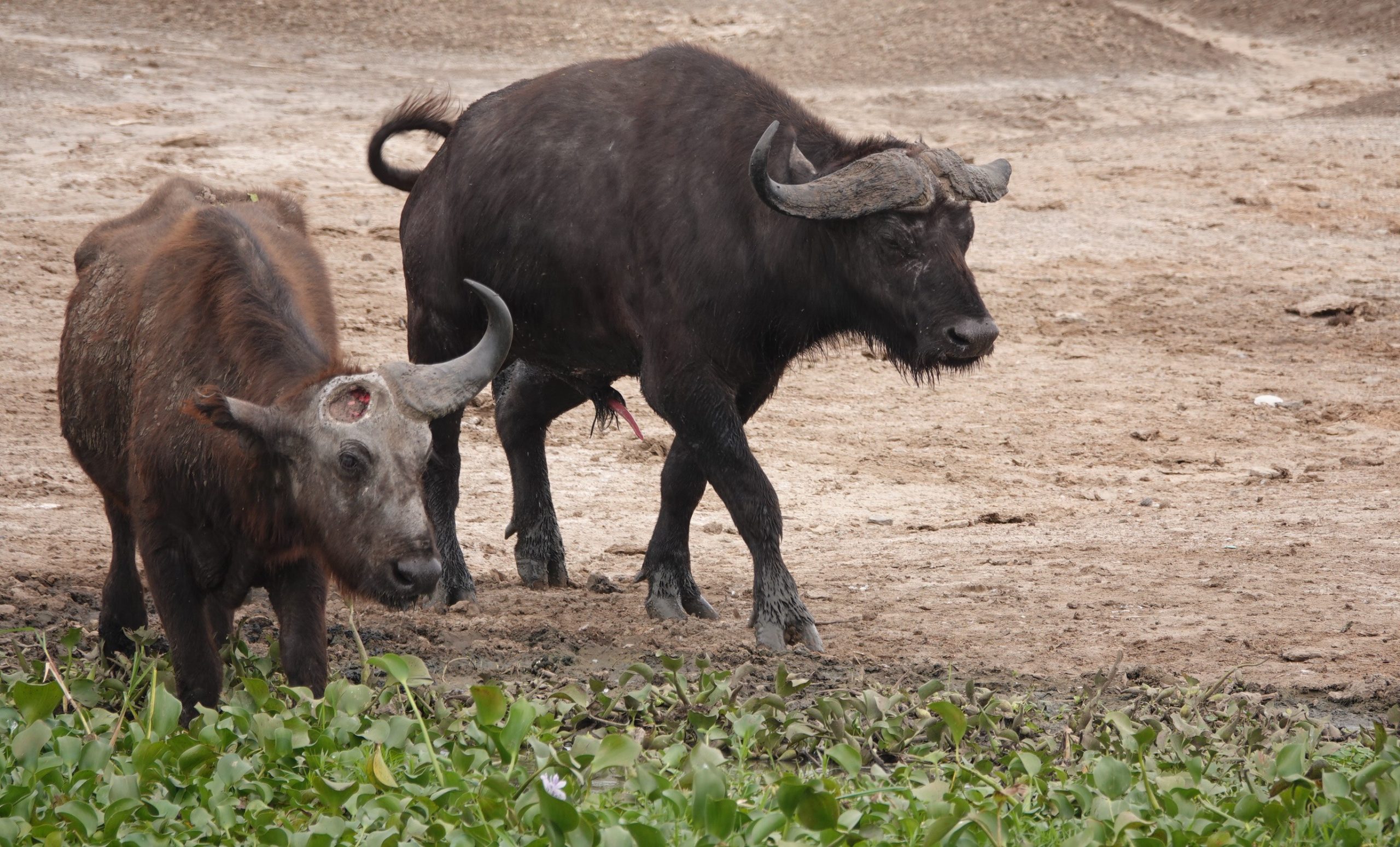
Cape buffalo gather in herds that sometimes number in the hundreds, and they graze across the Kasenyi plains and the Mweya peninsula in tight formation. A buffalo herd offers real protection against lions, since the group defends any member under attack rather than scattering. Visitors on a Zamunda Travels game drive frequently encounter these herds within minutes of entering the park, since buffalo tolerate vehicles far better than most predators do.
Antelope and Grazing Animals in Queen Elizabeth National Park
Beyond the headline predators, a wide range of antelope and grazing species fills the grasslands, and these animals form the prey base that keeps the whole ecosystem functioning.
Uganda Kob
The Uganda kob stands out as the park’s most numerous antelope, and males gather at traditional mating grounds called leks to compete for territory. Visitors often watch several males posture and spar within a small patch of grass while females graze nearby. Kob numbers stay so high around Kasenyi that the area functions almost like an open-air amphitheater for this ritual.
Topi, Waterbuck, and Bushbuck
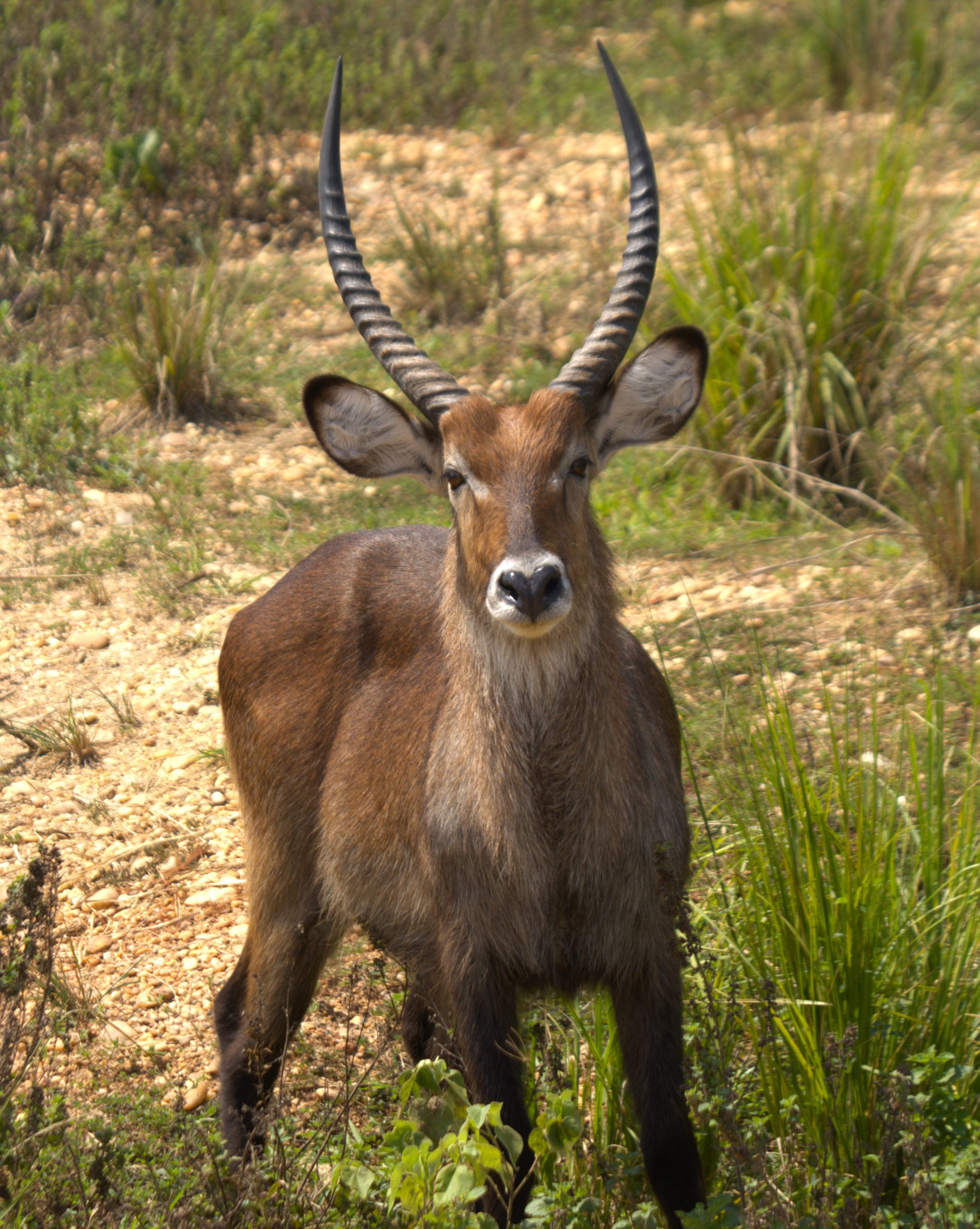
Topi antelope favor slightly higher ground and often stand alone on termite mounds to scan for danger. Waterbuck stay close to rivers and the channel shoreline, since their coat lacks the oil needed for long dry spells away from water. Bushbuck prefer thicker cover along forest edges, and they tend to move alone or in shy pairs rather than large herds.
Warthogs and Giant Forest Hogs
Warthogs trot across open ground with their tails raised like small flags, and they duck into abandoned burrows whenever a predator approaches. Giant forest hogs, the largest wild pig species in the world, favor denser vegetation and appear far less often on standard game drives. Zamunda Travels guides often point out warthog families near the park gates, since these animals graze comfortably close to roads and lodges.
Aquatic Animals of the Kazinga Channel
The Kazinga Channel connects Lake George to Lake Edward, and it hosts one of the densest concentrations of large mammals found along any African waterway.
Hippopotamus Pods
Thousands of hippos pack the channel’s shallows, and a single boat cruise can pass dozens of pods within a two-hour trip. Hippos spend daylight hours submerged to protect their skin from the sun, then leave the water at night to graze on nearby grassland. Because hippos cause more human fatalities in Africa than any other large mammal, Zamunda Travels keeps every boat at a respectful distance while still giving guests a close and safe view.
Nile Crocodiles
Nile crocodiles bask along the channel’s muddy banks, often stretched out beside monitor lizards and wading birds. These reptiles ambush prey that comes to drink, and a boat cruise regularly reveals one gliding silently toward the shoreline. Their presence alongside hippos and hundreds of waterbirds makes the channel one of the single best wildlife-viewing stretches in the entire park.
Primates in Kyambura Gorge
Kyambura Gorge cuts a narrow, forested valley below the surrounding savannah, and local guides often call it “the Valley of the Apes” because of the primates hidden inside.
Chimpanzees
A community of chimpanzees lives within the gorge’s tropical forest, and trackers lead small groups through the undergrowth to find them each morning. Chimpanzees spend much of the day foraging for fig fruit and insects, and their calls often echo through the gorge long before visitors spot the group itself. Zamunda Travels arranges permits in advance, since the park limits the number of trackers allowed into the gorge each day.
Other Primates in the Gorge and Beyond
Black-and-white colobus monkeys leap between the forest canopy with striking white fur trailing behind them, while olive baboons and vervet monkeys move more freely across open ground near lodges and picnic sites. Altogether, the park supports around ten primate species, which makes it one of the strongest primate-viewing destinations in East Africa outside the dedicated forest parks.
Birdlife: Over 600 Species Recorded
Birders travel to Queen Elizabeth National Park specifically for its species count, which ranks among the highest of any park on the continent. The African fish eagle calls constantly over the channel, while shoebills stalk the papyrus swamps with an almost prehistoric stillness. Pelicans, cormorants, and flamingos gather along the lakeshores in large flocks, and the papyrus gonolek adds a flash of red and black to the reed beds. A dedicated birding cruise with Zamunda Travels typically produces more than sixty species in a single morning, which explains why the park draws serious birders alongside general safari travelers.
Best Ways to See the Animals in Queen Elizabeth National Park
Different animals reward different activities, so Zamunda Travels combines several approaches within every itinerary rather than relying on one method alone.
Game drives across the Kasenyi plains and the Ishasha sector give the best access to lions, elephants, buffalo, and antelope herds, and early-morning departures avoid both the midday heat and the midday lull in animal activity. Boat cruises along the Kazinga Channel deliver close views of hippos, crocodiles, elephants, and dense flocks of waterbirds, and they require far less physical effort than a walking safari. Chimpanzee tracking in Kyambura Gorge demands a permit and a reasonable level of fitness, since the trail descends steeply into the gorge and climbs back out again. Zamunda Travels builds each day around these three activities, adjusting the schedule to match the season and the specific animals a guest most wants to see.
When to Visit for the Best Wildlife Viewing
The dry seasons, which run roughly from December through February and again from June through August, concentrate animals around permanent water sources such as the Kazinga Channel. Grass stays short during these months, and visibility across the plains improves dramatically as a result. The wetter months bring lush scenery and excellent birdlife, including migratory species that arrive from Europe and North Africa, though thicker grass can make spotting smaller antelope more difficult. Zamunda Travels advises clients on the best travel window based on their specific interests, whether that means predator sightings, birding, or general scenery.
Plan Your Safari With Zamunda Travels
Queen Elizabeth National Park rewards travelers who plan carefully, since permits for chimpanzee tracking are limited and the best game-drive routes shift with the seasons. Zamunda Travels has built its Uganda itineraries around decades of combined guiding experience, and every trip includes a private vehicle, a knowledgeable driver-guide, and a schedule built around the animals a client most wants to encounter. Whether the goal is photographing tree-climbing lions, cruising past hippo pods, or tracking chimpanzees through Kyambura Gorge, Zamunda Travels turns that goal into a realistic, well-timed itinerary rather than a hopeful guess.
The animals in Queen Elizabeth National Park make it one of the most complete wildlife destinations in Africa, and a well-planned visit can realistically include lions, elephants, hippos, chimpanzees, and hundreds of bird species within a single trip. Contact Zamunda Travels to start building an itinerary that matches your interests, your schedule, and the season that suits your wildlife priorities best.