Why Visit Queen Elizabeth National Park in Uganda?
August 31, 2026
How to Get to Queen Elizabeth National Park
September 3, 2026
Queen Elizabeth National Park sits along the Equator in western Uganda, wedged between Lake Edward and Lake George. The park covers roughly 1,978 square kilometers of savannah, forest, wetland, and crater lakes. It hosts around 95 mammal species and more than 600 bird species, which makes it one of the most biodiverse parks in Africa. Because the weather shifts through distinct wet and dry cycles, timing shapes almost every part of a safari here. Zamunda Travels has guided countless travelers through this landscape, and this guide breaks down exactly when to go, what to expect, and how each season changes the experience.
Understanding the Climate of Queen Elizabeth National Park
The park sits close to the Equator, so temperatures stay warm and fairly stable throughout the year. Daytime highs typically reach 25°C to 30°C, while nights cool down to around 15°C to 18°C. Rainfall, not temperature, drives the real seasonal differences. Two dry spells and two wet spells divide the calendar, and each one brings a different kind of magic. Zamunda Travels designs every itinerary around these patterns, because a well timed visit can mean the difference between a distant sighting and an unforgettable encounter with a pride of tree climbing lions.
The Dry Season in Queen Elizabeth National Park: Prime Wildlife Viewing
Most travel experts agree that the dry months deliver the best overall safari experience. The dry season runs from June through September, with a shorter dry spell from December through February. Grass shrinks back during these months, so animals become far easier to spot from a safari vehicle. Elephants, buffaloes, hippos, and antelope gather near the Kazinga Channel and other permanent water sources, since rainfall becomes scarce elsewhere. Roads also stay firm and dry, so game drives move faster and reach more remote corners of the park. Zamunda Travels typically recommends this window to first-time visitors who want reliable, high-volume wildlife sightings without long waits.
January to February Safaris in Queen Elizabeth National Park
This short dry season offers excellent value alongside strong wildlife activity. Crowds thin out compared to the June-to-September peak, yet the animal viewing barely suffers. Chimpanzee trekking in Kyambura Gorge becomes especially rewarding, because the trails stay dry and the forest canopy thins slightly, improving visibility. Zamunda Travels often books this period for guests who want dry-season conditions without the busiest lodges and the highest rates.
June to September High Season Adventures
June through September marks the busiest and most popular stretch of the year. Gorilla trekking permits in nearby Bwindi Impenetrable Forest sell out quickly during this window, and many travelers combine that trip with a Queen Elizabeth safari. Lion tracking in the Ishasha sector performs particularly well now, since the famous tree-climbing lions rest in fig trees to escape the heat and dry ground below. Because demand surges during these months, Zamunda Travels advises booking lodges and permits several months ahead to secure the best options.
The Wet Season in Queen Elizabeth National Park: Lush Scenery and Birdlife
Rain transforms the park into a different world entirely. The long rains fall from March through May, and a shorter wet spell arrives between October and November. Savannah grasses turn a vivid green, crater lakes fill to their brims, and the entire landscape looks far more dramatic in photographs. Fewer tourists travel during these months, so lodges lower their rates and the trails feel wonderfully uncrowded. Zamunda Travels finds that photographers and returning visitors often prefer this quieter, greener version of the park.
March to May Rains
Heavy downpours arrive most afternoons during this stretch, and some murram roads become difficult to navigate. Wildlife disperses across a wider area, since water becomes available almost everywhere rather than only at fixed channels and rivers. That spread makes sightings less predictable, though the newborn animals and blooming vegetation add real charm to the experience. Zamunda Travels packs waterproof gear and plans flexible schedules for guests who travel during these months.
October to November Short Rains
The short rains bring milder showers than the March to May season, and dry spells still appear between storms. Migratory birds arrive from Europe and North Africa around this time, which turns the park into a birdwatcher’s paradise. Discounted lodge rates and near-empty viewing platforms make this an appealing option for budget-conscious travelers. Zamunda Travels frequently steers birding enthusiasts toward this exact window for that reason.
Best Season for Chimpanzee Trekking and Lion Tracking
Chimpanzee trekking through Kyambura Gorge works best during the two dry seasons, since drier trails allow trekkers to move quietly and quickly through dense forest. Lion tracking in the Ishasha sector also peaks during dry months, because clear skies and open grassland make the resting lions easier to locate in the treetops. Zamunda Travels pairs these two activities into a single itinerary whenever guests visit between June and September, since both experiences reach their highest success rates at the same time of year.

Best Time for Bird Watching in Queen Elizabeth National Park
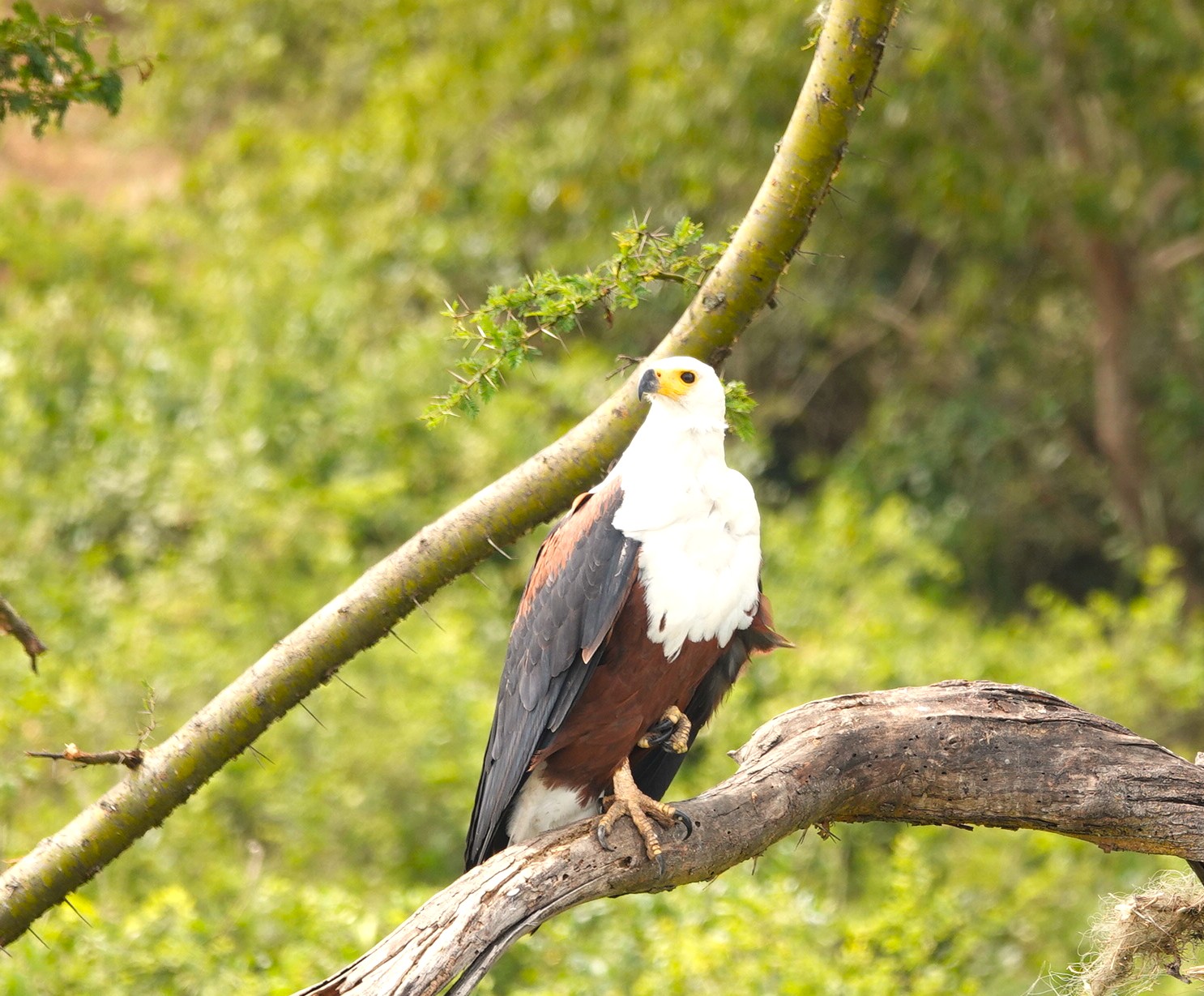
Birdwatchers should aim for the wet seasons, particularly October through November, when migratory species from Europe and northern Africa fill the wetlands and lakeshores. Kingfishers, herons, and papyrus loving species join resident birds along the Kazinga Channel during a boat cruise, creating exceptional variety within a single outing. The soft afternoon light during these months also improves photography conditions considerably. Zamunda Travels arranges dedicated birding cruises timed specifically around these migration patterns.
Crowd Levels and Pricing: When Zamunda Travels Recommends You Book
Peak season runs from June through September, and prices climb accordingly across lodges, permits, and guided activities. Travelers who want quieter trails, lower prices, and a more relaxed pace should consider April, May, October, or November instead. Zamunda Travels builds custom packages around each traveler’s priorities, whether that means chasing the driest roads, the greenest scenery, or the lowest rates. Early booking still matters regardless of season, since the park’s most popular lodges near Mweya Peninsula fill up months in advance.
Zamunda Travels’ Final Verdict
No single month suits every traveler, but the dry seasons of June to September and January to February offer the most dependable wildlife viewing overall. Photographers and bird lovers, however, often get more rewarding results during the wetter months, when the scenery turns lush and migratory species crowd the wetlands. Zamunda Travels ultimately encourages every guest to match the season to their personal priorities, whether that means chimpanzee trekking on dry forest trails, tracking lions in fig trees, or photographing a rainbow of migratory birds along the Kazinga Channel. Whichever month you choose, Zamunda Travels will build the itinerary around it.