Murchison Falls vs Queen Elizabeth National Park
September 22, 2026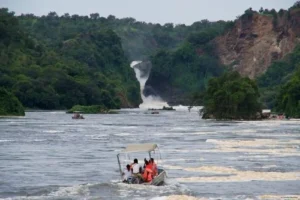
Murchison Falls National Park sits where the Victoria Nile squeezes through a seven-metre gorge and drops into the Devil’s Cauldron, and the park around it rewards visitors who pack with intention. Zamunda Travels sends guests into this landscape almost every week, and one lesson stands out above the rest: the right bag makes the difference between a safari that flows and one that fights you at every stop. This Murchison Falls safari packing guide draws on what our guides actually carry, what our clients wish they had brought, and what the park’s climate genuinely demands. Read it before you zip your bag shut, because a few smart choices now will save you real discomfort later.
Understanding Murchison Falls’ Climate Before You Pack
Murchison Falls sits close to the equator, so its temperatures stay fairly steady across the year. Daytime highs typically reach 29°C to 31°C, while nights cool down to around 18°C to 21°C, which means your pack needs both light layers and something warmer for early mornings. Two dry spells shape the calendar: December through February, and a shorter one around June to August. Between these windows, rain arrives in bursts rather than constant downpours, often in April, May, September and October. Because the weather shifts quickly here, Zamunda Travels always advises guests to pack for both sunshine and sudden showers, no matter which month they travel. A dry-season safari still benefits from a light rain jacket, and a wet-season trip still needs sun protection for the hours between storms.
Murchison Falls Safari Packing Essentials for Game Drives
Game drives form the backbone of most itineraries, and they demand clothing that handles dust, heat and long hours in an open vehicle. Choose breathable cotton or quick-dry fabrics, since synthetic blends trap heat once the sun climbs. Long sleeves and long trousers protect your skin from both sun and biting insects, even when the temperature feels warm enough for shorts. Pack at least one fleece or light jacket for the cooler early-morning drives, when the open vehicle catches every breath of wind. A wide-brimmed hat shields your face and neck far better than a cap, and polarised sunglasses cut the glare that bounces off the savanna grass. Zamunda Travels guides also recommend a bandana or light scarf, which doubles as dust protection on the drier tracks north of the river.
Clothing Colours That Work Best on Safari
Stick to neutral tones such as khaki, olive, beige and soft brown. These colours blend into the landscape, keep you cooler than dark fabrics, and avoid attracting tsetse flies, which are drawn to bright blues and black. Leave white out of your bag too, since dust shows on it within minutes. Bright colours are unnecessary here; they mostly announce your presence to wildlife you are trying to observe quietly.
Building Your Murchison Falls Safari Packing List for Water Activities
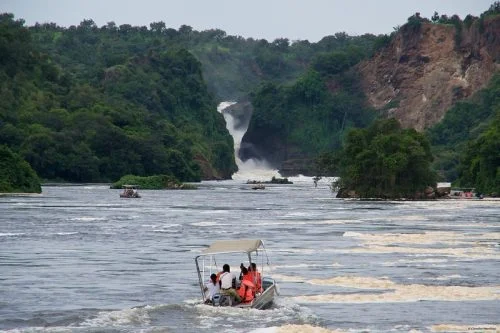
A launch cruise along the Nile toward the base of the falls counts among the park’s signature experiences, and a hike to the top of the falls often follows it. Both activities call for slightly different gear than a standard game drive. Bring a light, packable rain jacket, because spray from the falls reaches visitors standing near the viewpoint even on clear days. Closed, sturdy shoes matter here more than sandals, since the trail to the top climbs over uneven rock. A dry bag or a simple ziplock sleeve protects your phone and camera from splashes during the boat ride, and a reusable water bottle keeps you hydrated through the walk. Guests joining a sport-fishing excursion or a trip to Kaniyo-Pabidi forest for chimpanzee tracking should add grippy walking shoes and a light pair of gloves, since forest trails can turn slippery after rain.
Footwear That Earns Its Place in Your Bag
Footwear deserves its own attention, because Murchison Falls mixes several terrains within a single itinerary. Pack closed walking shoes or light hiking boots for forest walks and the falls hike, plus a comfortable pair of sandals for evenings at the lodge. Avoid brand-new shoes; broken-in footwear prevents blisters far better than anything fresh out of the box. If your itinerary includes Rabongo Forest or a nature walk near your lodge, ankle support becomes especially useful on the uneven ground.
Health and Safety Items for Your Murchison Falls Safari Packing List
Uganda sits within a malaria zone, so insect repellent containing DEET belongs near the top of every bag, alongside anti-malarial medication prescribed before departure. Sunscreen with a high SPF protects skin that the equatorial sun reaches more directly than most travellers expect, even under cloud cover. Pack a small personal first-aid kit with plasters, antihistamines, rehydration salts and any personal prescriptions, since the nearest pharmacy can sit hours away. Hand sanitiser and a few reusable face masks remain useful additions for flights and shared vehicles. Zamunda Travels also recommends a basic set of motion-sickness tablets for guests sensitive to unpaved roads, as several stretches within the park can get bumpy during game drives.
Photography, Electronics and Other Extras
Binoculars turn a good game drive into a great one, especially when spotting the park’s Rothschild’s giraffes or the shoebill stork along the delta. Bring a camera with a zoom lens if wildlife photography interests you, along with extra batteries or a power bank, since charging points inside the park stay limited. A universal plug adapter helps at most Ugandan lodges, which typically use UK-style three-pin sockets. Headlamps or small torches prove useful after dark, when many camps rely on generator power during set hours only. Pack a dry bag for electronics during the boat cruise, and consider a small daypack to keep essentials close during walking activities.
Documents and Money Matters
Carry your passport, visa confirmation, yellow fever certificate and travel insurance documents in a single, easily accessible pouch. Uganda requires proof of yellow fever vaccination on entry, so keep that certificate with your passport rather than buried in checked luggage. Bring a mix of US dollars in good condition and some Ugandan shillings for small purchases, since card payment options remain limited at remote lodges. Zamunda Travels shares a detailed packing checklist with every confirmed booking, but travellers should still double-check their own document requirements before departure, since entry rules can change.
Your Final Murchison Falls Safari Packing Checklist
Before you close your bag, run through the essentials one more time: breathable neutral-toned clothing, a warm layer for early mornings, sturdy closed shoes, a rain jacket, sun protection, insect repellent, a basic first-aid kit, binoculars, camera gear with backup power, and all your travel documents in one place. A well-packed bag lets you focus on the falls, the wildlife and the river instead of scrambling for gear you left behind. Whichever season you choose, Zamunda Travels designs each itinerary so that a smart Murchison Falls safari packing list turns into an effortless, memorable trip from the moment you arrive at the park gate.