Tanzania Safari from Austria
November 21, 2026
Planning a Tanzania safari from Sweden gives travellers the opportunity to explore some of Africa’s most famous wildlife destinations. From the open plains of Serengeti National Park to the wildlife-rich Ngorongoro Crater, Tanzania offers excellent opportunities to observe lions, elephants, giraffes, zebras and other animals in their natural habitats.
However, organising a safari requires more than choosing a national park. Swedish travellers need to consider international flights, travel seasons, visa requirements, accommodation, safari transport and the total cost of their holiday.
Whether you are travelling from Stockholm, Gothenburg or another Swedish city, this guide explains how to plan a Tanzania safari, choose suitable destinations and prepare for your journey. It also explores private safari options and practical travel advice to help you make informed decisions.
Why Choose Tanzania for a Safari from Sweden?
Tanzania is one of East Africa’s established wildlife safari destinations. Its protected areas include extensive savannahs, volcanic landscapes, forests and seasonal wetlands that support diverse wildlife.
For Swedish travellers, Tanzania offers a different experience from a typical European holiday. A safari involves travelling through protected areas, observing wild animals and adapting daily activities to wildlife movements.
The northern Tanzania safari circuit is particularly suitable for first-time visitors. It connects several important wildlife destinations, including Serengeti National Park, Ngorongoro Conservation Area, Tarangire National Park and Lake Manyara National Park.
Travellers can also combine a wildlife safari with a stay on Zanzibar, where beaches and coastal activities provide a contrast to days spent exploring national parks.
The most suitable safari depends on your available time, preferred accommodation, wildlife interests and travel budget.
How to Travel from Sweden to Tanzania
Choosing Your Departure Airport in Sweden
Travellers from Sweden can begin their international journey through airports such as Stockholm Arlanda or Gothenburg Landvetter.
The most convenient departure point depends on where you live, your travel dates and available airline connections.
Rather than selecting a flight based only on its ticket price, compare the complete journey. Consider the number of connections, total travel time, baggage allowances and arrival time in Tanzania.
A cheaper flight may become less attractive if it requires an additional hotel night or creates a difficult connection.
Which Airport Should You Fly Into in Tanzania?
The best arrival airport depends on your safari itinerary.
Kilimanjaro International Airport is a practical choice for travellers planning to visit northern Tanzania. It provides access to the Arusha region, where many northern safari itineraries begin.
Arusha Airport is also used for domestic and safari flights. It should not be confused with Kilimanjaro International Airport when arranging transfers.
Julius Nyerere International Airport in Dar es Salaam is another international gateway. It may be useful for travellers planning a southern Tanzania safari or connecting to other destinations.
Abeid Amani Karume International Airport serves Zanzibar and is relevant for holidays that include the island.
Before booking, confirm the arrival airport, transfer arrangements and starting location of your safari.
Planning Your Flight Connections
International flight routes and schedules change, so travellers should compare current services for their specific dates rather than assuming that a particular connection is available.
For a northern Tanzania safari, a practical arrangement is to arrive near Arusha, spend the first night recovering from the international journey and begin the safari the following day.
This provides some flexibility if flights are delayed and avoids starting a long road transfer immediately after arrival.
If you plan to visit Zanzibar after your safari, compare a multi-city flight ticket with separate international and domestic bookings. Consider baggage restrictions, connection protection and possible schedule changes.
Best Places to Visit on a Tanzania Safari
Tanzania has several wildlife destinations, but visiting every park during one holiday is rarely necessary.
For most first-time visitors, selecting a few complementary parks provides a more comfortable experience than trying to cover too much ground.
Serengeti National Park
Serengeti National Park is one of Tanzania’s most recognised safari destinations.
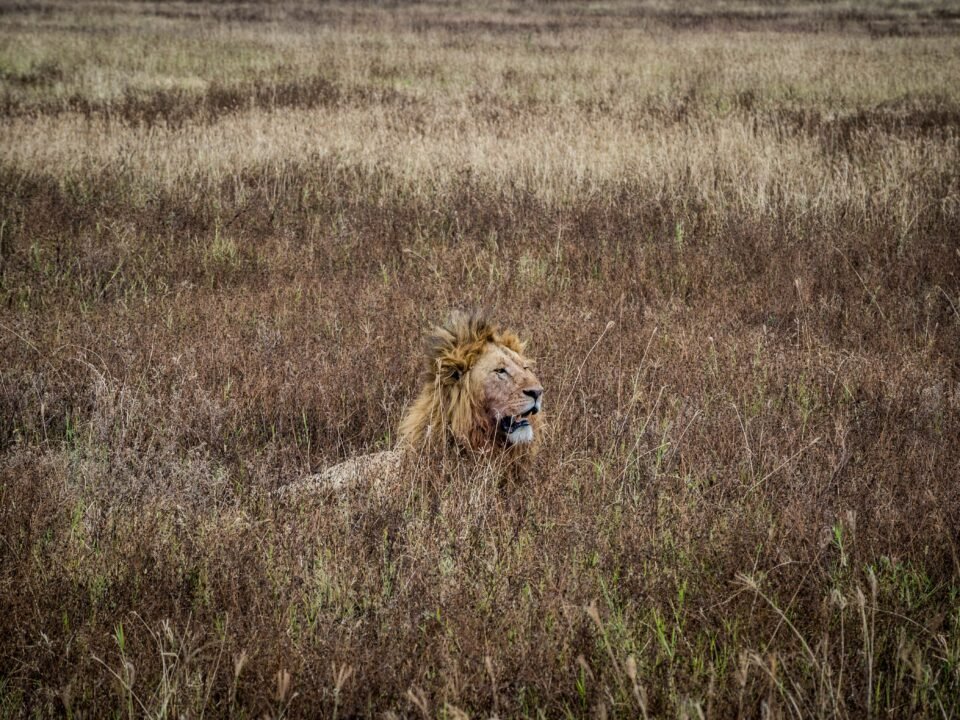
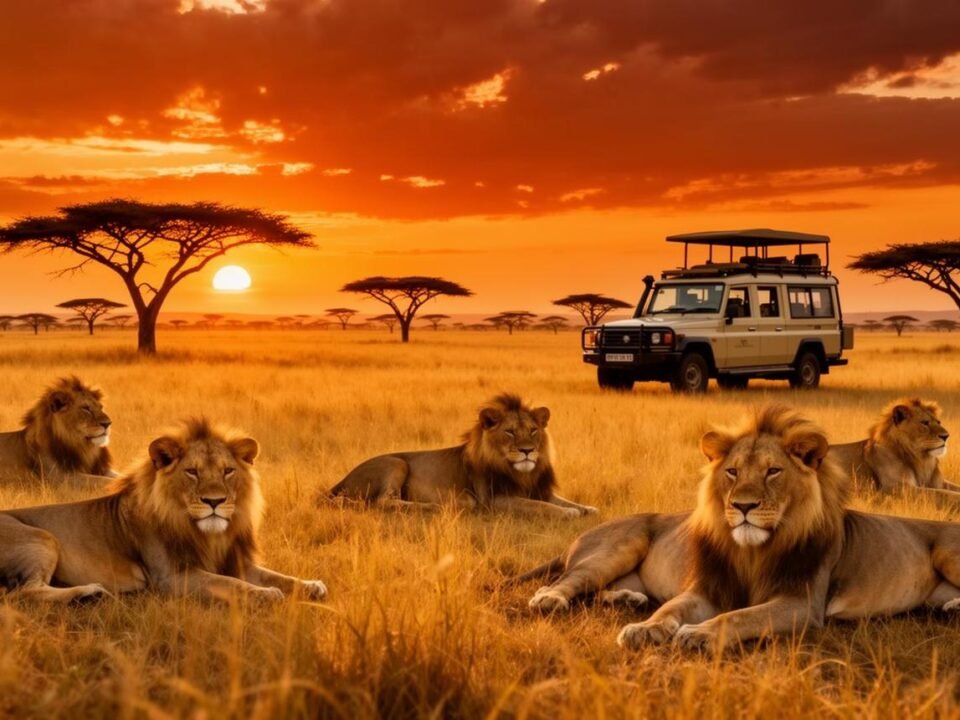
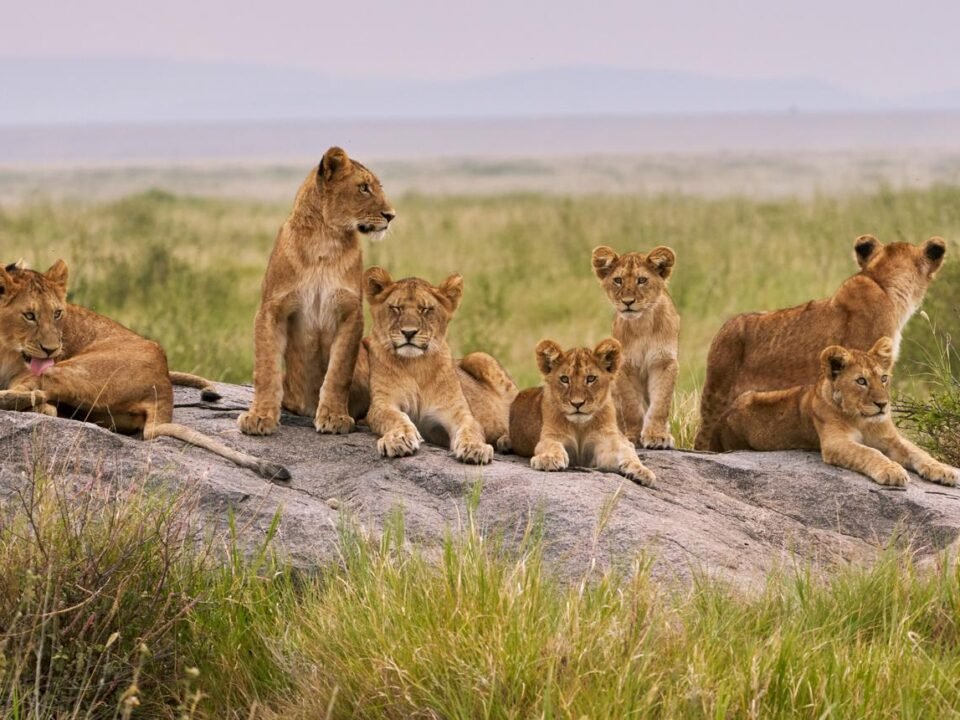
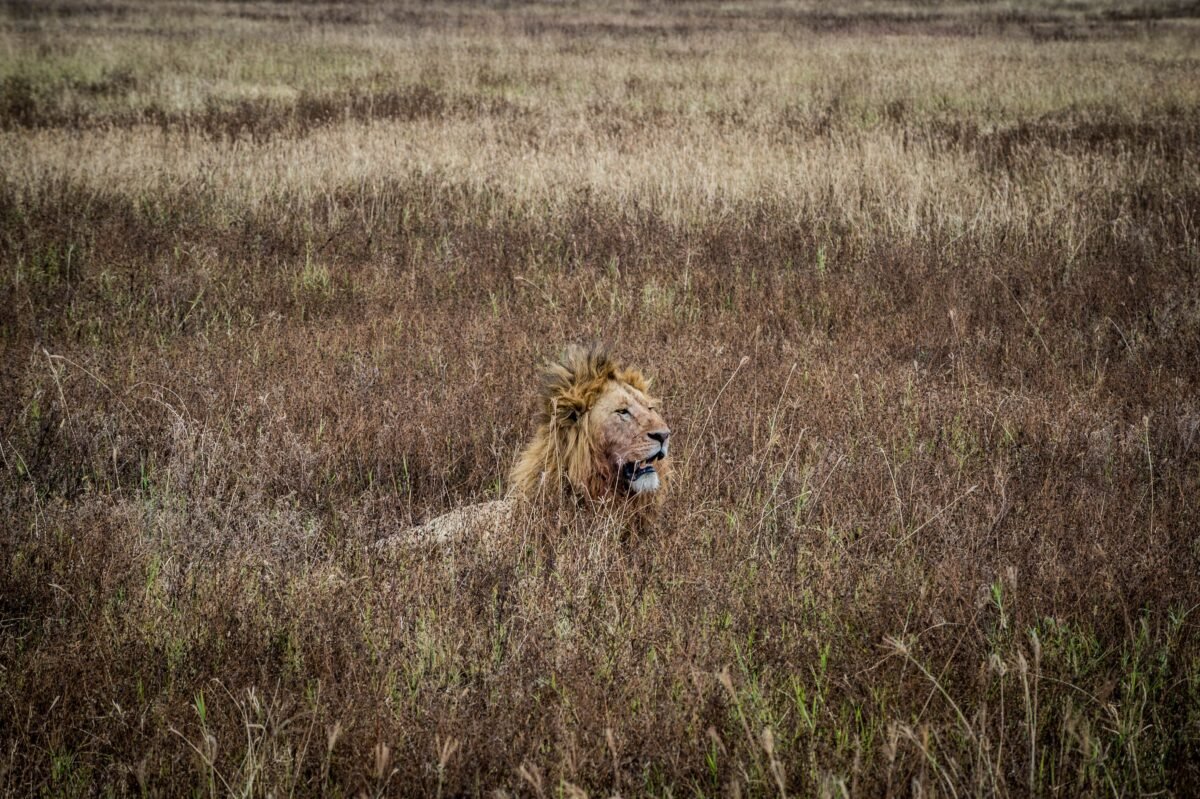
Its landscapes include open grasslands, woodland and river systems. Wildlife includes lions, leopards, cheetahs, elephants, giraffes, zebras and wildebeest.
The park is also associated with the Great Migration, the seasonal movement of wildebeest and other grazing animals through the wider Serengeti–Mara ecosystem.
However, the migration does not remain in one location throughout the year. Wildlife movements depend on rainfall, grazing conditions and other environmental factors.
For this reason, travellers interested in the migration should choose their travel period and accommodation location carefully.
A river crossing should never be treated as a guaranteed activity. Even during a favourable season, animals may gather near a river without crossing while visitors are present.
Serengeti is also rewarding outside the main migration-viewing periods because resident wildlife can be observed throughout the year.
Ngorongoro Conservation Area
The Ngorongoro Conservation Area is known for its volcanic highlands and the Ngorongoro Crater.
The crater contains grasslands, wetlands and other habitats that support a variety of wildlife.
Visitors may encounter buffaloes, zebras, wildebeest, lions, elephants and other animals during a crater game drive.
The landscape is different from the extensive plains of Serengeti. This makes Ngorongoro a useful addition to a northern Tanzania itinerary rather than a replacement for Serengeti.
A crater visit is normally planned as a dedicated safari activity. Travellers should allow sufficient time for entry procedures, descent, wildlife viewing and departure.
Accommodation can be arranged in suitable locations around the conservation area, depending on the itinerary and budget.
Tarangire National Park
Tarangire National Park is particularly associated with elephants and large baobab trees.
The Tarangire River and surrounding habitats provide important resources for wildlife, especially during drier periods.
Elephants, giraffes, zebras, buffaloes and several antelope species may be seen during game drives. Predators also inhabit the park, although sightings depend on animal movements and conditions.
Tarangire is an attractive option for travellers who want to experience a landscape different from Serengeti.
Including it in a northern circuit also creates opportunities to observe wildlife across several habitats rather than concentrating on a single park.
Lake Manyara National Park
Lake Manyara National Park includes groundwater forest, woodland, open areas and lake-associated habitats.
The park is known for birdlife, monkeys and other wildlife. It is also associated with tree-climbing lions, although seeing this behaviour is not guaranteed.
Lake Manyara can be included in a northern safari itinerary when time and route conditions allow.
However, travellers with limited days should consider whether an additional park visit offers more value than spending extra time in Serengeti or Tarangire.
Southern Tanzania Safari Alternatives
Northern Tanzania is not the only safari region worth considering.
Nyerere National Park and Ruaha National Park offer different landscapes and safari experiences.
These destinations may appeal to returning visitors, photographers or travellers interested in exploring a different part of Tanzania.
However, southern Tanzania should generally be planned as its own safari circuit rather than added casually to a short northern itinerary.
The best choice depends on available time, transport arrangements, seasonal conditions and the wildlife experience you prefer.
When Is the Best Time to Visit Tanzania from Sweden?
Tanzania can be visited throughout the year, but different seasons create different safari conditions.
The most suitable travel period depends on whether your priority is general wildlife viewing, migration activity, photography, accommodation availability or a combination of these.
June to October: Drier Safari Conditions
June to October is generally associated with drier conditions across much of northern Tanzania.
Vegetation may become less dense, while animals can concentrate around available water sources.
This period is often attractive for general wildlife viewing and for travellers who prefer comparatively dry conditions during game drives.
However, accommodation demand may be higher during popular travel periods, particularly in well-known safari areas.
Travellers interested in specific migration locations should confirm where the herds are expected to be rather than treating the entire season as identical.
November to December: Short-Rain Period
November and December are commonly associated with the short rains in northern Tanzania.
Rainfall can refresh the landscape and create green scenery, which may appeal to photographers.
However, conditions vary between years. Rain can affect road surfaces, travel times and access to some areas.
Travellers should consult updated weather forecasts and travel advisories before departure.
January to February: Green Landscapes and Calving Opportunities
January and February can be rewarding months for travellers interested in wildlife photography and seasonal migration activity.
The southern Serengeti and neighbouring Ndutu region are associated with the wildebeest calving period, although timing depends on rainfall and herd movements.
The arrival of young animals can attract predators and create opportunities to observe wildlife behaviour.
Nevertheless, no particular sighting or calving event can be guaranteed.
March to May: Longer Rains
March to May is generally associated with the longer rainy period in northern Tanzania.
Some travellers appreciate the greener landscapes and potentially quieter conditions.
However, rainfall can make certain roads more difficult and may affect the practicality of particular itineraries.
Accommodation availability and access arrangements should be checked before booking.
Planning Around Swedish Holidays
Swedish travellers may prefer to schedule safaris during summer holidays, Christmas, New Year or school breaks.
These periods can influence flight prices and accommodation demand.
School holiday dates can differ between municipalities, so families should confirm their local calendar before committing to travel dates.
For greater flexibility, travellers who are not tied to school holidays can compare several departure periods.
The best approach is to choose your wildlife priorities first, then compare travel dates and total costs.
How Many Days Do You Need for a Tanzania Safari?
For a first visit focused on northern Tanzania, a safari of approximately six to eight days is a reasonable planning option.
This provides time to visit several destinations without turning every day into a long transfer.
A shorter safari can work, but travellers may need to reduce the number of parks.
A longer itinerary offers more flexibility for photography, repeated game drives or time spent in a particular wildlife area.
Importantly, international travel days should be considered separately from safari days.
Example Seven-Day Northern Tanzania Safari
The following is an illustrative itinerary rather than a confirmed safari package. Accommodation, driving arrangements and daily timings should be finalised before booking.
Day 1: Arrival at Kilimanjaro International Airport
Arrive at Kilimanjaro International Airport, where an arranged transfer takes you to accommodation near Arusha.
Depending on your arrival time, the remainder of the day can be spent relaxing and preparing for your safari.
An overnight stay near Arusha provides time to recover from international travel before beginning the journey into the national parks.
Day 2: Arusha to Tarangire National Park
After breakfast, travel towards Tarangire National Park for your first game drive.
The park is known for elephants, baobab trees and varied savannah habitats.
Spend time exploring suitable wildlife-viewing areas before continuing to your planned accommodation.
Day 3: Transfer to Serengeti National Park
Begin the journey towards Serengeti National Park, travelling through northern Tanzania’s changing landscapes.
The day includes a substantial road transfer, so the amount of time available for wildlife viewing depends on the final route and departure time.
After reaching Serengeti, enjoy game viewing where practical before proceeding to your accommodation.
Day 4: Full-Day Safari in Serengeti National Park
Spend the day exploring Serengeti National Park.
Depending on the area visited and wildlife movements, you may encounter lions, elephants, giraffes, zebras, wildebeest and other animals.
Your guide can adjust the game-drive programme within park regulations and the agreed itinerary.
The day provides opportunities for wildlife photography and observing animal behaviour.
Day 5: Serengeti Wildlife Viewing and Transfer Towards Ngorongoro
Begin with further wildlife viewing in Serengeti before travelling towards the Ngorongoro area.
The journey offers changing scenery as you move from the Serengeti plains towards the volcanic highlands.
Arrive at your planned accommodation and prepare for the following day’s crater excursion.
Day 6: Ngorongoro Crater Game Drive
Travel into the Ngorongoro Crater for a wildlife-viewing excursion.
The crater supports a variety of animals, including buffaloes, zebras, wildebeest, elephants and lions.
Explore the permitted game-drive routes while observing wildlife and the surrounding landscape.
After the excursion, continue to your planned overnight accommodation.
Day 7: Return Towards Arusha and Departure
After breakfast, begin the return journey towards Arusha or Kilimanjaro International Airport.
The day’s arrangements should account for the actual driving time, road conditions and your international flight schedule.
If your flight departs too early for a comfortable same-day transfer, an additional overnight stay may be necessary.
This example balances several wildlife destinations, but it still includes substantial road travel. Travellers who prefer slower-paced wildlife photography may benefit from adding another night in Serengeti.
Combining a Tanzania Safari with Zanzibar
A safari and Zanzibar holiday combines wildlife viewing with time on the Indian Ocean coast.
One practical arrangement is to complete the mainland safari first and then travel to Zanzibar for several nights.
This can be particularly attractive for couples and families who want a quieter end to their holiday.
However, the island extension requires additional planning for transport, accommodation, insurance and travel connections.
Travellers should also confirm the relevant health and entry procedures for Zanzibar before departure.
How Much Does a Tanzania Safari from Sweden Cost?
The total cost of a Tanzania safari depends on several factors. These include the number of travellers, length of stay, accommodation standard, transport arrangements, park fees and international flights.
There is no single price that accurately represents every safari.
For example, a private safari for two people may have a different per-person cost from a safari for four people sharing the same vehicle.
Similarly, accommodation near popular wildlife areas may cost more during periods of strong demand.
What Determines the Safari Price?
International flights from Sweden are an important part of the overall travel budget. Ticket prices depend on the departure airport, airline, connections and travel dates.
Safari transport is another major consideration. Private vehicles involve costs for the vehicle, fuel and guiding services, while shared arrangements distribute some costs among several travellers.
Accommodation also affects the final price. Tanzania offers different categories of safari accommodation, from simpler lodges and camps to high-end properties.
National park and conservation fees must also be included in the calculation. These charges depend on the parks visited, applicable visitor categories and current official tariffs.
Other expenses may include airport transfers, domestic flights, visa charges, insurance, optional activities and personal spending.
Before booking, ask for a detailed quotation showing what is included and excluded.
Private Safari Versus Group Safari
A private safari generally provides a vehicle and guide for your travelling party.
This arrangement offers greater flexibility in how game-drive time is allocated, subject to park rules and the agreed itinerary.
It may be especially suitable for photographers, families and couples who prefer not to share their vehicle with unrelated travellers.
A group safari involves sharing transport and scheduled activities with other guests.
This may reduce some shared costs, but the itinerary and daily programme are usually less flexible.
Neither option is automatically better. The choice depends on your budget, expectations and preferred travel style.
How to Compare Safari Quotations
Before paying a deposit, ask the operator to clarify the accommodation category, park fees, meal arrangements, vehicle type and guiding services.
Also confirm whether the quotation includes international flights, domestic transfers, drinking water and any proposed optional activities.
Check the cancellation terms, payment schedule and what happens if an activity becomes unavailable.
A clearly itemised quotation makes it easier to compare different safari offers fairly.
If you are considering a private Tanzania safari, Zamunda Travels Uganda Ltd can be contacted to discuss your preferred dates, wildlife interests and accommodation expectations before a tailored itinerary is prepared.
Tanzania Visa and Entry Requirements for Swedish Citizens
Swedish passport holders travelling to Tanzania for tourism need to follow the country’s visa and entry procedures.
According to the official Tanzania Immigration Services guidelines checked in November 2026, an ordinary tourist visa costs USD 50 and permits a stay of up to 90 days.
Travellers can apply through the official electronic visa system. Visa-on-arrival arrangements are also described in the immigration guidelines, but eligibility and procedures should be checked before departure.
Use the official Tanzania Immigration portal at https://visa.immigration.go.tz/ rather than an unofficial visa website.
Passport Requirements
Tanzania Immigration requires a passport valid for at least six months, with at least one unused visa page.
Visitors should also be prepared to present a return or onward ticket and evidence of sufficient funds if requested.
Before departure, verify the current requirements with Tanzania Immigration and the Swedish government’s travel information for Tanzania.
Travel Insurance Requirements
Travellers should check the current mandatory inbound insurance rules for mainland Tanzania and Zanzibar before departure.
The requirements may depend on the first point of entry and whether the itinerary includes Zanzibar.
Check the official government or designated insurance portal for the current policy, coverage, charges and exemptions.
Any compulsory local insurance should not automatically be treated as a substitute for comprehensive travel insurance purchased in Sweden.
Your main travel policy should provide suitable coverage for medical treatment, emergency evacuation, repatriation and planned safari activities.
Health Declaration Requirements
Tanzania’s entry-health procedures can change in response to public-health developments.
Swedish travellers should check whether a digital health declaration, health screening or additional documentation is required for their route.
Requirements may differ between mainland Tanzania and Zanzibar.
Consult the official Tanzanian health authorities and Swedish government travel advice shortly before travelling.
Health and Safety Advice for Swedish Travellers
Health preparation should begin before your departure from Sweden.
A travel-health professional can review your vaccination history, proposed route, medical needs and appropriate malaria prevention.
Malaria occurs in Tanzania, including mainland areas and Zanzibar. Preventive medication and mosquito-bite precautions should be discussed with a qualified clinician.
Use suitable insect repellent, wear protective clothing when appropriate and follow the advice provided by your accommodation and medical adviser.
Yellow Fever Vaccination
Yellow fever documentation requirements can depend on your travel route, including previous travel and transit through countries with yellow fever transmission risk.
Do not assume that travelling on a Swedish passport automatically determines the requirement.
Check the official Tanzanian entry rules and discuss your full itinerary with a travel-health professional.
Travel Insurance and Emergency Care
Medical facilities and emergency response capabilities vary across Tanzania.
Some safari areas are far from major hospitals, making suitable emergency evacuation coverage particularly important.
Before travelling, check your insurer’s requirements for safari activities, medical evacuation and emergency assistance.
Keep copies of your policy, emergency contact details and essential medical information accessible during the trip.
General Travel Safety
Follow the instructions of your safari guide and park authorities, particularly around wild animals.
Never leave a vehicle in an area where doing so is prohibited or unsafe.
Avoid approaching or feeding wildlife, and do not ask guides to drive off authorised tracks.
For travel beyond the main northern safari circuit, review current regional security advice.
Sweden’s Ministry for Foreign Affairs has issued advice against non-essential travel to the Mtwara region in south-eastern Tanzania. Check the current status before departure.
What to Pack for a Tanzania Safari
Packing for a Tanzania safari is mainly about comfort, practicality and preparation for changing conditions.
Morning game drives may feel cool, while daytime temperatures can be considerably warmer.
Lightweight clothing that can be layered is generally useful.
Comfortable neutral-coloured shirts and trousers are practical for game drives. A warm fleece or jacket can help during cooler mornings, particularly around the Ngorongoro highlands.
Closed shoes, a wide-brimmed hat, sunglasses and sunscreen are useful for daily activities.
Insect repellent, personal medication and basic toiletries should also be included.
Binoculars can make wildlife viewing more rewarding, especially when animals are far from the vehicle.
Photographers should carry suitable batteries, memory cards and dust protection for their equipment.
Keep travel documents, insurance information and emergency contacts accessible.
If your itinerary includes domestic flights, check the baggage rules for the specific airline and aircraft before packing.
Common Mistakes to Avoid When Planning a Tanzania Safari
Trying to Visit Too Many Parks
Travellers sometimes assume that visiting more parks automatically creates a better safari.
However, each additional destination can require road transfers, check-in procedures and time away from wildlife viewing.
A well-planned itinerary should balance travel time with meaningful opportunities to explore each park.
Booking Flights Before Confirming the Safari Route
A flight may appear convenient until you discover that it arrives far from your intended safari starting point.
Confirm your itinerary’s arrival and departure airports before purchasing non-refundable tickets.
Choosing Accommodation Without Considering Location
Two lodges may offer similar facilities but have very different implications for daily travel.
Accommodation location can affect how early you need to depart, how long you spend driving and how easily you reach particular wildlife areas.
Ask the operator to explain why each property has been selected.
Expecting Guaranteed Wildlife Sightings
Wild animals move freely, and their behaviour cannot be controlled.
Even famous wildlife events, including river crossings during the Great Migration, depend on natural conditions.
Choose a safari that offers varied wildlife-viewing opportunities rather than relying on a single expected event.
Ignoring the Complete Holiday Cost
When comparing safari quotations, account for international flights, insurance, visas, park fees and any excluded services.
Also consider the operator’s payment and cancellation policies.
A transparent quotation is more useful than an attractive headline price with unclear inclusions.
How to Plan a Private Tanzania Safari with Zamunda Travels
A private safari should begin with your travel priorities rather than a fixed list of destinations.
Consider the wildlife you most want to see, your preferred travel month, available days and accommodation expectations.
For example, travellers interested in big cats and extensive game drives may prefer spending more time in Serengeti.
Those looking for a varied northern circuit may choose a combination of Serengeti, Ngorongoro and Tarangire.
Zamunda Travels Uganda Ltd offers East African safari planning services covering Tanzania, Uganda, Rwanda and Kenya.
When requesting a Tanzania safari itinerary, provide your proposed travel dates, number of travellers, preferred accommodation category and any special interests.
This information helps establish the scope of the trip and the services that need to be quoted.
Conclusion
A Tanzania safari from Sweden can combine outstanding wildlife destinations with a carefully planned international holiday.
The most important decisions involve choosing the right parks, allowing sufficient time, understanding seasonal conditions and comparing safari arrangements transparently.
For first-time visitors, a northern Tanzania itinerary including Serengeti, Ngorongoro and Tarangire provides a useful starting point.
However, the best safari is one that matches your personal interests, available time and travel budget.
Before confirming your trip, review current entry requirements, health advice, insurance obligations and international flight arrangements.
For personalised safari planning and a quotation based on your preferred travel dates, contact Zamunda Travels Uganda Ltd.
Zamunda Travels Uganda Ltd
Website: https://www.zamundatravels.com
Email: info@zamundatravels.com
WhatsApp: +256 704 705 606
Beyond Expedition
Frequently Asked Questions About Tanzania Safaris from Sweden
Do Swedish Citizens Need a Visa to Visit Tanzania?
Yes. Swedish citizens travelling to Tanzania for tourism generally require a tourist visa. Tanzania Immigration listed an ordinary visa fee of USD 50, with validity of up to 90 days, when checked in November 2026. Travellers can apply through the official Tanzania eVisa system. Check the latest rules before departure because entry requirements can change.
What Is the Best Month for a Tanzania Safari from Sweden?
There is no single best month for every traveller. June to October is generally attractive for drier conditions and wildlife viewing. January and February may suit travellers interested in seasonal calving activity in the southern Serengeti ecosystem. Your ideal dates depend on the wildlife experience you want and your tolerance for changing weather.
How Many Days Should Swedish Travellers Spend on Safari in Tanzania?
Approximately six to eight safari days is a reasonable starting point for a first northern Tanzania safari. This allows time for several wildlife destinations without making the itinerary entirely transfer-focused. Travellers interested in photography or a slower pace may prefer additional days. International flight days and Zanzibar extensions should be planned separately.
Can I Combine a Tanzania Safari with Zanzibar?
Yes. A mainland safari can be combined with a Zanzibar holiday. A common planning approach is to visit the national parks first and then spend several nights on the island. Travellers should account for domestic connections, additional accommodation and current Zanzibar health and insurance requirements when calculating the total holiday cost.
Is a Private Tanzania Safari Better Than a Group Safari?
A private safari is generally more flexible because your travelling party has its own vehicle and agreed programme. It can be suitable for couples, families and photographers. Group safaris may offer advantages when sharing transport costs. The best choice depends on your budget, preferred travel style and the level of flexibility you want.
How Much Does a Tanzania Safari from Sweden Cost?
The cost depends on your travel dates, safari duration, accommodation, number of travellers and included services. International flights, park fees and private transport can significantly affect the total. Ask for an itemised quotation showing what is included and excluded. This is more reliable than comparing package prices without understanding their assumptions.
Is Tanzania Safe for Swedish Tourists?
Tanzania is an established safari destination, but travellers should follow current government travel advice and local safety guidance. Sweden has advised against non-essential travel to the Mtwara region. Safari visitors should use established operators, follow park rules and arrange suitable medical and evacuation insurance. Regional advisories and health requirements should be checked before departure.