Birdwatching in Lake Mburo National Park
September 24, 2026
Lake Mburo National Park Entrance Fees and Safari Costs
September 24, 2026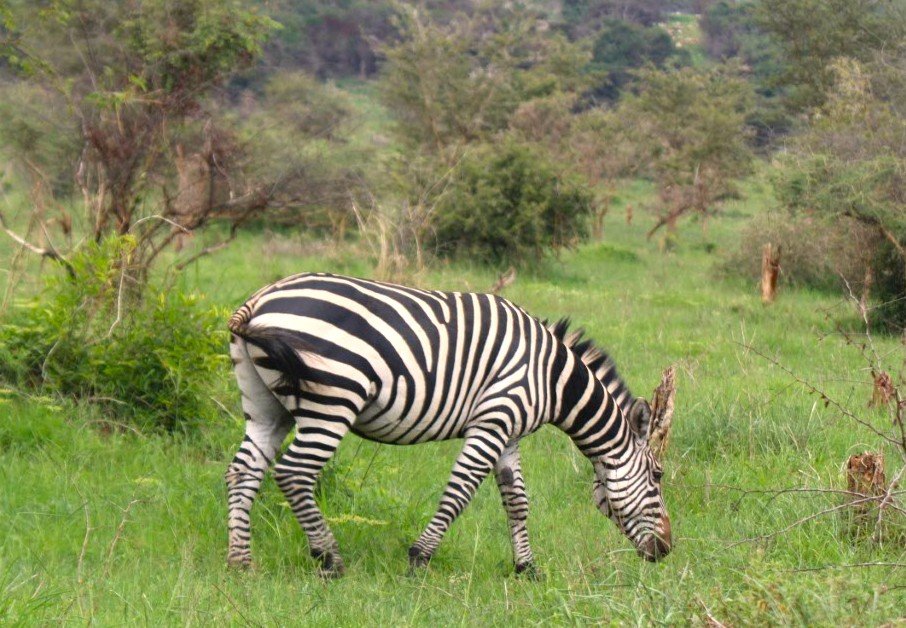
Why a Smart Lake Mburo Packing List Matters
Lake Mburo National Park sits in western Uganda, roughly four hours by road from Kampala. Zamunda Travels guides guests here all year, and the park always surprises first-time visitors. Its plains zebras, elands, impalas and Rothschild’s giraffes roam open savannah that alternates with woodland, rocky ridges, papyrus swamps and five lakes. Because this variety of habitats produces very different conditions in a single day, you need a thoughtful packing plan.
The park lies between about 1,220 and 1,830 metres above sea level, so the weather feels milder than the equator suggests. Daytime temperatures usually hover near 27°C, while nights and early mornings often drop to around 14°C. Rain also visits the park in two seasons, from March to May and again from September to November. As a result, Zamunda Travels tells every guest the same thing: pack for sunshine, dust, chill and sudden showers, all in one suitcase. Furthermore, you can do more here than drive. You can cruise the lake, walk with a ranger, cycle, ride a horse or join a night drive, and each activity asks for slightly different gear.
Your Complete Lake Mburo Packing List
Think of your bag in five parts: clothing, footwear, health items, equipment and documents. Zamunda Travels recommends soft-sided duffel bags rather than hard suitcases, because they fit more easily into a safari vehicle and a lodge tent. In addition, small light bags reduce weight on the road between Kampala and the park. Luggage limits also matter if you combine Lake Mburo with a flight to another destination, so check your airline’s allowance early. Most lodges offer laundry service, which means you can pack for three or four days even on a longer trip. Therefore, resist the urge to bring a different outfit for every day.
Clothing on the Lake Mburo Packing List
Neutral colours work best on safari. Khaki, olive, beige and soft brown help you blend into the landscape and stay less visible to wildlife. Avoid bright white, because dust ruins it within an hour. Avoid black and dark blue as well, since tsetse flies favour those colours and their bites hurt. Zamunda Travels advises you to pack lightweight long-sleeved shirts and long trousers made from breathable cotton or quick-dry fabric. These items protect your skin from the sun, thorny acacia branches and insects, while they keep you cooler than you might expect.
Layers make the difference at Lake Mburo. Morning game drives and boat cruises start in cool air, so bring a warm fleece or a light jacket for those early hours. Then, as the sun climbs, you can peel off layers and enjoy the warmth. Pack two or three short-sleeved T-shirts for the middle of the day, and add a warm sweater for the evening at camp. Nights can feel surprisingly chilly, especially after rain. Add a light waterproof jacket or poncho too, because even the dry months can produce an occasional shower. Finally, include comfortable sleepwear, underwear, and a swimsuit if your lodge has a pool.
Footwear and Accessories for Lake Mburo
Your feet deserve careful thought because a walking safari takes you across uneven ground. Sturdy, closed walking shoes or light hiking boots give you grip and protect your ankles from thorns. Break them in before you travel, since new shoes cause blisters quickly. Pair them with thick cotton or wool socks, and tuck your trousers into the socks during a bush walk to keep ticks and ants away. Bring a pair of sandals or flip-flops as well, so your feet can rest at the lodge in the evening.
Accessories protect you from the strong equatorial sun. A wide-brimmed hat or cap shades your face during long game drives. Sunglasses with UV protection reduce glare on the lake, and a buff or light scarf keeps dust out of your nose and mouth. Zamunda Travels also suggests a small daypack for water, snacks, a camera and a rain layer. Choose one with a comfortable strap, because you will carry it often.
Health Items for Your Lake Mburo Packing List
Health preparation matters more than any other part of your Lake Mburo packing list. Uganda requires proof of yellow fever vaccination for entry, and officials may ask for your certificate on arrival. Therefore, get the vaccine at least ten days before you fly, and keep the paper certificate in your hand luggage. Malaria also occurs across Uganda all year, so talk with a travel doctor about antimalarial tablets well before your trip. Take the tablets exactly as prescribed, and finish the full course after you return home.
Beyond vaccines and tablets, insect protection deserves a place in your bag. Pack a strong repellent that contains DEET or picaridin, and apply it at dawn and dusk when mosquitoes are most active. Bring high-SPF sunscreen and lip balm, because the sun feels stronger at altitude than most people expect. A small first-aid kit should hold plasters, antiseptic wipes, pain relief, rehydration salts, antihistamines and any personal prescription medicines. Zamunda Travels also encourages guests to carry hand sanitiser and a refillable water bottle. Lodges provide safe drinking water, so you can refill the bottle and reduce plastic waste. Lastly, buy comprehensive travel insurance that covers medical care and evacuation, since Lake Mburo lies a few hours from major hospitals.
Essential Safari Equipment and Gadgets
A good pair of binoculars turns an ordinary game drive into a memorable one. Lake Mburo offers superb birdwatching, and you can spot African fish eagles, pied kingfishers, herons and the shy African finfoot from the boat. Binoculars with 8x or 10x magnification suit most guests. Meanwhile, a camera with a zoom lens helps you photograph zebras and giraffes from a respectful distance. Bring spare batteries and extra memory cards, because you will take far more photos than you plan. Pack a power bank as well, since electricity at remote camps may switch off for part of the day.
A headlamp or small torch also earns its space in your bag. Night drives, guided night walks and evening trips to the dining area all become easier when you keep your hands free. Uganda uses the British-style three-pin plug, so a universal adaptor prevents frustration. Furthermore, a dust-proof bag or a simple zip-lock cover protects your electronics on bumpy roads. Add a small notebook and pen if you like to record sightings, and consider a field guide to East African mammals and birds. Guests often say the guide becomes their favourite souvenir.
Documents, Money and Small Extras
Keep your passport, visa, yellow fever certificate, insurance details and booking confirmations in one waterproof pouch. Make photocopies or digital backups as well, and store them separately from the originals. Carry some Ugandan shillings in small notes for tips, craft markets and snacks along the road, and keep your US dollars crisp and recent. Card payments work in Kampala and at larger lodges, but they may fail in remote areas. Park fees, activity fees and vehicle charges vary by nationality and change over time, so confirm current rates with Zamunda Travels or the Uganda Wildlife Authority before you travel.
A few small extras improve comfort. Pack wet wipes, tissues, a lightweight travel towel and a few zip-lock bags for wet clothes. Bring snacks such as nuts or energy bars for long drives. Add earplugs too, because hippos grunt and hyenas call near some camps at night. In addition, a small gift or notebook for local children and community members can help you connect warmly with the people you meet, although you should always ask your guide first about the best way to give.
Packing for Specific Activities and Seasons
Your activities shape your bag as much as the weather does. On a boat cruise, which normally lasts about two hours from the Rwonyo jetty, you want a windproof layer, sunscreen and a hat. A walking safari calls for closed shoes, long trousers and a water bottle, while a cycling safari benefits from padded shorts, gloves and a helmet if you prefer your own. Horseback riders at Mihingo Lodge should pack long trousers, a comfortable pair of riding boots or sturdy shoes, and a light jacket for the early ride. Night drives need warm clothing above all, because the air cools quickly after sunset.
The season also changes your choices. During the dry months of June to August and January to February, dust becomes your main enemy, so bring a scarf and eye drops. In the wet months, red mud and slippery tracks demand grippy shoes, a waterproof jacket and a dry bag for your electronics. Either way, Zamunda Travels prepares each vehicle with drinking water and a first-aid kit, but personal items always remain your responsibility.
Final Lake Mburo Packing List Checklist
Before you zip your bag, run through this final Lake Mburo packing list in your head. Confirm that you have neutral, layered clothing, sturdy shoes, a hat and sunglasses. Check your yellow fever certificate, antimalarial tablets, repellent and sunscreen. Then add binoculars, a camera, a power bank, a torch and a universal adaptor. Finally, gather your documents, insurance details and some local cash. If you feel unsure about any item, ask Zamunda Travels before you leave.
Lake Mburo rewards travellers who prepare well, because comfort lets you focus on the zebras crossing the road at sunrise and the hippos calling across the lake at dusk. Zamunda Travels designs each safari to keep you relaxed, informed and close to nature, and this packing guide handles the rest. Contact Zamunda Travels today to book your Lake Mburo safari and receive a personalised packing list for your travel dates.