Lake Mburo National Park Animals
September 24, 2026
What to Pack for a Lake Mburo Safari
September 24, 2026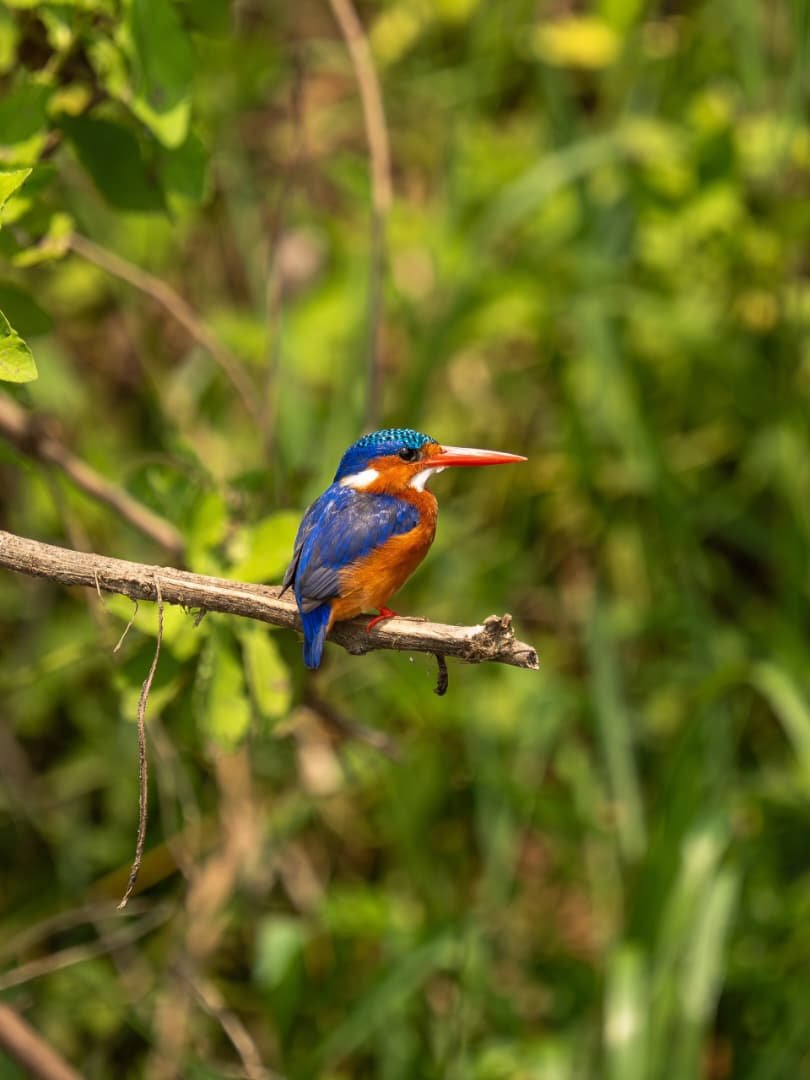
Birdwatching in Lake Mburo National Park rewards every traveller who arrives with binoculars and a little patience. This compact savannah reserve in western Uganda protects a patchwork of acacia woodland, open grassland, papyrus swamp, and shimmering lakes. Because these habitats sit close together, the park hosts more than 350 bird species within a small area. Zamunda Travels designs birding safaris here for beginners and seasoned listers alike. Our guides know the trails, the calls, and the best light for photography. This guide explains where to look, when to travel, and how to prepare.
Why Birdwatching in Lake Mburo Stands Out
Lake Mburo National Park covers about 370 square kilometres, yet it offers remarkable variety. The park contains several lakes, and Lake Mburo itself is the largest. Wetlands fringe these waters, while dry acacia bush covers the ridges. Each habitat attracts its own set of birds. As a result, you can tick off woodland specialists in the morning and waterbirds by afternoon. Many visitors also enjoy the relaxed pace here. Zebras, impalas, and elands graze beside the tracks, so every birding session doubles as a wildlife drive. Zamunda Travels builds itineraries around this flexibility, which keeps your days full without feeling rushed.
The park also fills a gap in most Uganda itineraries. Travellers often chase forest birds in the south-west or wetland birds around Entebbe. However, Lake Mburo delivers dry-country species that you rarely meet elsewhere in the country. Its location on the road between Kampala and the western parks makes it an easy stop. Therefore, Zamunda Travels often recommends it as a first or last night on a longer safari.
Star Birds to Search For
The African finfoot leads most wish lists. This shy, secretive waterbird hides along shaded lake edges, and a slow boat ride gives you the best chance of a sighting. The red-faced barbet is another highlight. Uganda offers few places to find it, and Lake Mburo remains one of the most reliable. Look for it in the acacia trees near the camps. You should also watch for the brown parrot, the bare-faced go-away-bird, and the Nubian woodpecker. These birds favour the dry woodland and thrive along the walking trails.
Raptors add drama to the skies. African fish eagles perch above the water and announce themselves with a loud, ringing call. Meanwhile, martial eagles and brown snake eagles patrol the open ground. Down in the grass, crested francolins and black-bellied bustards move with quiet confidence. In the papyrus, the papyrus gonolek flashes red and black before it vanishes into the stems. Rarer visitors sometimes appear too. Guides occasionally report the shoebill in the swamps, although sightings are not guaranteed. Zamunda Travels advises guests to treat that possibility as a bonus rather than a promise.
Best Places for Birdwatching in Lake Mburo
The Rwonyo area forms the heart of the park. Here you find the headquarters, the main camp, and the boat landing. Trails around Rwonyo pass through open acacia country, so you can spot barbets, hornbills, and woodpeckers within minutes of leaving your tent. Next, consider the Miriti and Rubanga areas. Miriti hosts the park’s best wetland habitat, and Rubanga protects a pocket of forest that attracts species you will not see on the plains. Meanwhile, the Kazuma Lookout gives wide views over the savannah, which helps when you scan for raptors.
The lake shoreline deserves plenty of time as well. Herons, storks, kingfishers, and cormorants gather along the edges. Pied kingfishers hover and dive, while hamerkops build their enormous nests in the trees. Zamunda Travels schedules waterside stops during the calmest hours of the day, when the birds feed actively and the light flatters your photographs.
Guided Walks and Boat Trips for Birdwatching in Lake Mburo
Lake Mburo allows visitors to explore on foot, and this freedom makes the park special for birders. Rangers from the Uganda Wildlife Authority accompany every walking group, so you stay safe while you focus on the trees. Walking slows the pace and sharpens your senses. You hear calls that a vehicle would drown out, and you notice movement in the understorey. Early morning walks work best because birds sing loudly and feed actively before the heat rises. Zamunda Travels pairs each guest with a guide who understands bird calls and behaviour.
A boat trip on Lake Mburo offers a completely different view. The launch drifts quietly along the shoreline, and the engine noise stays low. Consequently, shy birds such as the African finfoot remain calm. You also get close to fish eagles, malachite kingfishers, and jacanas. Hippos, crocodiles, and buffalo often appear on the banks as well. Most trips last around two hours, and the late afternoon slot delivers golden light. Zamunda Travels books these cruises in advance so that your group never waits at the jetty.
The Best Time for Birdwatching in Lake Mburo
You can watch birds here throughout the year, but the seasons shape your experience. The dry months, from June to August and from December to February, make roads easier and grass shorter. Birds gather near water, so sightings become more predictable. In contrast, the wet months bring lush scenery and breeding activity. Migratory species also arrive between November and April, which raises the species count considerably. Therefore, keen listers often favour the rainy season, while photographers prefer the dry months for clearer views. Zamunda Travels helps you choose the right window based on your priorities.
Practical Tips from Zamunda Travels
Pack light, neutral clothing that blends into the landscape. Bring binoculars with good magnification, a field guide, and a camera with a long lens. A wide-brimmed hat and sunscreen protect you from the equatorial sun. Sturdy shoes matter on the walking trails. Additionally, carry insect repellent and a refillable water bottle. Start each day early, because the best activity happens in the first three hours after sunrise. Keep your voice low and move slowly. Above all, follow your guide’s instructions and never approach nesting birds.
Lake Mburo sits roughly four to five hours by road from Kampala, and the journey passes through Masaka and Mbarara. Accommodation ranges from simple tented camps to comfortable lodges, so every budget finds a suitable base. Zamunda Travels arranges transport, permits, lodging, and guides in a single package. We also combine this park with gorilla trekking, Queen Elizabeth National Park, or Bwindi. Consequently, you can build a complete Uganda birding circuit with one trusted operator.
Plan Your Birding Safari with Zamunda Travels
Lake Mburo proves that a small park can deliver an enormous birding experience. Its habitats sit close together, its trails welcome walkers, and its lake offers unforgettable boat rides. Zamunda Travels handles every detail so that you can concentrate on the birds. Contact our team today to plan your trip, and discover why birdwatching in Lake Mburo belongs on every Ugandan safari.