Wildlife in Mgahinga Gorilla National Park
September 29, 2026
Batwa Cultural Experience Near Mgahinga
September 29, 2026
Bird watching in Mgahinga surprises many travelers who arrive expecting only gorillas. Zamunda Travels encourages every guest to look beyond the primates, because this small park in southwestern Uganda hides an impressive bird list. Mgahinga Gorilla National Park covers a compact slice of the Virunga range in Kisoro District, right beside the borders with Rwanda and the Democratic Republic of the Congo. Although it is Uganda’s smallest national park, it protects bamboo thickets, montane forest and Afro-alpine moorland within a few kilometres. Consequently, birders can tick off very different species in a single morning. In this guide, Zamunda Travels explains what you can see, where to walk, when to travel and how to prepare.
Why Bird Watching in Mgahinga Deserves a Place on Your Itinerary
Bird watching in Mgahinga rewards travelers because the park packs several habitats into a very small space. Authorities gazetted the area as a national park in 1991 to protect mountain gorillas, yet the same forests shelter a rich community of birds. Sources differ on the exact checklist. Many report more than 180 recorded species, including 14 Albertine Rift endemics, while other sources quote roughly 250 species and 17 endemics. These endemics live only in the mountain forests along the western arm of the Great Rift Valley, so serious birders travel far to find them. Zamunda Travels places Mgahinga on birding routes because it delivers a high-value day without long drives between sites. Moreover, the scenery adds real drama. Mount Muhavura rises to 4,127 metres and Mount Gahinga reaches 3,474 metres, while Mount Sabyinyo stands at roughly 3,650 metres. Together, these volcanoes turn every pause for binoculars into a memorable photograph.
The Volcano Habitats That Shape the Birdlife
Altitude drives everything you see in this park. The lower slopes near the entrance hold farmland edges and scrub, where common species such as the African paradise flycatcher and the yellow-vented bulbul appear early in the day. Higher up, dense bamboo takes over, and the air turns noticeably cooler. Beyond the bamboo, montane forest with mossy trunks and tangled undergrowth shelters the shy specialists. Finally, the highest elevations open into Afro-alpine moorland, where birders look out for the spectacular scarlet-tufted malachite sunbird on mountain hikes. Average daytime temperatures reach only about 17°C, and rain can arrive at any moment. Because each zone hosts different species, guides usually plan a route that climbs gradually and samples several habitats.
Albertine Rift Endemics to Look For
Albertine Rift endemics form the heart of the park’s appeal, and Mgahinga hosts several that are hard to find elsewhere. Each species below has its own habits, so knowing them helps you spot them faster.
Rwenzori Turaco and Rwenzori Batis
The Rwenzori turaco usually steals the show first. This colourful bird flashes large crimson wing patches in flight and bounces through the trees. Guides often find pairs or small groups along the bamboo trail. Meanwhile, the Rwenzori batis prefers the gorge. It shows a broad black chest band and a white slash across the wing, which makes identification easy. Males show yellow eyes, whereas females show orange ones. Additionally, the regal sunbird, the dusky crimsonwing and the handsome francolin appear on many checklists for the park.
Forest Floor and Canopy Specials
Beyond these headliners, the shy Kivu ground thrush forages for insects among the leaf litter in quiet corners of the forest. Archer’s robin-chat, another endemic, rewards patient listening near dense undergrowth. In the canopy, the collared apalis flits about in pairs or small groups, while the black-faced apalis often reveals itself through loud calls before you see it. You should also watch for the olive pigeon, the black-headed waxbill and the white-necked raven, which soars over the peaks. As a result, even a slow morning delivers a lively list.
Best Trails for Bird Watching in Mgahinga
Your choice of trail shapes your day, so bird watching in Mgahinga works best with a Uganda Wildlife Authority guide. Visitors register at the Ntebeko Visitor Center and meet an experienced guide there. Guides recognise calls, know where the endemics feed, and read the forest far better than visitors can. Zamunda Travels arranges these guides in advance so that you start on time.
Sabyinyo Gorge: The Core of Bird Watching in Mgahinga
The Sabyinyo Gorge trail is the park’s best-known birding route. Birding here follows a trail of about six kilometres, and the walk takes five to six hours. The path begins in bamboo and then enters deeper forest. Ridges and bridges ease the passage over streams. Along the way, birders can hunt for the Ruwenzori turaco, Archer’s robin-chat, the Kivu ground thrush, the strange weaver and the regal sunbird. In addition, the trail rewards walkers with views over the Virunga volcanoes. Because the walk is demanding, carry water, wear sturdy boots and keep snacks handy.
Bamboo, Buffalo Wall and Border Trails
Shorter options suit travelers with less time or energy. The bamboo, Buffalo Wall and border trails offer species such as the paradise flycatcher, yellow-vented bulbul, Doherty’s bush-shrike and western tinkerbird. However, shorter bird walks are less productive than the gorge. Therefore, keen birders should treat them as warm-ups rather than replacements. Mountain hikes on Sabyinyo, Gahinga or Muhavura also open the door to Afro-alpine species. Still, they demand a full day and good fitness.
The Best Time for Bird Watching in Mgahinga
Mgahinga has no true dry season, yet birding stays good all year. Some sources rate April to mid-May and October to November as the best months, with migratory birds present from November to April. Others recommend the drier stretches instead. June to September and December to February bring less muddy trails. Therefore, you can choose between easier walking and peak bird activity. The wet seasons run from February to May and September to November, so pack warm, waterproof layers in any month. Early mornings deliver the best activity in every season, and guides normally start at dawn. Zamunda Travels helps travelers weigh these trade-offs and sets dates that match their priorities.
What to Pack for Bird Watching in Mgahinga
Bird watching in Mgahinga demands careful packing because the weather changes quickly. Bring a waterproof jacket, warm layers, long trousers and sturdy hiking boots. In addition, pack binoculars with good magnification, a field guide or bird app, insect repellent and a waterproof daypack. Carry plenty of drinking water and energy snacks, since the gorge walk lasts for hours. A walking stick helps on slippery slopes. Moreover, a camera with a long lens captures shy birds from a respectful distance. Above all, move quietly and follow your guide’s instructions, because loud groups scare the forest birds away.
Combining Birding with Gorillas and Golden Monkeys
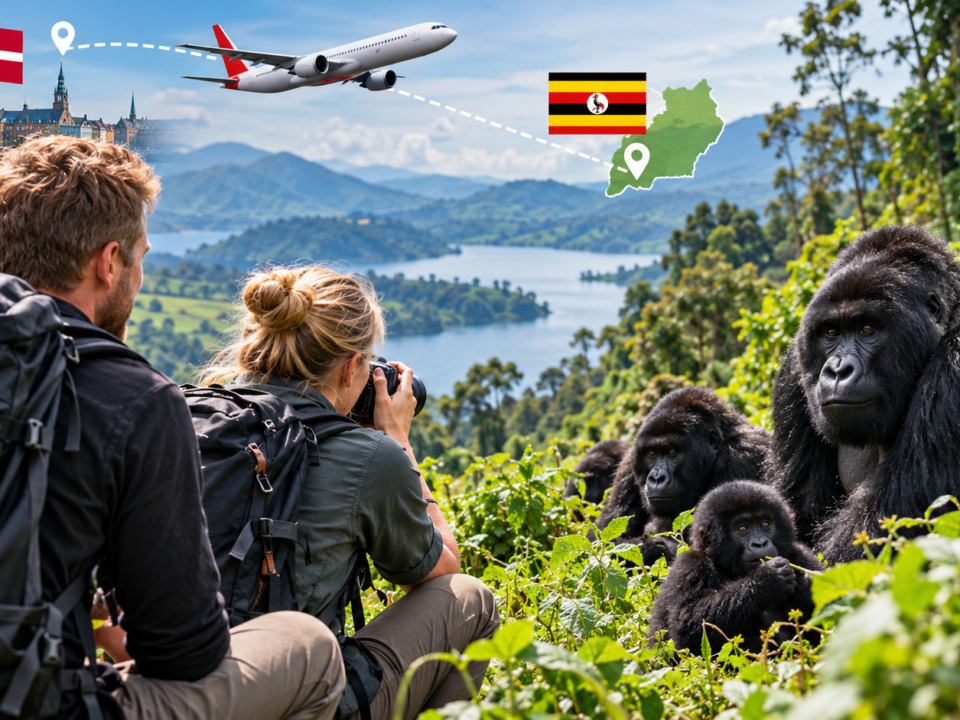
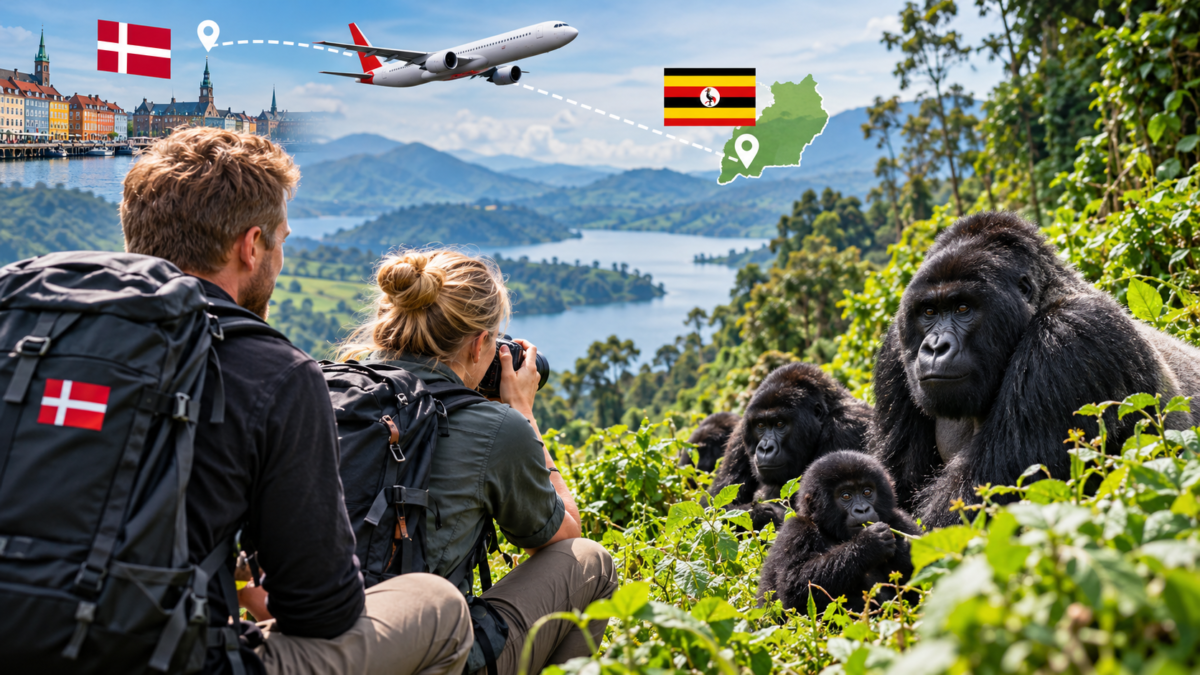
Mgahinga offers far more than birds, so Zamunda Travels often combines birding with other activities. Gorilla trekking remains the headline attraction, and one habituated gorilla group lives in the park. Golden monkey tracking makes a popular second activity. This endemic monkey inhabits the bamboo forests of the Virunga Mountains, where the Rwenzori turaco also lives. Furthermore, golden monkey permits are easier to obtain at short notice than gorilla permits. Cultural visits with the Batwa, the forest’s first people, add another layer to the trip. Consequently, a three-day itinerary might pair a birding day on the gorge with a gorilla trek and a golden monkey walk. Because the park is small, transfers between activities stay short.
Book Your Birding Safari with Zamunda Travels
Zamunda Travels handles the details so you can focus on the birds. Our team arranges permits and guides, books lodges near Kisoro, and organises transport from Kampala or Entebbe. The park lies about 14 kilometres from Kisoro, a drive of 30 to 40 minutes. Consequently, you can start walking soon after breakfast. Contact Zamunda Travels today to plan bird watching in Mgahinga, and confirm current fees and availability with the park authorities before you travel. Your first sighting of a Rwenzori turaco will make the whole journey worthwhile.