Gorilla Trekking Age Limit in Uganda
September 30, 2026
Bwindi Gorilla Trekking for First-Time Visitors
September 30, 2026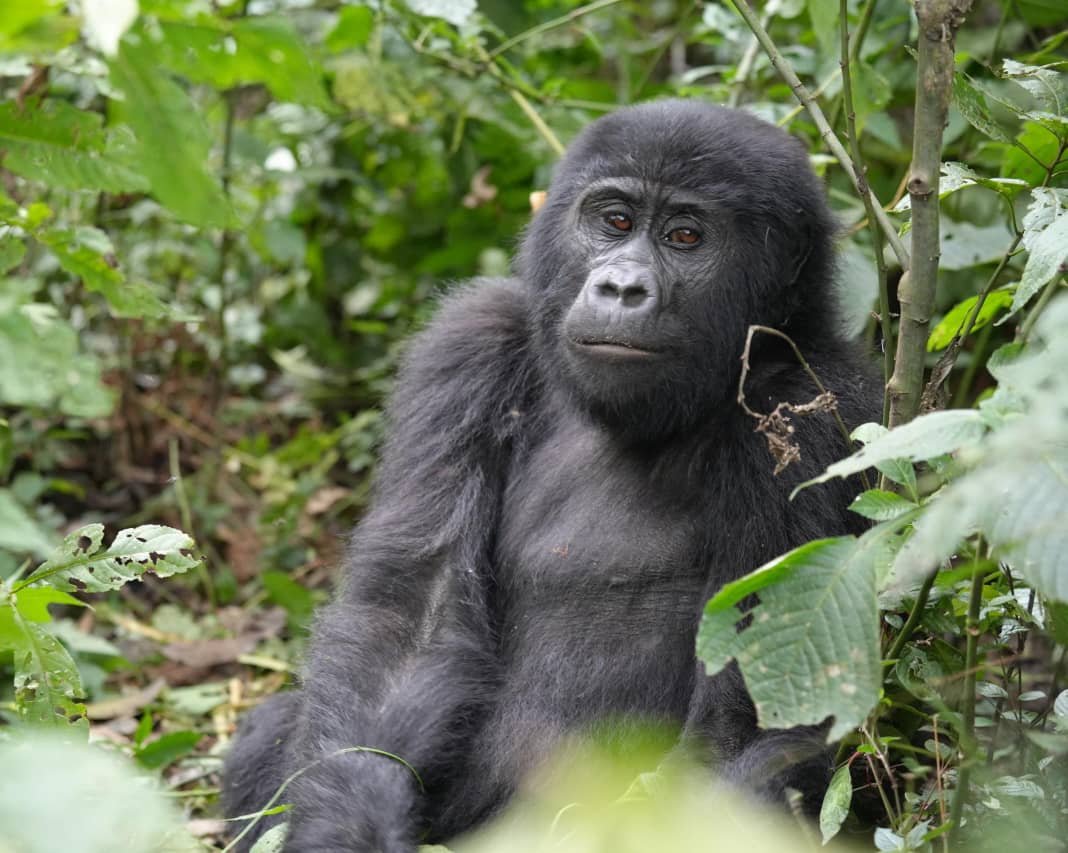
Is gorilla trekking in Bwindi worth it? Many travelers ask this question before they book, because the trip demands money, effort, and careful planning. At Zamunda Travels, we have watched hundreds of guests step out of the forest with muddy boots and wide smiles, so we can answer with confidence. In short, most visitors call it the highlight of their African journey. However, the honest answer depends on your budget, your fitness, and your expectations. This guide explains the costs, the physical challenge, the wildlife, and the conservation impact. As a result, you can decide whether the trek suits you.
What Makes Gorilla Trekking in Bwindi So Special?
Bwindi Impenetrable National Park protects one of the oldest and richest rainforests in Africa. UNESCO named it a World Heritage Site in 1994, and the forest climbs from roughly 1,160 to 2,600 meters above sea level. Uganda’s wildlife authority reports that the Bwindi gorilla population grew from 302 individuals in 2005 to 459 in 2019. Together with the Virunga Massif, Bwindi shelters more than half of all mountain gorillas alive today. Because these apes live nowhere else on earth, gorilla trekking in Bwindi offers a truly rare encounter. In 2018, the IUCN moved the species from “Critically Endangered” to “Endangered,” which shows that conservation efforts work.
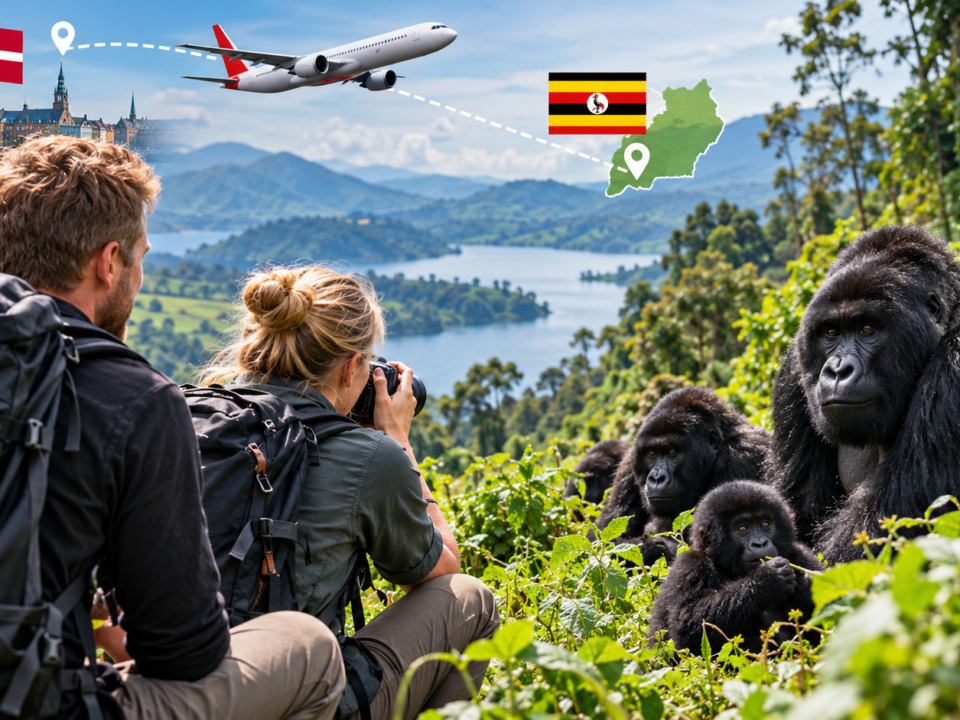
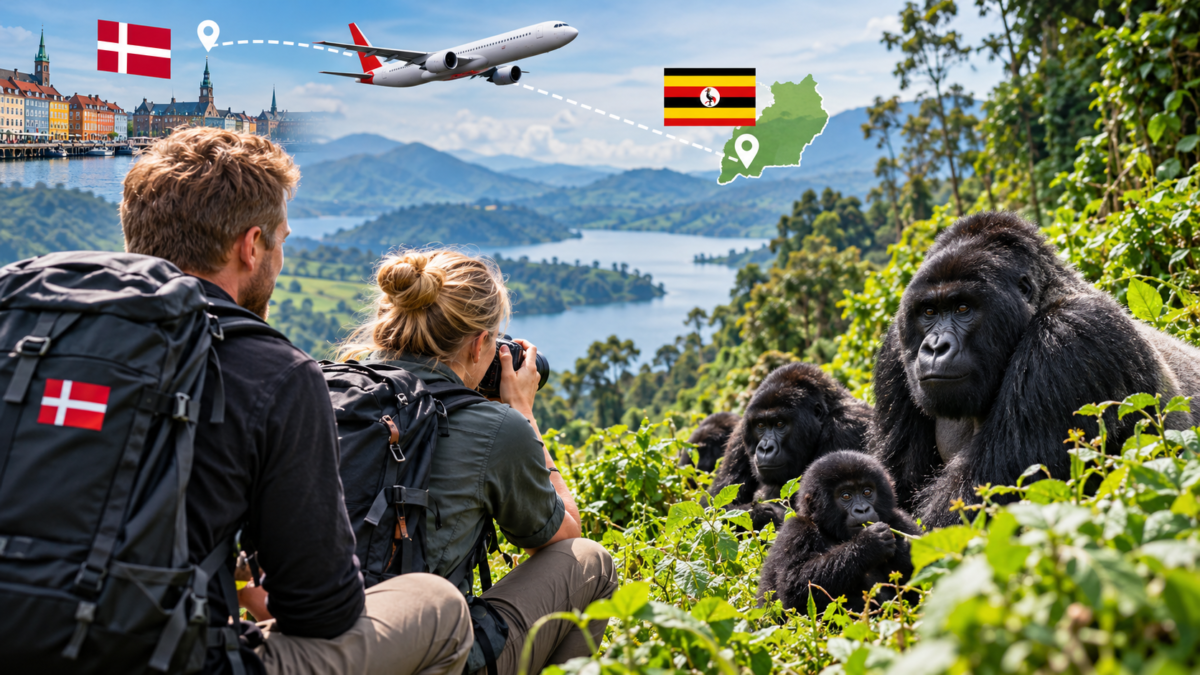
The experience itself feels different from a typical safari drive. Instead of watching animals from a vehicle, you walk into their home. Rangers lead small groups through dense vegetation, and trackers head out earlier to locate the family. When the trackers signal that the gorillas are near, you leave your bags behind and move quietly ahead. Suddenly, a silverback appears a few meters away, and the forest falls silent. Guests often tell the team at Zamunda Travels that they forgot to take photos during the first minutes because they simply stared. Moreover, each gorilla family has its own personality, so no two treks feel the same.
How Much Does Gorilla Trekking in Bwindi Cost?
Price is the biggest hurdle for most travelers, so let us address it directly. The Uganda Wildlife Authority raised the permit fee for foreign non-residents from $700 to $800 in July 2025. Foreign residents pay $700, citizens of other African countries pay $500, and East African citizens pay UGX 300,000. Several operators also report a 2026 discount for trekking in April, May, and November, when non-residents pay $600. Because tariffs change, Zamunda Travels always confirms current rates with the authority before we quote a client. Uganda remains far cheaper than Rwanda, where a permit costs $1,500.
What the Permit Includes
Your permit covers park entry on the trek day, an armed ranger guide, trackers, and one hour with a habituated gorilla family. Authorities issue about 176 standard permits each day across Bwindi and Mgahinga, so popular dates sell out quickly. Foreign visitors must now book through a licensed Ugandan tour operator, and full payment is required at the time of booking. Standby permits no longer exist, which means you cannot arrive and hope for a spot. For that reason, Zamunda Travels advises clients to reserve three to six months ahead, especially for June to September and December to February.
Extra Costs to Budget For
The permit is only part of the bill. You also need to pay for lodging, meals, transport from Entebbe or Kigali, and tips for rangers and porters. Local porters carry your daypack and give you a steady hand on slippery slopes, and their small fee supports families in the villages around the park. Additionally, you should budget for gear such as gaiters, gloves, and a rain jacket if you do not own them. A well-planned trip through Zamunda Travels bundles these items so that no surprise charges appear at the end. Overall, the total cost is high, but the value per hour spent with the gorillas remains difficult to match.
How Hard Is the Trek in Bwindi?
Fitness matters, and honesty helps here. Treks last anywhere from one hour to eight hours, depending on where the gorillas slept the night before. The terrain is steep, muddy, and often wet, since the forest sits in a high-rainfall zone. Nevertheless, rangers assign families according to ability, so older travelers and beginners can request an easier group. Porters, walking sticks, and slow, steady pacing make a big difference. Zamunda Travels always asks about health and mobility during booking so that we can request the right sector and family for each guest.
The park offers four trekking sectors: Buhoma, Ruhija, Rushaga, and Nkuringo. Buhoma in the north is the classic starting point, with a well-developed trail network and many lodges. Ruhija sits at a higher elevation and rewards visitors with excellent birdlife, while Rushaga in the south hosts the largest number of gorilla families. Nkuringo has dramatic views but demands the toughest climbs. Therefore, your choice of sector shapes both your comfort and your experience. Our team at Zamunda Travels matches each traveler to a sector after discussing fitness levels, travel dates, and budget.
What Do You Really See During the Hour?
Rules protect both you and the gorillas. Visitors must be at least 15 years old, and groups contain no more than eight people per gorilla family. You keep a distance of about seven meters, wear a mask, and stay away if you feel ill, because gorillas catch human respiratory infections easily. You also avoid eating, pointing, or flash photography near the animals. While these rules may sound strict, they keep the experience safe and the family relaxed. In return, gorillas often ignore the humans completely and go on feeding, grooming, and playing.
The hour passes quickly. Juveniles wrestle and tumble through the branches, mothers cradle infants, and the silverback watches over everyone with calm authority. Sometimes a young gorilla wanders close enough that the ranger has to steer you back gently. Because the forest is thick, the light is dim and the sounds are soft, which adds to the sense of intimacy. Most guests describe the moment as emotional rather than merely exciting. Consequently, the memory tends to outlast every other item on a Uganda itinerary.
Does Gorilla Trekking in Bwindi Help Conservation?
Yes, and this point strongly supports the case for going. Permit income funds park protection, anti-poaching patrols, and veterinary care. A portion of tourism revenue also flows to communities around the park, where it supports schools, clinics, and road improvements. When local people benefit from living gorillas, they gain a strong reason to protect the forest. Furthermore, the Batwa, the forest’s original inhabitants, now share their culture with visitors and earn income through guided community experiences. Zamunda Travels includes Batwa and village visits in many itineraries because they deepen the trip and spread the benefits further.
Your visit also helps the gorillas indirectly. Regular tourism keeps rangers on patrol and keeps the world’s attention on the species. Even so, the animals remain vulnerable to disease, snares, and habitat loss, so responsible behavior matters. Following the rules, choosing ethical operators, and respecting the forest all support long-term survival. In this sense, gorilla trekking in Bwindi pays back far more than it takes.
Who Might Not Enjoy It?
Not everyone will love the trip. If you dislike mud, rain, or long walks, the trek may feel like hard work. Similarly, travelers who want guaranteed close-up photographs may feel frustrated, since the forest is dark and the animals move freely. Children under 15 cannot join, so families with young kids need a different plan. Nonetheless, Zamunda Travels can suggest alternatives such as chimpanzee tracking in Kibale, boat safaris at Queen Elizabeth National Park, or the Batwa cultural trail near Bwindi. Being clear about your priorities before booking saves money and prevents disappointment.
Timing also shapes the experience. The drier months of June to August and December to February bring firmer trails and clearer views. The wetter months of March to May and September to November mean fewer crowds, lush scenery, and, in some cases, lower permit prices. Rain does not stop treks, but it does make the slopes slippery. As a result, pack a waterproof jacket in every season.
Our Final Verdict: Is It Worth the Trek?
For most travelers, the answer is a clear yes. You pay a premium, and you work for it, but you gain an hour that feels unlike any other wildlife encounter. The rarity of the animals, the beauty of the forest, and the direct link to conservation all add value. Compared with permit prices elsewhere, Uganda also offers a strong return. Above all, the experience leaves people with a deeper respect for the natural world.
If you want to see it for yourself, Zamunda Travels will handle the permits, lodges, transport, and guides from start to finish. Contact our team today to check permit availability for your dates and to build a Bwindi itinerary that fits your pace and budget.