Things to Do in Bwindi Impenetrable National Park
September 29, 2026
How Much Does Gorilla Trekking in Bwindi Cost?
September 29, 2026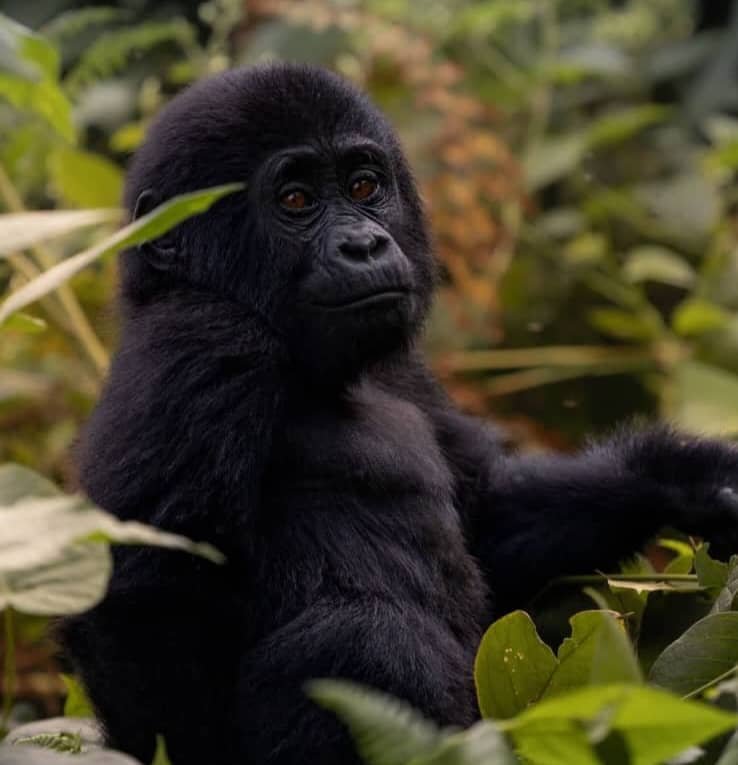
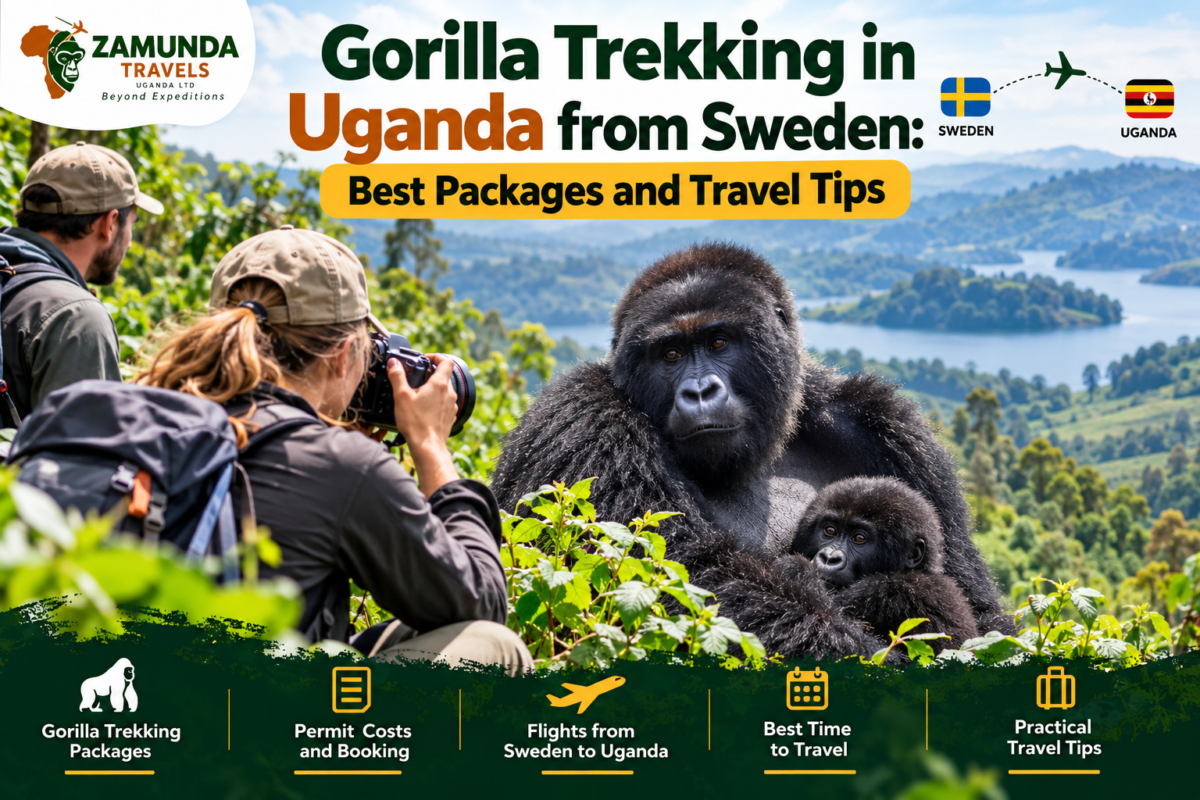
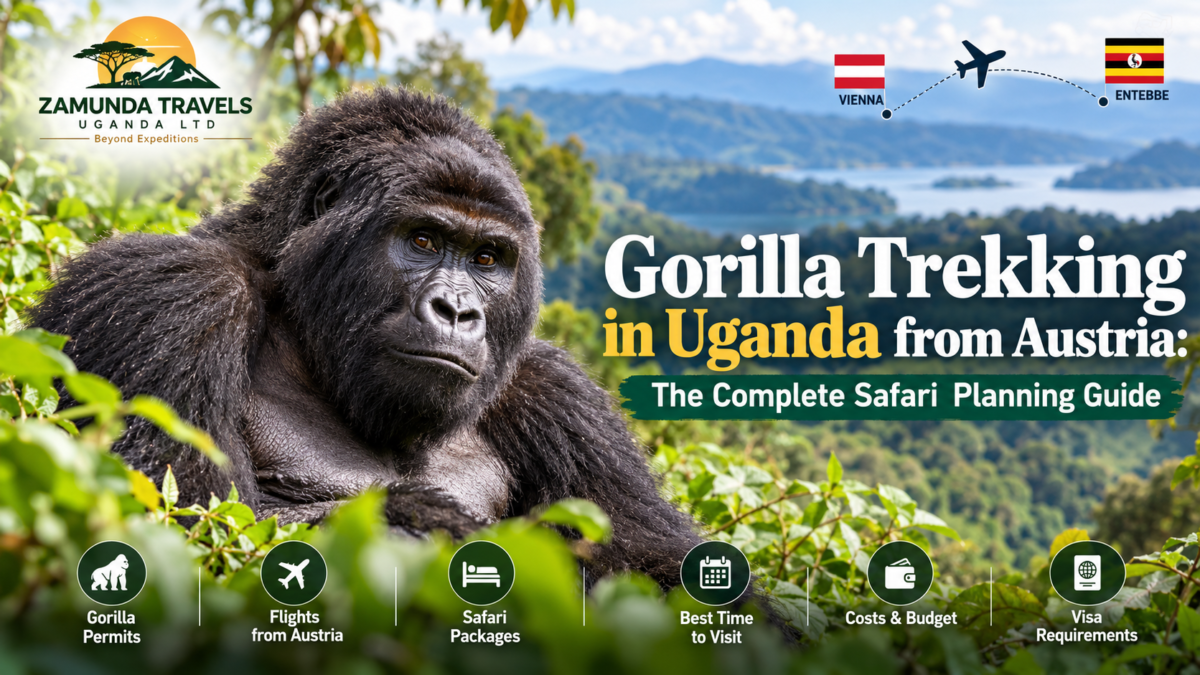
Gorilla trekking in Bwindi is one of the most powerful wildlife experiences on Earth. You hike into an ancient rainforest in southwestern Uganda, and you spend one hour beside wild mountain gorillas. Zamunda Travels has guided guests to these forest giants for years, and we still see the same reaction every time. Visitors go quiet, then they smile, and then many of them cry. This guide explains everything you need to know before you go. It covers the park, the four trekking sectors, permits, the best time to visit, and the practical steps that make your trek smooth.
Why Bwindi Impenetrable National Park Matters
Bwindi Impenetrable National Park covers about 331 square kilometers of misty, mountainous rainforest. The terrain rises from roughly 1,160 meters to more than 2,600 meters above sea level. Uganda protected the forest as a national park in 1991, and UNESCO named it a World Heritage Site in 1994. The forest is far older than most other tropical forests in Africa. It survived the ice ages, so scientists rank it among the richest ecosystems on the continent. Bwindi shelters about 120 mammal species, more than 350 bird species, and hundreds of tree and butterfly species. However, its greatest treasure is the mountain gorilla. More than 450 of these apes live in Bwindi, which means the park holds nearly half of the world’s remaining mountain gorillas. The International Union for Conservation of Nature once listed the species as critically endangered. Thanks to strong protection and tourism income, it now sits in the endangered category. Zamunda Travels believes that every responsible visit supports this recovery, because permit fees pay for rangers, veterinary care, and community projects around the park.
Four Sectors for Gorilla Trekking in Bwindi
Bwindi has four trekking sectors, and each one offers a different experience. Buhoma lies in the north and serves as the classic starting point. Rangers opened the Mubare family there in 1993, so Buhoma holds a special place in Uganda’s tourism history. Guests also enjoy the nearby waterfall walk and the village trails. Ruhija sits in the east at a higher altitude, so the air feels cooler and the forest looks greener. Bird lovers favor this sector, since it hosts many Albertine Rift endemic species. Rushaga lies in the south and holds the largest number of habituated gorilla families. Consequently, it offers the best choice of trek difficulty and the widest selection of permit dates. Nkuringo, also in the south, offers dramatic ridgelines and sweeping views toward the Virunga volcanoes. Its treks can be steep, but many guests call them the most scenic. Uganda currently has around twenty habituated gorilla families across these sectors. Zamunda Travels matches each guest to the right sector based on fitness, budget, and travel dates. In addition, we consider your lodge location, because a well-chosen base can save hours of driving on rough roads.
Permit Costs for Gorilla Trekking in Bwindi
The Uganda Wildlife Authority sets and issues every gorilla permit. In 2026, a standard permit costs USD 800 per person for foreign non-residents. It covers park entry on the trek day, ranger guides, and one hour with a gorilla family. Several operators report a reduced low-season rate of USD 600 for April, May, and November. Since tariffs change, Zamunda Travels confirms the current price with the authority before we quote your trip. Visitors must be at least 15 years old to trek. A gorilla habituation experience costs more, at USD 1,500 for foreign non-residents. It lets you stay with a semi-habituated family for up to four hours, and it takes place only in Bwindi. Permits sell out early, so you should book several months ahead for the peak months. Rangers never sell permits at the park gate. Therefore, you need to secure your date through a licensed operator such as Zamunda Travels well before you travel. Full payment is now required at booking, and the authority has removed the old temporary reservation hold.
What Happens on a Trek Day
Your day begins early with a briefing at the park headquarters of your sector. Rangers divide visitors into groups of no more than eight people, and they assign each group to one gorilla family. Guides then explain the rules and the route. Trackers leave earlier in the morning, and they radio the gorillas’ location back to your guide. The hike itself lasts anywhere from one hour to about eight hours, since gorillas move freely through the forest. The trails are steep, muddy, and often unmarked. Once you find the family, you spend one hour in their company. Silverbacks weigh up to 200 kilograms, yet they usually behave calmly around people. Mothers carry babies, juveniles wrestle in the undergrowth, and the dominant male watches everything. Rangers ask you to stay about seven meters away, and they ask you to keep your voice low. You may not eat near the gorillas. If you feel sick, you must tell your guide, because gorillas catch human illnesses easily. Because of these rules, the animals stay healthy and the encounters stay peaceful. Afterward, you return to the trailhead, and many lodges and communities welcome you with traditional dance.
Best Time for Gorilla Trekking in Bwindi
You can trek in Bwindi all year, but the seasons change the experience. The dry months from June to September and from December to February offer firmer trails and clearer views. Photographers particularly like these months, since the light stays bright and the forest floor stays less slippery. The wet months, especially March to May and October to November, bring heavy rain. Trails turn muddy and hikes feel harder. On the other hand, the forest looks lush, the crowds thin out, and lodges often lower their rates. Gorillas also stay at lower elevations during the rains, because fruit and leaves grow abundantly there. As a result, some treks end faster in the wet season. Zamunda Travels tells guests to choose dates by budget and comfort, not by fear of rain. In any season, expect sudden showers in the rainforest, so pack for wet weather.
Where to Stay in Bwindi Impenetrable National Park
Bwindi has a wide range of accommodation options near all four gorilla trekking sectors. Your lodge should match your trekking sector because driving between sectors can take several hours. Buhoma has options ranging from luxury lodges to comfortable mid-range and budget stays, making it ideal for travellers trekking in the northern sector. Ruhija offers peaceful forest and mountain surroundings, with several lodges close to the trekking starting point. Rushaga has a growing selection of accommodation and is convenient for travellers planning gorilla trekking or habituation experiences in southern Bwindi. Nkuringo is known for scenic lodges with beautiful views toward the Virunga volcanoes and is a good base for trekkers who enjoy mountain scenery. Zamunda Travels carefully selects accommodation based on your trekking sector, budget, travel dates, and preferred level of comfort. Staying close to your briefing point means you can avoid long early-morning drives and start your gorilla trekking experience relaxed and ready.
How to Prepare and What to Pack
Good preparation makes gorilla trekking in Bwindi far more enjoyable. First, build your fitness with walks, stair climbs, and hill hikes in the weeks before you travel. Next, hire a porter at the trailhead. Porters carry your bag, offer a steady hand on steep slopes, and earn income for their families, so this small cost supports the community directly. Wear sturdy waterproof hiking boots with good grip, and choose long trousers and long sleeves to protect against nettles and insects. Gardening gloves help you grab branches, while gaiters keep mud out of your boots. Bring a light rain jacket, insect repellent, sunscreen, and a hat. Carry a refillable water bottle and a packed lunch, and keep your camera in a waterproof bag. Photographers should switch off the flash, since flash disturbs the animals. Finally, bring warm layers for early mornings, because the highlands turn chilly before sunrise.
How to Reach Bwindi
Most guests travel from Kampala or Entebbe. The road journey takes about eight to ten hours, depending on the sector and the traffic. The drive crosses beautiful countryside, and Zamunda Travels often adds stops at the equator, Lake Mburo National Park, or Queen Elizabeth National Park. Alternatively, you can fly from Entebbe or Kajjansi to a nearby airstrip such as Kihihi or Kisoro. Flying cuts the trip to about ninety minutes, so it suits guests with limited time. Travelers from Rwanda can cross the border near Kisoro or Cyanika, and the drive from Kigali to the southern sectors takes roughly five to six hours. Either way, the final stretch runs along hilly dirt roads, so a sturdy four-wheel-drive vehicle is essential. Zamunda Travels provides safari vehicles with experienced driver-guides who know these roads well.
Start Gorilla Trekking in Bwindi with Zamunda Travels
Gorilla trekking in Bwindi rewards you with memories that last a lifetime. Planning, however, needs care, because permits, sectors, seasons, and lodges all affect one another. Zamunda Travels handles each of these details for you. Our team secures your permit, arranges your lodge, plans your transport, and supports you from arrival to departure. We also build combined itineraries that pair gorillas with savannah wildlife, boat safaris, and cultural visits. Contact Zamunda Travels today, share your dates, and let us design your Bwindi adventure. The forest and its gorillas are waiting for you.