Tanzania Family Safari
October 8, 2026
How Much Does a Kenya Safari Cost?
October 8, 2026
Kenya is one of Africa’s leading safari destinations. It offers wildlife, landscapes, beaches, culture, and excellent year-round travel opportunities. However, the experience can change from one month to another. Rainfall, wildlife movement, road conditions, visitor numbers, and accommodation prices can all affect your safari.
So, what is the best time to visit Kenya for safari? The answer depends on what you want to see and where you want to go. The Maasai Mara is especially popular from July to October because of the Great Wildebeest Migration. January to March can also offer excellent game viewing. April to June brings the long rains, which create greener landscapes and fewer visitors.
At Zamunda Travels, we help travelers choose the right season for their safari goals. Whether you want the Great Migration, Big Five sightings, birdwatching, photography, or a quieter wildlife holiday, the month you choose can shape your entire experience.
Best Time to Visit Kenya for Safari at a Glance
Kenya has two major rainfall seasons in many areas. The long rains usually occur from around April to June, while shorter rains often affect parts of the country around November and December. However, rainfall patterns vary by region and year. Kenya Wildlife Service notes that park conditions also differ because the country has several climatic zones.
For classic wildlife viewing, January to March and July to October are strong choices. These periods often provide favorable conditions for game drives. Shorter grass can also make animals easier to spot in many areas. The July to October period is especially important for travelers hoping to see the wildebeest migration in the Maasai Mara.
April and May can be wetter, so some roads become more challenging. However, these months can reward travelers with green scenery, fewer crowds, and strong photographic opportunities. June often acts as a transition month before the peak dry season.
January: Excellent Wildlife Viewing and Warm Days
January is a strong month for a Kenya safari. Much of the country experiences warm and relatively dry conditions. This makes game drives comfortable in many major wildlife areas. The Maasai Mara, Amboseli, Tsavo, and other parks can provide rewarding wildlife encounters.
January also falls within the broader period when many travelers enjoy Kenya’s dry-season conditions. Animals may gather around reliable water sources, while vegetation can remain relatively manageable for viewing. The Mara ecosystem also forms part of a much larger landscape connected to Tanzania’s Serengeti. The wildebeest migration continues as part of its annual cycle, although the famous Mara River crossings are not the main January event.
For beach travelers, January is also attractive along the Kenyan coast. Mombasa, Diani, Watamu, and nearby coastal destinations can complement a wildlife safari. Magical Kenya identifies December through March as an excellent period for sunshine and fair coastal weather.
Best for: Wildlife viewing, beach holidays, photography, and combining safari with the coast.
February: One of the Best Months for a Kenya Safari
February is often one of the most rewarding months for travelers who want a classic wildlife experience. The weather remains generally warm and dry in many safari regions. This creates good conditions for morning and afternoon game drives.
February is also a notable period in the wider Serengeti-Mara ecosystem. Wildebeest calving occurs in the Serengeti during the early months of the year. This attracts predators and creates intense wildlife activity in Tanzania. Kenya’s Maasai Mara remains excellent for resident wildlife, even though the main migration spectacle is not yet taking place there.
Travelers who want a quieter experience can also consider February before the major July-to-October migration crowds arrive. Zamunda Travels can combine the Maasai Mara with Amboseli, Lake Naivasha, Lake Nakuru, or Tsavo depending on your interests and available time.
Best for: General game viewing, photography, Big Five safaris, and comfortable travel conditions.
March: Warm Weather Before the Long Rains
March can still offer very good safari conditions, particularly during the first part of the month. However, rainfall becomes more likely as the month progresses in some areas. Weather patterns are not identical across Kenya, so regional planning matters.
The Mara region generally experiences a shorter dry season from January to March, followed by a longer rainy period. These seasons can shift from year to year, so travelers should avoid treating climate calendars as fixed rules.
March can suit travelers who want wildlife viewing without the peak-season atmosphere of July and August. It can also work well for photographers who enjoy changing landscapes and dramatic skies.
For travelers interested in combining safari and beach time, March can be particularly appealing. Coastal conditions often remain favorable during this period.
Best for: Safari before the long rains, photography, wildlife, and safari-and-beach combinations.
April: Green Landscapes and Fewer Safari Crowds
April marks the beginning of the long-rain period in many parts of Kenya. Kenya Wildlife Service identifies April to June as the low season because of the long rains. Some park roads may become difficult, and four-wheel-drive vehicles can be useful in wetter conditions.
However, April should not be dismissed as a poor month for safari. The landscape can become beautifully green after rainfall. Fresh vegetation supports herbivores, while dramatic clouds can create excellent photographic backgrounds.
Another advantage is lower visitor pressure in many areas. Travelers who prefer peaceful game drives may enjoy this period more than the busy peak season. Accommodation options can also be more flexible, although prices vary by lodge and location.
At Zamunda Travels, we recommend choosing accommodation and safari routes carefully during April. A well-planned itinerary can still provide a memorable experience despite changing weather.
Best for: Green landscapes, photography, fewer crowds, and travelers seeking a quieter safari.
May: The Green Season in Kenya
May is usually one of the wetter months in Kenya. The long rains can continue across many safari areas. Roads may become muddy, and some routes require careful planning. Kenya Wildlife Service advises travelers to consider the condition of park roads during the rainy season.
The reward comes from the scenery. Grasslands become lush, trees look fresh, and the landscape takes on a vibrant appearance. Migratory birds can also add interest for birdwatchers.
May can suit travelers who do not mind occasional rain. It works particularly well for photographers, nature lovers, and visitors who want to avoid peak-season crowds. However, first-time safari travelers who want the easiest driving conditions may prefer the drier months.
Zamunda Travels can design a May safari around flexible game-drive times and suitable accommodation. This helps travelers enjoy the green season without allowing weather to dominate the trip.
Best for: Green-season photography, birdwatching, peaceful safaris, and lower-season travel.
June: A Transition Into the Dry Season
June is an important transition month. The long rains begin to reduce in many regions, although conditions can still vary. The landscape often remains green, while wildlife viewing conditions start improving.
June can be an excellent choice for travelers who want a balance between scenery and wildlife. Visitor numbers may also remain below the July and August peak in some areas.
The month is particularly interesting for travelers planning a Maasai Mara safari later in the season. The wider migration cycle is already moving toward the north. The herds follow fresh grazing and water across the Serengeti-Mara ecosystem.
Northern Kenya can also offer favorable conditions around this period. Magical Kenya highlights June, July, August, and December as good months for visiting the northern plains.
Best for: Transition-season safaris, green scenery, wildlife, and early migration planning.
July: Peak Safari Season Begins
July is one of the most popular months for a Kenya safari. The weather is generally drier, and wildlife viewing conditions can be excellent. The month also marks the beginning of the most famous phase of the Great Wildebeest Migration in the Maasai Mara.
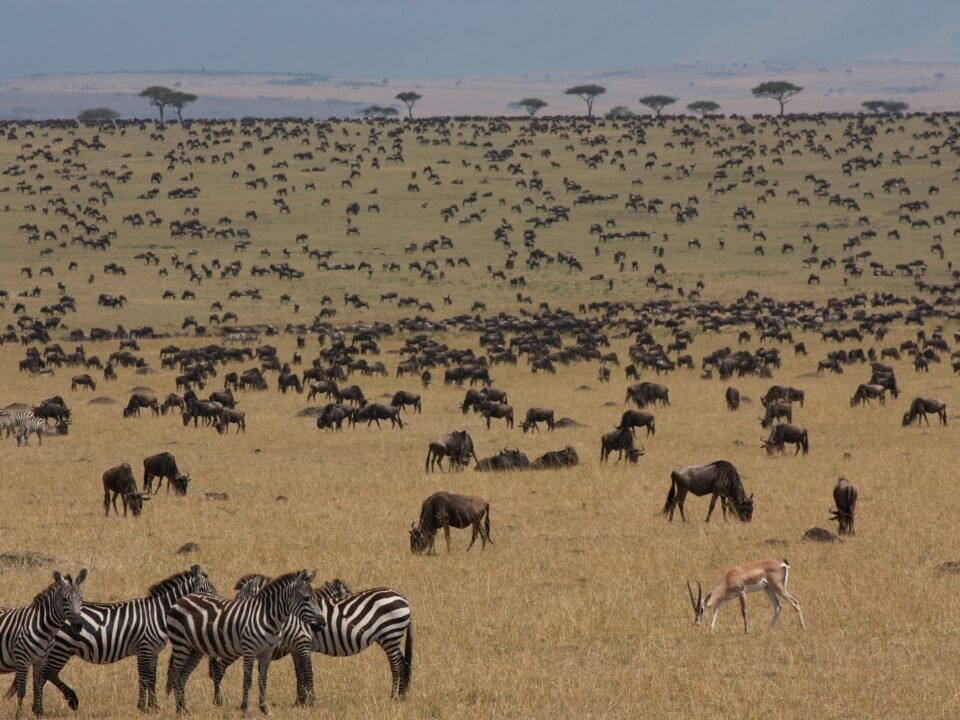
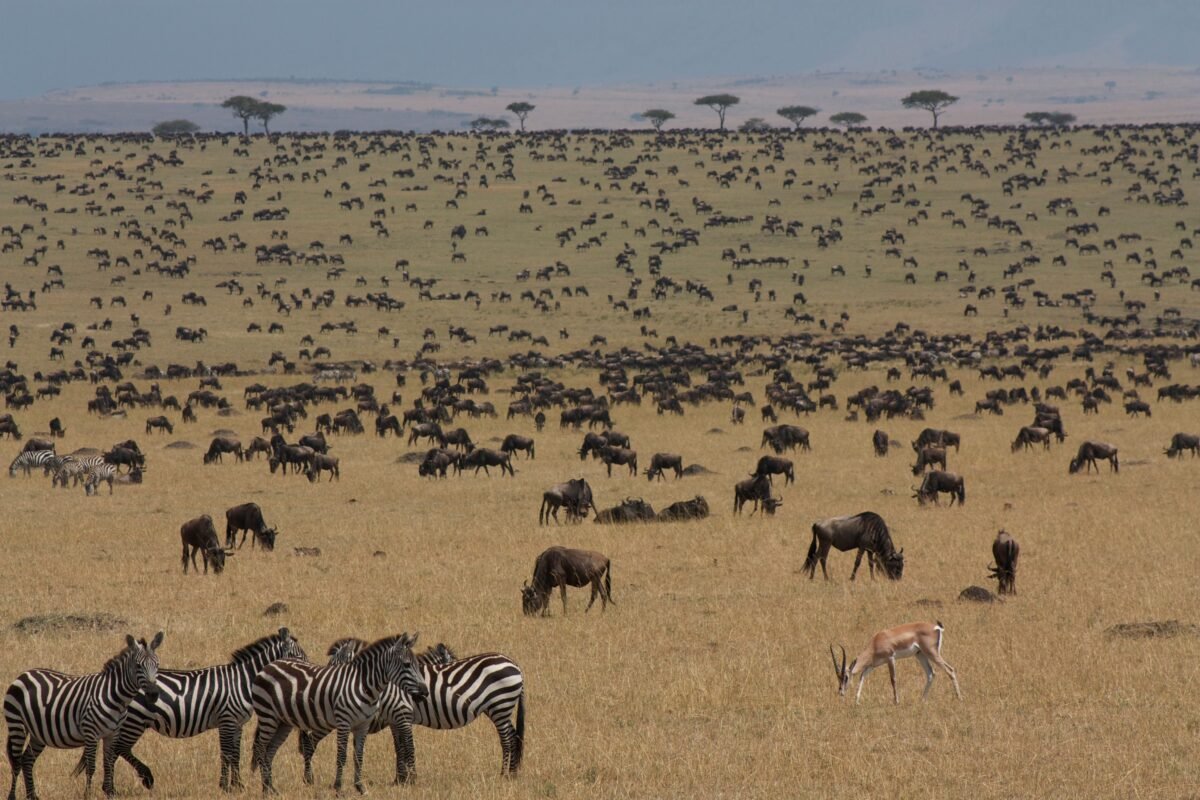
The migration is a natural cycle that continues throughout the year. However, the most dramatic Kenya phase generally occurs from July to October. Large numbers of wildebeest and zebra move into the Mara ecosystem from the Serengeti. Some herds attempt to cross the Mara River, where crocodiles and strong currents create a challenging journey.
July is therefore a strong choice for travelers who want to experience the migration. However, the exact timing can change each year. Rainfall and grazing conditions influence animal movements. A safari should never promise a specific river crossing on a specific day.
Demand also rises during July. Popular camps and lodges can fill quickly. Zamunda Travels recommends booking early when possible, especially for travelers with fixed dates.
Best for: Great Migration safaris, Big Five viewing, dry weather, and classic Kenya game drives.
August: A Top Month for the Great Migration
August is widely considered one of the strongest months for experiencing the Great Migration in Kenya. The Maasai Mara can host large concentrations of wildebeest and zebra during this period. The Mara River crossings can also occur, although nature does not follow a fixed calendar.
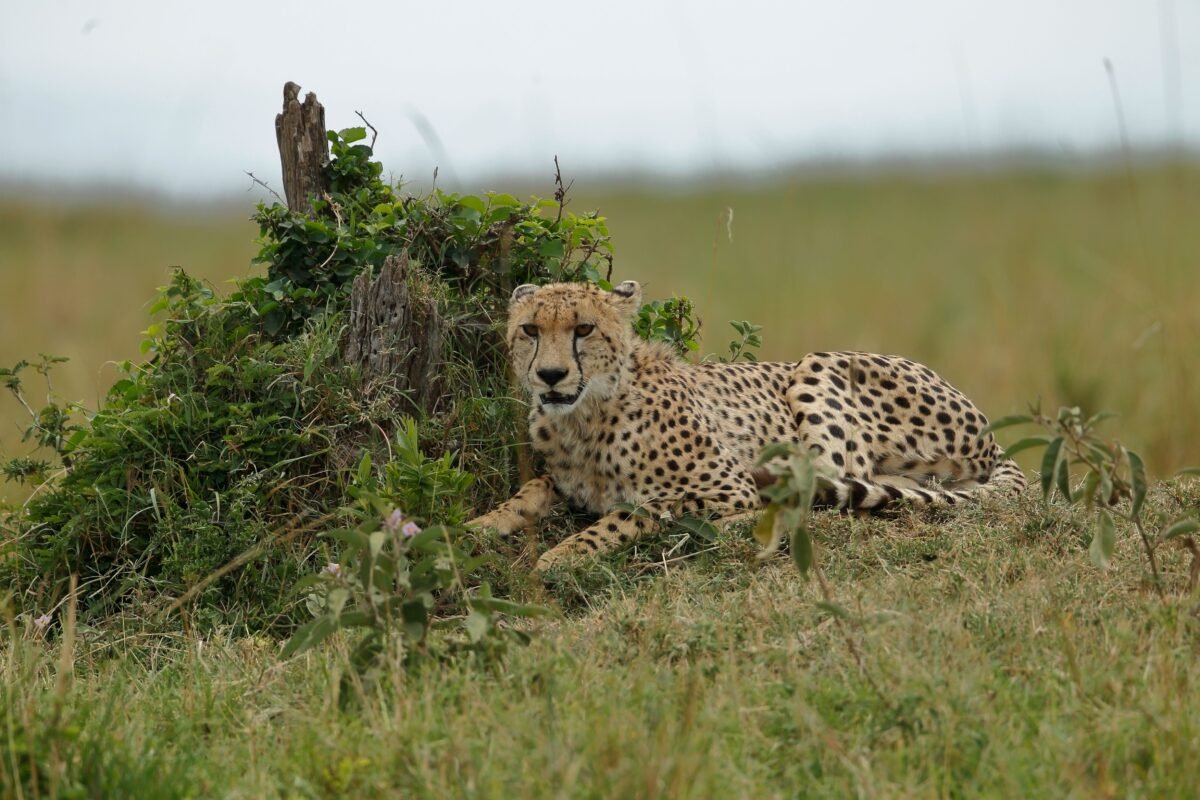
The dry conditions also make many game drives rewarding. Shorter grass can improve visibility, while animals often concentrate around available water. Lions, cheetahs, leopards, hyenas, elephants, buffaloes, and other wildlife can be seen across suitable habitats.
August is also a peak travel month. Lodges and camps can become busy, particularly in popular parts of the Maasai Mara. Prices may rise as demand increases.
For travelers focused on the migration, this is often worth the higher demand. Zamunda Travels can help select camps and conservancies that provide strong access to wildlife while avoiding unnecessary congestion.
Best for: Great Migration, river-crossing opportunities, predator sightings, and first-time safari travelers.
September: Excellent Wildlife and Migration Viewing
September remains an excellent month for the Maasai Mara. Large herds may still be present, and some migration activity can continue. However, the timing varies because rainfall and grazing conditions control the animals’ movements.
The dry season also supports strong game viewing. Vegetation is often less dense, which can make wildlife easier to locate. Predators remain active because the large herds provide abundant prey.
September can also offer a useful balance between migration opportunities and slightly reduced pressure compared with the busiest parts of August. Still, the Mara remains a popular destination during this period.
If your priority is the Great Migration, Zamunda Travels recommends keeping your itinerary flexible. A longer stay increases the chance of seeing interesting herd movements and predator activity.
Best for: Migration viewing, predators, photography, and extended Maasai Mara safaris.
October: The End of the Main Migration Period
October remains one of the strongest months for Kenya wildlife safaris. The Great Migration may still be visible in the Maasai Mara, although herds can begin moving south toward the Serengeti.
Magical Kenya identifies July to October as the main period for the dramatic Kenya phase of the migration. The movement remains influenced by rainfall and fresh grazing, so exact dates can vary.
October also offers good general game viewing in many parts of the country. The weather can remain favorable, while visitor levels may begin to change after the main peak.
This makes October attractive for travelers who want wildlife without relying entirely on a river crossing. The Maasai Mara itself supports resident wildlife throughout the year.
Best for: Late-season migration, Big Five viewing, photography, and classic safari experiences.
November: Short Rains and Fresh Green Landscapes
November marks the return of shorter rains in many parts of Kenya. Weather can change quickly, with sunny periods followed by showers. The exact pattern varies between regions.
The rains can transform dry landscapes into fresh green environments. This creates attractive conditions for photographers and nature lovers. The number of visitors can also drop compared with the July-to-October peak.
Travelers should expect some flexibility during November. Afternoon showers can affect road conditions and game-drive schedules. However, rain does not necessarily stop a safari.
For budget-conscious travelers, November can be worth considering. Zamunda Travels can help build an itinerary that balances good wildlife areas with suitable accommodation and travel times.
Best for: Green scenery, photography, fewer crowds, and travelers seeking value.
December: Festive Safaris and Excellent Wildlife Opportunities
December can be an exciting month for a Kenya safari. Kenya Wildlife Service lists December to March among the periods that can offer strong wildlife-viewing conditions.
The month also offers an opportunity to combine wildlife with a coastal holiday. Travelers can enjoy a safari in the Maasai Mara, Amboseli, Tsavo, or another wildlife area before relaxing along the Indian Ocean.
December can become busy around the festive holidays. Travelers should therefore book accommodation and transport early when traveling around Christmas and New Year.
The coast can be especially attractive at this time. Magical Kenya identifies December through March as a favorable period for coastal sunshine and fair weather.
Zamunda Travels can combine a Kenya safari with a beach extension for travelers who want both wildlife and relaxation.
Best for: Festive holidays, wildlife, family trips, and safari-and-beach combinations.
Best Time to Visit Kenya for Safari by Travel Goal
The ideal month depends on your safari priorities. If your main goal is the Great Wildebeest Migration, July to October offers the strongest opportunity in the Maasai Mara. The most dramatic river crossings can happen during this period, but they cannot be guaranteed because wildlife follows natural conditions.
For general wildlife viewing, January to March and July to October are strong choices. These periods generally offer favorable conditions across many safari areas. Kenya Wildlife Service also describes July to December and December to March as high-use periods for wildlife activities.
For travelers who want green landscapes and fewer visitors, April, May, and November can be attractive. These months bring more rainfall, but they can also create beautiful scenery and quieter safari experiences.
For a safari and beach combination, January to March and December can work particularly well. Coastal conditions are often favorable during these periods.
Is There a Bad Time to Visit Kenya?
There is no single month that makes Kenya unsuitable for travel. Kenya has different ecosystems and climates. Conditions can vary between the coast, central highlands, southern savannahs, and northern regions. Kenya Wildlife Service emphasizes that parks offer attractions throughout the year.
The rainy season can create more difficult road conditions. However, it also produces green landscapes and fewer crowds. Therefore, the best month depends on your expectations.
If easy wildlife viewing is your priority, choose a drier period. If you prefer lower visitor numbers and green scenery, consider the rainy season. If the Great Migration is your dream, focus on the Maasai Mara between July and October.
How to Choose the Right Month for Your Kenya Safari
Start by deciding what you want from the trip. Do you want the Great Migration? Are you more interested in Big Five sightings? Perhaps you want photography, birdwatching, or a beach extension.
Next, consider your budget. Peak months can attract more visitors and higher accommodation demand. Green-season travel can provide a quieter experience, although weather can be less predictable.
Finally, consider the specific parks you want to visit. Kenya is not one single safari environment. The Maasai Mara, Amboseli, Tsavo, Lake Nakuru, Samburu, and Laikipia can offer different experiences.
At Zamunda Travels, we match the season with the destination instead of using one fixed answer for every traveler. This approach helps create a safari that fits your interests, schedule, and budget.
What to Pack for a Kenya Safari
Pack lightweight clothing that you can layer. Early mornings can feel cool, while daytime temperatures can become warm. Kenya Wildlife Service recommends adaptable clothing, long trousers or shirts, sun protection, suitable footwear, insect repellent, binoculars, and a small medical kit.
A light rain jacket is useful during wetter months. Comfortable walking shoes are also important. Bring sunscreen, sunglasses, a hat, and a reusable water bottle. A camera with spare batteries or power banks can help you capture wildlife moments.
Your packing list should also reflect your itinerary. A safari that includes the coast may require lighter beach clothing. A northern Kenya trip may require different preparation from a Maasai Mara itinerary.
Plan Your Kenya Safari With Zamunda Travels
Choosing the best time to visit Kenya for safari is easier when you know what you want to experience. January to March can provide excellent wildlife viewing and favorable travel conditions. April to June brings greener landscapes and fewer visitors. July to October offers the famous Great Migration period in the Maasai Mara. November brings short rains and fresh scenery, while December combines safari opportunities with festive travel and favorable coastal conditions.
There is no universal perfect month. The right choice depends on your destination, wildlife interests, budget, and preferred travel style.
Zamunda Travels can help you plan a Kenya safari around the season that suits you best. From the Maasai Mara and Amboseli to Tsavo and other wildlife destinations, we can create a practical itinerary that matches your travel goals.
Ready to plan your Kenya adventure? Contact Zamunda Travels and let us help you choose the right month, parks, accommodation, and safari itinerary for your trip.