Kenya Safari from Singapore
November 19, 2026
Kenya Safari from the Philippines
November 19, 2026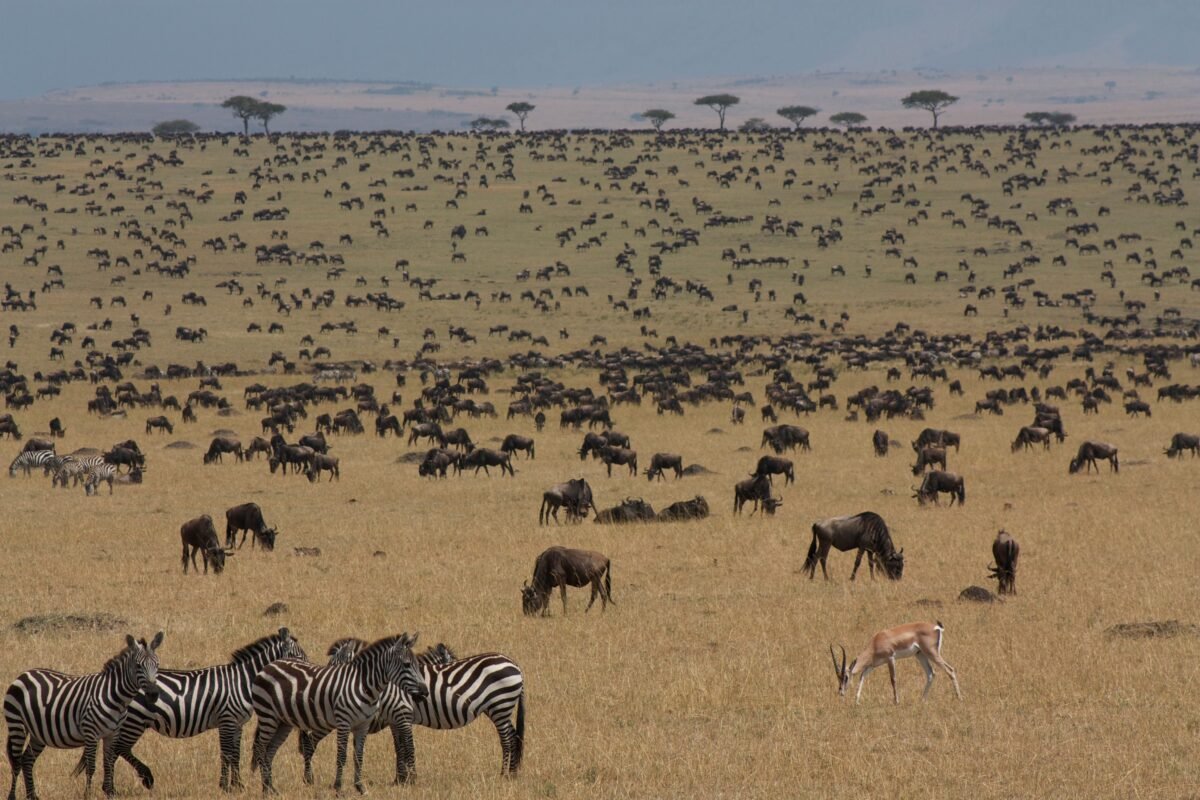
A Kenya safari from Malaysia offers the opportunity to see African wildlife in its natural habitat, from lions and cheetahs on the plains of the Masai Mara to large elephant herds beneath Mount Kilimanjaro in Amboseli National Park.
For Malaysian travellers, Kenya is a practical East African safari destination, with international flight connections through major aviation hubs and wildlife experiences suitable for couples, families, photographers and small groups.
Planning the right safari involves more than choosing a national park. Travel dates, accommodation, driving distances, dietary requirements and the number of days available can all influence the experience.
This guide explains the best wildlife destinations in Kenya, when to travel from Malaysia, how to arrange flights, what to budget and how to choose an itinerary that makes good use of your time.
Why Choose Kenya for an African Safari from Malaysia?
Kenya is one of Africa’s established wildlife safari destinations, offering extensive savannah ecosystems, national parks, wildlife conservancies and a wide range of accommodation.
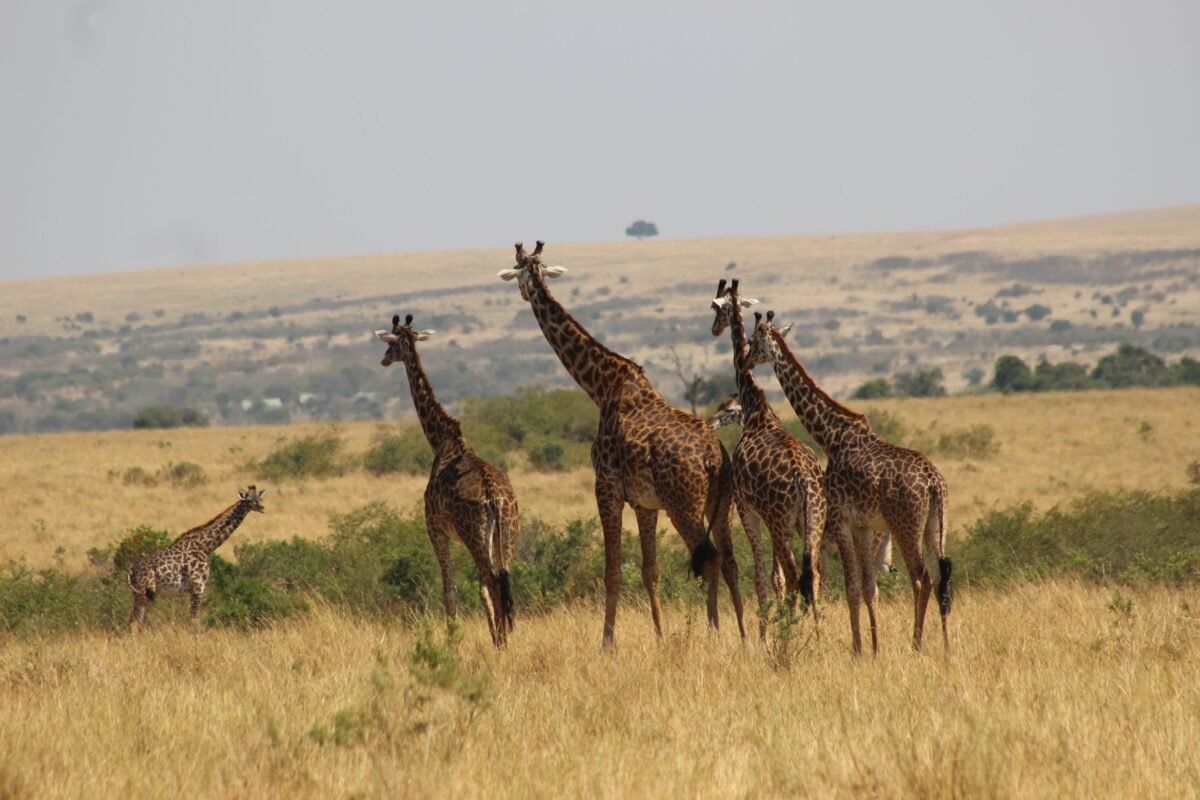
For travellers visiting Africa for the first time, Kenya provides opportunities to observe lions, elephants, leopards, buffaloes, giraffes, zebras, cheetahs and numerous bird species.
The country is particularly known for the Masai Mara ecosystem, where large numbers of wildebeest and zebras move seasonally between Kenya and Tanzania.
Kenya also offers several different safari environments. Travellers can explore the open plains of the Masai Mara, observe elephants in Amboseli, discover northern Kenya’s wildlife in Samburu or combine game drives with a relaxing stay along the Indian Ocean coast.
Another advantage is the flexibility of safari arrangements. Visitors can choose private guided safaris, shared group departures, comfortable mid-range lodges or luxury tented camps.
For Malaysian travellers making a long international journey, a carefully planned seven- to ten-day safari often provides a good balance between wildlife viewing, travel time and comfort.
Best Wildlife Safari Destinations in Kenya
1. Masai Mara National Reserve – Lions, Cheetahs and the Great Migration
Masai Mara National Reserve is one of Kenya’s best-known wildlife destinations and an excellent choice for a first African safari.
The reserve is characterised by open grasslands, river systems and rolling savannah, making it particularly suitable for observing large mammals.
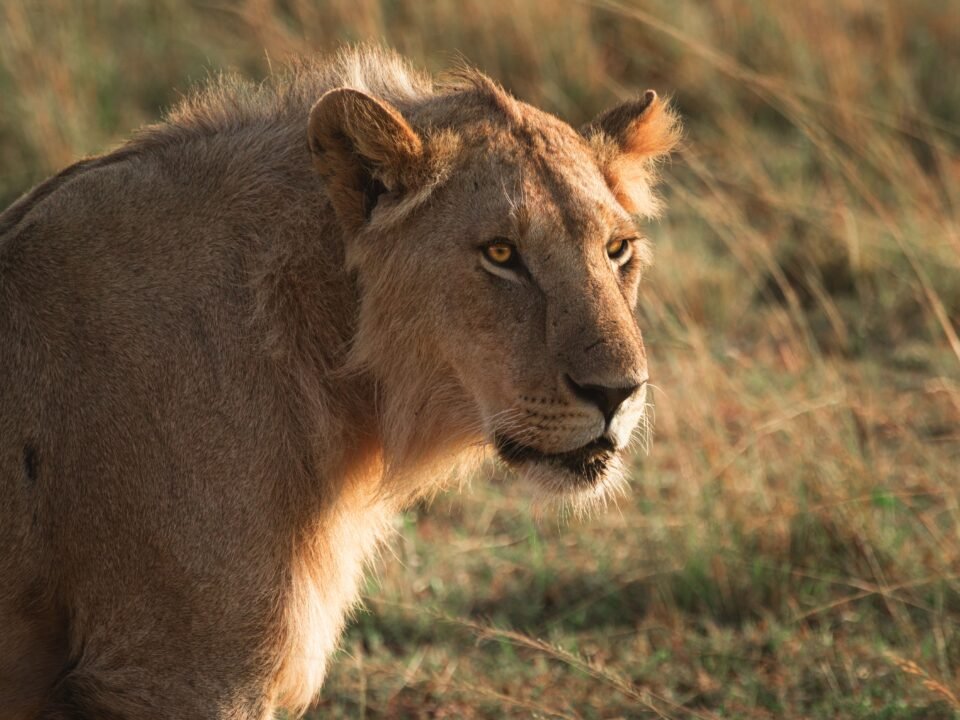
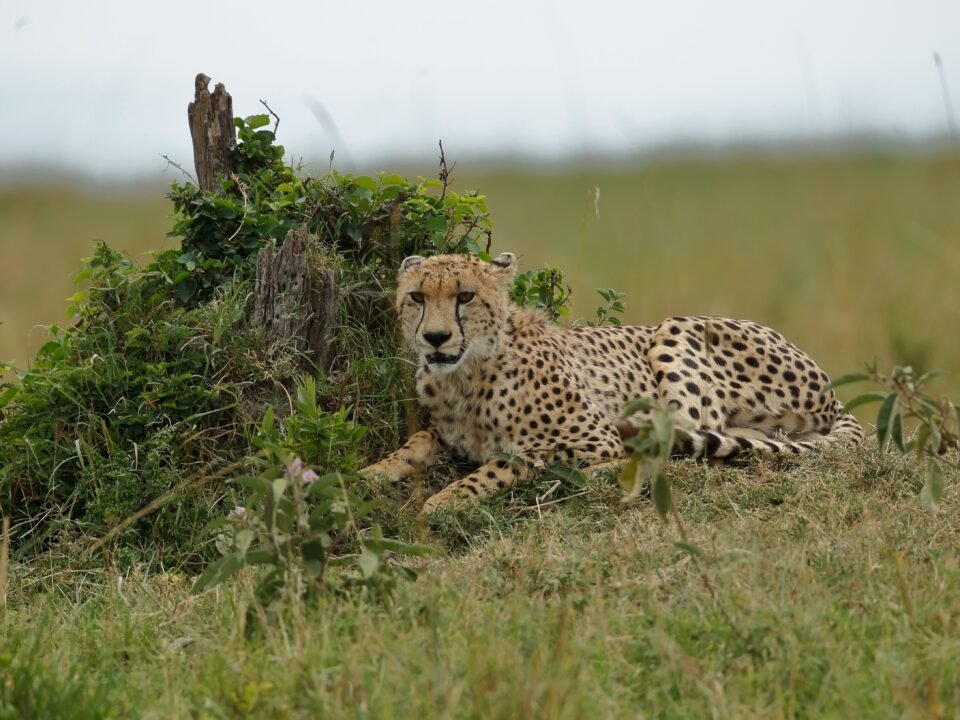
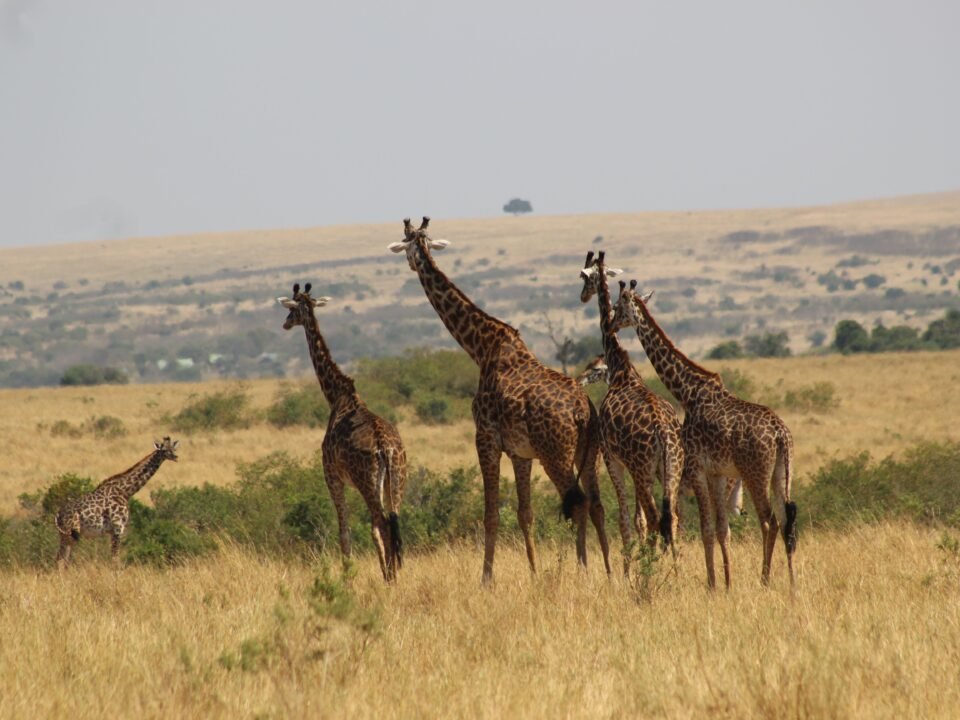
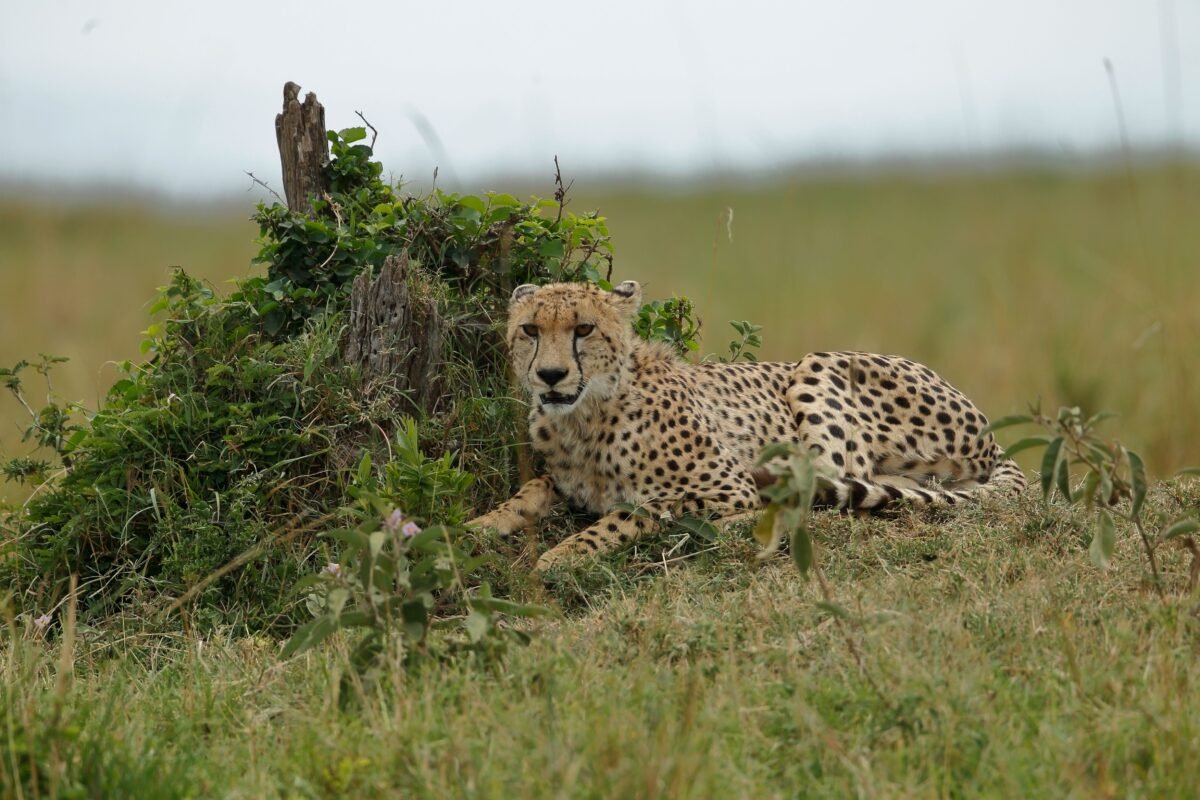
Wildlife commonly sought by visitors includes lions, elephants, buffaloes, giraffes, zebras, wildebeest, cheetahs and leopards.
The Masai Mara is also associated with the Great Migration, during which large herds of wildebeest and zebras move through the wider Serengeti–Mara ecosystem.
River crossings are particularly sought after, although their timing varies with rainfall, grazing conditions and herd movements. No safari operator can guarantee a crossing.
For Malaysian visitors interested in wildlife photography, the Masai Mara provides opportunities to photograph predators, grazing herbivores and the changing light across the plains.
A stay of at least three nights is recommended for travellers who want sufficient time for game drives without feeling rushed.
2. Amboseli National Park – Elephants and Mount Kilimanjaro
Amboseli National Park is especially well known for its elephant populations and views towards Mount Kilimanjaro, which rises across the border in Tanzania.
The park contains open plains, seasonal wetlands and areas where elephants, buffaloes, zebras, wildebeest and various bird species can be observed.
Elephants are a major attraction, particularly for photographers interested in capturing herds moving through open landscapes.
Mount Kilimanjaro provides a distinctive background when visibility is clear. Early mornings often offer better photographic conditions, although cloud cover can obscure the mountain at any time.
Amboseli is a suitable destination for families, photographers and travellers who want to combine wildlife viewing with landscape photography.
Two nights are generally worthwhile, allowing time for more than one game drive.
3. Lake Nakuru National Park – Rhinos and Birdlife
Lake Nakuru National Park lies within Kenya’s Rift Valley and offers a different safari environment from the open grasslands of the Masai Mara.
The park is known for its rhino conservation, wooded areas, grasslands and lake habitat.
Visitors may encounter white and black rhinoceroses, buffaloes, giraffes, zebras and numerous bird species.
Flamingos are historically associated with Lake Nakuru, but their numbers fluctuate according to water conditions and food availability. Travellers should not assume that large flamingo concentrations will be present throughout the year.
Lake Nakuru can be included in a safari linking Nairobi with the Masai Mara, although the additional journey should be considered carefully when planning a short holiday.
It is particularly suitable for travellers interested in rhinoceroses, birds and varied landscapes.
4. Samburu National Reserve – Wildlife of Northern Kenya
Samburu National Reserve offers a safari experience distinct from Kenya’s southern wildlife parks.
The landscape is generally drier, with rocky hills, open country and vegetation concentrated around the Ewaso Ng’iro River.
Samburu is associated with several distinctive wildlife species, including Grevy’s zebra, reticulated giraffe, gerenuk, Beisa oryx and Somali ostrich.
These animals are particularly interesting for visitors who have previously travelled to other African safari destinations.
Elephants, lions, leopards and a variety of bird species may also be encountered.
Samburu is an excellent addition for wildlife enthusiasts with enough time to explore beyond the most popular safari circuit.
However, because of its location in northern Kenya, it is usually better suited to a longer itinerary than a short five-day holiday.
5. Nairobi National Park – Wildlife Close to the Capital
Nairobi National Park offers an unusual wildlife experience because of its proximity to Kenya’s capital city.
Visitors can observe wildlife against a backdrop that includes Nairobi’s urban skyline.
The park supports lions, giraffes, buffaloes, zebras, rhinoceroses and many bird species.
For Malaysian travellers arriving in Nairobi with limited time, a game drive in Nairobi National Park can provide an introduction to Kenya’s wildlife before travelling to more distant destinations.
It is also a practical option for visitors with an additional day before their international departure.
However, Nairobi National Park should not automatically replace a longer safari in the Masai Mara or Amboseli, particularly for travellers whose main objective is extensive wildlife viewing.
What Is the Best Time to Visit Kenya from Malaysia?
Kenya offers wildlife viewing throughout the year, although rainfall patterns, vegetation and animal movements influence the experience.
July to October – Great Migration Season
July to October is one of the most popular periods for visiting the Masai Mara.
Large wildebeest and zebra herds may be present in the ecosystem, and visitors often travel during these months hoping to witness river crossings.
The exact timing and location of migration activity cannot be predicted with certainty.
This is also a busy safari season, particularly in well-known parts of the Masai Mara.
Malaysian travellers planning a holiday during this period should consider booking accommodation well in advance.
January to February – Generally Drier Safari Conditions
January and February are often good months for wildlife viewing in several Kenyan safari regions.
Vegetation may be less dense, making some animals easier to observe.
These months can also be attractive for photography, especially in Amboseli, where clear mornings sometimes provide good views of Mount Kilimanjaro.
However, weather conditions vary by region and from year to year.
March to May – Greener Landscapes and Rainfall
March to May generally includes Kenya’s main long-rains period, although the timing and intensity of rainfall vary.
The landscape becomes greener, and some destinations may have fewer visitors.
Rain can affect unpaved roads, game-drive conditions and the movement of safari vehicles.
Travellers considering this period should select accommodation carefully and allow flexibility in their itinerary.
November to December – Short Rains and Year-End Holidays
November and parts of December commonly experience shorter rainy periods in several Kenyan regions.
Wildlife viewing remains possible, although rain showers may interrupt some activities.
December can be particularly convenient for Malaysian families travelling during the year-end school holidays.
The Christmas and New Year period may also bring higher accommodation demand.
For travellers prioritising the Great Migration, July to October is generally the preferred window. Those interested in elephants, big cats, birdlife and general wildlife viewing can consider other months depending on their schedule and budget.
How to Travel from Malaysia to Kenya
Flights from Kuala Lumpur to Nairobi
Most Malaysian travellers begin their journey at Kuala Lumpur International Airport.
Jomo Kenyatta International Airport in Nairobi is the main international gateway for many Kenya safari itineraries.
Flight itineraries from Kuala Lumpur may involve connections through international hubs such as Doha, Dubai or Addis Ababa, depending on airline schedules and ticket availability.
Travellers departing from Penang, Johor Bahru, Kota Kinabalu or other Malaysian cities may need an additional domestic or regional connection.
Flight schedules and transit requirements should always be checked before booking.
Because Kenya is five hours behind Malaysia, travellers should also consider the effect of long-distance travel and time-zone changes.
For a comfortable arrival, it is often sensible to spend the first night in Nairobi before beginning a long road transfer.
Getting from Nairobi to the Safari Parks
Once in Nairobi, travellers generally continue their safari by road or domestic flight.
Road safaris are popular because they allow visitors to travel between destinations with a professional driver-guide.
A 4×4 safari vehicle is particularly useful on unpaved tracks and during periods of rainfall.
Approximate driving times from Nairobi can vary considerably:
-
Masai Mara: often around five to seven hours or longer, depending on the camp, route and road conditions.
-
Amboseli: approximately four to five hours under favourable conditions.
-
Lake Nakuru: approximately three to four hours, depending on traffic and the route.
-
Samburu: commonly five to seven hours or longer.
These are planning estimates rather than guaranteed transfer times.
Domestic flights can reduce time spent travelling to some safari destinations, particularly the Masai Mara.
However, air transfers add costs and may involve luggage restrictions.
For travellers with limited holiday time, paying for a domestic flight may be worthwhile if it creates an additional afternoon or morning for wildlife viewing.
Do Malaysian Citizens Need a Visa for Kenya?
As of November 2026, Malaysian nationals are listed among the nationalities exempt from Kenya’s electronic Travel Authorisation for visits not exceeding 90 days.
This exemption applies to Malaysian nationality, not automatically to every person living in Malaysia.
Travellers holding other passports should check the requirements for their nationality.
Visitors should travel with a valid passport, supporting travel documents and any other information requested by immigration authorities.
Entry permission remains subject to Kenyan immigration procedures, and requirements can change.
Before departure, consult the official Kenya eTA website at https://etakenya.go.ke for the latest information.
Travellers combining Kenya with Tanzania, Uganda or Rwanda must also check the separate entry requirements for those countries.
How Much Does a Kenya Safari from Malaysia Cost?
The total cost of a Kenya safari depends on the length of the trip, accommodation category, travel season, transport arrangements and number of travellers sharing the vehicle.
International flights from Malaysia are usually calculated separately from the safari package.
Budget Safaris
Budget safaris typically use simpler accommodation, camping facilities or shared transport arrangements.
They may suit travellers who want to prioritise wildlife viewing while limiting accommodation expenses.
However, budget travellers should check whether park entrance fees, meals, transfers and game drives are included.
Mid-Range Safaris
Mid-range safaris usually provide comfortable lodges or tented camps with private bathrooms and organised meals.
Private 4×4 transport may be included, depending on the package.
For many Malaysian couples and families, a mid-range safari offers a practical balance between comfort and cost.
Luxury Safaris
Luxury safaris generally feature higher-end lodges, premium tented camps, more personalised services and sometimes domestic flights.
Some properties are situated within private conservancies, where permitted activities may differ from those in national reserves.
Luxury accommodation can be particularly attractive for honeymooners, photographers and travellers seeking a quieter safari environment.
Understanding Your Safari Quotation
A Kenya safari quotation should clearly identify whether the price includes accommodation, meals, park fees, transport, guide services, domestic flights and scheduled activities.
Additional expenses may include international flights, travel insurance, optional hot-air balloon flights, gratuities, drinks and personal purchases.
Safari quotations are frequently expressed in US dollars.
Malaysian travellers should check the current MYR-to-USD exchange rate before paying and allow for possible bank conversion charges.
It is also important to confirm whether a quoted price is per person sharing a room, per person travelling alone or for the entire group.
At Zamunda Travels Uganda Ltd, travellers can request a Kenya safari itinerary based on their preferred travel dates, accommodation level and wildlife interests, allowing the itinerary and inclusions to be reviewed before a final price is agreed.
A Recommended 7-Day Kenya Safari Itinerary from Malaysia
Seven days in Kenya can provide a rewarding introduction to African wildlife without requiring visitors to travel through too many destinations.
The following example combines Nairobi, Lake Nakuru and the Masai Mara.
Day 1: Arrival in Nairobi
Arrive at Jomo Kenyatta International Airport, where your safari representative meets you for a transfer to your hotel.
Depending on arrival time, spend the afternoon resting or enjoying a short introduction to Nairobi.
Overnight in Nairobi.
Day 2: Nairobi to Lake Nakuru National Park
After breakfast, depart Nairobi and travel towards Lake Nakuru National Park.
Enjoy a game drive focused on rhinoceroses, giraffes, buffaloes and birdlife.
The park’s varied habitats provide opportunities for wildlife photography.
Overnight near Lake Nakuru.
Day 3: Lake Nakuru to Masai Mara
Travel towards the Masai Mara after breakfast.
The drive passes through parts of Kenya’s Rift Valley and surrounding countryside.
Depending on arrival time and accommodation location, enjoy an afternoon game drive.
Overnight in the Masai Mara area.
Day 4: Full-Day Masai Mara Safari
Spend the day exploring the Masai Mara with your professional safari guide.
Look for lions, cheetahs, elephants, buffaloes, giraffes and other wildlife.
A packed lunch may be arranged to allow more time in the reserve.
Return to your accommodation in the evening.
Day 5: Another Day Exploring the Masai Mara
Enjoy further game drives in different areas of the reserve, depending on wildlife movements and park access arrangements.
An optional hot-air balloon safari may be arranged at an additional cost, subject to availability and weather conditions.
This additional day allows more flexibility for photography and wildlife observation.
Day 6: Return to Nairobi
After breakfast, travel back to Nairobi.
The afternoon can be spent relaxing at the hotel or enjoying an optional city activity, depending on arrival time.
Overnight in Nairobi.
Day 7: Departure from Kenya
After breakfast, transfer to Jomo Kenyatta International Airport for your onward international flight.
This itinerary is particularly suitable for first-time visitors interested in big cats, rhinoceroses and general wildlife viewing.
Travellers who prioritise elephants and Mount Kilimanjaro could instead choose a route combining Nairobi, Amboseli and the Masai Mara, allowing additional time for the longer transfers.
Should You Choose a Road Safari or a Fly-In Safari?
One of the most important decisions when planning a Kenya safari is whether to travel mainly by road or use domestic flights.
A road safari usually offers greater flexibility for visiting multiple destinations and may be more economical for families or small groups sharing a vehicle.
However, road journeys can be lengthy, particularly when travelling between distant parks.
A fly-in safari reduces some long transfers and may be more comfortable for travellers with limited time.
The trade-off is the additional cost of flights and the need to coordinate airstrip transfers and game-drive arrangements.
For a seven-day safari, the best choice depends on the selected parks. For a shorter Masai Mara-focused holiday, a domestic flight may help maximise wildlife-viewing time.
Travellers should also consider the location of their accommodation.
A lodge situated far from the main wildlife-viewing areas may require substantial daily driving, even if its nightly rate appears attractive.
Accommodation Options for Malaysian Safari Travellers
Kenya offers accommodation ranging from simple camps to luxury lodges and tented safari properties.
The most suitable choice depends on the traveller’s budget, comfort expectations and preferred activities.
Families may prefer lodges with family rooms, flexible meal arrangements and facilities suitable for children.
Couples may favour smaller tented camps offering greater privacy and quieter surroundings.
Photographers often benefit from accommodation that provides convenient access to productive game-drive areas.
When comparing properties, consider their actual location, not only their photographs or star rating.
A comfortable lodge with convenient access to wildlife areas may offer better practical value than a more luxurious property requiring long transfers each morning.
Halal Meals and Dietary Requirements
Malaysian travellers who require halal food should communicate their dietary requirements before confirming accommodation.
Some lodges and safari camps can arrange suitable meals with advance notice.
However, halal-friendly meals should not automatically be treated as equivalent to meals prepared in a formally halal-certified kitchen.
Travellers who require certified halal food should ask the operator to confirm the property’s arrangements in writing.
Vegetarian meals, food allergies and other dietary requirements should also be communicated before departure.
For travellers who observe daily prayers, private safari itineraries may allow reasonable flexibility for prayer breaks, subject to park rules, safety and the day’s activities.
What to Expect During a Typical Day on Safari
A typical safari day begins early because many animals are active during the cooler morning hours.
Guests may wake before sunrise, enjoy tea or coffee and depart for a morning game drive.
The guide searches for wildlife while explaining animal behaviour, tracks, habitats and conservation issues.
Depending on the itinerary, guests return to the lodge for breakfast or carry a packed meal.
The middle of the day is often reserved for lunch and rest, particularly when temperatures are high.
An afternoon game drive may begin later, when conditions become cooler and wildlife activity increases.
After returning to the lodge, guests enjoy dinner and prepare for the following day.
Game-drive schedules vary by park, lodge and permitted activities.
Wildlife sightings are never guaranteed. Even in productive areas such as the Masai Mara, animal movements depend on natural behaviour and environmental conditions.
A patient approach often produces a more enjoyable safari than rushing from one sighting to another.
Health, Safety and Travel Insurance for Kenya Safaris
Before travelling from Malaysia to Kenya, visitors should arrange suitable travel insurance covering medical treatment, emergency evacuation and relevant safari activities.
Medical facilities may be far from remote wildlife destinations, making appropriate insurance particularly important.
Travellers should also consult a travel-health professional about recommended vaccinations and malaria prevention.
Yellow fever vaccination requirements depend partly on travel history and transit arrangements. Visitors arriving from countries with a risk of yellow fever transmission may need proof of vaccination.
Mosquito protection is important, especially in lower-altitude safari regions.
Lightweight long-sleeved clothing, suitable insect repellent and accommodation with appropriate mosquito protection can help reduce exposure.
Visitors should follow their guide’s instructions during game drives and avoid approaching or feeding wild animals.
Remaining inside the vehicle when required is essential for safety.
What Should You Pack for a Kenya Safari?
Packing for a Kenya safari is relatively straightforward, although temperatures can vary between early mornings and warmer afternoons.
Useful items include:
-
Lightweight, comfortable clothing in neutral colours.
-
A warm jacket or fleece for early morning game drives.
-
Comfortable closed shoes.
-
A sunhat, sunglasses and sunscreen.
-
Binoculars for observing distant wildlife.
-
A camera with suitable memory cards and spare batteries.
-
Insect repellent and personal medication.
-
Passport, travel insurance documents and booking confirmations.
-
A universal travel adaptor and portable power bank.
Visitors planning domestic flights should check baggage allowances, particularly where smaller aircraft operate.
Soft-sided luggage may be more practical than large rigid suitcases on certain safari flights.
Common Mistakes to Avoid When Planning a Kenya Safari
Trying to Visit Too Many National Parks
Travellers sometimes attempt to include Masai Mara, Amboseli, Lake Nakuru and Samburu within a very short holiday.
Although these destinations are individually worthwhile, combining them can result in excessive driving.
A more focused itinerary usually provides better opportunities for wildlife observation.
Booking Accommodation Without Checking Its Location
Accommodation described as being near a national park may still be a considerable distance from the main game-viewing areas.
Always check where the lodge is located and how its position affects daily game drives and park access.
Assuming the Great Migration Is Guaranteed
The Great Migration is a natural wildlife movement influenced by rainfall and grazing conditions.
Even during the popular migration season, river crossings cannot be guaranteed.
A good Masai Mara safari should remain rewarding because of its resident wildlife, regardless of whether a crossing occurs.
Choosing a Safari Only by Its Lowest Price
A cheaper quotation may exclude park fees, use a different vehicle type or provide accommodation farther from the wildlife areas.
Compare safari quotations according to their complete inclusions rather than the advertised price alone.
Leaving Travel Arrangements Until the Last Minute
Popular safari lodges and tented camps can become heavily booked during peak travel periods.
Early planning provides more accommodation choices and allows sufficient time to organise flights, dietary arrangements and any special activities.
Can You Combine Kenya with Other East African Destinations?
Travellers with more than ten days available may consider combining Kenya with another East African country.
Kenya and Tanzania are particularly suitable for travellers interested in the wider Serengeti–Mara ecosystem and additional wildlife destinations such as Ngorongoro Crater.
Uganda and Rwanda offer different experiences, including mountain gorilla trekking and other primate encounters.
These extensions require additional travel planning, suitable entry documentation and realistic time allowances.
A multi-country safari is most rewarding when sufficient time is allocated to each destination rather than attempting to visit several countries within a few days.
Conclusion
A Kenya safari from Malaysia can be planned around a wide range of interests, from observing lions and cheetahs in the Masai Mara to photographing elephants in Amboseli or discovering the distinctive wildlife of Samburu.
The most important decisions involve selecting suitable travel dates, choosing the right destinations, allowing enough time for wildlife viewing and understanding the full cost of the safari.
For first-time visitors, a well-planned seven- to ten-day itinerary provides an excellent introduction to Kenya’s wildlife without unnecessary travel pressure.
Plan Your Kenya Safari with Zamunda Travels
Zamunda Travels Uganda Ltd organises private and customised East African safari experiences, including wildlife holidays in Kenya.
Whether you are planning a family safari, honeymoon, photographic adventure or a longer East African journey, we can help you develop an itinerary suited to your interests, travel dates and accommodation preferences.
Website: https://www.zamundatravels.com
Email: info@zamundatravels.com
WhatsApp: +256 704 705 606
Zamunda Travels Uganda Ltd — Beyond Expedition
Frequently Asked Questions About Kenya Safaris from Malaysia
1. Do Malaysian passport holders need a visa to visit Kenya?
Malaysian nationals are currently listed as exempt from Kenya’s electronic Travel Authorisation for visits not exceeding 90 days. However, immigration requirements can change, and entry remains subject to the relevant authorities. Travellers should check the official Kenya eTA website before departure, particularly when travelling with family members holding different passports.
2. How many days are enough for a Kenya safari from Malaysia?
Seven to ten days in Kenya is a practical duration for many first-time visitors. Seven days allows a focused itinerary covering destinations such as Lake Nakuru and the Masai Mara. Ten days provides more flexibility to include Amboseli, additional game drives or time at the coast.
3. What is the best month to visit Masai Mara from Malaysia?
July to October is generally popular for travellers hoping to observe the Great Migration in the Masai Mara. However, the exact movement of herds and timing of river crossings depend on natural conditions. January and February can also offer rewarding wildlife viewing, particularly for visitors interested in resident predators and general game drives.
4. Can Malaysian Muslim travellers arrange halal meals during a Kenya safari?
Yes, suitable meal arrangements may be possible at many safari properties when requested in advance. However, halal certification varies between accommodation providers. Travellers requiring certified halal food should confirm the arrangements before booking. Private safaris can also provide some flexibility for prayer breaks, subject to wildlife safety and park regulations.
5. Is Kenya suitable for a family safari with children?
Yes. Kenya has wildlife destinations and accommodation options suitable for family holidays. The best itinerary depends on the children’s ages, interests and tolerance for longer drives. Families should choose appropriate accommodation, consider private transport and avoid overly demanding schedules. Individual lodges and activities may have specific age restrictions.
6. Is a private safari better than a group safari in Kenya?
A private safari offers greater flexibility over game-drive schedules, rest stops and personal interests. It can be particularly useful for families, photographers and travellers with dietary or accessibility requirements. Group safaris may cost less per person, but their itineraries and departure times are generally less flexible.
7. Can I combine a Kenya safari with gorilla trekking in Uganda or Rwanda?
Yes. A Kenya wildlife safari can be combined with gorilla trekking in Uganda or Rwanda as part of a longer East African itinerary. Travellers should allow additional days for international transfers, trekking arrangements and recovery time. Gorilla trekking permits are limited and should be confirmed before finalising the wider journey.