How Much Does a Kenya Safari Cost?
October 8, 2026
Masai Mara Safari
October 8, 2026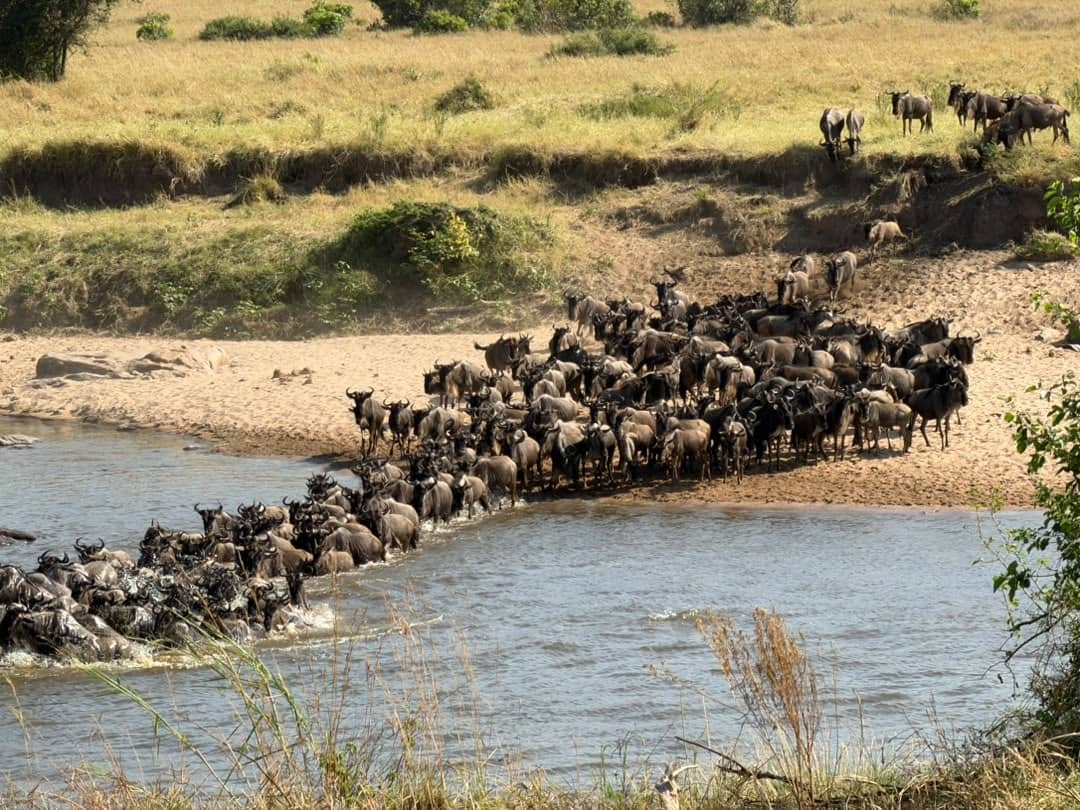
A Great Migration safari Kenya experience takes you into one of Africa’s most remarkable wildlife spectacles. Every year, huge herds of wildebeest, zebra, and other grazing animals move through the Serengeti-Mara ecosystem in search of fresh grass and water. The movement continues throughout the year. However, the most famous part of the cycle takes place when the herds reach Kenya’s Masai Mara, usually between July and October.
For many travelers, the highlight is the Mara River crossing. Thousands of wildebeest may gather along the river before making a dangerous crossing. Crocodiles wait in the water, while lions, hyenas, and other predators watch from nearby. Yet, the crossing does not happen on a fixed date. Rainfall, grass, water levels, and herd movement control the timing. Therefore, a good safari plan should focus on spending enough time in the Mara rather than chasing one guaranteed crossing.
Zamunda Travels can help travelers plan a Kenya safari around the migration season while also including the Mara’s resident wildlife. This approach gives you more than a single dramatic moment. It gives you an opportunity to experience the landscapes, predators, plains, and wildlife interactions that make the Masai Mara special.
What Is the Great Migration in Kenya?
The Great Migration is the seasonal movement of large herbivore herds across the Serengeti-Mara ecosystem. Wildebeest form the largest part of the spectacle, while large numbers of zebra and gazelles also move through the ecosystem. The animals follow rainfall and fresh grazing rather than political borders. As a result, the migration naturally moves between Tanzania and Kenya.
The Kenyan section of this ecosystem is the Masai Mara. The reserve offers open grasslands, riverine areas, woodland, and permanent wildlife populations. During the migration season, the visiting herds add another layer to an already productive wildlife area. Lions, cheetahs, leopards, hyenas, crocodiles, and vultures can benefit from the large concentration of prey.
Importantly, the migration does not simply arrive in Kenya and remain in one location. Herds can spread across different parts of the Mara ecosystem. Their exact position changes with local conditions. That is why experienced guides and flexible safari planning matter.
When Is the Best Time?
The most popular period for a Great Migration safari Kenya is July to October. Kenya’s official tourism information identifies this period as the dramatic migration season when large herds can enter the Masai Mara and attempt to cross the Mara River.
However, each month offers a slightly different experience.
July: The Migration Begins to Reach the Mara
July often marks the beginning of the main migration season in Kenya. Some herds move north from the Serengeti toward the Mara. The exact arrival date varies because rainfall controls the availability of grass and water.
July can be an excellent choice for travelers who want to visit early in the migration season. Wildlife numbers can increase quickly as herds enter the Mara. At the same time, some river crossings may occur.
Still, do not treat July 1 as a guaranteed migration date. Nature does not follow a calendar. The herds may arrive earlier or later depending on conditions.
August: A Popular Month for River Crossings
August is one of the most popular months for a Great Migration safari Kenya. Large herds may gather around the Mara River, creating opportunities to witness dramatic crossings.
The river crossing is one of the most unpredictable parts of the migration. Wildebeest can gather on one side for hours. They may then suddenly enter the water. At other times, the herd may move away without crossing.
This uncertainty makes August exciting. It also means travelers should avoid booking a safari based on the promise of seeing a crossing on a particular day.
The official Magical Kenya tourism website describes July to October as the key migration period and highlights the Mara River crossings as one of the event’s most dramatic moments.
September: Excellent for a Migration Safari
September can be another excellent month for seeing large herds in the Masai Mara. By this point, many travelers are already in the region. However, the exact location of the animals still depends on rainfall and grazing conditions.
September can work particularly well for visitors who want a combination of migration viewing and traditional big-game safari. The Mara supports resident populations of lions, elephants, buffalo, giraffes, cheetahs, and other wildlife throughout the year.
If your main goal is to experience the migration rather than guarantee one particular crossing, September can provide an excellent balance.
October: The Herds Begin Moving South
October can still offer migration activity in the Mara. However, some herds may begin moving south toward the Serengeti as conditions change.
This month can suit travelers who prefer a potentially quieter experience than the busiest parts of the peak season. You can still enjoy excellent wildlife viewing because the Mara remains productive beyond the migration.
For this reason, October should not be dismissed simply because the migration cycle begins to shift south.
Is August the Best Month?
Many travelers ask whether August is the single best month for a Great Migration safari Kenya. The answer is more complicated.
August is certainly a strong month for migration activity. The Mara River may see dramatic crossings, and large concentrations of wildebeest can create excellent predator-viewing opportunities. However, there is no official date that guarantees a river crossing.
The Kenya Wildlife Service has documented the seasonal movement of wildebeest into the Mara between July and October. It also notes that rainfall and food availability influence annual movement patterns.
Therefore, the best strategy is to choose a strong migration window and allow enough time for nature to determine the actual experience.
A four-night safari can provide more opportunities than a one-night visit. If the herds are near the river on one day, you have time to return. If they are elsewhere, your guide can focus on other wildlife.
Why the Mara River Crossing Is So Famous
The Mara River crossing has become the iconic image of the Great Migration. Herds gather along the river before attempting to reach grazing areas on the opposite side.
The crossing can be chaotic. Wildebeest face steep banks, strong currents, deep water, and crocodiles. Some animals turn back. Others wait for the herd to build enough pressure before entering the water.
For visitors, the most remarkable part is the unpredictability. You may spend hours watching animals gather. Then, without much warning, thousands can begin moving.
However, a responsible safari should never treat animals as entertainment. Vehicles should give wildlife space and follow reserve regulations. Good guides also avoid creating unnecessary pressure around crossing points.
The Mara River is not only important during the migration. Hippos and crocodiles live in its waters, while the surrounding landscape supports many other species.
What Wildlife Can You See During the Migration?
A migration safari is about much more than wildebeest.
Wildebeest and Zebra
Wildebeest form the main spectacle. Large herds move across the grasslands while zebra travel alongside them. Their movement creates a constantly changing wildlife scene.
The sight of a long line of animals stretching across the plains can be impressive even when there is no river crossing.
Lions and Other Big Cats
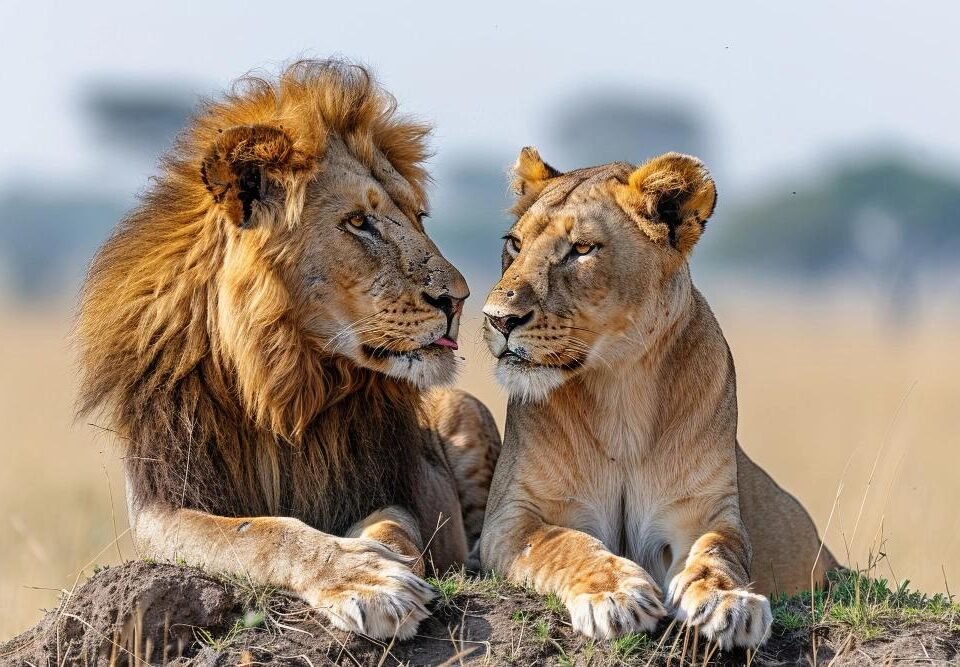
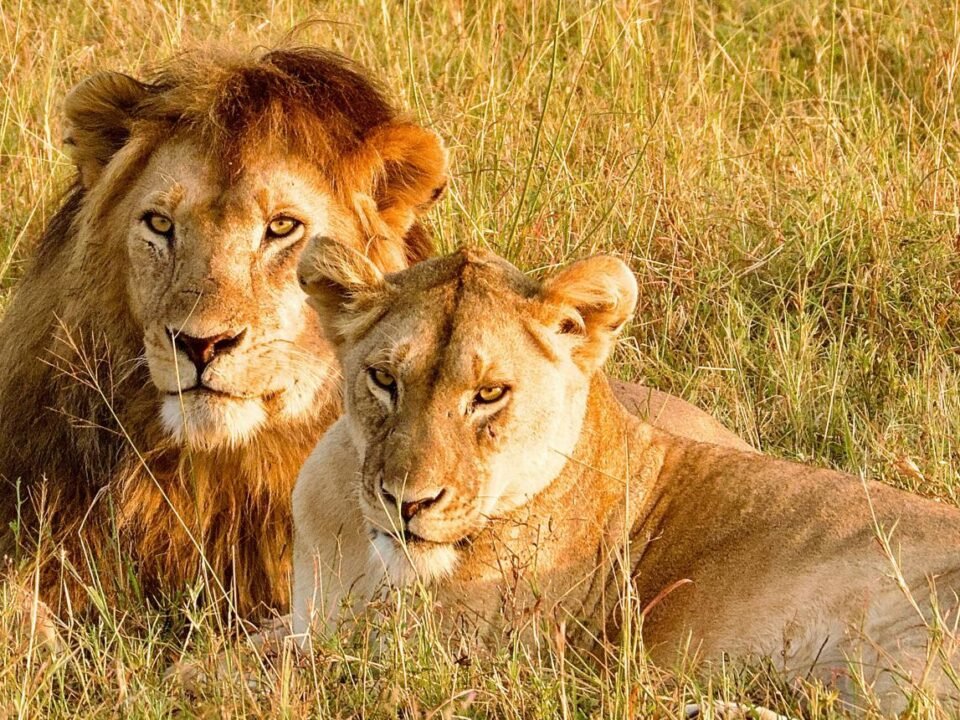
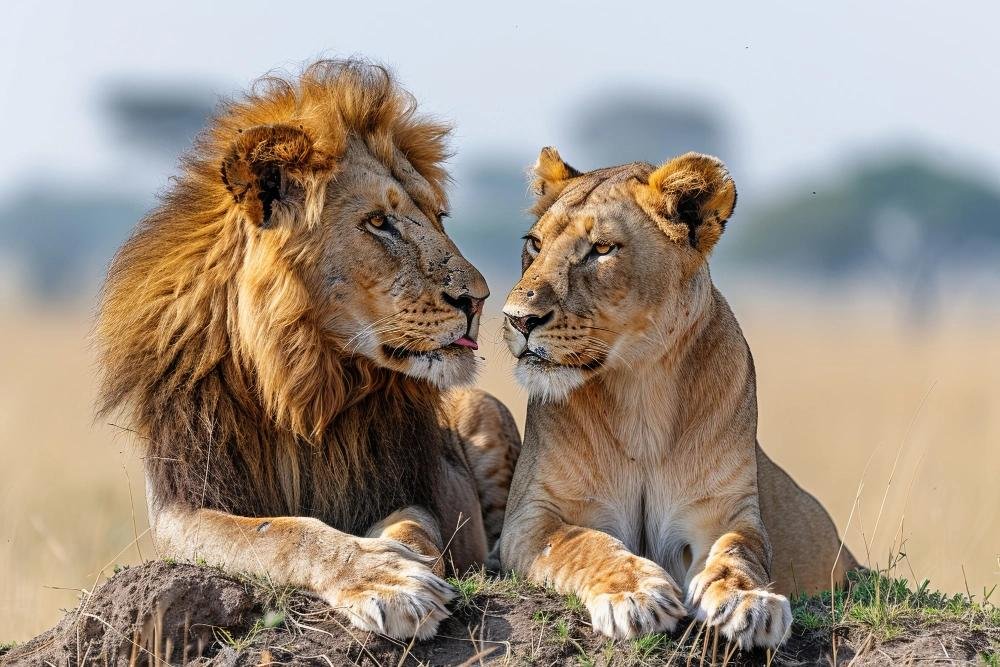
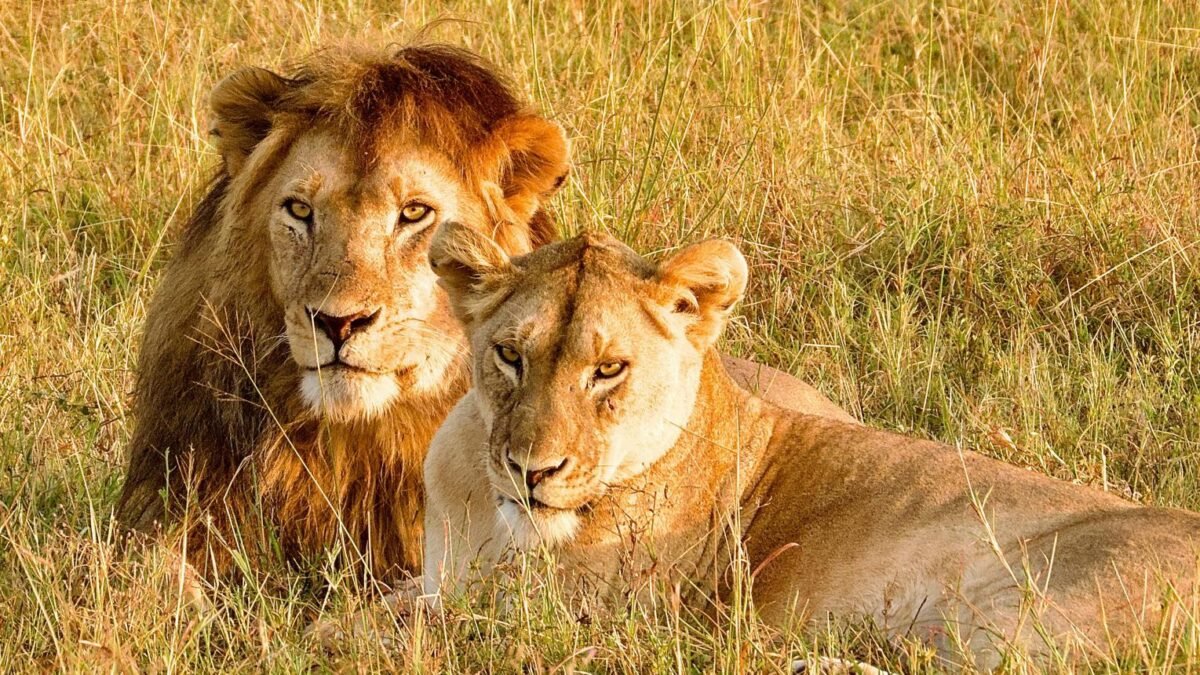
The arrival of large prey concentrations creates excellent opportunities for predator viewing. Lions are particularly important in the Mara ecosystem. Cheetahs and leopards also live in the region.
Predator sightings do not depend entirely on the migration. Resident wildlife remains in the Mara throughout the year. This makes the destination valuable even when the herds are elsewhere.
Crocodiles and Hippos
The Mara River supports large crocodiles and hippos. During migration season, crocodiles may position themselves near potential crossing points.
This interaction between predators and migrating herbivores is one reason the river crossing attracts so much attention.
Giraffes, Elephants and Buffalo
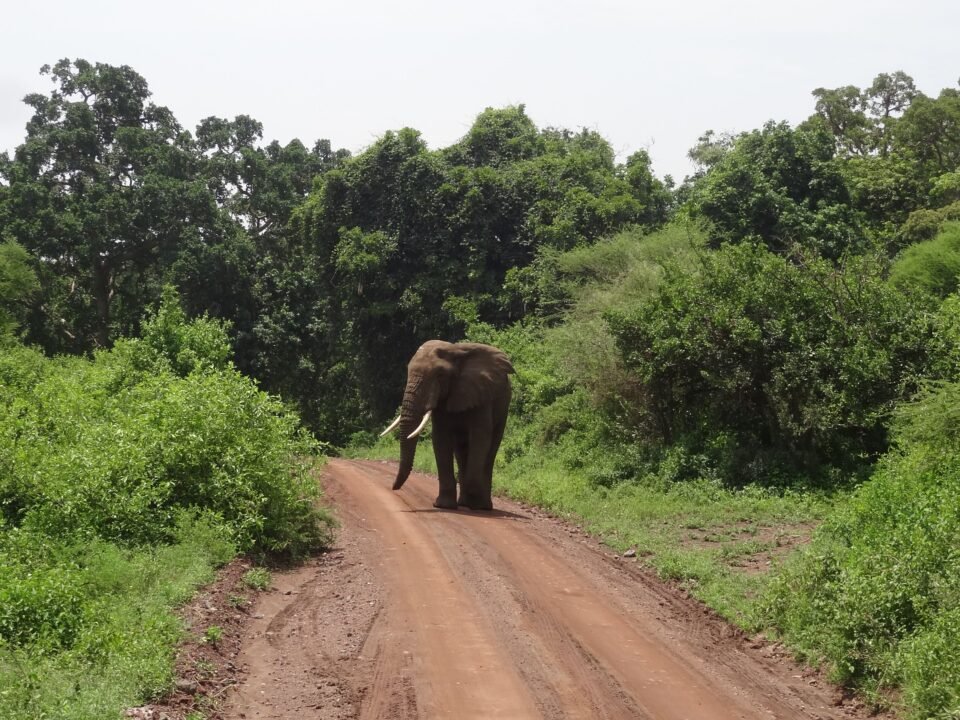
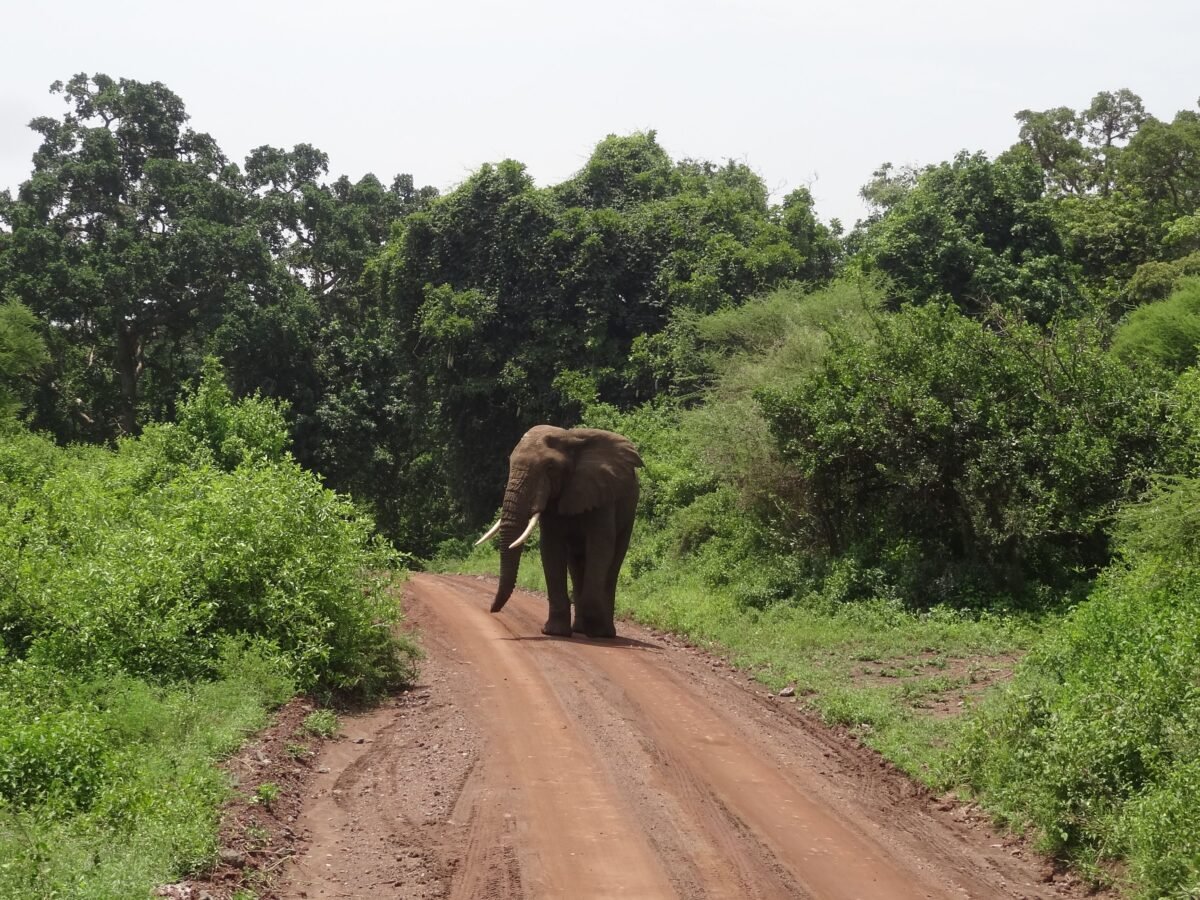
The Mara offers excellent resident wildlife beyond the migration. Visitors can encounter giraffes, elephants, buffalo, warthogs, gazelles, topi, hartebeest, and other plains species.
Therefore, Zamunda Travels recommends treating the migration as one part of the safari rather than the entire safari.
How Long Should You Spend in Masai Mara?
For a migration-focused trip, three nights is a useful minimum, while four or five nights can provide greater flexibility.
A short safari may still produce excellent sightings. However, longer stays give your guide more opportunities to follow changing wildlife patterns.
For example, a four-day itinerary can allow you to spend several full days on game drives. You can explore different sections of the ecosystem and monitor areas where herds are gathering.
A longer stay also reduces the pressure to see everything in one game drive. That matters because wildlife follows its own rhythm.
Zamunda Travels can design a private or small-group itinerary around your preferred travel dates, budget, accommodation level, and migration priorities.
Where Should You Stay for the Migration?
Accommodation location can affect your safari experience. The Mara ecosystem contains the main reserve and surrounding conservancies. Each area can offer a different style of safari.
Travelers focused on river crossings should discuss their accommodation location with their safari operator before booking. A camp may advertise a migration experience, but its actual distance from the areas you want to explore can affect daily driving time.
Private conservancies can also offer a quieter safari environment and additional activities, depending on local rules and the specific conservancy. The wider ecosystem is much larger than the reserve itself, so location deserves careful consideration.
Zamunda Travels can help match accommodation with your itinerary instead of selecting a camp based only on price or photographs.
What Makes a Great Migration Safari Kenya Different?
A Great Migration safari Kenya combines seasonal wildlife movement with the year-round attractions of the Masai Mara.
The difference is especially clear during peak migration months. You may start the morning by watching lions on the open plains. Later, you may find a large herd of wildebeest moving across the landscape. In the afternoon, your guide may track elephants, giraffes, or cheetahs.
This variety makes the Mara valuable even if you never witness a river crossing.
Moreover, the migration demonstrates how closely wildlife depends on rainfall and grass. The animals move because the ecosystem changes. Understanding that process can make the safari more meaningful.
Tips for Planning Your Kenya Great Migration Safari
Book Early for Peak Season
July to October attracts high demand. Camps and lodges in popular locations can fill quickly, especially during the busiest weeks.
Early planning gives you more accommodation choices. It can also make it easier to secure your preferred room category and safari dates.
Allow Enough Time
Avoid planning your entire safari around one morning. River crossings remain unpredictable.
Instead, spend several nights in the Mara. This gives your guide time to monitor herd movements and adjust game-drive plans.
Choose an Experienced Guide
A skilled guide can make a major difference. Guides understand animal behavior, tracks, roads, weather patterns, and common wildlife areas.
They also know how to position the vehicle responsibly without disturbing animals.
Use a Good Safari Vehicle
A comfortable 4×4 safari vehicle with good visibility can improve the experience. You will spend long periods on game drives, so comfort matters.
A pop-up roof can also provide an excellent viewing position when conditions allow.
Pack for Changing Conditions
Mornings can feel cool, while afternoons may become warm. Bring layered clothing, a hat, sunscreen, binoculars, comfortable shoes, and a camera.
A light jacket can be particularly useful during early morning drives.
Keep Your Expectations Realistic
The biggest mistake is expecting nature to perform on demand.
You may see thousands of wildebeest but miss a river crossing. Another traveler may arrive at the river at exactly the right moment.
Both experiences are authentic.
What Is the Best Month?
If your priority is the highest chance of experiencing the main migration season, plan between July and October.
If your main goal is river-crossing opportunities, August and September are popular choices. However, neither month guarantees a crossing.
If you prefer a broader wildlife experience with fewer peak-season pressures, consider visiting outside the main migration period. The Masai Mara has excellent resident wildlife throughout the year.
| Month | Migration experience | Best for |
|---|---|---|
| July | Herds may begin entering the Mara | Early migration |
| August | Strong migration season | River-crossing opportunities |
| September | Strong migration season | Herds and predators |
| October | Migration begins shifting south | Migration plus general wildlife |
| January–March | Outside main migration period | Predators and general game viewing |
| April–May | Green and wetter period | Fewer crowds and lush scenery |
| June | Transition period | Wildlife and early migration possibilities |
The key point is simple: choose a season, not a guaranteed event date.
Why Choose Zamunda Travels for Your Kenya Safari?
Zamunda Travels can help you plan a Kenya safari that goes beyond simply visiting the Masai Mara.
We can combine the Great Migration with other Kenyan destinations, depending on your available time and interests. For example, a longer itinerary can include Lake Naivasha, Amboseli, or other wildlife areas.
Our approach focuses on matching the itinerary with your travel goals. If your priority is the migration, we can build the safari around the July-to-October window. If you want a broader Kenya experience, we can combine the Mara with other destinations.
Most importantly, we help you understand what the migration can realistically offer. The herds follow nature, so no responsible operator can guarantee a particular river crossing on a particular day.
Instead, good planning gives you the best possible opportunity to experience this extraordinary natural cycle.
Final Thoughts on the Great Migration in Masai Mara
The Masai Mara remains one of the world’s most exciting safari destinations because it combines dramatic landscapes, abundant wildlife, powerful predators, and the annual movement of enormous herds.
The best-known migration period runs from July to October, while the most famous river crossings can occur during this window. Yet, the exact timing changes each year. Rainfall, grazing conditions, water, and herd behavior all influence the movement.
For that reason, the best Great Migration safari Kenya is not necessarily the safari with the most expensive camp or the shortest route to the river. It is the safari that gives you enough time, a knowledgeable guide, a well-positioned base, and realistic expectations.
With Zamunda Travels, you can plan your Masai Mara adventure around the migration while still enjoying the area’s year-round wildlife. Whether you dream of seeing thousands of wildebeest crossing the Mara River or simply want to watch predators move across the golden plains, the Mara offers an unforgettable Kenya safari experience.