Great Migration Safari Kenya
October 8, 2026
Amboseli National Park Safari
October 8, 2026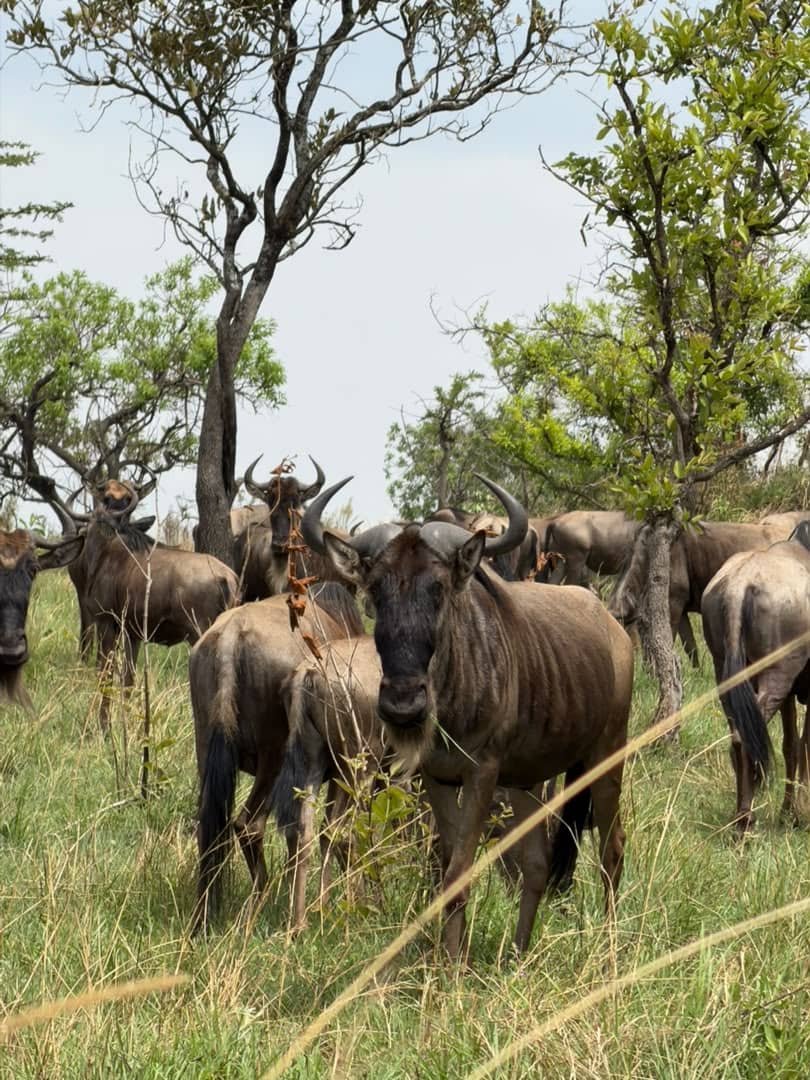
A Masai Mara safari is one of the best ways to experience Kenya’s wildlife, landscapes and rich safari culture. The Masai Mara National Reserve sits in southwestern Kenya, in Narok County, near the Tanzania border. It forms the northern part of the wider Serengeti-Mara ecosystem and covers about 1,510 square kilometres.
The reserve is famous for its large wildlife populations, open grasslands and excellent predator sightings. It is also one of the most important destinations for viewing the Great Wildebeest Migration. However, the Mara is not only a migration destination. Resident wildlife makes it rewarding throughout the year.
At Zamunda Travels, we help travellers choose the right season, accommodation and itinerary for their safari goals. Whether you want the Great Migration, Big Five viewing, photography or a relaxed family safari, the Masai Mara can offer an unforgettable experience.
What Makes a Masai Mara Safari Special?
A Masai Mara safari combines open savannah, abundant wildlife and dramatic seasonal changes. The landscape makes animals relatively easy to spot, especially during the drier months when grass becomes shorter and wildlife often concentrates around water sources.
The Mara is well known for lions, cheetahs and leopards. It also supports elephants, buffalo, giraffes, hippos, crocodiles, wildebeest, zebras, gazelles and many other species. The high concentration of predators makes the reserve particularly attractive to travellers who want close encounters with African wildlife.
The wider ecosystem also supports important wildlife corridors and community conservancies. Therefore, the safari experience can extend beyond the boundaries of the National Reserve.
Where Is the Masai Mara?
The Masai Mara National Reserve is located in southwestern Kenya, within Narok County. It borders Tanzania’s Serengeti National Park to the south. Together, the two protected areas form part of one connected ecological system.
The reserve is about 270 kilometres from Nairobi by road. Travellers can reach the Mara by road or by domestic flight from Nairobi.
It is also important to understand that the term Masai Mara can describe more than the National Reserve. The wider Mara ecosystem includes the Reserve, Mara Triangle and several community-owned conservancies. Wildlife moves across these areas according to rainfall, food and water rather than administrative boundaries.
This distinction matters when choosing accommodation. Your camp location can affect driving time, access to wildlife areas and the overall style of your safari.
Best Time for a Masai Mara Safari
The best time for a Masai Mara safari depends on what you want to see. There is no single perfect month for every traveller. Wildlife remains in the Mara throughout the year, but weather, grass, migration movements, road conditions and visitor numbers change with the seasons.
For the Great Migration, July to October is the main period to consider. August and September usually offer some of the strongest opportunities for seeing large herds in the Mara. However, migration timing changes from year to year because rainfall influences animal movement.
For general wildlife viewing, January and February can also be excellent. June to October offers good visibility, while the green seasons provide lush scenery, fewer visitors and excellent birdwatching opportunities.
July to October: Great Migration Season
July to October is the classic Masai Mara safari season for travellers interested in the Great Migration. Large herds of wildebeest and zebra can move through the Mara during this period.
The migration is not a single event. It is a continuous movement across the Serengeti-Mara ecosystem. Rainfall, fresh grass and water availability influence where the herds travel.
August and September are particularly popular. These months can offer large herds, strong predator activity and opportunities to witness dramatic river crossings.
However, river crossings are never guaranteed. A herd may reach the river and wait for hours. It may also turn back or cross somewhere else. Therefore, travellers should allow several days rather than planning an entire safari around one crossing.
January to February: Excellent Wildlife Viewing
January and February can provide excellent general game viewing. The weather is often relatively dry, visibility is good and the grass can be shorter.
These conditions can make predators easier to locate. Lions, cheetahs and leopards remain major attractions, while elephants, buffalo and other herbivores continue to move through the ecosystem.
This period can suit travellers who want strong wildlife viewing without making the Great Migration their main objective.
March to May: Green Season
March to May generally brings the long rains. Roads can become muddy, and some game drives may take longer. However, the landscape becomes green and beautiful.
The green season can be attractive to photographers and birdwatchers. Migratory birds are also present during part of this period.
Visitor numbers can also be lower. Therefore, travellers who prefer a quieter safari may find this season appealing.
November to December: Quieter and Greener
The short-rain season can refresh the landscape and reduce visitor numbers. Wildlife viewing remains possible, although road conditions can vary with rainfall.
November can be particularly attractive for travellers who want fewer vehicles and greener scenery. December can become busier around the holiday period.
At Zamunda Travels, we consider these seasonal differences when helping clients select their travel dates.
What to Expect on a Masai Mara Safari
A typical Masai Mara safari starts early in the morning. Sunrise game drives offer cool temperatures and good opportunities to find active wildlife.
Your guide will search for animals based on recent sightings, tracks, habitat and behaviour. You may encounter a pride of lions, a solitary elephant, a cheetah on the plains or a leopard resting in woodland.
After the morning drive, you usually return to your lodge or camp for breakfast and relaxation. An afternoon game drive can then begin later in the day when temperatures become cooler.
Full-day game drives are also useful, especially during the Great Migration. They allow you to spend more time in wildlife areas and increase your chances of finding moving herds.
A safari is not simply about collecting animal sightings. A good guide also explains animal behaviour, tracks, birds, vegetation and the relationship between different species.
Wildlife You Can See in the Masai Mara
The Masai Mara supports a remarkable variety of wildlife. Lions are among the most commonly sought predators, while cheetahs are often found in open areas where they can use their speed.
Leopards can be more difficult to find because they often remain around wooded and riverine areas. Their camouflage also makes them easy to miss.
Elephants and buffalo are widespread. Giraffes browse on shrubs and trees, while hippos spend much of their time in rivers and pools.
The grasslands support wildebeest, zebras, impalas, gazelles and other herbivores. Hyenas also play an important role as predators and scavengers.
Birdlife adds another dimension to the safari. The Mara supports resident birds and seasonal migrants, with river corridors, wetlands and open plains providing different habitats.
The Great Migration in the Masai Mara
The Great Migration is one of the main reasons travellers book a Masai Mara safari. It involves more than just wildebeest. Large numbers of zebra and gazelles also move through the Serengeti-Mara ecosystem.
The movement is driven by rainfall, fresh grazing and water availability. It continues throughout the year as animals move between different parts of Tanzania and Kenya.
The Mara normally receives major concentrations during the northern phase of the migration, commonly from July to October.
Mara River Crossings
The Mara River is famous for dramatic wildebeest crossings. However, these crossings are unpredictable.
Herds can gather on the riverbank and wait for a long time. They may cross suddenly, or they may move away without crossing.
Therefore, a responsible safari operator should never promise a specific river crossing on a specific day.
The best approach is to spend several nights in the Mara and remain flexible. An experienced guide can monitor herd movements and select suitable viewing areas.
Masai Mara National Reserve vs Conservancies
When planning your safari, you may need to choose between staying near the National Reserve and staying in a surrounding conservancy.
The National Reserve provides access to the main protected wildlife area. Surrounding conservancies form part of the wider Mara ecosystem and can offer a quieter safari environment.
Conservancies can also provide activities that are not normally available inside the National Reserve. Depending on the location, these may include guided walks, night drives, cultural experiences or horseback safaris.
Your accommodation choice should therefore match your interests. At Zamunda Travels, we can help you select an area that fits your safari priorities and budget.
How Many Days Do You Need in the Masai Mara?
For a first visit, three to four nights is a good starting point. This gives you several game drives and enough time to explore different parts of the ecosystem.
If the Great Migration is your main goal, consider staying longer. River crossings cannot be scheduled, so additional days give you more opportunities.
A longer stay also creates a more relaxed safari. You do not need to rush from one sighting to another.
For travellers combining the Mara with other Kenyan destinations, three nights can work well. A longer stay is better when the Mara is the main focus of the trip.
How to Get to the Masai Mara
Most international travellers begin their Kenya safari in Nairobi. From Nairobi, you can travel to the Mara by road or fly on a scheduled domestic safari flight.
Road travel takes longer. However, it allows you to experience more of the Kenyan countryside.
Flying saves time and works well for travellers with limited days. It can also make sense when combining the Mara with other destinations.
Your choice should depend on your budget, itinerary and available travel time.
Masai Mara Safari Activities
Game drives remain the main activity. However, the wider Mara ecosystem offers several other experiences.
Depending on your location, you may enjoy:
- Morning game drives
- Afternoon game drives
- Full-day game drives
- Great Migration viewing
- Wildlife photography
- Birdwatching
- Maasai cultural experiences
- Hot-air balloon safaris
- Guided walks in selected conservancies
- Night drives in permitted areas
- Sundowners
- Bush meals
Not every activity is available inside the National Reserve. Some experiences operate in conservancies or private areas. Therefore, check the location before booking.
Where to Stay on a Masai Mara Safari
Accommodation ranges from budget camps to mid-range tented camps and luxury safari lodges.
Location is one of the most important factors. A beautiful camp may still be inconvenient if it requires long drives to the areas you want to explore.
During migration season, location becomes even more important. Staying closer to your preferred wildlife areas can reduce unnecessary driving time.
At Zamunda Travels, we can recommend accommodation based on your budget, travel dates and safari interests rather than choosing a property based only on its price.
How Much Does a Masai Mara Safari Cost?
The cost of a Masai Mara safari depends on several factors. These include the number of days, accommodation category, transport, number of travellers, season and activities.
Peak migration months usually attract higher demand. Luxury camps also cost more because they offer additional services and premium locations.
Your safari quotation should clearly explain what is included. Depending on the package, this may include accommodation, meals, transport, game drives, guide services and relevant conservation or reserve fees.
Current fees should always be confirmed before booking because tourism charges can change. Travellers should avoid relying on old prices published on outdated safari websites.
What to Pack for a Masai Mara Safari
Pack lightweight and comfortable clothing for daytime game drives. Early mornings can feel cool, so a warm layer is useful.
Your packing list should include:
- Lightweight trousers and shirts
- Warm jacket or fleece
- Comfortable walking shoes
- Hat
- Sunglasses
- Sunscreen
- Insect repellent
- Binoculars
- Camera and spare batteries
- Power bank
- Reusable water bottle
- Small day bag
- Light rain jacket
If you travel during the rainy season, protect your camera and other electronics from water.
Responsible Tourism in the Masai Mara
Responsible tourism protects the wildlife and landscapes that make the Mara special.
Visitors should follow their guide’s instructions and respect wildlife space. Do not ask your driver to chase animals or leave authorised tracks simply to get a better photograph.
During river crossings, vehicles should avoid blocking the animals’ routes. They should also leave enough space for animals to exit the water safely.
Responsible driving also protects grasslands, riverbanks and fragile soils. Off-road driving can cause erosion, vegetation loss and other environmental problems.
A good safari should therefore create memorable experiences without damaging the ecosystem.
Maasai Culture and Community Experiences
The Mara is also a cultural destination. Maasai communities have a long connection with the landscape and wildlife.
Depending on your itinerary, you can include a community experience to learn about local traditions, livelihoods and conservation.
Cultural visits should always be respectful. Travellers should interact with communities as guests rather than treating local people as part of a tourist display.
Zamunda Travels can include meaningful cultural experiences when they fit the interests of the traveller.
Masai Mara Safari Photography Tips
Early morning and late afternoon often provide beautiful light for wildlife photography.
Keep your camera ready during game drives because wildlife can appear without warning. A telephoto lens is useful when photographing animals from a safe distance.
If you visit during migration season, do not focus only on river crossings. Herds moving across the plains, dust rising behind animals and predator interactions can produce equally memorable photographs.
Most importantly, never pressure a driver to break wildlife rules for a photograph.
Why Choose Zamunda Travels for Your Kenya Safari?
Planning a safari involves more than selecting a famous park. Your travel dates, accommodation, route and number of nights all affect the experience.
Zamunda Travels can help you design a Kenya safari around your interests and budget. You may want the Great Migration, Big Five wildlife, photography, cultural experiences or a combination of several destinations.
We can also combine the Masai Mara with destinations such as Nairobi, Lake Nakuru or Amboseli, depending on your available time.
The goal is to create a balanced itinerary that gives you enough time in each destination without spending unnecessary hours on the road.
Plan Your Masai Mara Safari With Zamunda Travels
A Masai Mara safari offers much more than a chance to see famous African animals. It combines wildlife, open landscapes, seasonal changes, culture and one of the world’s most remarkable natural movements.
July to October is the main period for travellers interested in the Great Migration. However, you do not need to visit during peak season to enjoy the Mara.
The right travel period depends on your priorities. Choose the migration season if you want large herds and possible river crossings. Choose the quieter seasons if you prefer fewer vehicles, greener scenery or better value.
Most importantly, give yourself enough time to enjoy the destination. The Mara is unpredictable, and that is part of its appeal.
For a well-planned Kenya safari, Zamunda Travels can help you choose the right itinerary, accommodation and travel season for your journey.