Amboseli National Park Safari
October 8, 2026
Tsavo West National Park Safari
October 8, 2026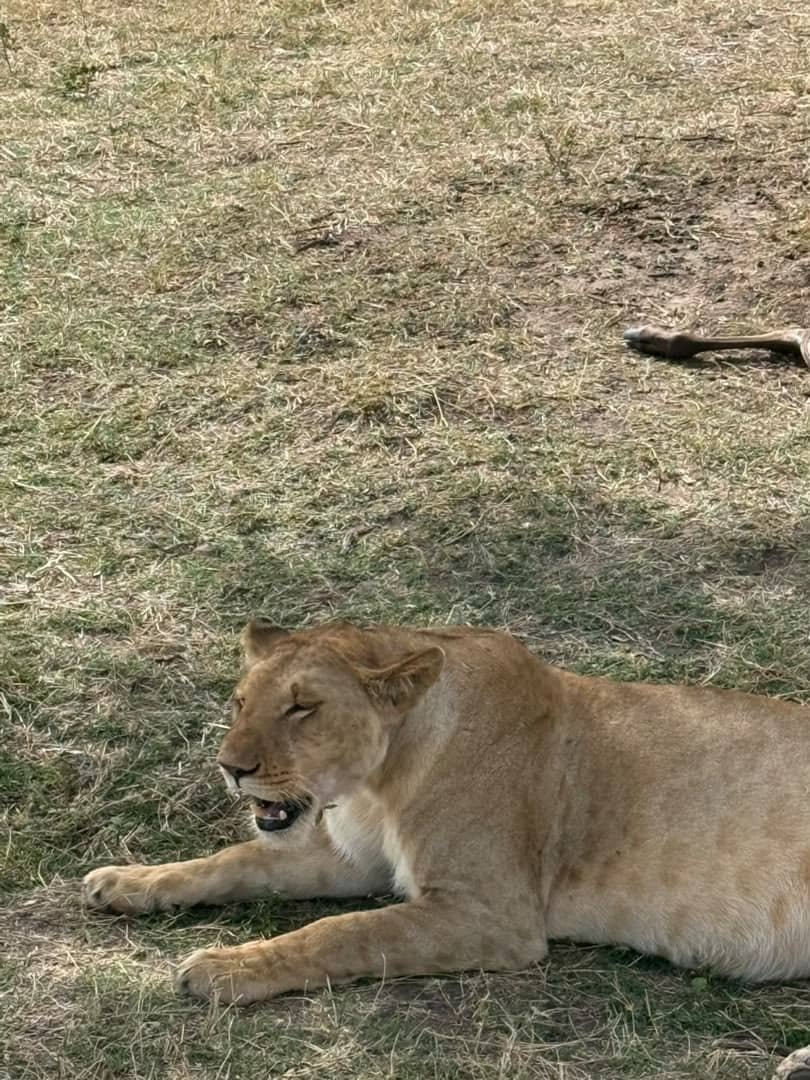
Tsavo East National Park is one of Kenya’s most remarkable wildlife destinations. The park covers about 13,747 square kilometres, making it Kenya’s largest national park. It forms part of the vast Tsavo Conservation Area with Tsavo West National Park and surrounding wildlife landscapes. The park lies in southeastern Kenya and offers a very different safari experience from the greener landscapes found in some other Kenyan parks. Its open plains, dry bushland, red soils, lava landscapes and seasonal rivers create a dramatic setting for wildlife viewing.
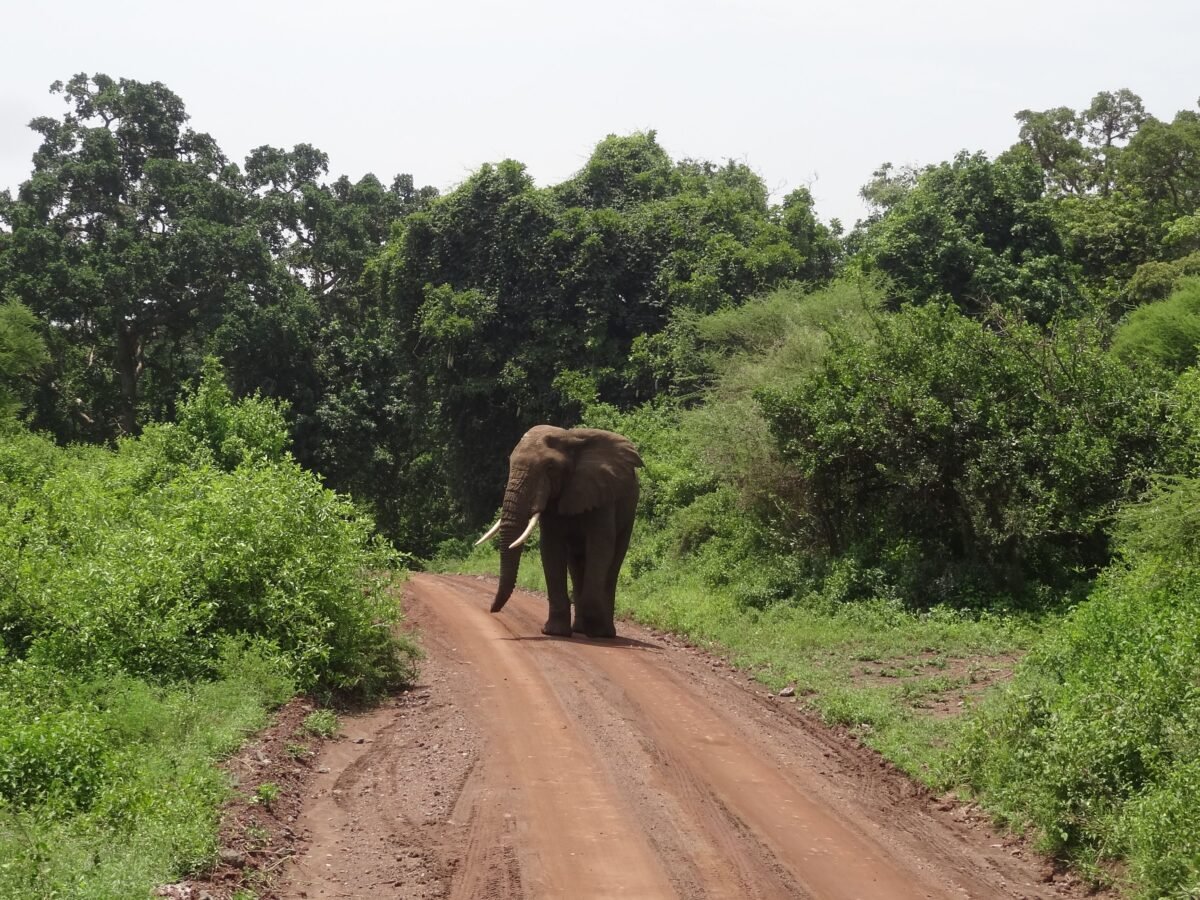
A Tsavo East safari is especially famous for its large elephant herds. Many elephants appear reddish because they cover their bodies with the park’s distinctive red soil. However, elephants are only part of the attraction. Visitors can also search for lions, buffaloes, giraffes, leopards, hippos, crocodiles, antelopes and many bird species. The park has recorded more than 500 bird species, making it an excellent destination for birdwatchers as well as traditional game-drive enthusiasts.
For travellers looking for a quieter alternative to some of Kenya’s busier safari destinations, Tsavo East offers enormous landscapes and a strong sense of wilderness. The park also works well in a Kenya safari itinerary that combines wildlife with the beaches of Mombasa, Diani or the Kenyan coast. With the right route and safari operator, travellers can experience wildlife, dramatic scenery and cultural encounters within one journey.
At Zamunda Travels, we help travellers plan Kenya safari experiences around their interests, travel time and budget. A well-planned Tsavo East safari can be arranged as a short wildlife escape or combined with other Kenyan destinations for a longer safari adventure.
Why Choose a Tsavo East Safari?
A Tsavo East safari offers a combination of scale, wildlife and landscapes that makes the park unique. Unlike smaller parks, Tsavo East gives visitors a strong feeling of open wilderness. The landscape stretches across huge areas of semi-arid bush and savannah. This creates excellent opportunities to enjoy long game drives and explore different habitats during the same trip. The Galana River and other water sources also create important wildlife areas within the dry landscape.
Another reason to visit is the park’s famous red elephants. The elephants often dust themselves with the park’s red soil. As a result, their bodies can take on a striking reddish appearance. Seeing a large herd moving across the plains is one of the defining experiences of a Tsavo safari.
The park also has strong historical and conservation importance. Tsavo East was established in April 1948 and remains one of Kenya’s most important protected areas. Today, Kenya Wildlife Service manages the park and protects its wildlife, habitats and natural resources.
Tsavo East also offers good access from Kenya’s coast. This makes it particularly attractive to travellers who want to combine a safari with a beach holiday. You can spend several days exploring the park before continuing towards Mombasa or another coastal destination.
Wildlife to See on a Tsavo East Safari
Wildlife viewing is the main reason most travellers visit Tsavo East. The park supports a wide range of large mammals. These include elephants, lions, buffaloes, giraffes, hippos, crocodiles, leopards and several antelope species. The park is also known for species such as lesser kudu, gerenuk and hirola.
Elephants of Tsavo East
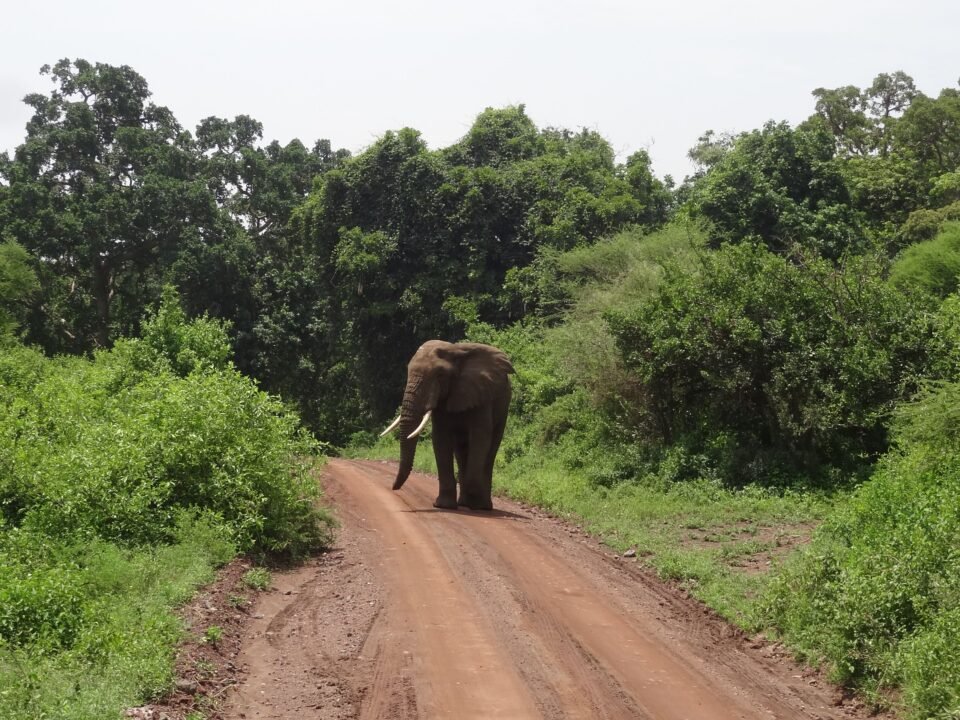
Elephants are the signature attraction of the park. Tsavo’s elephants have become famous because of their relationship with the area’s red soil. During dust baths, elephants throw soil over their backs and sides. This gives many animals a reddish appearance.
The Tsavo ecosystem also supports one of Kenya’s most important elephant populations. Kenya’s National Elephant Action Plan reports that, based on the 2021 census, Tsavo East held about 60% of the elephant population counted across the Tsavo ecosystem. This highlights the park’s importance for elephant conservation.
During a game drive, your guide may look for elephants near rivers, waterholes and open plains. However, sightings are never guaranteed because these are wild animals moving across a huge protected landscape.
Lions, Leopards and Other Predators
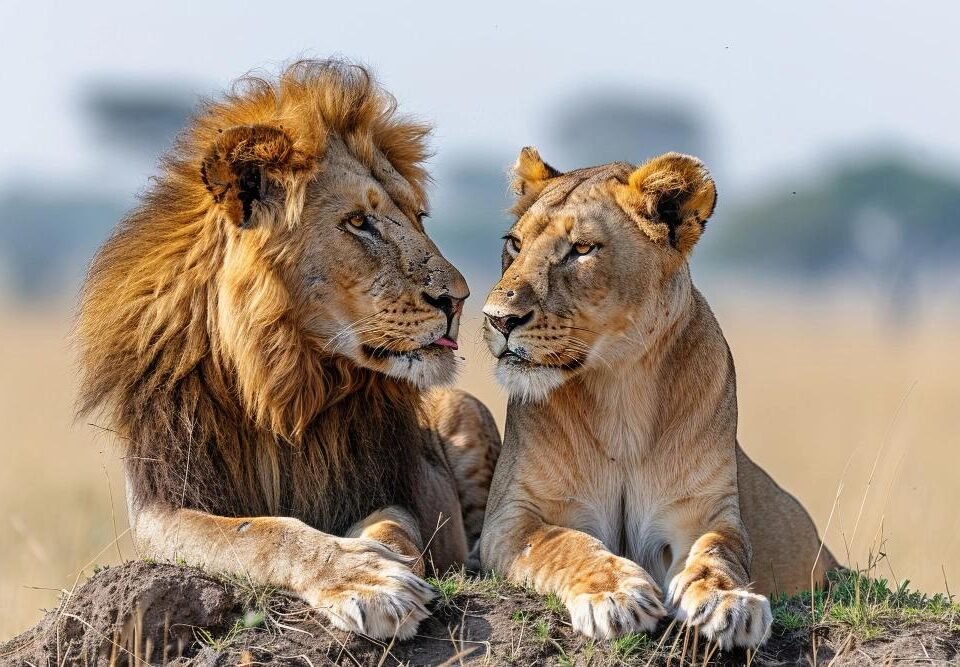
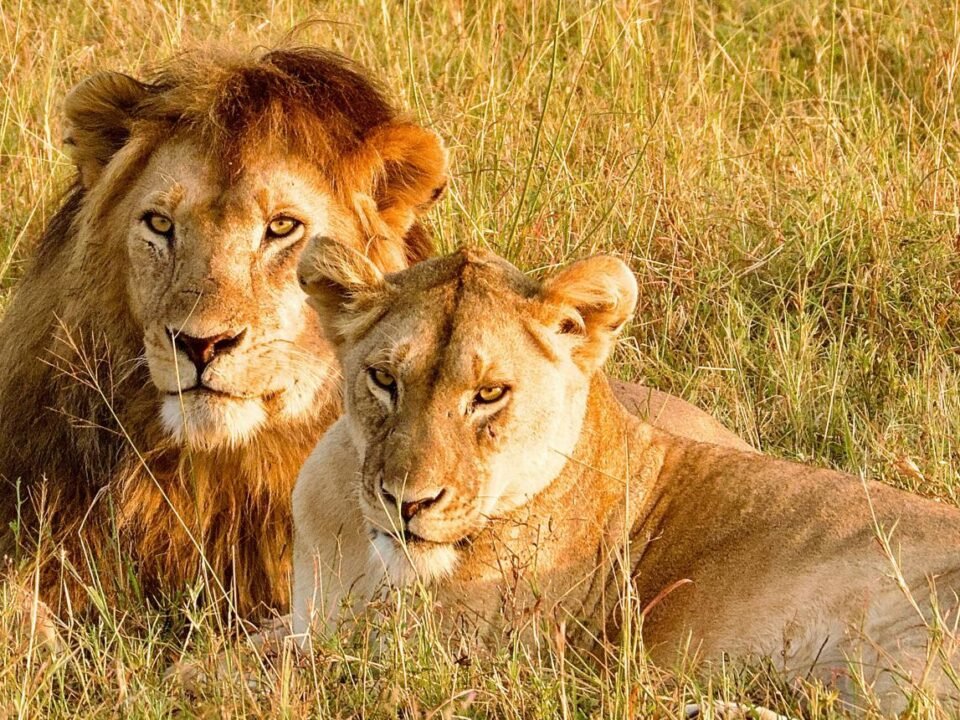
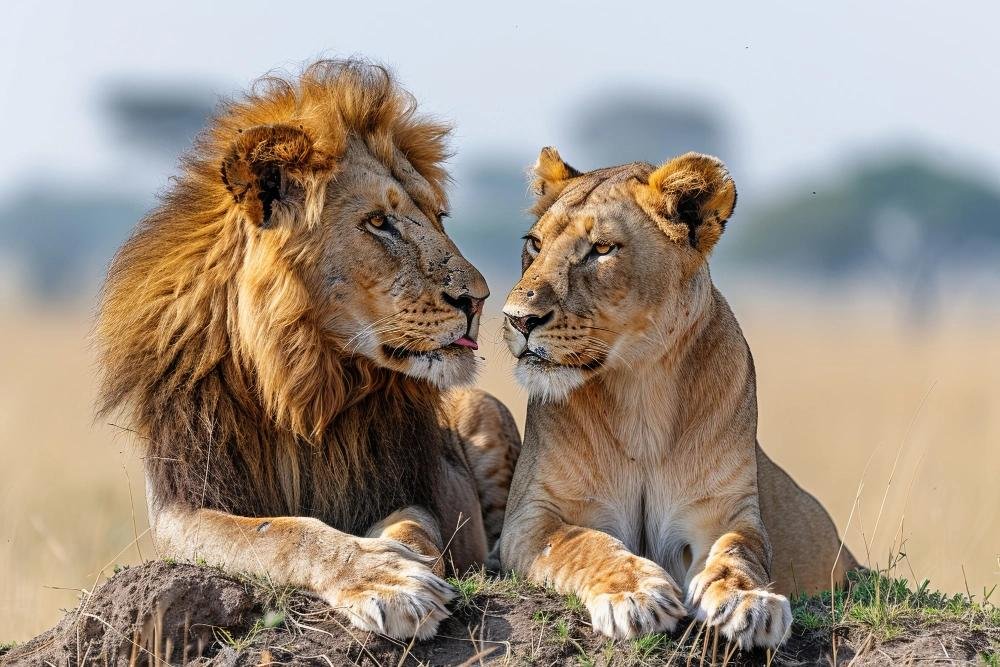
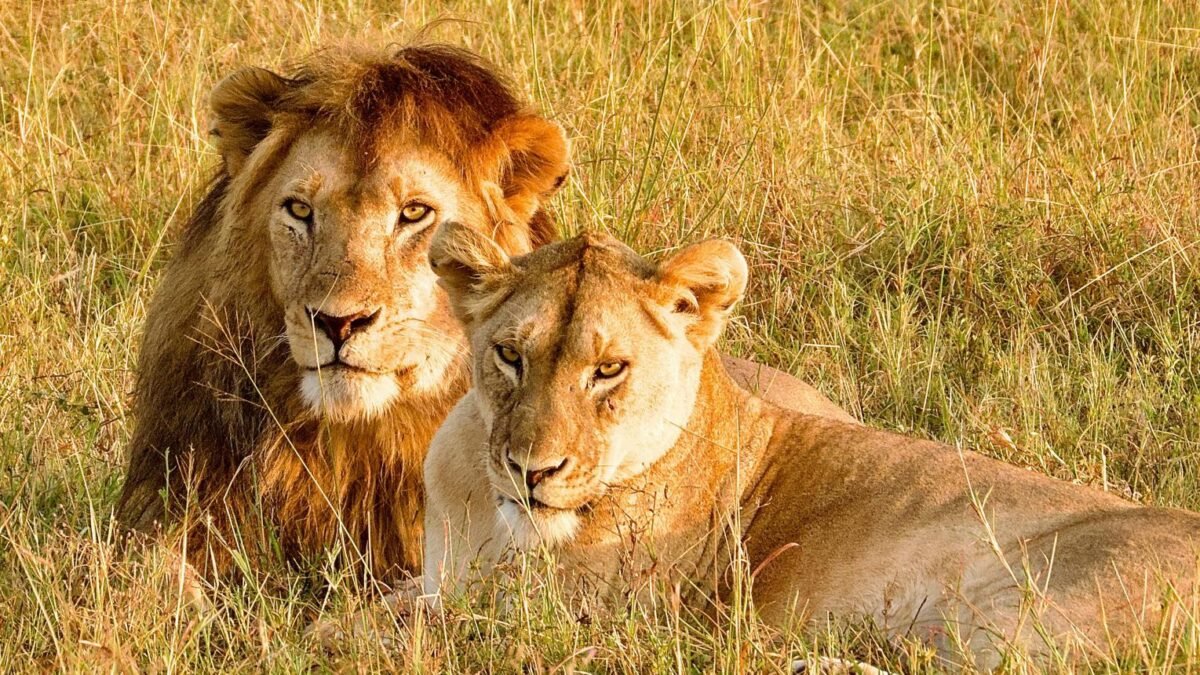
Tsavo East also supports important predator populations. Lions are regularly associated with the park, and Kenya Wildlife Service lists maneless lions among its notable attractions. Leopards can also occur in the park, although they are more difficult to find because of their secretive behaviour.
Hyenas add another important predator encounter. Your guide will normally use tracks, calls, fresh kills and recent sightings to search for predators. Early morning and late afternoon drives are particularly useful because many animals become more active during the cooler parts of the day.
Buffaloes, Giraffes and Antelopes
Large buffalo herds can be seen in suitable areas of the park. Giraffes are also present, while several antelope species add variety to game drives. Lesser kudu and gerenuk are among the more interesting antelopes to look for.
The gerenuk is particularly distinctive because of its long neck and unusual feeding behaviour. It can stand upright on its hind legs to reach vegetation above the normal browsing height of many other antelopes.
Hippos and Crocodiles
Water sources create some of the most productive wildlife-viewing areas in Tsavo East. Hippos and crocodiles can be found around suitable rivers and water bodies. The Galana River is one of the major water features associated with the park.
Water can also attract elephants, buffaloes and other animals during dry periods. Therefore, a game drive around a water source can produce several different wildlife encounters in a short period.
Best Attractions on a Tsavo East Safari
Tsavo East is not only about animals. Its landscapes and geological features are major attractions in their own right. The combination of lava formations, rivers, rocks and dry plains gives the park a distinctive appearance.
Yatta Plateau
The Yatta Plateau is one of Tsavo East’s most famous geographical features. It is described by Kenya Wildlife Service as the world’s longest lava flow. The enormous formation stretches across the landscape and demonstrates the volcanic history of the region.
The plateau creates an impressive backdrop during a game drive. It also helps explain why Tsavo has such a different appearance from many other Kenyan safari destinations.
Aruba Dam
Aruba Dam is another important wildlife-viewing location. Water attracts animals, particularly when surrounding areas become dry. This makes the dam a useful place for game viewing during a Tsavo East safari.
Depending on the season, visitors may see elephants, buffaloes, antelopes and birds around the water. Your guide can also assess recent animal activity before choosing the best viewing areas.
Mudanda Rock
Mudanda Rock is a striking geological formation overlooking a natural water catchment. Kenya Wildlife Service describes the rock as a long, whale-backed formation that attracts elephants during dry periods.
The viewpoint provides an opportunity to appreciate Tsavo’s scale from above. It is also a good location for photography because the rock and surrounding plains create a broad panoramic landscape.
Lugard’s Falls
Lugard’s Falls is associated with the Galana River. The river passes through an unusual series of eroded rock formations before continuing through the park. The falls and surrounding landscape create a scenic break from conventional game viewing.
The area is also associated with crocodile habitat, so visitors should follow their guide’s instructions and remain within permitted areas.
Best Time for a Tsavo East Safari
The best time for a Tsavo East safari depends on what you want to experience. Dry periods are generally attractive for traditional wildlife viewing because animals often gather around reliable water sources. The vegetation can also become thinner, which may make animals easier to spot.
The cooler months are especially comfortable for long game drives. Early mornings can be cool, while afternoons become warmer. Wildlife activity often increases again later in the day as temperatures fall.
The wet seasons offer a different experience. Rain transforms parts of the park and encourages fresh vegetation. Birdlife can become particularly rewarding during wetter periods. Migratory birds also add interest for birdwatchers. Kenya Wildlife Service records more than 500 bird species in Tsavo East.
Rather than choosing a single month as the only correct time to visit, travellers should consider their priorities. If your main goal is classic game viewing, a dry period may suit you best. If you enjoy landscapes, fewer visitors and birdwatching, the wetter months can also be rewarding.
Tsavo East Safari Activities
Game Drives
Game drives are the main activity in Tsavo East. Safari vehicles allow travellers to cover large areas while searching for wildlife. A knowledgeable guide can identify animal tracks, behaviour and likely viewing areas.
Morning drives are particularly useful because temperatures remain comfortable and many animals are active. Afternoon drives provide another opportunity after the heat of the day begins to decrease. Kenya’s official tourism information also recommends early morning and late afternoon for game viewing.
Birdwatching
Birdwatching deserves special attention in Tsavo East. The park has recorded more than 500 bird species, including resident and migratory birds. Different habitats support different species, so travellers who enjoy bird photography should allow enough time for slow and patient observation.
In 2026, Kenya Wildlife Service reported that Tsavo East had been recognised as Africa’s highest-ranked destination in a global birdwatching study. The park’s diverse habitats and large bird list make it an increasingly attractive destination for specialist birding trips.
Photography
Tsavo East is excellent for wildlife photography. The red soil, large elephants and wide horizons create strong visual compositions. The park’s open landscapes can also produce impressive sunrise and sunset photographs.
Photographers should use a long lens for wildlife and avoid disturbing animals. A good guide can position the vehicle carefully while keeping a respectful distance.
Guided Nature Experiences
Some parts of the wider Tsavo landscape offer guided nature experiences. These should always be arranged through authorised operators and follow park regulations. Visitors should never leave a vehicle in an undesignated area or approach wildlife on foot without proper guidance.
How to Get to Tsavo East National Park
Tsavo East is accessible by road, air and rail. This flexibility makes it easy to include in different Kenya safari itineraries.
By road, several gates provide access to different sections of the park. Kenya Wildlife Service lists Bachuma Gate, Voi Gate, Manyani Gate, Mtito Andei Gate and Sala Gate among the access points. The park is also connected to the Nairobi–Mombasa transport corridor.
Travellers arriving from Nairobi can approach Tsavo East through the road network towards the coast. Those starting from Mombasa can also reach the park by road. The best gate depends on your itinerary, accommodation and the area of Tsavo East you plan to explore.
You can also use airstrips within or near the park. KWS lists Voi and Ithumba as main airstrips, with additional airstrips serving different areas.
Rail travel is another option. Visitors can use the Standard Gauge Railway between Nairobi and the coast and connect with the safari by road. Voi and Miasenyi stations provide useful access points for safari planning.
Where to Stay on a Tsavo East Safari
Accommodation options range from campsites to safari lodges and tented camps. Your choice should depend on your budget, preferred comfort level and the area you want to explore.
Kenya Wildlife Service lists accommodation options that include Voi Safari Lodge, Ashnil Aruba Lodge, Sentrim Hotel, Impala Safari Lodge, Ngutuni Lodge, Satao Camp and Galdessa Tented Camp. The park also has public and special campsites for travellers seeking a more basic wilderness experience.
For a short safari, staying close to the area you plan to explore can save valuable driving time. For longer trips, you can also change accommodation to experience different parts of the park.
Zamunda Travels can help match accommodation with your safari budget and preferred travel style. Options can range from practical mid-range stays to more exclusive safari camps.
Tsavo East Safari Cost
The total cost of a Tsavo East safari depends on several factors. These include the number of travellers, safari duration, accommodation level, vehicle type, guide services, park fees, meals and transport.
Park entry fees are only one part of the overall safari price. Kenya Wildlife Service currently lists different entry rates according to visitor category. For non-resident adults, the listed park entry fee for Tsavo East is USD 80, while the listed non-resident child rate is USD 40. African citizens and other categories have different rates. Visitors should confirm the current KWS tariff before travel because fees can change.
A budget safari may use simpler accommodation and shared transport. A mid-range safari can provide more comfortable lodges and private transport. Luxury trips usually add premium camps, upgraded meals, private guiding and additional services.
At Zamunda Travels, we recommend comparing the complete safari package rather than looking only at the daily price. A slightly higher package can offer better accommodation, a private vehicle and a more efficient route.
How Many Days Do You Need for a Tsavo East Safari?
You can visit Tsavo East for one full day, but two to three days gives travellers more time to explore. A one-day trip can work well for visitors staying on the Kenyan coast. However, longer stays allow more game drives and reduce the pressure to find wildlife within a short period.
A 2-day Tsavo East safari can include an afternoon game drive on arrival, an overnight stay and a morning game drive before departure. This option works well for travellers with limited time.
A 3-day Tsavo East safari gives you more flexibility. You can explore different areas, spend more time around water sources and enjoy both morning and afternoon drives.
Longer itineraries can combine Tsavo East with Tsavo West, Amboseli National Park, the Maasai Mara or Kenya’s coastal beaches. Zamunda Travels can create a route based on your available time and travel priorities.
What to Pack for a Tsavo East Safari
Pack lightweight clothing that works well in warm weather. Neutral colours are useful for safari because they blend naturally with the environment. A light jacket can also help during cool early-morning drives.
Other useful items include sunscreen, sunglasses, a hat, insect repellent, binoculars, a camera and sufficient drinking water. Kenya Wildlife Service also recommends visitors carry personal essentials such as sunscreen, a first aid kit, binoculars, drinking water and a camera.
A small daypack is useful for keeping your essentials close during game drives. If photography is important to you, bring spare batteries, memory cards and suitable camera protection.
Tsavo East Safari Safety Tips
Tsavo East is a wild environment, so visitors must follow park regulations. Remain inside the vehicle unless you are in an authorised area. Do not feed animals or attempt to attract their attention.
KWS requires visitors to stay on established roads and prohibits off-road driving. The maximum speed limit is 40 km/h, and visitors should maintain a minimum wildlife-viewing distance of 20 metres. Gates generally open at 6:00 AM and close at 6:00 PM, unless you are staying overnight.
Avoid loud music and unnecessary noise. Wildlife may react unpredictably when startled. Always follow the instructions of your safari guide and park authorities.
Tsavo East is also a plastic-free national park. Single-use plastics are prohibited, so travellers should plan accordingly.
Tsavo East Safari with Zamunda Travels
Planning a Tsavo East safari with an experienced travel company can make the journey easier. The park is enormous, so route planning matters. Your choice of gate, accommodation and game-drive area can influence how much time you spend watching wildlife rather than travelling between locations.
Zamunda Travels can organise private Kenya safari experiences based on your preferred travel dates, budget and interests. We can also combine Tsavo East with other Kenyan destinations for travellers who want a broader safari experience.
For example, a longer Kenya itinerary could combine Tsavo East, Amboseli National Park and the Maasai Mara. Another option could connect Tsavo East with Tsavo West and the Kenyan coast. Families, couples, photographers and small private groups can all choose different approaches depending on their priorities.
A well-designed itinerary should also allow enough time for rest. Safari involves early starts and long drives. Therefore, comfortable accommodation and a sensible driving schedule can make a major difference to the overall experience.
Is Tsavo East Worth Visiting?
Yes. Tsavo East is an excellent choice for travellers who want expansive wilderness, large elephant herds and a safari experience away from the feel of smaller parks. Its enormous size gives the landscape a genuine sense of freedom.
The park’s red elephants, Yatta Plateau, Galana River, Mudanda Rock and Aruba Dam create a strong combination of wildlife and scenery. Birdwatchers also have a major reason to visit because the park has recorded more than 500 bird species.
Tsavo East is also strategically located for travellers combining a safari with Kenya’s coast. This makes it possible to experience wildlife in the morning and continue towards the Indian Ocean afterwards.
For travellers seeking a memorable Kenyan adventure, a Tsavo East safari offers space, wildlife and dramatic scenery in one of Kenya’s most important protected areas. With careful planning and the support of Zamunda Travels, you can build an itinerary that matches your budget, interests and available travel time.