Tsavo East National Park Safari
October 8, 2026
Lake Nakuru National Park Safari
October 8, 2026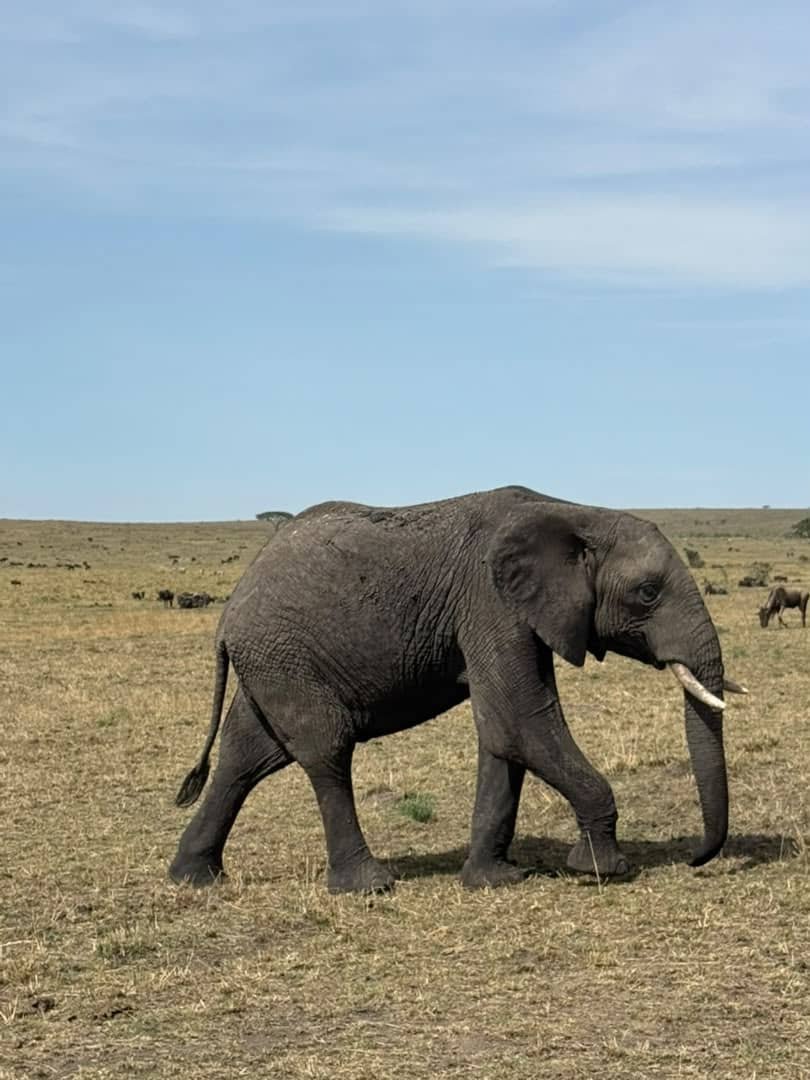
A Tsavo West safari combines wildlife, volcanic landscapes, natural springs, and important conservation stories. The park lies in southeastern Kenya, within the vast Tsavo Conservation Area. It covers about 9,065 square kilometres and is Kenya’s second-largest national park. Together with Tsavo East, it forms one of Africa’s largest connected wildlife landscapes.
Tsavo West is known for its red elephants, lions, buffaloes, giraffes, leopards, hippos, crocodiles, and many other species. It also offers a chance to explore Mzima Springs, Shetani Lava Flow, Lake Jipe, and the dramatic volcanic hills. For travellers interested in rhino conservation, the park has become even more important. The expanded Tsavo West Rhino Sanctuary now covers about 3,200 square kilometres.
With Zamunda Travels, visitors can combine Tsavo West with Tsavo East, Amboseli, Nairobi, or other Kenyan destinations. This makes the park a strong choice for travellers who want varied wildlife experiences without visiting only one ecosystem.
Why Choose a Tsavo West Safari?
A Tsavo West safari offers a different experience from many of Kenya’s better-known grassland destinations. The scenery changes quickly as you travel through open plains, rocky areas, volcanic formations, woodland, springs, and hills. This variety gives the park a strong sense of wilderness.
The park is also ideal for travellers who enjoy more than traditional game drives. You can visit Mzima Springs, explore volcanic landscapes, enjoy scenic viewpoints, and learn about Kenya’s conservation history. The park also has a strong historical connection with the construction of the Kenya-Uganda Railway and the famous man-eating lions of 1898.
Another advantage is its location. Tsavo West sits along the Nairobi-Mombasa travel corridor. Therefore, travellers can combine a safari with time on the Kenyan coast. Zamunda Travels can also design a longer itinerary that links Tsavo West with Amboseli or Tsavo East.
Tsavo West Safari Wildlife to Expect
Wildlife is one of the main reasons to visit Tsavo West. The park supports elephants, lions, buffaloes, leopards, giraffes, zebras, hippos, crocodiles, warthogs, impalas, waterbucks, elands, and many other animals. The Tsavo ecosystem also supports large populations of herbivores and predators across its wider landscape.
Elephants are especially important to the Tsavo experience. Many Tsavo elephants have a reddish appearance because they cover themselves with the park’s red soil. The colour can become more noticeable after dusting. Watching these elephants move through the bush is one of the memorable moments of a Tsavo West safari.
Lions also have a strong place in the park’s history. Tsavo became famous because of the man-eating lions associated with the 1898 railway construction. Today, visitors come to see lions in their natural habitat rather than the historical animals themselves. Your guide can explain the story while keeping the focus on modern conservation.
Buffaloes are also common in suitable areas. Giraffes browse among trees, while zebras and antelopes use the open habitats. Around permanent water sources, you may also find hippos and crocodiles. However, wildlife sightings remain unpredictable because animals move freely across the park.
Tsavo West Safari and Rhino Conservation
A major reason to include Tsavo West in a Kenya safari is its growing role in black rhino conservation. The former Ngulia Rhino Sanctuary played an important role in protecting rhinos within the park. However, the sanctuary became too small for the growing population.
In 2025, Kenya expanded the Tsavo West Rhino Sanctuary to about 3,200 square kilometres. The expanded sanctuary brought together rhinos from the former Ngulia sanctuary and the Tsavo West Intensive Protection Zone. Kenya Wildlife Service reported a founder population of 200 black rhinos in the expanded landscape.
This development has changed the scale of rhino conservation in Tsavo West. The larger habitat provides more space for rhinos to move, breed, and establish territories. It also reduces some of the pressure caused by overcrowding in smaller protected areas.
Rhinos remain difficult to spot. They are not animals that you should expect to see on every game drive. However, the conservation story adds another important dimension to a Tsavo West safari. Travellers can support conservation by visiting protected areas, following park rules, and choosing responsible safari operators such as Zamunda Travels.
Mzima Springs on a Tsavo West Safari
Mzima Springs is one of the most famous attractions in Tsavo West. The springs produce millions of litres of clear water every day. Underground water flows from the Chyulu Hills before emerging at Mzima.
The contrast is striking. Tsavo West contains dry volcanic landscapes, yet Mzima Springs creates a lush green environment. The water supports fish, hippos, crocodiles, birds, and other wildlife. It also supplies important water resources beyond the park.
Visitors can explore the springs along designated walking routes. The area offers opportunities to see hippos resting in the water and crocodiles along the banks. Birds are also an important part of the experience. The peaceful setting makes Mzima Springs a welcome change from a vehicle-based game drive.
A visit to Mzima Springs also shows why water conservation matters. The springs are not only a tourism attraction. They form an important freshwater source for communities and towns in Kenya’s coastal region.
Shetani Lava Flow and Volcanic Landscapes
Tsavo West has a dramatic volcanic character. One of its best-known features is Shetani Lava Flow. The dark lava landscape creates a strong contrast with the surrounding vegetation and open plains.
The lava came from volcanic activity in the region. Its rough surface and dark colour create a striking landscape for photography. Nearby hills and rocky formations add to the scenery.
The name “Shetani” means “devil” in Swahili. Local stories helped give the lava flow its memorable name. Your guide can provide more context during a visit.
The volcanic landscape also helps explain why Tsavo West looks different from many other Kenyan safari destinations. The park is not simply a wide grassland. Instead, it combines volcanic features, springs, woodland, savannah, hills, and rocky terrain.
Best Wildlife Experiences in Tsavo West
The classic game drive remains the main activity in the park. Early morning drives can offer good opportunities to observe animals when temperatures are cooler. Many predators are also more active during the early hours.
A second game drive can take place later in the afternoon. As temperatures fall, animals often become more active. The changing light also creates excellent conditions for wildlife photography.
Mzima Springs adds a different type of experience. Instead of watching wildlife from a safari vehicle, visitors can explore the spring area on foot along designated routes. This provides a closer look at waterbirds, hippos, crocodiles, fish, and vegetation.
Scenic viewpoints also add value to a Tsavo West safari. Poacher’s Lookout and Roaring Rocks provide elevated views across parts of the park. These locations can help visitors appreciate the scale of the landscape.
Best Time for a Tsavo West Safari
Tsavo West can be visited throughout the year. However, different seasons offer different advantages.
The dry periods generally make wildlife viewing easier because animals gather around available water sources. Vegetation can also become less dense. As a result, spotting animals may become easier in some areas.
The wetter months create a different experience. The landscape becomes greener, and migratory and resident birds can become more interesting for birdwatchers. Young animals may also be seen during suitable periods.
Rain can affect road conditions. Heavy rainfall may make some tracks more challenging. Therefore, travellers should consider their preferred activities when choosing travel dates.
For the best balance of wildlife viewing and comfortable travel, Zamunda Travels can help select dates based on the wider Kenya itinerary. This is particularly useful when combining Tsavo West with Amboseli, Tsavo East, or the Kenyan coast.
How Many Days Do You Need for Tsavo West?
A two-day safari can provide a useful introduction to Tsavo West. You can enjoy game drives, visit Mzima Springs, and explore some of the park’s major landscapes.
Three days allow more flexibility. You can spend additional time searching for wildlife and exploring different areas. A longer stay also reduces the pressure to fit every activity into one day.
Travellers with more time can combine Tsavo West with Tsavo East. This creates a broader Tsavo experience because the two parks offer different landscapes and wildlife-viewing opportunities.
Another popular combination includes Tsavo West and Amboseli. Amboseli is famous for large elephant herds and views of Mount Kilimanjaro. Adding both parks creates a varied Kenya safari with different scenery and wildlife experiences.
Where to Stay During a Tsavo West Safari
Tsavo West offers several accommodation options. These include lodges, tented camps, guest houses, and campsites.
Popular accommodation choices include Kilaguni Serena Safari Lodge, Severin Safari Camp, Finch Hattons Luxury Camp, and Ngulia Safari Lodge. KWS also lists public and special campsites for travellers seeking a more basic wilderness experience.
The best accommodation depends on your budget, preferred comfort level, and safari route. Luxury travellers may prefer a private tented camp. Budget travellers may choose simpler accommodation or camping.
Location also matters. Staying close to your preferred safari area can reduce unnecessary driving. Zamunda Travels can help match accommodation with the route, budget, and activities planned for your Tsavo West safari.
How to Get to Tsavo West National Park
Tsavo West has several access options. Road travel is the most common choice for safari travellers. The park lies along the Nairobi-Mombasa corridor, which makes it suitable for road itineraries connecting inland Kenya with the coast.
Travellers arriving from Nairobi can include Tsavo West as part of a longer southern Kenya safari. Visitors from Mombasa can also travel inland and combine the park with Tsavo East or Amboseli.
Air travel is another option for travellers who prefer to save time. Several airstrips serve the wider Tsavo region. Your safari company can advise on the most practical option based on your itinerary.
Tsavo West Safari from Nairobi or Mombasa
A Tsavo West safari from Nairobi works well as part of a multi-park itinerary. Travellers can begin in Nairobi and continue south toward Amboseli or Tsavo. The route can then continue toward the coast.
A safari from Mombasa is also convenient. Tsavo West can serve as a wildlife extension after a beach holiday. You can spend time on the coast before travelling inland for game drives.
Zamunda Travels can arrange private safari routes based on your preferred starting point. This can include accommodation, transport, park entry, game drives, and other agreed safari services.
What to Pack for a Tsavo West Safari
Pack lightweight clothing that works well in warm conditions. Neutral colours are useful for game drives because they blend naturally with the surroundings.
A hat and sunglasses can provide protection from the sun. Sunscreen is also useful during long game drives. Bring comfortable shoes if your itinerary includes approved walking activities.
Binoculars can improve wildlife viewing. A camera with extra batteries or power banks is also useful. Some safari days involve long periods away from towns, so preparation helps.
You should also carry personal medication, toiletries, and enough drinking water for the day’s activities. Your safari operator will advise you about the specific items needed for your accommodation and route.
Responsible Tourism in Tsavo West
Responsible tourism helps protect the park for future generations. Visitors should never feed wild animals or attempt to approach them. Keep a safe distance and follow your guide’s instructions.
Avoid littering. Plastic and other waste can harm wildlife and damage the landscape. Stay on approved routes and do not leave the vehicle unless your guide confirms that the location is safe.
Photography should also respect wildlife. Avoid loud noises and sudden movements. Never pressure a guide to drive too close to an animal simply to get a better photograph.
Choosing a responsible safari company also matters. Zamunda Travels promotes wildlife experiences that respect Kenya’s protected areas and the animals that live within them.
Why Visit Tsavo West With Zamunda Travels?
A safari becomes easier when transport, accommodation, park visits, and daily activities work together. Zamunda Travels can help design a private or customised Kenya safari around your interests.
You may want a short Tsavo West safari focused on wildlife and Mzima Springs. Alternatively, you may prefer a longer itinerary that includes rhino conservation, Tsavo East, Amboseli, or the Kenyan coast.
The advantage of a customised itinerary is flexibility. You can choose the safari length, accommodation level, travel dates, and additional destinations. Your guide can also adjust game drives according to wildlife movements and current conditions.
Plan Your Tsavo West Safari
Tsavo West National Park offers far more than a traditional game drive. Its elephants, lions, buffaloes, rhinos, springs, volcanic landscapes, birds, and historical sites create a diverse safari experience.
Mzima Springs provides one of the park’s most memorable natural attractions. Shetani Lava Flow reveals the area’s volcanic character. The expanded rhino sanctuary adds a major conservation story. Meanwhile, the park’s wildlife creates exciting opportunities throughout the year.
For travellers seeking a combination of wilderness, conservation, scenery, and adventure, a Tsavo West safari deserves a place on a Kenya itinerary. With careful planning, Zamunda Travels can help turn the visit into a well-organised safari experience that matches your interests, budget, and travel schedule.