Tsavo West National Park Safari
October 8, 2026
Samburu National Reserve Safari
October 8, 2026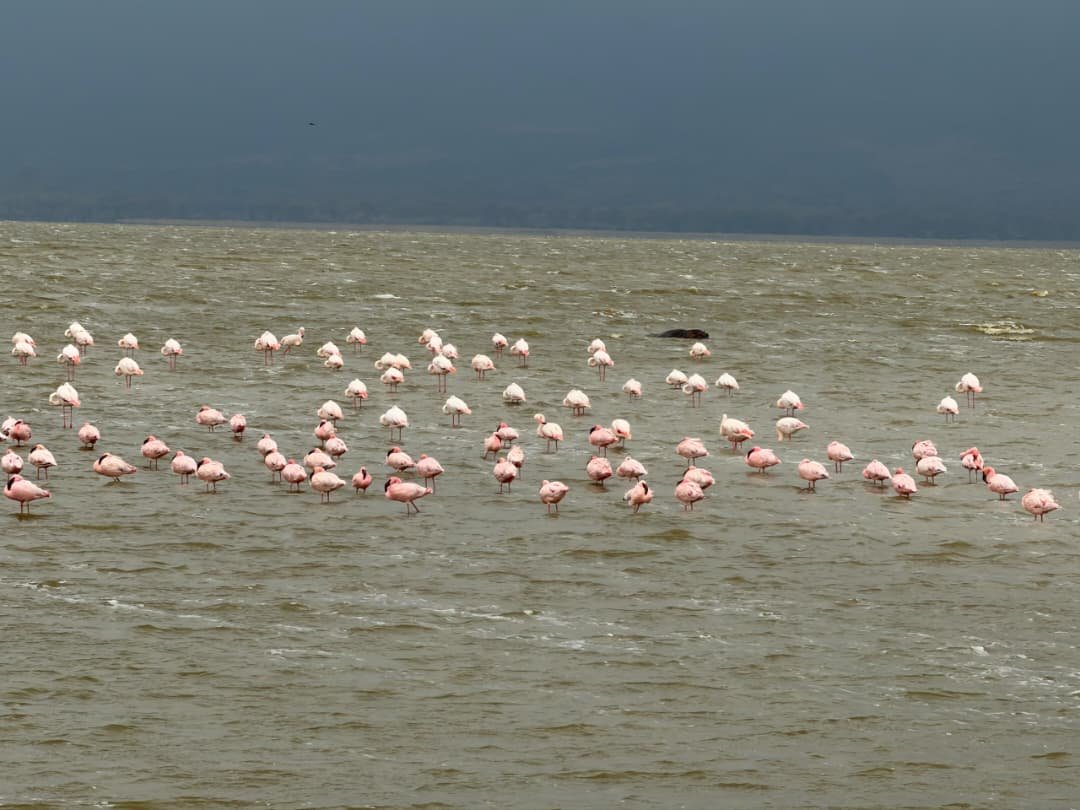
A Lake Nakuru safari offers a rewarding combination of rhino conservation, birdwatching, scenic Rift Valley landscapes, and classic African wildlife viewing. Located in Kenya’s Great Rift Valley, Lake Nakuru National Park covers about 188 square kilometres. The park surrounds a shallow, semi-alkaline lake and protects a mix of grasslands, acacia woodland, rocky areas, wetlands, and lake shoreline. This variety creates habitats for many species and makes the park one of Kenya’s most accessible wildlife destinations.
Lake Nakuru is especially important for rhino conservation. Kenya Wildlife Service describes the park as a successful sanctuary for both black and white rhinos. The park also supports Rothschild’s giraffes, buffaloes, zebras, waterbucks, impalas, baboons, lions, leopards, and many smaller mammals. Birdlife adds another major attraction. KWS lists approximately 450 bird species in the park, including flamingos, pelicans, fish eagles, herons, egrets, secretary birds, and grebes.
For travelers who want to combine wildlife with beautiful scenery, Lake Nakuru works very well as part of a Kenya safari circuit. Zamunda Travels can combine the park with destinations such as Maasai Mara, Lake Naivasha, Amboseli, or Nairobi. This allows travelers to experience different landscapes and wildlife habitats within one Kenya safari.
Why Choose a Lake Nakuru Safari?
A Lake Nakuru safari stands out because it offers excellent wildlife viewing within a relatively compact park. You do not need to spend several days driving across a huge wilderness to enjoy rewarding game viewing. Instead, the park brings together a lake, woodland, open grassland, rocky viewpoints, and wildlife habitats in one protected area.
The park also has an important conservation story. Formal conservation efforts around Lake Nakuru began in 1961 when the southern end of the lake became a bird sanctuary. The protected area later expanded, and Lake Nakuru National Park was officially gazetted in 1968. In 1987, the park became Kenya’s first government-managed rhino sanctuary.
The park’s location also makes it practical for travelers arriving from Nairobi. KWS places the park about 156 kilometres northwest of Nairobi along the A104 highway. Several gates provide access, including Lanet Gate, Nderit Gate, and the Main Gate near Nakuru city.
For visitors with limited time, this accessibility creates a major advantage. You can visit Lake Nakuru as a full-day safari from Nairobi or include it as an overnight stop on a longer Kenya itinerary. Zamunda Travels can also structure the route around your preferred pace, accommodation level, and wildlife interests.
Lake Nakuru Safari for Rhino Viewing
Rhinos are among the strongest reasons to visit Lake Nakuru National Park. The park protects both black and white rhinos, making it one of Kenya’s important rhino conservation areas. The landscape provides suitable habitats where visitors can often look for these powerful mammals during game drives.
Black rhinos usually prefer areas with thicker vegetation. White rhinos often spend more time grazing in open areas. Therefore, your guide may search different habitats depending on recent sightings and animal movements. A good guide also understands how weather, vegetation, and time of day influence wildlife activity.
Rhino viewing requires patience and responsible behavior. Visitors should remain inside the vehicle unless they are in an approved area. KWS also requires visitors to keep a safe distance from wildlife, stay on established roads, and avoid disturbing animals. These rules protect both visitors and wildlife.
A Lake Nakuru safari therefore offers more than a chance to take photographs. It also provides an opportunity to understand the conservation work behind Kenya’s recovering rhino populations. When you travel with Zamunda Travels, your safari can include time to learn about the park’s conservation history while enjoying wildlife encounters.
Flamingos and Birdwatching at Lake Nakuru
Flamingos remain one of the most recognizable symbols of Lake Nakuru. The alkaline lake has historically attracted large numbers of Lesser Flamingos because of the food available in its waters. The wider Kenya Lake System is internationally important for Lesser Flamingos and other waterbirds. UNESCO recognizes the Kenya Lake System as a World Heritage property because of its exceptional bird diversity and ecological importance.
However, travelers should understand that flamingo numbers at Lake Nakuru are not constant. Changing water levels can alter the lake’s chemistry and affect the algae that flamingos feed on. Recent KWS monitoring has documented a major decline in Lesser Flamingo numbers at Nakuru compared with historical counts. This means visitors should not expect the shoreline to be covered with flamingos on every visit.
That changing environment makes the lake particularly interesting for birdwatchers. Besides flamingos, the park supports pelicans, grebes, herons, egrets, fish eagles, secretary birds, and many other water, terrestrial, and migratory species. KWS currently lists approximately 450 bird species in the park.
For photographers, early morning can offer excellent conditions. The soft light can highlight the lake, surrounding hills, birds, and wildlife. A pair of binoculars also makes the experience more rewarding because many birds may remain some distance from the vehicle.
Wildlife to See on a Lake Nakuru Safari
Although rhinos and flamingos attract much of the attention, Lake Nakuru supports a much wider range of wildlife. The park’s grasslands and woodlands provide habitat for buffaloes, zebras, giraffes, impalas, waterbucks, warthogs, and other herbivores. Baboons and vervet monkeys are also commonly associated with the park’s varied habitats.
Predators add another exciting element to game drives. Lions and leopards occur in the park, although sightings depend on animal movements and luck. Spotted hyenas and other smaller carnivores also occur within the ecosystem. Therefore, every game drive can develop differently. One morning may focus on rhinos and giraffes, while another may produce an unexpected predator sighting.
Rothschild’s giraffe is another important attraction. The park provides suitable habitat for this threatened giraffe population, adding another conservation dimension to the safari experience. UNESCO identifies Rothschild’s giraffe among the important mammal species associated with the Kenya Lake System.
The park’s relatively compact size makes it possible to explore several habitats during one safari. Your guide can adjust the route according to recent sightings and your priorities. Zamunda Travels can also build the itinerary around specific interests such as rhinos, photography, birdwatching, or general wildlife viewing.
Scenic Attractions Around Lake Nakuru
Wildlife is only part of the Lake Nakuru experience. The park also offers impressive viewpoints and landscapes. Baboon Cliff, Lion Hill, and Out of Africa Hill provide elevated views across the lake and surrounding Rift Valley scenery. These viewpoints can add variety to a game-drive itinerary.
Makalia Waterfalls is another attraction within the park. Seasonal water flow can make the area especially attractive after periods of rain. The surrounding landscape also features rocky escarpments, acacia woodland, grassland, and open views across the lake.
The park’s scenery changes throughout the day. Morning light can create clear views across the lake, while afternoon conditions may produce dramatic skies above the Rift Valley. For photographers, these changes provide opportunities beyond traditional wildlife photography.
A well-planned Lake Nakuru safari should therefore leave enough time for both wildlife and scenery. Rushing from one animal sighting to another can mean missing some of the park’s most memorable landscapes.
Best Time for a Lake Nakuru Safari
Lake Nakuru can be visited throughout the year. However, the best period depends on what you want to experience. Wildlife viewing can be rewarding in many seasons because the park supports resident animals throughout the year.
Dry periods can make some wildlife easier to locate because animals may gather around available water and vegetation becomes less dense. Roads can also be easier to navigate. However, rainfall can bring fresh vegetation and greener scenery. Birdwatchers may also appreciate seasonal changes in bird populations.
Flamingo viewing requires a more flexible approach. Their numbers can change with lake conditions rather than following a simple calendar. Recent KWS monitoring shows that rising water levels and changes in alkalinity have affected Lesser Flamingo distribution at Lake Nakuru.
For this reason, Zamunda Travels recommends planning a safari around overall wildlife viewing rather than choosing a date only because you expect huge flamingo flocks. This approach creates more realistic expectations and allows you to enjoy the park’s rhinos, giraffes, buffaloes, birds, scenery, and other attractions.
How to Get to Lake Nakuru National Park
Lake Nakuru National Park is relatively easy to reach by road from Nairobi. KWS places the park about 156 kilometres northwest of Nairobi on the A104 highway. The journey connects the capital with Nakuru through Kenya’s Rift Valley landscape.
The park has several access points. KWS identifies Lanet Gate, Nderit Gate, and the Main Gate near Nakuru city. The park also has the Naishi airstrip, which can support visitors traveling by air.
Many travelers combine Lake Nakuru with other destinations. A common route can connect Nairobi, Lake Nakuru, Lake Naivasha, and Maasai Mara. Another itinerary can continue toward Amboseli or other parts of Kenya. Zamunda Travels can arrange private safari transport and organize the route according to the number of days available.
Lake Nakuru Safari Activities
The main activity is a guided game drive. Game drives allow visitors to search for rhinos, giraffes, buffaloes, zebras, lions, leopards, and other wildlife. Your guide can also explain the ecology of the lake and identify birds along the route.
Birdwatching is another major activity. With approximately 450 bird species recorded by KWS, the park offers plenty for both beginners and experienced birders. Bring binoculars and allow time to observe birds around the lake, wetlands, woodland, and grassland habitats.
Photography is also popular. The combination of wildlife, water, hills, and changing light creates varied photographic opportunities. Scenic viewpoints provide additional locations for landscape photography.
Visitors can also enjoy picnic experiences at designated sites. KWS highlights several scenic viewpoints and picnic areas within the park. Visitors should follow all park rules and use designated areas rather than approaching wildlife on foot.
Where to Stay on a Lake Nakuru Safari
Travelers have several accommodation choices around Lake Nakuru. Options range from campsites to lodges and tented camps. KWS lists accommodation options such as Naishi Guest House and public or special campsites. It also identifies private properties including Sarova Lion Hill, The Cliff, Lake Nakuru Lodge, Lake Nakuru Sopa Lodge, and Flamingo Hill Camp.
Your choice should depend on your budget, preferred level of comfort, and safari schedule. Staying close to the park can reduce travel time and make early morning game drives easier. Budget travelers may prefer camping, while travelers seeking more comfort can choose lodges or tented camps.
Zamunda Travels can help match accommodation with the wider safari route. This is useful when Lake Nakuru forms only one part of a longer Kenya itinerary.
Lake Nakuru Safari Park Fees and Practical Information
Park fees can change, so travelers should check the latest Kenya Wildlife Service rates before departure. At the time of writing, KWS lists the non-resident adult entry fee for Lake Nakuru National Park at USD 90, while the non-resident child rate is USD 45. KWS also provides separate rates for African citizens, Kenya residents, and East African citizens.
The park operates with important visitor regulations. KWS states that gates open at 6:00 AM and close at 6:00 PM, unless visitors are spending the night. The speed limit is 40 km/h, and visitors must remain on established roads. KWS also prohibits feeding wildlife and single-use plastic in national parks.
Pack comfortable clothing, sunscreen, drinking water, binoculars, a camera, insect repellent, and a light jacket. Early mornings can feel cool, especially when you leave for a game drive before sunrise. Comfortable shoes are also useful for approved activities and lodge areas.
Lake Nakuru Safari from Nairobi
A Lake Nakuru trip from Nairobi works well for travelers with limited time. The park’s location makes it possible to reach the destination by road and enjoy wildlife without committing to a long safari circuit.
A one-day itinerary can include an early departure from Nairobi, arrival at the park, several hours of game viewing, a picnic or lunch break, and an afternoon drive before returning to Nairobi. However, an overnight stay creates a more relaxed experience.
For travelers with more time, Zamunda Travels can combine Lake Nakuru with Lake Naivasha and Maasai Mara. This route creates a strong wildlife itinerary because each destination offers a different experience. Lake Nakuru focuses on rhinos, birds, scenery, and diverse wildlife. Maasai Mara offers expansive savannahs and famous predator and migration experiences.
Is Lake Nakuru Worth Visiting?
Yes. Lake Nakuru is worth visiting for travelers who want a compact but diverse Kenya safari experience. The park combines important rhino conservation, varied wildlife, birdwatching, scenic viewpoints, and easy access from Nairobi.
It is especially valuable for travelers who want to see both black and white rhinos. The park also offers a realistic chance to see giraffes, buffaloes, zebras, waterbucks, impalas, baboons, lions, and many bird species.
The flamingo experience requires a little more flexibility. Current lake conditions mean that visitors should not assume they will see the enormous flamingo concentrations associated with older images of Lake Nakuru. Still, the lake remains an important part of Kenya’s wider flamingo ecosystem and World Heritage landscape.
With the right itinerary, a Lake Nakuru safari can become one of the most rewarding stops on a Kenya wildlife adventure. Zamunda Travels can combine the park with other Kenyan destinations to create a private safari that matches your interests, budget, and travel dates.
Plan Your Lake Nakuru Safari with Zamunda Travels
Lake Nakuru National Park brings together some of Kenya’s most important wildlife and conservation experiences. Its rhinos are a major attraction, while the lake supports diverse birdlife and contributes to the ecological importance of the Kenya Lake System. The surrounding Rift Valley scenery adds another layer to the experience.
Whether you have one day or several days, Zamunda Travels can help plan your Kenya safari around the experiences that matter most to you. A carefully planned route can combine Lake Nakuru with Maasai Mara, Lake Naivasha, Amboseli, Nairobi, or other destinations.
For travelers searching for a safari that combines wildlife, conservation, photography, and scenic landscapes, Lake Nakuru remains an excellent destination in Kenya.