The Five Volcanoes of Rwanda
October 11, 2026
Where to Stay Near Volcanoes National Park
October 11, 2026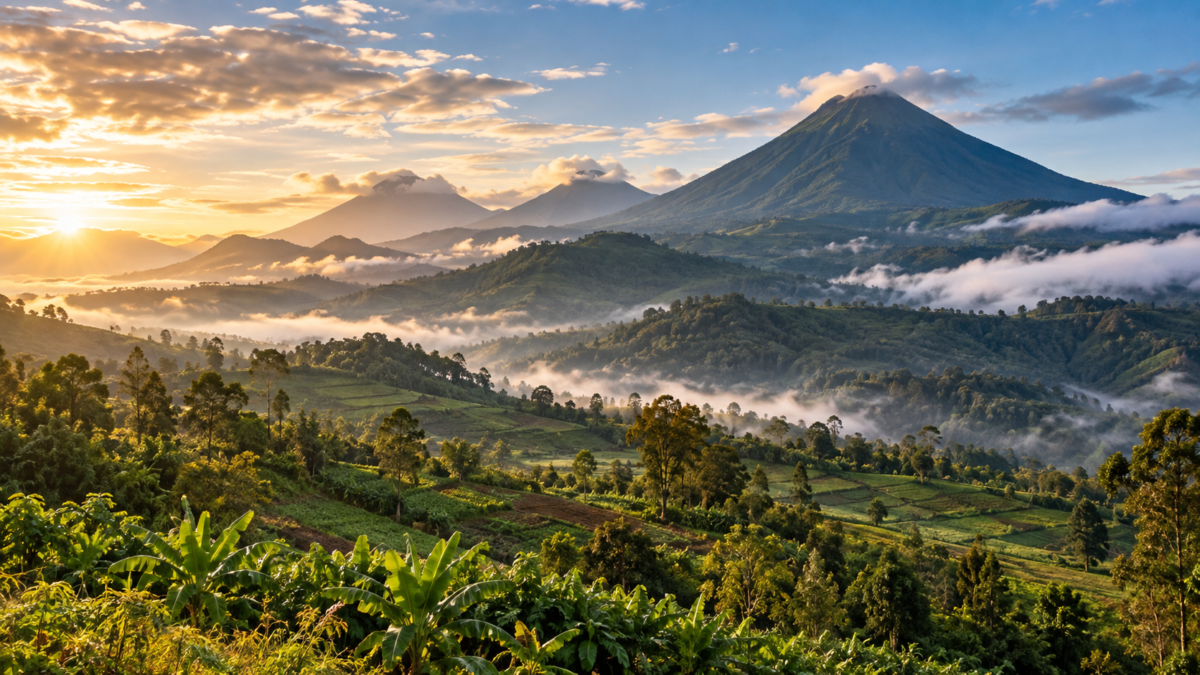
The best time to visit Volcanoes National Park is usually June to August, when trails tend to be drier. January and early February also offer good trekking conditions. However, your ideal dates depend on your budget, fitness, and preferred activities.
Mountain gorillas live here throughout the year. Therefore, seasonal changes mainly affect walking conditions, travel demand, and your experience outside the gorilla encounter.
With Zamunda Travels, you can plan around these differences. This guide explains the seasons, monthly conditions, booking choices, and practical details that help you choose wisely.
Best Time to Visit Volcanoes National Park: The Quick Answer
For most visitors, June, July, and August offer the strongest combination of lower rainfall and manageable forest trails. Early September can also work well. However, rain becomes more likely as September progresses.
January and early February provide another useful window. Meanwhile, late December may suit holiday travellers, although seasonal rain can linger.
March to May generally brings wetter conditions. October and November also require greater flexibility and better waterproof equipment. Nevertheless, gorilla trekking operates throughout the year.
Choose your dates according to your main priority:
| Your priority | Suggested timing | Main consideration |
|---|---|---|
| Drier walking conditions | June to August | Higher demand for permits and accommodation |
| An early-year safari | January to early February | Rain remains possible |
| Potential accommodation savings | March to May; October to November | Compare actual offers before booking |
| A September trip | Earlier in the month | Seasonal rains may arrive earlier or later |
| Christmas travel | Late December | Holiday demand can outweigh seasonal savings |
| Green scenery | Wetter months | Mud and cloud may affect activities |
These are planning patterns, rather than weather guarantees. Consequently, always prepare for rain, even during your preferred dry-season window.
Understanding Volcanoes National Park Weather
Volcanoes National Park sits in Rwanda’s mountainous northwest. Its forests and volcanic slopes create conditions that differ from warmer, lower destinations.
Rwanda has two broad rainy periods. Visit Rwanda identifies them as mid-February to May and mid-September to mid-December. Meanwhile, June to mid-September generally brings easier conditions for navigating roads and paths.
Why dry season still requires rain gear
A dry season means reduced rainfall, rather than completely dry weather. Forest showers can still interrupt a trek.
Furthermore, shaded ground may remain slippery after previous rainfall. A sunny breakfast therefore tells you little about every section of your route.
Carry waterproof clothing throughout the year. Likewise, choose footwear for muddy forest slopes, rather than paved city walks.
Why elevation matters more than the calendar
Temperature changes with elevation, exposure, and cloud cover. As a result, your lodge may feel comfortable while a higher trail feels cold.
Layer your clothing instead of packing only heavy jackets. Then, remove or add layers as your activity level changes.
For volcano hikes, prepare separately from gorilla trekking. Higher, more exposed routes require greater attention to cold, wind, and changing conditions.
A Month-by-Month Guide to Visiting
The following guide describes typical seasonal conditions. However, rainfall can shift between years, especially near seasonal boundaries.
January and February
January usually offers a useful break between wetter periods. Consequently, it suits travellers seeking an alternative to the main midyear season.
Early February can also work well. However, rain may increase later in the month, so avoid treating February as uniformly dry.
March, April, and May
These months generally fall within the long rainy period. Therefore, expect muddy paths and allow more time for outdoor plans.
April can be particularly challenging for walking. Meanwhile, May remains a transition month, with conditions varying as the longer dry period approaches.
June, July, and August
These are the strongest general choices for drier trekking conditions. Therefore, they suit visitors who place walking comfort above potential savings.
However, popular dates attract strong demand. Secure your essential bookings before committing to a tightly scheduled holiday.
September
Early September can extend the main dry-season travel window. Later dates carry a greater chance of returning seasonal rain.
Consequently, September deserves a more careful assessment than a simple “dry month” label. Keep rain protection ready throughout your visit.
October and November
These months usually bring wetter forest conditions. Nevertheless, they remain options for visitors comfortable with muddy trails and flexible plans.
Accommodation offers may provide better value. However, compare complete safari costs rather than assuming every service becomes cheaper.
December
Early December can still bring seasonal rain. Later December may offer improving conditions, although the transition varies.
Meanwhile, Christmas and New Year can increase demand. Book holiday accommodation early, even when your dates fall outside the main midyear season.
These monthly choices broadly match established trekking guidance, which favours June to August while recognising useful alternatives.
Best Months for Gorilla Trekking
The best months for gorilla trekking usually favour easier walking. However, gorilla sightings do not depend on choosing a dry month.
Gorillas remain in the forest year-round, and trackers locate their groups. Consequently, rain affects the journey more directly than the animals’ presence.
Dry months improve the walk
Drier conditions can make slippery slopes easier to manage. This matters especially when you feel uncertain about uneven ground.
However, dry-season trekking can still involve steep climbs and dense vegetation. Choosing July does not guarantee a short route.
Gorilla location determines the distance
Visit Rwanda explains that reaching a gorilla group can take 30 minutes to four hours or longer. Therefore, avoid judging difficulty by season alone.
Tell Zamunda Travels about your walking ability before booking. Then, explain your needs again during the park briefing.
Staff consider fitness when assigning groups. However, wildlife movements mean nobody can promise a specific walking distance.
Wetter months remain rewarding
A wet-season trek can still provide a memorable encounter. Nevertheless, choose it because you accept the conditions, rather than expecting effortless walking.
Consider hiring a porter in either season. Besides carrying equipment, a porter can provide useful assistance along the route.
Best Time for Other Park Activities
A Volcanoes National Park safari can include more than gorillas. Therefore, your activity list should influence your travel dates.
Golden monkey tracking
Golden monkey tracking adds a different forest experience. These quick-moving primates also create an enjoyable photography challenge.
Drier conditions may improve walking comfort. However, prepare for damp vegetation and follow your guide’s instructions throughout the activity.
If possible, schedule golden monkeys on a separate morning. This avoids squeezing two forest experiences into an unrealistic timetable.
Mount Bisoke and Karisimbi hiking
For mountain adventures, prioritise favourable trail conditions and sensible scheduling. June to August is a useful starting point when choosing dates.
However, lower rainfall does not guarantee clear summit views. Clouds can hide landscapes even when the trail receives little rain.
Ask Zamunda Travels to confirm current route availability before booking. Likewise, discuss equipment and preparation for each individual hike.
Dian Fossey history and birdwatching
The Dian Fossey tomb hike combines forest walking with conservation history. Meanwhile, birdwatching rewards visitors who allow time to listen and observe.
For either activity, protect your equipment from moisture. Also, enjoy the dawn chorus around your lodge before the day’s programme begins.
Crowds, Permit Costs, and Seasonal Value
Seasonal demand affects safari planning. However, fewer visitors in the area do not automatically mean a smaller gorilla trekking group.
Standard trekking groups follow park limits. Therefore, a quieter month mainly changes accommodation demand and the atmosphere around visitor facilities.
Understand what becomes cheaper
Some lodges may offer lower rates during wetter periods. However, transport, guiding, and other services may follow different pricing patterns.
Request an itemised quotation from Zamunda Travels. Then, compare accommodation, meals, permits, transfers, and optional activities separately.
Also, check the room category and cancellation terms. A cheaper quote may include different services rather than a true seasonal reduction.
Check permit categories carefully
Visit Rwanda lists the standard international tourist gorilla permit at US$1,500 per person, per day. Other visitor categories may qualify for separate offers.
Therefore, never assume a rainy-season trip automatically includes a discounted permit. Ask for confirmation of your eligibility and the applicable booking conditions.
For example, a couple might save on accommodation during November. However, their overall savings depend on every component of the safari.
When to Book Permits and Accommodation
Book your gorilla permit before treating your travel dates as confirmed. Afterward, coordinate accommodation and transport around the secured trekking day.
Visit Rwanda recommends advance booking because daily permits are limited. Consequently, waiting for last-minute availability can restrict your choices.
As a practical planning target, start enquiries six to eight months before popular travel dates. This is a recommendation, rather than a booking rule.
For Christmas, group travel, or specific lodges, enquire earlier when possible. Conversely, short-notice trips may work if you can adjust your dates.
Choose accommodation according to access as well as appearance. A comfortable lodge with practical transport arrangements can improve your early-morning experience.
Also, ask about boot cleaning and drying facilities. These small details become especially useful when trekking across consecutive wet days.
Photography: Clear Views or Green Forests?
The best photography season depends on your subject. Mountain landscapes and forest portraits have different needs.
For mountain views, choose drier periods to improve your chances. However, leave room for cloud, mist, and changing visibility.
For forest photography, overcast conditions can soften harsh light. Meanwhile, wet vegetation can create attractive greens and textured backgrounds.
Nevertheless, low light makes moving subjects harder to photograph. Practice your camera settings before entering the forest.
Pack a rain cover and spare cleaning cloths. Also, keep a dry cloth sealed separately, so every cloth does not become damp.
Avoid changing lenses in exposed rain. Instead, prepare your main lens before the trek and keep equipment accessible.
Finally, follow the guide’s photography instructions. Your preferred angle should never override wildlife rules or the group’s movement.
Planning a Practical Three-Day Visit
A short itinerary works best when it protects your main trekking experience. Therefore, avoid placing every activity immediately before a flight.
Day one: Travel from Kigali and settle near the park. Then, prepare your clothing and enjoy an early night.
Day two: Attend the gorilla trekking briefing and complete your trek. Afterward, keep the afternoon relaxed rather than booking a fixed-time activity.
Day three: Add golden monkey tracking or another suitable experience. Then, continue your journey with enough time for transfers.
Visit Rwanda lists the standard gorilla briefing at Kinigi for 7am. Consequently, staying nearby makes the morning more manageable.
For a longer Rwanda itinerary, compare conditions across every destination. Akagera and Nyungwe offer different landscapes, so one seasonal label cannot explain the whole trip.
Zamunda Travels can coordinate your permits, accommodation, and transfers. Share your preferred month, walking ability, and budget when requesting a plan.
Visit www.zamundatravels.com, email info@zamundatravels.com, or contact WhatsApp +256704705606.
What to Pack in Every Season
Good preparation matters in every month. Therefore, use a year-round packing list and adjust your warm layers for specific activities.
Bring:
- Hiking boots with reliable grip.
- A lightweight waterproof jacket.
- Long trousers and long-sleeved clothing.
- Gaiters for muddy sections.
- Gloves for vegetation and nettles.
- Warm layers for cool mornings.
- Drinking water and suitable snacks.
- Waterproof protection for valuables.
Visit Rwanda specifically recommends sturdy footwear, protective clothing, gaiters, gloves, and waterproof outerwear.
Also, pack a spare set of trekking clothes. During wetter periods, clothing may remain damp between activities.
Before departure, check the local forecast alongside your seasonal plan. Then, confirm arrangements with your operator and follow park guidance on the day.
Frequently Asked Questions
What is the best month to visit Volcanoes National Park?
July is a strong choice because it falls within the main drier period. However, June and August also suit most travellers.
Choose among them according to permit availability, accommodation, and your wider itinerary. No single month guarantees perfect weather.
Can you trek gorillas during the rainy season?
Yes, gorilla trekking operates throughout the year. However, wet conditions can make walking slower and more demanding.
Pack waterproof clothing and suitable boots. Also, consider a porter and keep your afternoon schedule flexible.
Does it rain during the dry season?
Yes, rain remains possible during drier months. Therefore, carry waterproof equipment even when visiting in July or August.
Seasonal patterns help you choose dates. However, they cannot predict the conditions on your individual trekking day.
Is the rainy season cheaper for a Rwanda gorilla safari?
It can offer accommodation savings, depending on the lodge and dates. However, a lower room rate does not guarantee a cheaper complete safari.
Compare itemised quotations and confirm your permit category. Then, weigh potential savings against wetter walking conditions.
Is December a good time to visit Volcanoes National Park?
December can work well, especially later in the month. However, rain may continue during the seasonal transition.
Christmas demand can also limit accommodation choices. Therefore, secure your permit and lodge before finalising holiday travel.