The Five Volcanoes of Rwanda
October 11, 2026
Best Time to Visit Volcanoes National Park, Rwanda
October 11, 2026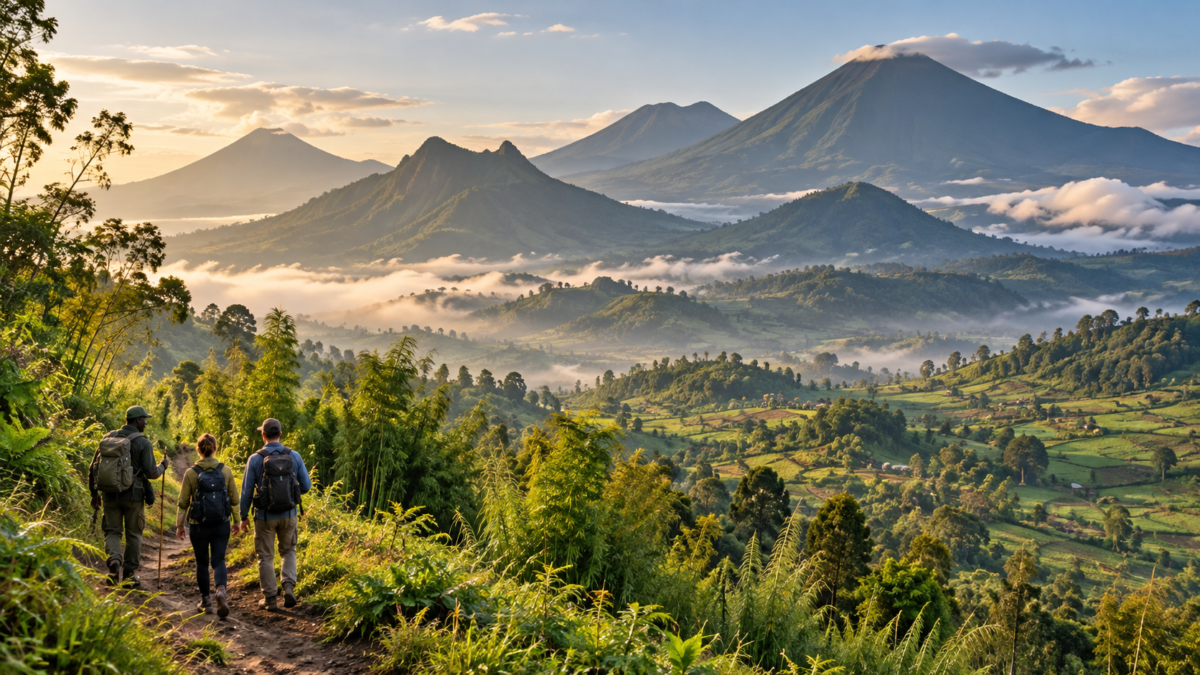
The five volcanoes of Rwanda offer misty forests, crater lakes and rewarding mountain adventures. Karisimbi, Bisoke, Muhabura, Gahinga and Sabyinyo shape the skyline of Volcanoes National Park. Together, they reveal a side of Rwanda beyond its famous gorilla encounters.
However, each mountain offers a different experience. Some routes demand strong stamina, while others focus on forest scenery and shorter climbs. Therefore, choosing the right trail matters more than choosing the highest summit.
This guide explains the mountains, hiking options and practical planning details. Zamunda Travels can help you combine a suitable climb with wildlife experiences and time to rest.
The Five Volcanoes of Rwanda at a Glance
These mountains belong to the Virunga range, which crosses Rwanda, Uganda and the Democratic Republic of Congo. Consequently, a mountain’s location does not always determine its hiking access. You must check the specific trail and departure country before booking.
| Volcano | Approximate elevation | Main attraction | Hiking format |
|---|---|---|---|
| Karisimbi | 4,507 metres | Rwanda’s highest summit | Usually two days, with camping |
| Bisoke | 3,711 metres | Summit crater lake | Demanding day hike |
| Muhabura | 4,127 metres | Steep slopes and wide views | Strenuous full day |
| Gahinga | 3,474 metres | Bamboo forest and swamp-filled crater | Day hike; confirm operating route |
| Sabyinyo | 3,669 metres at its highest summit | Jagged peaks and border scenery | Rwanda Peak 1 trail or separate Uganda summit route |
Elevations describe the mountains’ highest points, rather than every trail’s destination. In particular, Rwanda’s Sabyinyo Peak 1 hike differs from Uganda’s three-country summit climb. Official tourism sources describe both experiences separately.
For a first visit, focus on one suitable volcano. Then, add wildlife tracking or a gentler walk. This approach gives you more variety without making every day physically demanding.
Also, judge difficulty by terrain, weather and ascent. A lower mountain can still involve slippery paths and tiring descents.
Mount Karisimbi: Rwanda’s Highest Mountain
Mount Karisimbi hiking suits travellers seeking an overnight mountain challenge. At 4,507 metres, it reaches Rwanda’s highest point. The usual itinerary takes two days, with camping along the route.
On the first day, hikers climb towards the overnight campsite. Then, the second day combines the summit attempt with the descent. However, exact timings depend on the group, weather and operating arrangements.
The camping experience adds another dimension to the journey. Instead of returning to a lodge, you spend the night on the mountain. Therefore, warm sleeping equipment deserves as much attention as your hiking boots.
Before booking, ask who provides the tent, sleeping bag and sleeping mat. Also, confirm meals, drinking water and porter support. A low headline price means little if essential equipment costs extra.
Karisimbi demands preparation beyond occasional short walks. Ideally, practise long hill walks while carrying your intended daypack. Include descents, because tired legs often struggle most on the return journey.
Zamunda Travels can help build a schedule around the climb. For example, arrive early enough to rest and check your equipment. Afterwards, allow a quieter day before another demanding activity.
Above all, avoid treating the summit as an obligation. Your guide’s decisions and the day’s conditions should shape the final plan.
Mount Bisoke: A Crater Lake Day Hike
The Mount Bisoke hike combines a substantial climb with a striking summit destination. The mountain rises to approximately 3,711 metres and holds a crater lake at the top. Visit Rwanda advises allowing five hours to a full day for the trail.
However, a day hike does not mean an easy hike. Mud, steep sections and changing weather can make progress slow. Therefore, leave the whole day available rather than planning a tight afternoon transfer.
Bisoke often suits active travellers who want a summit without overnight camping. Nevertheless, assess your recent walking experience honestly. Comfortable city walking provides limited preparation for a long mountain descent.
Wear boots you have already tested on uneven ground. Also, bring a rain layer that you can reach without unpacking everything. A walking pole can help you move steadily through slippery sections.
At the top, clouds may hide the wider landscape. Even so, the crater setting remains part of the experience. Plan your photographs around the conditions rather than expecting a clear panorama.
For a shorter alternative, ask about Lake Ngezi. This separate lake lies near Bisoke’s foot, rather than at its summit. Visit Rwanda describes its walk as approximately three hours overall.
Zamunda Travels can help you choose between these routes. The better option depends on your stamina, available time and main interests.
Mount Muhabura: A Steep Mountain Challenge
Mount Muhabura stands at 4,127 metres on the Rwanda–Uganda border. Also called Muhavura, it offers a demanding full-day climb. Its summit features a small crater lake, with broad views when conditions allow.
This mountain suits hikers who enjoy sustained effort. However, the appeal extends beyond reaching a high point. The changing vegetation gives the journey its own character.
From Uganda’s side, official park information describes forest, bamboo, heather and distinctive high-altitude plants. Consequently, the climb can interest nature lovers as much as summit collectors.
Before reserving a Mount Muhabura hike, confirm the departure country. Rwanda and Uganda have separate park arrangements. Therefore, permits, transfers and accommodation must match your chosen route.
Also, ask about the expected walking time for your group. A strong hiker’s schedule may provide a poor guide for a slower party. Build your day around a realistic pace.
Keep the following morning flexible where possible. For example, a relaxed breakfast and scenic transfer may suit you better than another early climb.
Zamunda Travels can also help compare Muhabura with Bisoke. Choose Muhabura for a steeper mountain challenge. Alternatively, choose Bisoke if the crater lake setting is your main priority.
Mount Gahinga: Bamboo Forest and Crater Scenery
Mount Gahinga rises to approximately 3,474 metres between Muhabura and Sabyinyo. Its bamboo-covered slopes lead towards a swamp-filled crater. The name refers to piles of volcanic stones cleared from farmland.
Because Gahinga is lower, some travellers assume it requires little effort. However, elevation alone gives an incomplete picture. Wet trails, walking distance and personal fitness still matter.
A Mount Gahinga hike appeals to travellers who enjoy forest detail. Look beyond distant views to notice plants, textures and changing vegetation. Meanwhile, listen for birds as your guide explains the surroundings.
Rwanda’s booking system lists Gahinga among its hiking products. However, a listed activity does not confirm availability on your travel date. Ask about the operating route before arranging accommodation or transport.
Gahinga also forms part of Uganda’s Mgahinga Gorilla National Park. Therefore, it can fit a wider Rwanda–Uganda itinerary. This option requires careful coordination of border travel and park bookings.
For mixed-ability groups, discuss everyone’s walking experience before choosing the climb. One traveller may want a summit, while another prefers a shorter forest outing. Planning these preferences early avoids pressure on the day.
Zamunda Travels can help match the mountain experience to the whole group. Consequently, your itinerary can balance adventure with comfort.
Mount Sabyinyo: Understand the Route Before Booking
Sabyinyo’s jagged skyline makes it visually different from its neighbours. Its name means “old man’s teeth,” reflecting its weathered peaks. However, the main planning issue concerns which peak your trail actually reaches.
Older travel articles often describe Sabyinyo as accessible only from Uganda. Yet Visit Rwanda now advertises a guided trail to Peak 1. It gives an estimated six-hour return journey, including four hours ascending.
Therefore, avoid assuming that every Sabyinyo hike reaches the same summit. Ask for the destination peak, departure point and expected terrain. Also, confirm whether the trail operates on your dates.
Uganda’s established route offers a different objective. It includes steep sections and fixed ladders before reaching the summit shared by three countries. That experience belongs to Mgahinga Gorilla National Park.
If ladders or exposed sections concern you, explain this before booking. Similarly, clarify whether your priority is scenery or the three-country summit. These details can change the best itinerary substantially.
For photography, Sabyinyo also rewards attention from below. Its jagged outline provides a distinctive mountain backdrop when visible. Consequently, enjoying the volcano does not always require climbing its highest point.
Best Time for Volcanoes National Park Hiking
Generally, June to August and December to February offer drier hiking conditions. Meanwhile, wetter months can bring muddier paths and more difficult footing. However, mountain rain remains possible throughout the year.
Therefore, choose dates for your overall journey rather than sunshine alone. Consider your preferred wildlife activities, accommodation and available travel time. Then, prepare for wet conditions regardless of the season.
For photographs, avoid relying on one guaranteed summit view. Clouds may cover the peaks during your climb. Instead, allow opportunities for landscape photographs during transfers and lodge stays.
A flexible itinerary also helps when conditions change. For example, keep a scenic outing available as an alternative. However, confirm permit change rules before assuming activities can move between days.
During forest walks, pause to enjoy the dawn chorus. Bird calls, mist and dripping vegetation can make the lower slopes memorable. These moments often receive less attention than summit photographs.
Permits, Costs and Getting to the Mountains
Volcanoes National Park hiking requires official arrangements. Visit Rwanda states that its listed park hikes need a permit and guide. Tourism activities can be booked through the Rwanda Development Board’s booking service.
However, distinguish the permit price from the complete trip cost. Your budget may also include transport, accommodation, meals and porter support. For Karisimbi, camping equipment and mountain meals need particular attention.
Request a written quotation with clear inclusions. Also, confirm the rate for your nationality or residency category. Published prices from older articles may no longer match your booking.
Ask these questions before paying:
- Which trail and destination does the permit cover?
- Are trailhead transfers included?
- What equipment and meals must I provide?
- What happens if weather affects the activity?
- Which age requirements apply to this route?
Most visitors approach the region through Kigali and stay around Musanze or Kinigi. For hiking, arriving the previous day reduces early-morning travel pressure. Also, confirm whether your vehicle can reach the assigned trailhead.
Choose accommodation for practical support as well as views. Early breakfast, packed lunches and equipment drying can improve your experience. Zamunda Travels can coordinate these details within your safari plan.
Packing, Preparation and Responsible Hiking
Pack for a wet forest walk and a cold mountain stop. Start with sturdy boots, long trousers and comfortable layers. Then, add a waterproof jacket, warm layer and protection for your belongings.
Useful items include:
- Walking poles and optional gaiters.
- Water and a packed lunch.
- Snacks that you can eat easily.
- A waterproof cover or dry bag.
- Spare socks and gloves.
- A charged phone and headlamp.
For overnight hiking, confirm the camping kit separately. Also, check your insurance covers the planned activity and maximum elevation. Do this before booking rather than shortly before departure.
Prepare through regular walks on hills and uneven ground. Gradually increase distance, then practise with your daypack. This helps you judge whether your selected hike suits your current ability.
During the walk, follow your guide’s pace and instructions. If you feel unwell, tell the guide promptly. Keep your schedule flexible enough to accept a shorter outing when necessary.
Meanwhile, stay on approved trails and carry your rubbish out. Never approach wildlife or expect a summit permit to provide gorilla tracking. Book wildlife activities separately and follow the relevant park rules.
Plan a Balanced Mountain Adventure with Zamunda Travels
A rewarding mountain itinerary needs space between demanding activities. For example, spend your first day travelling to Musanze and settling in. Then, dedicate the second day to your chosen hike.
Afterwards, allow a recovery day with a relaxed scenic outing. Finally, add gorilla trekking or golden monkey tracking on a separate morning. Remember that wildlife walks can also involve substantial effort.
For Karisimbi, replace the single hiking day with its two-day mountain itinerary. Also, retain time afterwards for rest and equipment drying. Avoid scheduling an important departure immediately after your expected descent.
If your group has different abilities, share those details with Zamunda Travels early. Your planner can then suggest suitable activities and realistic transfers. The goal is a trip everyone can enjoy.
Contact Zamunda Travels Uganda Ltd through www.zamundatravels.com, info@zamundatravels.com, or WhatsApp +256704705606 to discuss your mountain adventure.
Frequently Asked Questions
What are the five volcanoes of Rwanda?
They are Karisimbi, Bisoke, Muhabura, Gahinga and Sabyinyo. Together, they form the volcanic mountain backdrop of Volcanoes National Park.
Which volcano is best for a first hiking visit?
Bisoke is worth considering if you want a crater lake and a full-day challenge. However, beginners should assess their fitness carefully. For a shorter outing, ask about Lake Ngezi instead.
How long does it take to hike Mount Karisimbi?
The usual Mount Karisimbi hike takes two days, with overnight camping. However, confirm the detailed schedule and equipment requirements before booking.
Can you hike Mount Sabyinyo from Rwanda?
Visit Rwanda advertises a guided hike to Sabyinyo Peak 1. However, this differs from Uganda’s route to the three-country summit. Confirm your destination peak and current availability before paying.
How much does volcano hiking in Rwanda cost?
The total depends on your route, permit category and travel arrangements. Therefore, request a current quotation covering permits, transfers and support. For overnight climbs, include camping equipment and meals.