Akagera National Park Safari
October 13, 2026
Best Time to Visit Akagera National Park
October 13, 2026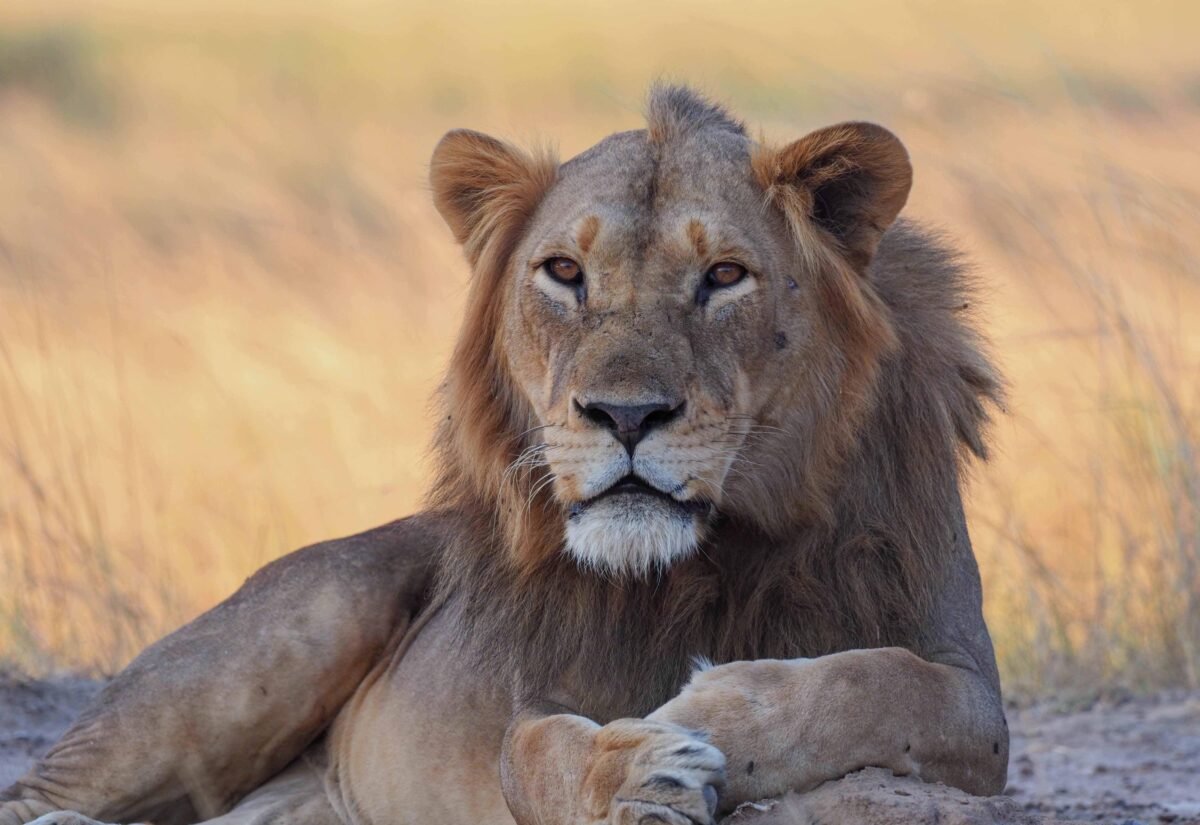
A Big Five Safari in Akagera National Park offers one of Rwanda’s most exciting wildlife experiences. Here, lions roam open savannahs, elephants gather near lakes, and rhinos graze across protected grasslands. Meanwhile, leopards hide in woodlands, and buffalo herds move through the plains.
Located in eastern Rwanda, Akagera National Park is the country’s only Big Five safari destination. Its beautiful landscapes include rolling hills, wetlands, lakes, and acacia woodlands.
However, Akagera offers much more than wildlife sightings. The park also tells an inspiring story of conservation, restoration, and successful wildlife protection.
With Zamunda Travels Uganda Ltd, visitors can explore this remarkable wilderness through guided game drives and carefully planned Rwanda safaris.
This complete guide explains where to find the Big Five, when to visit, and how to plan an unforgettable adventure.
What Makes a Big Five Safari in Akagera National Park Special?
Akagera National Park covers approximately 1,122 square kilometers along Rwanda’s eastern border with Tanzania. Established in 1934, it protects one of Central Africa’s most important wetland ecosystems.
Unlike Rwanda’s mountainous gorilla trekking destinations, Akagera features classic African savannah landscapes. Therefore, it provides a completely different wildlife experience.
The park supports five famous African mammals:
- African lion: A powerful predator living in prides.
- African leopard: A secretive hunter known for its climbing abilities.
- African elephant: The world’s largest living land animal.
- African buffalo: A strong, social grazer found in large herds.
- Rhinoceros: Both eastern black and southern white rhinos inhabit the park.
Historically, hunters used the term “Big Five” for Africa’s most challenging animals to hunt on foot. Today, the name celebrates wildlife photography, conservation, and responsible tourism.
Akagera is particularly special because wildlife populations have recovered following decades of decline. Conservation projects have successfully restored several important species.
Consequently, travelers can now experience Rwanda’s Big Five alongside zebras, giraffes, antelopes, hippos, and numerous bird species.
The Big Five Animals in Akagera National Park
Each Big Five animal offers a different wildlife experience. Understanding their behavior and habitats helps visitors enjoy more rewarding safari encounters.
1. African Lions: The Kings of Akagera
Lions are among the most exciting animals to encounter during an Akagera safari. Their presence also represents one of Rwanda’s greatest wildlife conservation achievements.
Following years of conflict and habitat pressure, lions disappeared from Akagera during the 1990s.
However, conservation organizations successfully reintroduced seven lions from South Africa in 2015. Since then, the population has increased through successful breeding and continued protection.
Today, visitors may observe lions resting beneath acacia trees, moving across grasslands, or watching grazing antelopes.
Where to find lions in Akagera
The northern savannah plains offer excellent opportunities for lion sightings. In particular, open grasslands provide clear views of wildlife movements.
Lions are generally more active during cooler hours. Therefore, early morning and late afternoon game drives are especially rewarding.
Nevertheless, sightings depend on animal movements, weather, and luck.
Safari tip: Watch for nervous antelopes, alarm calls, and vultures gathering around potential feeding areas.
2. Rhinoceroses: Rwanda’s Remarkable Conservation Success
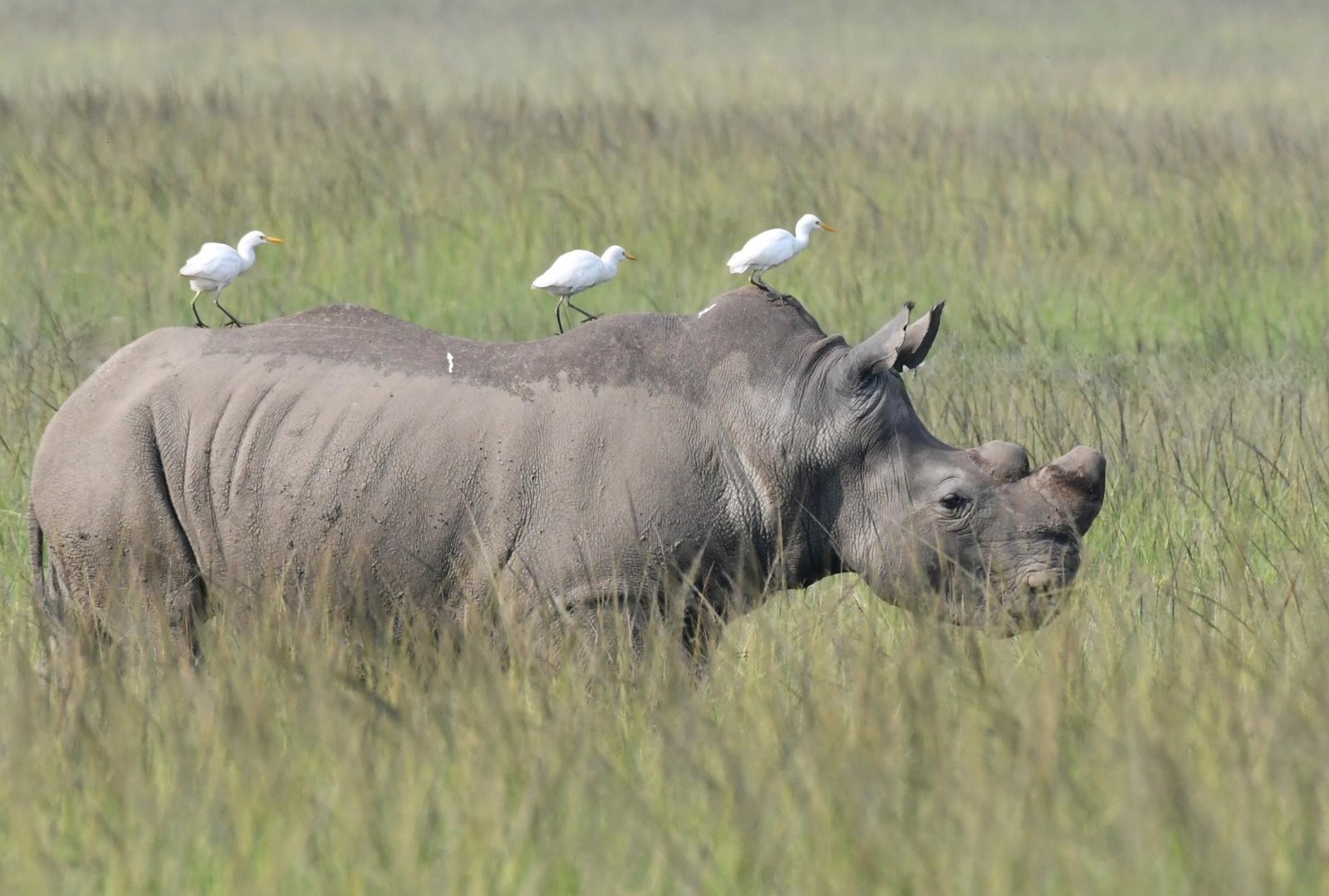
The return of rhinoceroses to Akagera represents one of Rwanda’s greatest wildlife conservation achievements.
Rhinos are among Africa’s most threatened large mammals. Fortunately, Akagera has become an important refuge for these magnificent animals.
Eastern black rhinos returned to the park in 2017 after approximately ten years of local absence. Additional individuals arrived in 2019 to strengthen genetic diversity.
Furthermore, 30 southern white rhinos were introduced in 2021.
In June 2025, another 70 southern white rhinos arrived through a major conservation initiative. These introductions strengthened Akagera’s importance in African rhino conservation.
Black rhinos versus white rhinos
Black rhinos usually browse on shrubs and woody vegetation. They have pointed upper lips adapted for feeding on leaves.
White rhinos mainly graze on grasses. Their broad mouths help them feed efficiently across open plains.
Despite their names, both species generally appear gray.
Where to find rhinos
Open grasslands, especially in northern Akagera, can provide opportunities for white rhino sightings.
However, black rhinos are often harder to locate because they use thicker vegetation.
Visitors should remember that rhino sightings are never guaranteed. Additionally, some conservation areas may have restricted access.
3. African Elephants: The Gentle Giants of Akagera

Akagera’s elephants roam open grasslands, woodlands, and wetlands, creating unforgettable wildlife encounters.
African elephants are among Akagera’s most impressive wildlife attractions. Their enormous size, intelligence, and complex family relationships fascinate visitors.
Elephants live in social family groups, usually led by experienced females called matriarchs.
These groups communicate through sounds, body movements, and low-frequency vibrations.
During game drives, visitors may observe elephants feeding, bathing, or moving between water sources.
Young calves often stay close to their mothers, while older elephants may travel separately.
Where to find elephants
Elephants frequently use woodland habitats, open plains, and areas near wetlands.
The landscapes around Lake Ihema and other water sources can offer rewarding sightings.
Additionally, warmer weather may encourage elephants to visit water for drinking and cooling.
Safari tip: Always remain inside your safari vehicle unless your guide identifies a designated safe area. Never block an elephant’s movement.
4. African Buffaloes: Powerful Herd Animals
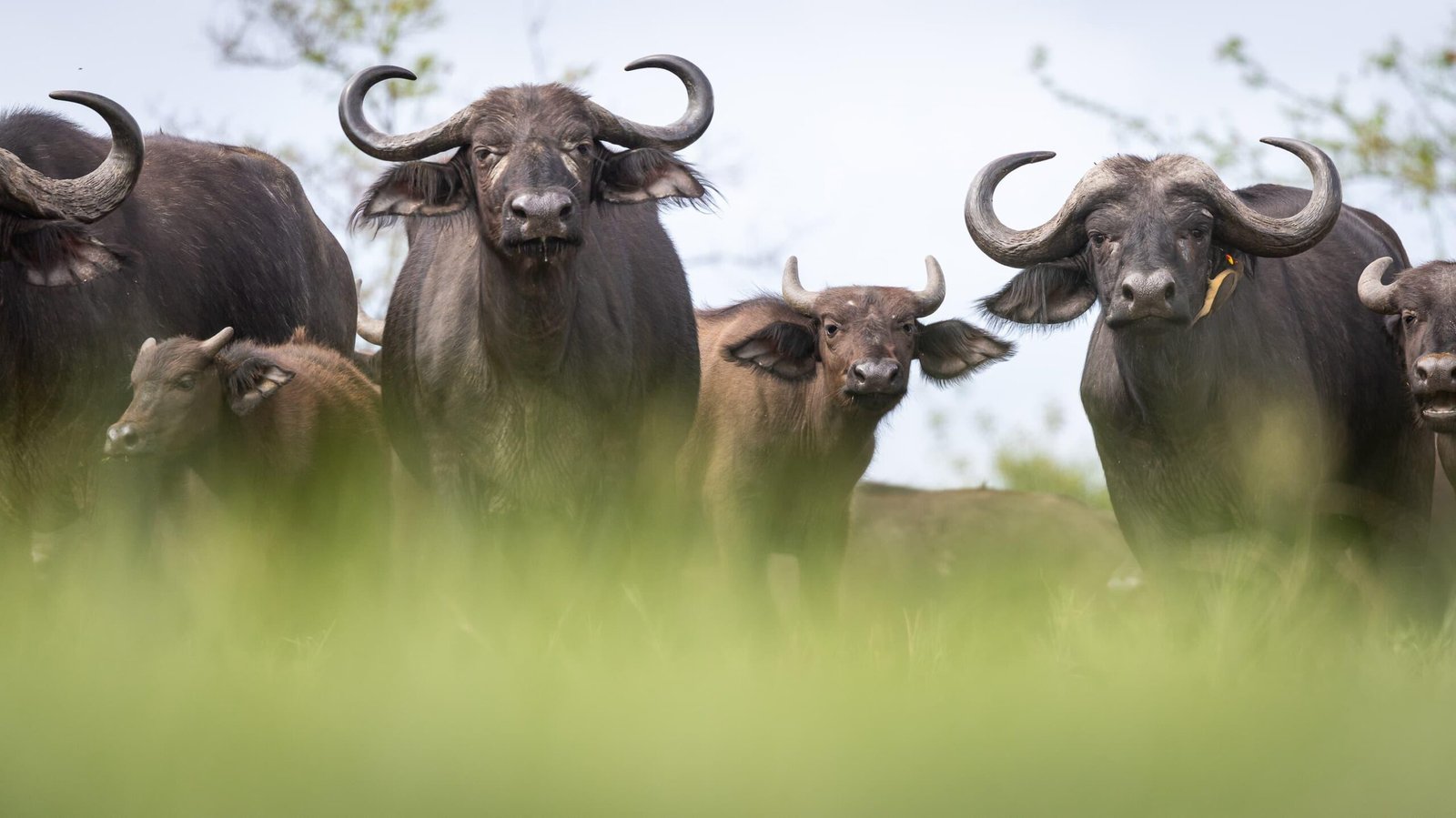
Powerful African buffaloes roam Akagera’s open grasslands and wetlands.
African buffaloes are among the most commonly encountered Big Five animals in Akagera.
These powerful herbivores often move in substantial herds across open grasslands and wetland edges.
Adult males possess heavy horns that form a strong central structure called a boss.
Although buffaloes appear calm while grazing, they can become dangerous when threatened.
Consequently, responsible guides maintain safe viewing distances.
Where to find buffaloes
Buffaloes inhabit grasslands, woodland edges, and areas close to permanent water.
The northern plains and wetland margins offer particularly rewarding viewing opportunities.
Visitors may also encounter smaller groups of older males resting separately from breeding herds.
Safari tip: Look for oxpeckers feeding on buffaloes. These birds often search for ticks and other small food items.
5. African Leopards: The Secretive Hunters
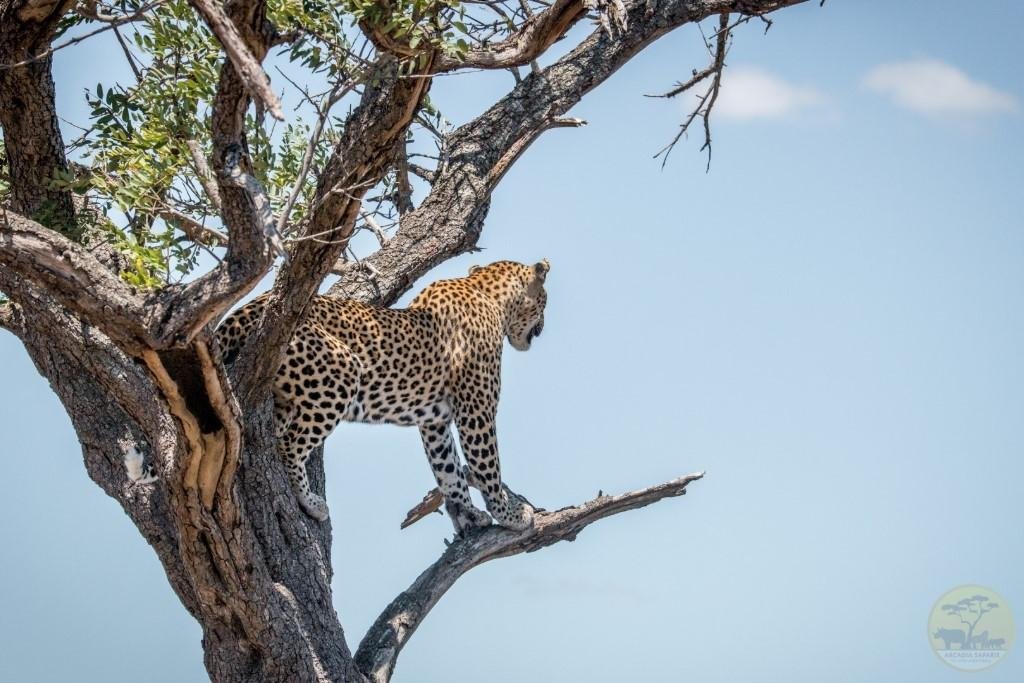
The elusive African leopard is one of Akagera’s most exciting wildlife encounters.
Leopards are generally the hardest Big Five animals to spot in Akagera.
Their beautiful spotted coats provide excellent camouflage among branches, grasses, and rocky landscapes.
Unlike lions, leopards usually live and hunt alone.
They are also powerful climbers. Sometimes, they carry prey into trees to protect it from scavengers.
Leopards often become active during nighttime and cooler hours. Therefore, daytime encounters can be unpredictable.
Where to find leopards
Look around woodland edges, dense vegetation, and rocky hillsides.
The southern and central woodland habitats can offer suitable leopard territory.
However, their secretive behavior makes sightings challenging.
A professionally guided night drive may improve opportunities for observing nocturnal animals.
Safari tip: Scan horizontal tree branches and listen for alarm calls from monkeys or antelopes.
Where Are the Best Big Five Viewing Areas in Akagera?
Akagera’s landscapes change significantly between its southern and northern sections.
Understanding these differences helps visitors plan efficient game drives.
Northern Akagera: Open Savannah and Predator Country
Northern Akagera features rolling grasslands, open plains, and wetland margins.
The Kilala Plains are especially attractive for wildlife photography and predator observation.
Visitors may encounter lions, white rhinos, buffaloes, zebras, and grazing antelopes.
Furthermore, the open landscapes make animals easier to observe from a distance.
For travelers prioritizing lions and rhinos, northern Akagera deserves sufficient exploration time.
Southern Akagera: Lakes, Elephants, and Woodland Wildlife
Southern Akagera contains woodland habitats, hills, and several beautiful lakes.
Lake Ihema is among the park’s most important attractions.
Its surrounding wetlands support hippos, crocodiles, waterbirds, and other wildlife.
Elephants and buffaloes also move through suitable nearby habitats.
Additionally, the southern section provides opportunities for boat safaris and birdwatching.
For a complete experience, Zamunda Travels recommends exploring both sections whenever time allows.
Best Time to Visit Akagera National Park for a Big Five Safari
Akagera welcomes safari visitors throughout the year. However, seasonal conditions influence wildlife visibility and road accessibility.
Best Time to Visit Rwanda for a Safari
Dry Seasons: June to September and December to February
Dry conditions generally make game viewing easier.
During these months, vegetation becomes less dense in some areas. Consequently, animals may be easier to locate.
Wildlife also visits dependable water sources, creating useful observation opportunities.
Road conditions are often more favorable for extended game drives.
Nevertheless, Akagera’s permanent lakes and wetlands provide water throughout the year.
Rainy Seasons: March to May and October to November
Rainfall transforms Akagera into a lush, green landscape.
Birdwatching becomes particularly rewarding, while dramatic skies create excellent photography opportunities.
However, taller vegetation can make predators harder to spot.
Some tracks may also become slippery or challenging.
Despite these conditions, rainy-season safaris can provide memorable encounters and beautiful scenery.
Best daily viewing hours: Early morning and late afternoon generally offer comfortable temperatures and active wildlife.
Exciting Safari Activities Beyond the Big Five
Although Big Five sightings attract many travelers, Akagera offers several additional wildlife experiences.
Guided Game Drives
Game drives remain the most popular safari activity.
Visitors explore designated tracks using suitable safari vehicles while searching for mammals and birds.
Experienced guides also explain animal behavior, conservation, and the park’s changing ecosystems.
Boat Safaris on Lake Ihema
A Lake Ihema boat safari reveals Akagera from a completely different perspective.
Visitors may observe hippos, Nile crocodiles, kingfishers, fish eagles, and other waterbirds.
Additionally, animals sometimes appear along the shoreline.
Boat trips complement traditional game drives and are especially attractive to photographers.
Night Game Drives
Night drives provide opportunities to discover Akagera’s nocturnal wildlife.
Depending on conditions, visitors may encounter bushbabies, genets, hyenas, and other active nighttime species.
Leopard sightings are possible, although never guaranteed.
These activities require appropriate park arrangements and authorized guides.
Birdwatching in Akagera
Akagera supports more than 500 recorded bird species.
Its habitats attract African fish eagles, papyrus specialists, herons, kingfishers, and numerous woodland birds.
The elusive shoebill is another remarkable species associated with the park’s wetlands.
However, shoebill encounters are rare and should never be promised.
How Many Days Do You Need for a Big Five Safari?
A one-day Akagera safari is possible from Kigali. However, additional days provide more opportunities for wildlife sightings.
One-Day Akagera Safari
A day trip suits travelers with limited time.
The journey from Kigali to the park’s southern entrance generally takes around two and a half hours.
Visitors can enjoy a game drive before returning to Kigali.
However, exploring the northern plains thoroughly may be difficult within a single day.
Two-Day Akagera Safari
Two days provide a more balanced experience.
Day 1: Travel from Kigali, enter Akagera, enjoy a game drive, and settle into your accommodation.
Day 2: Begin with the dawn chorus, explore the savannah, and return to Kigali.
Depending on your schedule, a Lake Ihema boat safari may also fit into the itinerary.
Three-Day Akagera Safari
Three days offer greater flexibility and more opportunities to explore different habitats.
Day 1: Kigali transfer, southern game drive, and optional boat excursion.
Day 2: Extended game drives through central and northern Akagera.
Day 3: Early morning wildlife viewing before departure.
For dedicated wildlife photographers, this longer itinerary is particularly rewarding.
Where to Stay During Your Akagera Safari
Akagera offers accommodation options for different travel styles and budgets.
Ruzizi Tented Lodge provides a peaceful safari setting near Lake Ihema. Its lakeside location makes it appealing to nature lovers.
Akagera Game Lodge offers comfortable accommodation and convenient access to southern game-drive routes.
Magashi Camp provides an exclusive luxury safari experience in the northern region of the park.
Karenge Bush Camp offers a seasonal wilderness experience in northern Akagera, when operating.
Additionally, designated campsites provide more adventurous accommodation options.
Zamunda Travels can help travelers select accommodation according to their safari interests, comfort preferences, and budget.
How Much Does a Big Five Safari in Akagera Cost?
The total safari price depends on several factors, including travel duration, accommodation, transportation, and selected activities.
Major expenses usually include:
- National park entrance fees.
- Safari vehicle and fuel.
- Professional guiding services.
- Accommodation and meals.
- Optional boat safaris and night drives.
- Transfers between Kigali and Akagera.
International visitors generally pay higher park entry fees than qualifying residents and Rwandan nationals.
Additionally, fees may differ according to visitor age, residency, and length of stay.
Because rates can change, visitors should confirm current prices before booking.
For an accurate quotation, Zamunda Travels prepares customized itineraries based on travel dates and group size.
Practical Tips for a Successful Akagera Big Five Safari
A successful safari requires preparation, patience, and respect for wildlife.
Start early: Morning drives often provide excellent opportunities for active predators.
Use binoculars: Distant lions, rhinos, and birds become easier to observe.
Wear neutral clothing: Earth-colored clothes are comfortable and practical for game drives.
Carry sun protection: Bring sunscreen, sunglasses, and a suitable hat.
Pack photography equipment: A telephoto lens helps capture wildlife without approaching animals.
Stay hydrated: Carry sufficient drinking water during long drives.
Follow park regulations: Never feed animals, leave designated tracks, or approach dangerous wildlife.
Most importantly, remain flexible. Wildlife moves freely, and unexpected encounters often become the best safari memories.
Why Book Your Akagera Big Five Safari with Zamunda Travels?
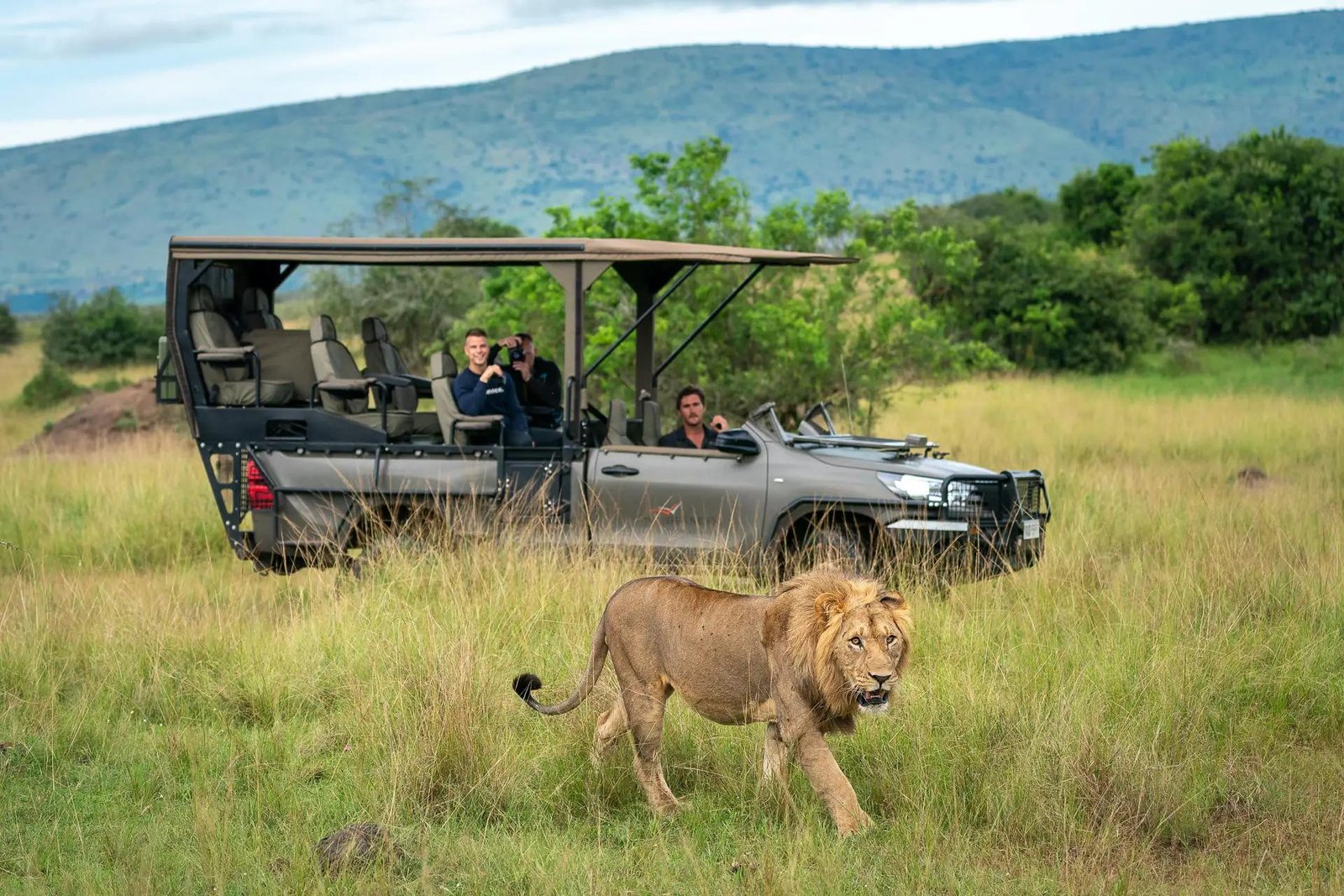
Explore Akagera’s remarkable wilderness on a guided Big Five wildlife safari.
Planning an Akagera safari requires careful coordination, especially when combining wildlife viewing with other Rwanda attractions.
Zamunda Travels Uganda Ltd organizes customized safari experiences across Rwanda, Uganda, Kenya, and Tanzania.
Our safari planning focuses on comfortable travel, knowledgeable guiding, and responsible wildlife experiences.
Travelers can combine Akagera with several exciting destinations.
These include gorilla trekking in Volcanoes National Park, chimpanzee tracking in Nyungwe, and cultural experiences around Kigali.
Additionally, we help arrange accommodation, park activities, and suitable transportation.
Whether you prefer a short wildlife escape or an extended East African adventure, our team can tailor your itinerary.
Book Your Rwanda Big Five Safari
Experience lions, rhinos, elephants, buffaloes, and the excitement of searching for elusive leopards.
Contact Zamunda Travels to organize your personalized Akagera safari.
- Website: www.zamundatravels.com
- Email: info@zamundatravels.com
- WhatsApp: +256 704 705 606
Zamunda Travels Uganda Ltd – Beyond Expeditions.
Frequently Asked Questions About Big Five Safaris in Akagera
1. Can you see all the Big Five in Akagera National Park?
Yes. Akagera supports lions, leopards, elephants, buffaloes, and both black and white rhinoceroses.
However, seeing all five during one visit is not guaranteed. Leopards and rhinos can be particularly challenging to locate.
2. Is Akagera National Park the only Big Five destination in Rwanda?
Yes. Akagera is Rwanda’s only national park supporting all five traditional Big Five animals.
Other Rwandan parks specialize in different wildlife experiences, including mountain gorillas and chimpanzees.
3. How far is Akagera National Park from Kigali?
Akagera’s southern entrance is approximately two and a half hours from Kigali under favorable driving conditions.
However, travel time depends on traffic, road conditions, and your exact departure location.
4. What is the best month to see lions and rhinos in Akagera?
June through September often provides favorable game-viewing conditions because of generally drier weather.
Nevertheless, lions and rhinos live in Akagera throughout the year. Their sightings depend on movement and habitat conditions.
5. Is Akagera National Park worth visiting for a safari?
Absolutely. Akagera combines Big Five wildlife, beautiful lakes, savannah landscapes, and remarkable conservation achievements.
It is especially rewarding for travelers combining Rwanda’s primate experiences with a traditional African wildlife safari.