Big Five Safari in Akagera National Park
October 13, 2026
Lake Ihema Boat Safari
October 13, 2026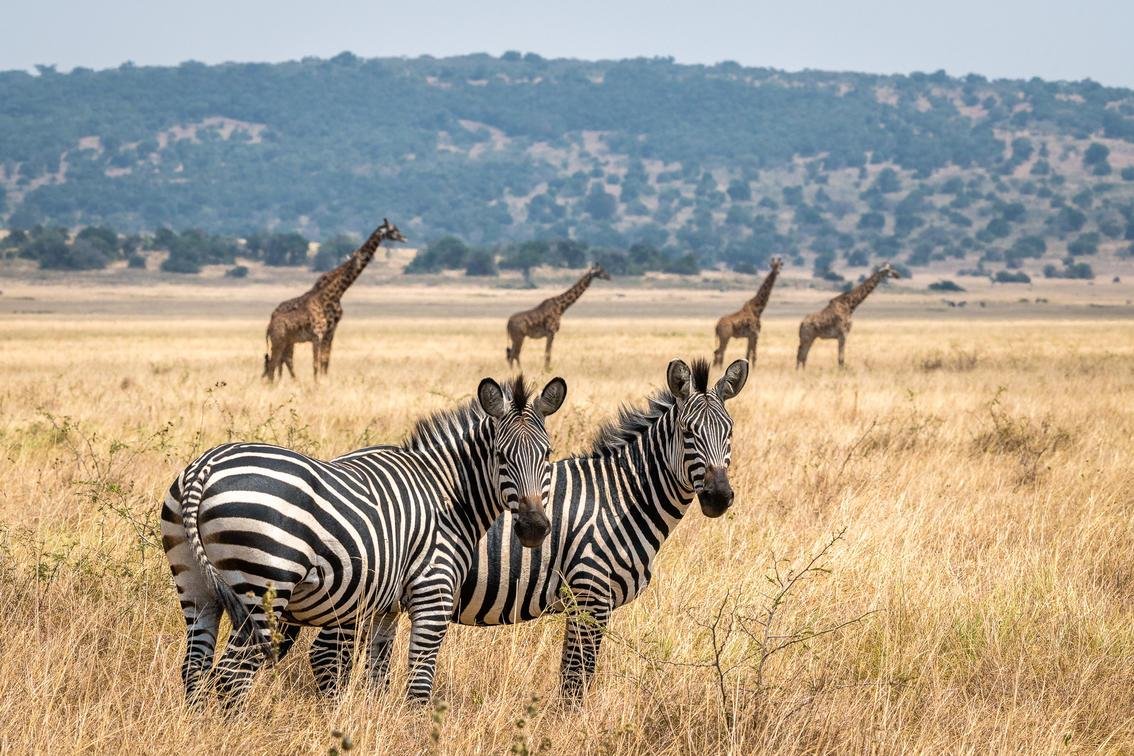
The best time to visit Akagera National Park depends on your preferred wildlife encounters, weather conditions, and safari activities. However, June to September offers some of the best conditions for wildlife viewing. These months bring drier weather, shorter grass, and easier game drives.
December to February is another excellent period for an Akagera safari. Meanwhile, the rainy seasons create green landscapes, excellent birdwatching opportunities, and beautiful photography conditions.
Located in eastern Rwanda, Akagera National Park offers an unforgettable African safari experience. The park protects lions, elephants, leopards, buffaloes, rhinoceroses, giraffes, zebras, and numerous antelope species.
Unlike Rwanda’s mountainous rainforests, Akagera features open savannahs, rolling hills, lakes, woodlands, and extensive wetlands. Therefore, visitors can enjoy traditional African wildlife safaris without leaving Rwanda.
At Zamunda Travels Uganda Ltd, we help travelers choose suitable safari dates based on their interests. Whether you love Big Five encounters, birdwatching, or wildlife photography, Akagera offers rewarding experiences throughout the year.
This complete guide explains Akagera’s weather, wildlife seasons, monthly travel conditions, and the best activities for each period.
Best Time to Visit Akagera National Park for Wildlife Safaris
Akagera National Park remains open for safari adventures throughout the year. However, seasonal rainfall influences vegetation, wildlife visibility, road conditions, and the overall experience.
The park has two main dry periods and two rainy periods. Consequently, each season offers different advantages.
| Season | Months | Safari experience |
|---|---|---|
| Long dry season | June–September | Excellent wildlife viewing and easier game drives |
| Short rainy season | October–November | Green landscapes, birdwatching, and scenic photography |
| Short dry season | December–February | Good Big Five viewing and generally favorable weather |
| Long rainy season | March–May | Lush scenery, birdlife, and fewer visitors |
These periods are approximate. Rainfall can begin earlier or continue later than expected.
Why the dry season is best for wildlife viewing
During dry months, grass becomes shorter and many seasonal water sources shrink. As a result, wildlife becomes easier to spot across the open plains.
Animals also visit permanent lakes and wetlands for water. This creates excellent opportunities to observe elephants, buffaloes, zebras, giraffes, and antelopes.
Furthermore, roads are generally easier to navigate when rainfall decreases. Visitors can explore more of the park with fewer weather-related interruptions.
However, dry weather does not guarantee sightings of every animal. Lions, leopards, and rhinoceroses can remain difficult to locate.
Why the rainy season is still worth visiting
The rainy season transforms Akagera into a green wilderness filled with fresh vegetation.
Additionally, many birds become more active during wetter periods. The landscape also provides beautiful backgrounds for nature photography.
Although wildlife can become harder to spot, game drives remain rewarding. Rain showers may briefly interrupt activities, but sunny intervals often follow.
Therefore, visitors should not automatically avoid Akagera during the rainy season.
Akagera National Park Weather and Climate Throughout the Year
Akagera experiences a warm tropical climate influenced by Rwanda’s elevation and seasonal rainfall.
Unlike colder mountain destinations, Akagera generally enjoys warm days and relatively comfortable evenings.
Daytime temperatures often fall around 25°C to 30°C. However, actual temperatures vary with rainfall, altitude, and weather conditions.
What to expect during the dry season
From June to September, visitors usually experience sunny days and limited rainfall.
However, the landscape becomes progressively drier. Dust can increase, especially along frequently used safari tracks.
Early mornings may feel cool inside open safari vehicles. Therefore, carrying a light jacket is recommended.
December to February also offers relatively dry conditions, although occasional rain remains possible.
What to expect during the rainy season
March to May generally brings the heaviest rainfall. Meanwhile, October and November usually experience shorter rains.
During these periods, showers can make some tracks muddy or slippery.
However, rain rarely means every hour of the day is wet. Travelers may still enjoy sunny mornings and beautiful afternoon light.
Akagera’s wetlands also maintain their wildlife importance throughout the year. Consequently, lakeside activities remain valuable across different seasons.
Akagera National Park Month-by-Month Safari Guide
Understanding each month helps you select the right time for your Rwanda safari. Although wildlife movements vary, seasonal patterns can help guide your expectations.
GENERAL MONTHLY CONDITIONS
| Month | Wildlife viewing | Main advantage |
|---|---|---|
| January | Excellent | Dry conditions and good visibility |
| February | Excellent | Favorable game drives |
| March | Fair | Fresh greenery and photography |
| April | Fair | Birdwatching and lush scenery |
| May | Good | Greener landscapes as rains ease |
| June | Excellent | Beginning of the long dry season |
| July | Excellent | Great wildlife viewing |
| August | Excellent | Dry plains and wildlife encounters |
| September | Excellent | Wildlife near permanent water |
| October | Good | Returning rain and green scenery |
| November | Good | Birdwatching and photography |
| December | Good | Improving safari conditions |
Ratings are general planning guidance, not guaranteed monthly wildlife sightings.
January to March: Dry weather and changing landscapes
January is an excellent month for wildlife safaris. The weather is generally dry, and vegetation remains relatively open.
February also provides favorable game-viewing conditions. However, occasional showers may occur as the wetter season approaches.
March usually brings increased rainfall and fresh vegetation. Consequently, the park becomes greener, and wildlife may spread across larger feeding areas.
April to June: Green landscapes and improving game drives
April is often among the wettest months in Akagera National Park. Therefore, travelers should prepare for muddy sections and occasional heavy showers.
Nevertheless, April offers excellent landscape photography opportunities. The combination of green hills, dramatic clouds, and wildlife creates beautiful scenery.
May generally marks a transition toward drier weather. By June, game-viewing conditions often improve significantly.
July to September: Peak wildlife safari season
July and August are among the most reliable months for wildlife viewing. Dry conditions improve visibility across the savannah.
September also offers excellent opportunities, particularly near permanent water sources.
However, these months attract more visitors, especially during holiday periods. Therefore, booking accommodation early is advisable.
October to December: Birdwatching and the return of greenery
October brings increasing rainfall and renewed vegetation growth. As a result, the park gradually changes from dusty plains to green landscapes.
November is especially attractive for birdwatching and nature photography. Meanwhile, December often becomes progressively drier as the short dry period develops.
These months can suit travelers who enjoy scenery alongside wildlife encounters.
Best Season to See the Big Five in Akagera National Park
Akagera is Rwanda’s only Big Five safari destination. Visitors can search for lions, leopards, elephants, buffaloes, and rhinoceroses within one protected area.
However, each species behaves differently. Therefore, choosing suitable viewing times can improve your experience.
Lions and leopards
Lions often rest during hotter periods. Therefore, early morning and late afternoon game drives can offer better viewing opportunities.
The dry season also improves visibility in open grasslands. Nevertheless, lions can appear during any month.
Leopards are more elusive because they often use dense cover. Consequently, patience and experienced guiding are especially important.
Elephants and buffaloes
Elephants and buffaloes frequently use grasslands, woodland areas, and water sources.
During dry periods, permanent lakes can become important gathering areas. This may create excellent opportunities to observe natural wildlife behavior.
Visitors should always maintain safe distances and follow their guide’s instructions.
Rhinoceroses
Akagera protects both black and white rhinoceroses through its conservation program.
However, rhino sightings are never guaranteed. Their movements depend on habitat, disturbance, weather, and other conditions.
In addition, dry-season visibility may improve your chances of finding wildlife in open areas.
Akagera’s rhino recovery represents an important conservation achievement. African Parks confirms that additional southern white rhinos were introduced in June 2025.
Best Time for Birdwatching in Akagera National Park
Akagera offers excellent birdwatching throughout the year. Its wetlands, lakes, savannahs, and woodlands support hundreds of bird species.
However, October to November and March to May are especially attractive for birdwatching. Rainfall stimulates vegetation growth and increases insect activity.
Furthermore, migratory birds add seasonal interest to the park’s resident birdlife.
Birdwatchers may encounter African fish eagles, kingfishers, herons, jacanas, and grey crowned cranes.
The rare shoebill is another important species associated with Akagera’s wetlands. However, sightings are uncommon and should never be promised.
Best places for birdwatching
Lake Ihema is one of Akagera’s most rewarding birdwatching areas. Its shores attract numerous waterbirds and other wildlife.
Papyrus wetlands also provide habitats for specialist bird species. Meanwhile, woodland areas attract different birds from those found along the lakeshores.
For better results, start birdwatching early in the morning. Birds are often more active during cooler hours.
Best Time for Lake Ihema Boat Safaris
A boat safari on Lake Ihema adds another dimension to your Akagera experience.
Visitors can observe hippos, Nile crocodiles, waterbirds, and sometimes mammals near the shoreline.
During the dry season, animals may gather around permanent water. Therefore, June to September can offer rewarding lakeside wildlife viewing.
However, the rainy season creates beautiful reflections, green surroundings, and excellent birdwatching opportunities.
Morning trips may offer pleasant temperatures and active birdlife. Afternoon trips can provide attractive photographic lighting.
Boat schedules and availability depend on park operations and weather conditions. Therefore, arrange your activity before arriving.
Best Time for Wildlife Photography in Akagera
Akagera National Park offers excellent photographic opportunities in every season.
However, your ideal travel dates depend on the images you want to capture.
Dry season photography
June to September provides better visibility through shorter vegetation.
Furthermore, animals may gather around permanent water, creating opportunities for wildlife portraits and behavioral photography.
Golden-hour lighting can be particularly beautiful during early morning and late afternoon drives.
However, dusty conditions may reduce distant visibility. Protect your camera equipment when traveling along dry safari tracks.
Rainy season photography
The rainy season offers vivid green backgrounds, dramatic clouds, and fresh landscapes.
After rainfall, clearer air can also improve distant scenic views. Meanwhile, wet vegetation creates attractive colors for close-up photography.
Therefore, photographers interested in landscapes and environmental wildlife portraits may prefer March to May or October to November.
For the best variety, consider visiting during a seasonal transition.
Best Time to Visit Akagera National Park on a Budget
Safari costs depend on accommodation, transport, park fees, and activities.
June to September generally attracts more visitors. Consequently, popular lodges may have higher demand and limited availability.
March, April, October, and November can offer greater flexibility at certain accommodations. However, discounts are not guaranteed.
Travelers should compare complete safari packages rather than accommodation prices alone.
How to save money on your Akagera safari
Traveling with friends or family can reduce shared transport costs. Similarly, a two-day itinerary may offer better value than a rushed single-day visit.
Booking early also helps secure suitable accommodation during popular periods.
Zamunda Travels can organize private Rwanda safaris based on your preferred travel dates, group size, and budget.
How Many Days Should You Spend in Akagera National Park?
Although a day trip from Kigali is possible, two or three days provide a more relaxed experience.
A one-day safari suits travelers with limited time. However, the park’s size makes it difficult to explore every area.
A two-day safari allows additional game drives and a possible Lake Ihema boat cruise.
Meanwhile, three days provide greater flexibility for wildlife photography, birdwatching, and exploring different habitats.
For first-time visitors, two days and one night is a practical starting point.
Combining Akagera with other Rwanda destinations
Akagera also fits into longer Rwanda safari itineraries.
For example, visitors can combine Big Five game drives with mountain gorilla trekking in Volcanoes National Park.
Nyungwe National Park provides additional opportunities for chimpanzee trekking and rainforest exploration.
Therefore, combining these destinations creates a diverse Rwanda wildlife holiday.
What to Pack for an Akagera National Park Safari
Your packing list should reflect the season and planned activities.
We recommend bringing the following essentials:
-
Lightweight clothing in neutral colors
-
A warm jacket for early morning drives
-
Comfortable closed shoes
-
Sunscreen, sunglasses, and a wide-brimmed hat
-
Binoculars for wildlife viewing and birdwatching
-
A camera with a suitable zoom lens
-
Insect repellent
-
A reusable water bottle
-
A lightweight rain jacket during wetter months
Additionally, carry waterproof protection for cameras and electronic equipment during the rainy season.
Plan Your Akagera Safari with Zamunda Travels
The ideal safari season depends on your interests. However, good planning matters just as much as choosing the right month.
At Zamunda Travels Uganda Ltd – Beyond Expeditions, we organize personalized wildlife experiences across Rwanda and East Africa.
Our safaris can include private game drives, Big Five viewing, birdwatching, photography, accommodation, and Lake Ihema boat excursions.
We also help travelers combine Akagera with Volcanoes National Park, Nyungwe Forest, and other regional destinations.
Whether you prefer dry-season wildlife encounters or green-season photography, we can help create your ideal itinerary.
Start planning your Rwanda safari today.
Website: www.zamundatravels.com
Email: info@zamundatravels.com
WhatsApp: +256 704 705 606
Discover the beauty of Rwanda’s wilderness with Zamunda Travels, where every expedition brings you closer to nature.
Frequently Asked Questions About the Best Time to Visit Akagera National Park
1. What is the best month to visit Akagera National Park?
July, August, and September are excellent choices for wildlife viewing. During these months, vegetation becomes thinner and animals may gather around permanent water sources. January and February are also good options.
2. Can you visit Akagera National Park during the rainy season?
Yes. Akagera National Park welcomes visitors throughout the year. Rainy months offer beautiful green scenery and rewarding birdwatching. However, some tracks may become muddy, and heavy showers can affect activities.
3. What is the best time to see lions in Akagera National Park?
The dry season from June to September often provides better visibility. Additionally, early morning and late afternoon drives can increase opportunities to encounter active lions. However, sightings are never guaranteed.
4. Is Akagera National Park worth visiting in December?
Yes. December can be a rewarding month for wildlife viewing as conditions generally become drier. Visitors can enjoy game drives, lake excursions, and beautiful landscapes. However, occasional rainfall remains possible.
5. How many days are enough for Akagera National Park?
Two to three days are ideal for most visitors. This allows time for multiple game drives, birdwatching, and a Lake Ihema boat safari. However, travelers with limited time can still enjoy a day trip from Kigali.