
One-Day Akagera Safari from Kigali: Itinerary & Tips
October 13, 2026
Wildlife in Akagera National Park
October 13, 2026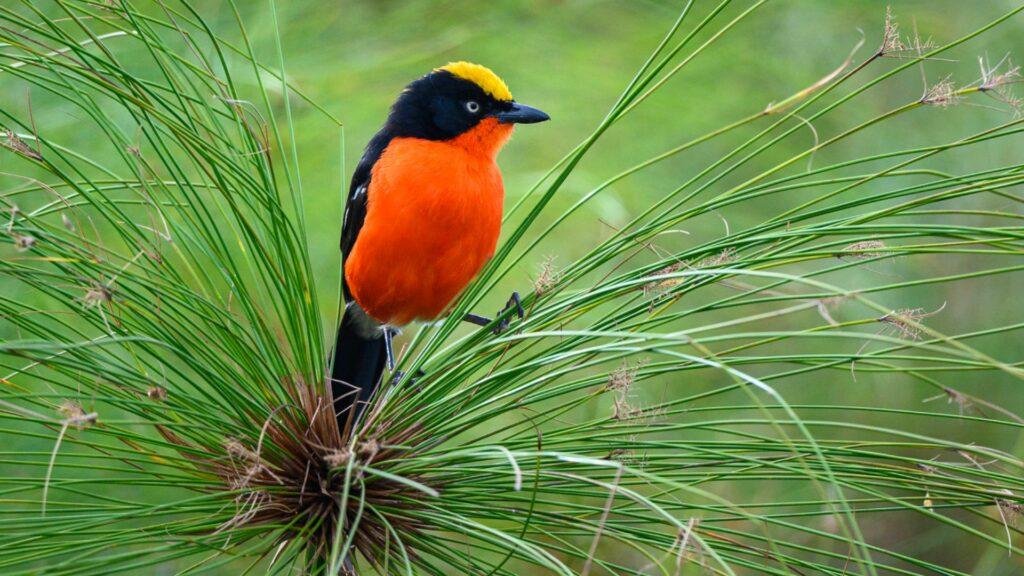
Birdwatching in Akagera National Park offers one of Rwanda’s richest wildlife experiences. The park combines open savannah, rolling hills, woodlands, freshwater lakes, and extensive papyrus wetlands. As a result, visitors can discover an impressive variety of birds within one protected landscape.
Located in eastern Rwanda, Akagera is famous for its Big Five wildlife safaris. However, its remarkable birdlife makes it equally exciting for nature lovers, photographers, and serious birdwatchers.
Almost 500 bird species have been documented in Akagera, according to African Parks. These include the elusive shoebill, colorful papyrus gonolek, African fish eagle, grey crowned crane, and numerous kingfishers.
Whether you are a beginner or experienced birder, Akagera offers rewarding opportunities throughout the year. Moreover, its different habitats make every birdwatching excursion unique.
In this detailed guide, Zamunda Travels Uganda Ltd explores the park’s bird species, wetlands, viewing areas, seasons, and practical safari tips.
Why Birdwatching in Akagera National Park Is Special
Akagera National Park stands out because of its exceptional habitat diversity. Unlike Rwanda’s mountainous rainforests, Akagera protects large areas of savannah and freshwater wetlands.
The park forms part of an important wetland landscape in Central Africa. Its lakes and marshes support waterbirds, while wooded hills provide suitable habitats for smaller woodland species.
Consequently, visitors can observe several bird communities during a single safari.
Exceptional Bird Diversity
Akagera supports resident birds, regional specialists, and seasonal migrants. Therefore, each season brings different opportunities for birdwatchers.
Some birds remain visible throughout the year. Others arrive during migration periods or become easier to find during seasonal changes.
The park is particularly important for wetland-dependent species. Its papyrus swamps provide shelter, nesting sites, and feeding areas.
Birdwatching and Big Five Safaris Combined
One advantage of Akagera is the opportunity to combine birds with larger wildlife.
During a morning birding safari, visitors may observe giraffes, zebras, elephants, buffaloes, and antelopes. Meanwhile, raptors often perch in nearby trees or circle above the plains.
This combination makes Akagera particularly attractive for travelers who enjoy both wildlife photography and bird identification.
Unlike a fast-paced game drive, dedicated birdwatching requires patience. Therefore, Zamunda Travels recommends slower drives with frequent observation stops.
Top Bird Species to See in Akagera National Park
Akagera’s birdlife ranges from colorful woodland birds to impressive wetland hunters. Some species are widespread, while others require careful searching.
The following birds are among the most exciting species to look for during an Akagera birding safari.
1. Shoebill (Balaeniceps rex)
The shoebill is one of Africa’s most fascinating birds. Its enormous shoe-shaped bill and prehistoric appearance make it unforgettable.
Shoebills inhabit extensive freshwater swamps, where they hunt lungfish and other aquatic animals. They often stand motionless before striking their prey.
In Akagera, sightings are possible in suitable papyrus wetlands. However, these birds are elusive, and encounters are never guaranteed.
Therefore, birdwatchers should arrange specialist guidance and allow extra time for searching.
2. Papyrus Gonolek (Laniarius mufumbiri)
The papyrus gonolek is another special attraction in Akagera. Its striking red, yellow, and black plumage makes it particularly beautiful.
This bird lives mainly in dense papyrus vegetation. Consequently, visitors may hear its distinctive calls before spotting it.
The papyrus gonolek is associated with the Lake Victoria Basin. Akagera’s protected wetlands provide important habitat for this regional specialist.
3. African Fish Eagle (Icthyophaga vocifer)
The African fish eagle is among the most recognizable birds around Akagera’s lakes. Its white head, chestnut body, and powerful calls make identification easier.
These birds often perch on trees overlooking water. They hunt fish using their sharp talons.
Lake Ihema is an excellent location for observing them. Moreover, boat safaris offer opportunities to photograph their behavior.
4. Grey Crowned Crane (Balearica regulorum)
The grey crowned crane is a beautiful bird with a golden crown of feathers. It is also Rwanda’s national bird.
These cranes prefer open grasslands, wetland margins, and suitable feeding areas. Visitors may observe pairs walking gracefully through the vegetation.
However, the species faces conservation threats across parts of its range. Protecting its habitat remains essential.
5. Red-faced Barbet (Lybius rubrifacies)
The red-faced barbet is a prized sighting for serious birdwatchers. It has a distinctive red face and prefers suitable wooded habitats.
Visit Rwanda identifies areas around Akagera Game Lodge and Muyumbu as promising places to search.
Because this species can be difficult to notice, birders should listen carefully and scan fruiting trees.
Other notable birds include lilac-breasted rollers, African jacanas, saddle-billed storks, kingfishers, hornbills, and bee-eaters.
Best Birdwatching Areas in Akagera National Park
Choosing the right location greatly improves a birdwatching safari. Fortunately, Akagera contains several productive habitats within its road network.
Each area offers different species and viewing conditions.
Lake Ihema: Best for Waterbirds
Lake Ihema is one of the leading birdwatching destinations in Akagera. Its open waters, wooded shores, and papyrus vegetation attract numerous species.
Visitors can look for African fish eagles, pied kingfishers, African darters, cormorants, herons, and storks.
A guided boat safari provides a different perspective from a game drive. Furthermore, it allows birders to observe shoreline habitats that are difficult to see from roads.
Hippos and Nile crocodiles also inhabit the lake. Therefore, visitors must remain inside authorized boats and follow safety instructions.
Northern Savannah and Kilala Plains
Akagera’s northern grasslands offer excellent opportunities for observing open-country birds.
Birdwatchers can search for crowned cranes, lapwings, francolins, and hunting raptors. The open landscape also makes large birds easier to detect.
Early morning drives are particularly rewarding. During these hours, birds often become active before temperatures rise.
Muyumbu and Wooded Hillsides
The wooded areas around Muyumbu are especially interesting for woodland specialists.
Birders may search for red-faced barbets, hornbills, woodpeckers, rollers, and various smaller songbirds.
However, many species remain partly hidden in vegetation. Therefore, patience and identification by sound are useful.
Lake Shakani and Smaller Wetlands
Lake Shakani provides another valuable birdwatching environment.
Its wetland edges attract jacanas, herons, kingfishers, and other water-associated birds. The surrounding vegetation also provides feeding opportunities for smaller species.
Because visitors often focus on Lake Ihema, smaller wetlands deserve more attention.
Akagera’s Wetlands and Their Importance for Birds
Wetlands are among Akagera’s most valuable natural ecosystems. They provide feeding grounds, nesting materials, shelter, and breeding habitats.
The park’s protected wetland system is particularly important for species dependent on freshwater environments.
Papyrus Swamps and Specialist Birds
Papyrus swamps contain tall, dense vegetation growing in shallow water.
These habitats support specialized birds such as papyrus gonoleks, white-winged swamp warblers, and northern brown-throated weavers.
Some species rarely leave the vegetation. As a result, identifying calls becomes extremely important.
Moreover, papyrus wetlands protect fish populations and other aquatic organisms that sustain larger waterbirds.
Lakeshores and Shallow Water
Shallow lakeshores provide feeding opportunities for herons, egrets, ibises, and storks.
African jacanas search among floating plants. Meanwhile, kingfishers hunt small fish near the water’s surface.
Bird activity often increases where open water meets thick vegetation. Therefore, visitors should scan these transition areas carefully.
Seasonal Floodplains
Seasonal flooding changes Akagera’s birdwatching landscape.
Rainfall creates temporary pools and feeding areas. These conditions can attract wading birds and other species searching for aquatic food.
However, water levels vary between seasons. Consequently, the most productive birdwatching locations can change.
Protecting these wetlands helps maintain Akagera’s exceptional biodiversity.
Best Time for Birdwatching in Akagera National Park
Birdwatching is possible throughout the year. However, different seasons offer distinct advantages.
Best Time to Visit Akagera National Park
Dry Season: June to September
The long dry season generally brings easier road conditions and thinner vegetation.
Birdwatchers can often enjoy clearer views of open-country species. Additionally, wildlife concentrates around reliable water sources.
This period is suitable for travelers combining birdwatching with traditional game drives.
Rainy Seasons: October to November and March to May
Rainfall transforms the park into a green landscape.
Many birds become more vocal during suitable breeding conditions. Furthermore, fresh vegetation supports insect activity and feeding opportunities.
These months can be particularly rewarding for woodland birds and photography.
However, heavy rain may interrupt activities or reduce access to certain tracks.
Migratory Bird Season: November to April
Migratory birds add further diversity to Akagera’s resident species.
Birdwatchers may encounter seasonal raptors, waders, and other migrants moving between breeding and wintering areas.
According to SafariBookings, November through April is an important period for migratory birdwatching in Akagera.
Therefore, this period is especially attractive for travelers interested in expanding their species lists.
How to Plan a Successful Akagera Birdwatching Safari
Good planning can transform an ordinary wildlife drive into a rewarding birding experience.
Zamunda Travels recommends matching your itinerary with your target species, preferred habitats, and available time.
Start Early and Listen to the Dawn Chorus
Early mornings provide excellent opportunities to observe active birds.
As daylight appears, the dawn chorus begins across woodland and grassland habitats. Different species call while preparing to feed.
This is also an ideal period for wildlife photography because natural light is softer.
Include a Lake Ihema Boat Safari
A boat safari is one of the most valuable additions to an Akagera birdwatching itinerary.
The park currently advertises scheduled Lake Ihema departures at 7:30 am, 9:00 am, 3:00 pm, and 4:30 pm. Private trips may also be arranged.
However, schedules can change. Therefore, visitors should confirm availability before traveling.
Use a Birding Guide
A specialist birding guide can identify species by their calls, behavior, and preferred habitats.
Guides also help visitors distinguish similar-looking birds. This is particularly useful for cisticolas, warblers, and other small species.
Additionally, a guide familiar with recent sightings can suggest productive viewing areas.
Bring Suitable Equipment
Useful birdwatching equipment includes:
-
Binoculars, preferably 8×42 or 10×42
-
A Rwanda or East Africa bird field guide
-
A camera with a telephoto lens
-
Neutral-colored clothing
-
Drinking water and sun protection
-
A notebook or bird checklist
-
Waterproof protection during rainy months
For photography, a long lens is helpful. However, visitors should never disturb birds to obtain closer images.
Suggested Two-Day Birdwatching Itinerary
A dedicated two-day safari offers more flexibility than a short day trip.
Day 1: Kigali to Akagera and Lake Ihema
Depart Kigali early and travel toward Akagera National Park.
After entering the park, begin birdwatching around accessible woodland and wetland areas.
Look for rollers, hornbills, kingfishers, and fish eagles. Later, enjoy a scheduled boat safari on Lake Ihema.
In the evening, return to your accommodation and review the day’s sightings.
Day 2: Savannah Birding and Return to Kigali
Begin with the dawn chorus and an early game drive.
Explore suitable grassland and woodland habitats while searching for cranes, barbets, raptors, and smaller birds.
Depending on your route, continue toward the northern plains or revisit productive southern habitats.
Finally, return to Kigali after completing your birdwatching activities.
For serious birders, a three-day safari offers more time for elusive species and changing weather conditions.
Birdwatching Costs and Practical Travel Information
Akagera is accessible from Kigali by road. Travelers should allow approximately two-and-a-half to three hours to reach the southern entrance, depending on traffic.
The journey makes short birdwatching safaris possible. However, overnight stays provide better opportunities for early morning activities.
According to the park’s published 2026 pricing, international adult visitors pay USD 100 for a one-day entry. Scheduled daytime boat trips cost USD 35 per adult. Other visitor categories have different rates.
Transport, accommodation, guiding, and meals are additional considerations.
Therefore, travelers should request a complete quotation before booking.
Responsible Birdwatching and Conservation
Responsible birdwatching helps protect Akagera’s sensitive habitats.
Visitors should avoid loud noises, disturbing nests, or approaching wildlife too closely. Additionally, bird-call playback should not be used to repeatedly attract sensitive species.
Remain on authorized routes and follow park regulations. Never enter papyrus swamps without appropriate authorization and professional guidance.
Importantly, birdwatching tourism can contribute to conservation through park revenue and employment.
African Parks reports that Akagera has made substantial progress in wildlife protection and community development.
By traveling responsibly, visitors help support the long-term protection of this remarkable ecosystem.
Book Your Akagera Birdwatching Safari With Zamunda Travels
Akagera National Park offers much more than traditional game viewing. Its colorful birds, freshwater lakes, and extensive wetlands create unforgettable nature experiences.
Whether you hope to photograph an African fish eagle or search for rare papyrus specialists, careful planning makes a difference.
Zamunda Travels Uganda Ltd organizes customized Rwanda birdwatching safaris for beginners, experienced birders, photographers, and small groups.
Our itineraries can combine Akagera birdwatching with Lake Ihema boat cruises, Big Five game drives, and other Rwanda wildlife destinations.
Plan your birdwatching safari with Zamunda Travels — Beyond Expeditions.
Website: www.zamundatravels.com
Email: info@zamundatravels.com
WhatsApp: +256 704 705 606
Frequently Asked Questions About Birdwatching in Akagera National Park
1. How many bird species are found in Akagera National Park?
Almost 500 bird species have been documented, according to African Parks. Bird lists may differ depending on their dates and recording methods. The park supports waterbirds, woodland birds, grassland species, and migrants.
2. Can I see the shoebill in Akagera National Park?
Yes, shoebills have been recorded in Akagera’s wetlands. However, sightings are uncommon and cannot be guaranteed. Specialist guidance and flexible viewing time may improve your chances.
3. Where is the best place for birdwatching in Akagera?
Lake Ihema is an excellent location for waterbirds. Meanwhile, Muyumbu offers woodland birding, and the northern plains support grassland species. Visiting different habitats produces a more varied bird list.
4. What is the best month for birdwatching in Akagera?
Birdwatching is rewarding throughout the year. However, October and November can offer excellent bird activity. November to April is also particularly interesting for migratory species.
5. Can I combine birdwatching with a Big Five safari in Akagera?
Yes. Akagera supports lions, elephants, buffaloes, leopards, and rhinos alongside its remarkable birdlife. A two-day or three-day safari is ideal for combining both experiences.