Family Safari in Akagera National Park
October 14, 2026
Where to Stay Near Nyungwe Forest National Park
October 14, 2026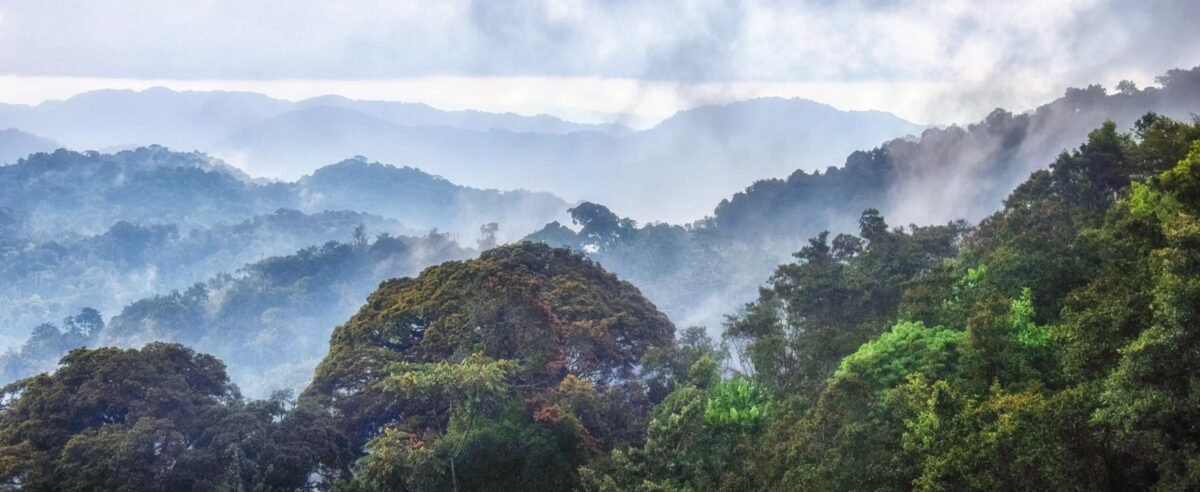
Choosing the best time to visit Nyungwe can shape your whole Rwanda safari. This ancient rainforest in the southwest is misty, green, and full of life. It shelters chimpanzees, colobus monkeys, and hundreds of bird species. However, the season changes what you see and how comfortable you feel. This guide breaks down each season, activity, and month. It also shares practical tips that most guides skip.
Quick Answer: When Should You Go?
Nyungwe stays open all year, so no month is truly bad. Even so, June to September is the driest stretch. December to February offers a shorter dry window. Your main goal should decide your dates.
Here is a simple way to choose:
- Pick June to September for dry trails, hiking, and clear canopy views.
- Pick December to February for good weather with a calmer mood.
- Pick March to May for birdwatching, lush scenery, and lower prices.
- Pick October to November for strong chimp odds and quiet trails.
Keep one rule in mind. Rain can fall in any month here. Therefore, treat every season as a possible wet season and pack for it.
Nyungwe Weather and Seasons by Month
Nyungwe rises from about 1,600 metres to 3,000 metres above sea level. At that height, the forest creates its own weather. Mist rolls in fast, and showers appear without warning. Temperatures stay cool, especially at dawn.
Rwanda has two dry seasons and two rainy seasons. Nyungwe follows this pattern but stays wetter than most of the country. As a result, rain gear matters even in July.
Long Rains: March to May
March to May brings the heaviest rain. Trails turn slippery, and cloud often hides the views. Roads can also slow your drive from Kigali.
On the other hand, the forest looks spectacular. Crowds thin out, and lodges often drop their rates. Many guides also rate this period highly for birdwatching.
Main Dry Season: June to September
June to September is the Nyungwe dry season and the busiest period. Rainfall drops, and trails firm up. Hiking, photography, and the canopy walk all feel easier.
This season also attracts gorilla trekkers who visit Volcanoes National Park. Consequently, lodges and permits sell out early. Book several months ahead. Chimp trekking can take longer now, because fruit is scarcer and chimps roam farther.
Short Rains: October to November
The short rains arrive in October. Showers are often brief and usually fall in the afternoon. Meanwhile, fruit trees produce well, which helps chimp sightings.
Crowds stay low during these months. As a result, you may enjoy quiet trails and more flexible bookings. Just start your activities early, before the afternoon clouds build.
Short Dry Season: December to February
December to February brings clearer skies after the rains. The forest feels fresh, and walking conditions are comfortable. Many operators call this a sweet spot for Nyungwe.
However, Christmas and New Year weeks get busy. Book those dates early. January and February are usually calmer.
Best Time to Visit Nyungwe for Chimpanzee Trekking
Nyungwe shelters roughly 400 chimpanzees. Trackers follow a habituated group, and each trek takes a maximum of eight visitors. No operator can guarantee a sighting, because the animals live wild. Still, the season improves your odds.
The wetter months generally favour chimps. Fruit is plentiful, so the chimps stay in fruiting trees for longer. For example, a November trek may find them within an hour or two. In July, the same trek may stretch much longer.
Dry months still work well, though. Fit hikers often enjoy the firmer ground. In addition, you can use the Cyamudongo forest fragment, where chimps are often easier to locate. Ask your operator which site suits your dates.
Here is a smart tip most travellers miss. Schedule chimp trekking on your second day, not your last. A spare day gives you a backup if the chimps move far. Likewise, consider the Chimpanzee Habituation Experience if you want hours with the group instead of one.
Check the age rules before you book. Chimp trekking has a strict minimum age, which many operators put at 15. Children can still enjoy the canopy walk and short forest trails.
Best Time to Visit Nyungwe for Birdwatching and the Canopy Walk
Nyungwe records more than 300 bird species. About 27 of them are Albertine Rift endemics, including the great blue turaco. Birding is good all year. Nevertheless, March to May is a favourite among many guides, while others prefer November to March.
Time of day matters more than month. Birds sing loudest at dawn. Therefore, book a guided walk for first light, whatever the season.
The Nyungwe canopy walk is the park’s signature experience. This suspended bridge lets you float above the treetops. Morning slots usually offer clearer views and fewer people. In the dry season, the boardwalk also feels less slippery. A zipline opened in 2025 for travellers who want extra adrenaline.
Nyungwe also hosts 13 primate species. These include colobus monkeys, blue monkeys, and L’Hoest’s monkeys. Colobus tracking works well in any month, so rain rarely ruins it. Night walks add another angle, and they suit travellers who love small creatures.
Peak Season vs Low Season: Crowds, Prices, and Permits
Peak season runs from June to September, plus the festive weeks. Lodges fill quickly, and prices climb. Rwanda has also offered discounted gorilla permits in low season when travellers add another park. Ask your planner whether a current offer applies to your dates.
Low season runs roughly from March to May and from October to November. You gain space, calm, and better rates. However, you accept more rain and occasional road delays.
Fees deserve a careful check. Operators and websites quote different prices for chimp permits and the canopy walk. Fees also change between seasons. For this reason, confirm every price with the Rwanda Development Board or your tour operator before you pay.
Practical Tips for Planning Your Nyungwe Trip
Plan at least two nights in the park. Three nights is better. Extra time protects you from bad weather and gives you backup days for the chimps.
Allow for the drive. The road from Kigali takes about five to six hours, depending on traffic and stops. A main road also cuts through the park, so you can spot forest views from the car. Leave early so you arrive with energy.
Pack smart for a cool, wet forest:
- A waterproof jacket and light layers
- Waterproof hiking boots with good grip
- Long trousers and long sleeves
- Gloves for muddy, thorny trails
- A dry bag for your camera
Finally, book through a reliable planner. Zamunda Travels can arrange permits, lodges, and transport together. As a result, you avoid last-minute surprises.
Combine Nyungwe With Other Parks
Nyungwe pairs well with other Rwanda highlights. Many travellers add gorilla trekking in Volcanoes National Park. Others add Akagera National Park for a classic savannah safari. Together, these parks create a varied itinerary.
You can also link Rwanda with Uganda. Southwest Uganda sits just across the border, and gorilla trekking in Bwindi is a natural partner. Zamunda Travels designs these cross-border trips with smooth transfers. Choose your Nyungwe month first. Then match the rest of your route to the same season.
Conclusion
The best time to visit Nyungwe depends on your goals. Choose June to September for dry trails and easy hiking. Choose December to February for balance. Pick the wetter months for birds, quiet trails, and strong chimp chances. Whatever you choose, pack for rain and give yourself spare days.
Frequently Asked Questions
What is the best month to visit Nyungwe Forest National Park?
July is a popular pick, because it falls in the main dry season. However, chimp trekking often feels easier in wetter months. December to February is another strong choice.
Is Nyungwe worth visiting in the rainy season?
Yes, it is. The forest looks lush, and crowds thin out. Chimps also stay close to fruiting trees. Just expect muddy trails and bring proper rain gear.
How many days do you need in Nyungwe?
Two to three days works best. This schedule covers chimp trekking, the canopy walk, and one extra forest activity. It also leaves a spare day in case of rain.
How far is Nyungwe from Kigali?
The drive takes roughly five to six hours. Traffic, road works, and stops can change this. Therefore, start early and plan a comfortable break.
What should I wear for chimpanzee trekking in Nyungwe?
Wear long trousers, long sleeves, and sturdy waterproof boots. Add a rain jacket and gloves. Layers help because mornings are cold and the hike warms you up.