Nyungwe Forest National Park
October 14, 2026
Nyungwe Forest National Park Entrance Fees and Permits
October 14, 2026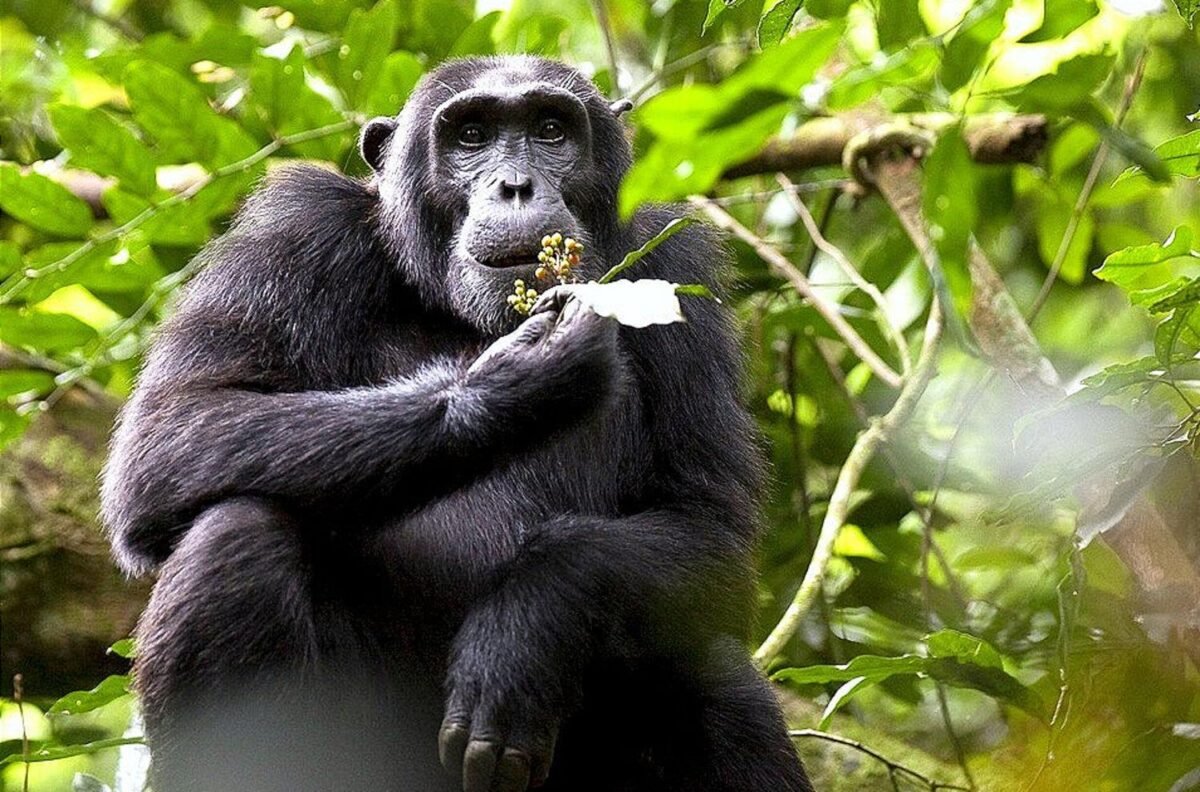
Wildlife in Nyungwe Forest makes southwestern Rwanda one of Africa’s most exciting rainforest destinations. This ancient forest shelters chimpanzees, remarkable monkeys, colorful birds, and many hidden forest animals. Moreover, its rich biodiversity attracts nature lovers, photographers, birdwatchers, and wildlife researchers worldwide.
Unlike Rwanda’s savannah parks, Nyungwe offers a different kind of safari. Here, visitors explore misty mountains, thick vegetation, and beautiful forest trails. Meanwhile, chimpanzee calls, singing birds, and rustling leaves bring the rainforest to life.
Whether you love primates or rare birds, Nyungwe offers unforgettable wildlife experiences. This guide explores its remarkable animals, their habitats, and the best ways to encounter them.
Wildlife in Nyungwe Forest: What Animals Can You See?
Nyungwe National Park is one of Rwanda’s most important protected natural areas. Located in the Albertine Rift, it covers approximately 1,019 square kilometers of diverse habitats.
Its landscapes include montane rainforest, bamboo forests, grasslands, wetlands, and mountain valleys. Consequently, these ecosystems support an impressive variety of wildlife.
According to African Parks, Nyungwe protects approximately:
-
13 primate species, including chimpanzees and several rare monkeys.
-
345 recorded bird species, including 30 Albertine Rift endemics.
-
85 mammal species, ranging from small antelopes to elusive carnivores.
-
More than 1,100 plant species.
-
Numerous reptiles, amphibians, butterflies, and other invertebrates.
These figures highlight the forest’s exceptional conservation value. However, wildlife sightings vary depending on weather, animal movements, and the activity selected.
Unlike open savannahs, Nyungwe’s dense vegetation makes some animals difficult to observe. Therefore, experienced guides play an important role in identifying wildlife through movements, tracks, and calls.
Source: African Parks, Nyungwe Biodiversity Conservation.
Primates in Nyungwe National Park: Chimpanzees and Monkeys
Primates are among Nyungwe’s greatest wildlife attractions. The park supports 13 species, making it one of Africa’s most diverse forests for primate watching.
Visitors can encounter energetic chimpanzees, large colobus monkey groups, and several shy forest monkeys. Additionally, different species occupy different forest levels, creating fascinating wildlife interactions.
1. Eastern Chimpanzees
Scientific name: Pan troglodytes schweinfurthii
Chimpanzees are Nyungwe’s most famous primates. These intelligent great apes share approximately 98% of their DNA with humans.
They live in social communities and communicate through calls, gestures, and facial expressions. Furthermore, they use tools, build sleeping nests, and form complex relationships.
Chimpanzees feed mainly on fruits, leaves, and other plant materials. However, they also eat insects and occasionally hunt smaller animals.
Visitors can track habituated or semi-habituated chimpanzee communities in Nyungwe and the nearby Cyamudongo forest sector. Tracking normally begins early because chimpanzees become active around dawn.
Although sightings are never guaranteed, hearing their powerful calls is memorable.
Best experience: Join a guided chimpanzee trekking safari with an authorized park guide.
2. Ruwenzori Black-and-White Colobus Monkeys
Scientific name: Colobus angolensis ruwenzorii
Ruwenzori colobus monkeys are among Nyungwe’s most spectacular animals. Their black-and-white fur, long tails, and graceful movements make them especially attractive to photographers.
Unlike many other monkeys, colobus monkeys have reduced thumbs. This adaptation helps them move efficiently through forest branches.
They mainly feed on leaves, although they also eat fruits and other vegetation.
Remarkably, Nyungwe supports enormous colobus groups. Some gatherings include several hundred individuals, creating extraordinary wildlife encounters.
Watching these monkeys leap between trees is an unforgettable rainforest experience.
3. L’Hoest’s Monkeys
Scientific name: Allochrocebus lhoesti
L’Hoest’s monkeys are beautiful forest primates with dark coats and distinctive white facial whiskers.
They often travel through dense vegetation and occasionally search for food on the forest floor. Their diet includes fruits, leaves, insects, and other natural foods.
Because they remain alert to danger, visitors should approach quietly and avoid sudden movements.
These monkeys are particularly interesting to wildlife enthusiasts seeking Albertine Rift specialties.
4. Grey-Cheeked Mangabeys
Scientific name: Lophocebus albigena
Grey-cheeked mangabeys are active, intelligent monkeys that spend much of their time in trees.
They have dark fur, lighter cheeks, and long tails that help them balance. Additionally, they communicate through loud calls that travel across the forest.
These monkeys feed on fruits, seeds, flowers, and insects. Visitors may encounter them moving through the canopy in small groups.
5. Other Monkeys Found in Nyungwe
Nyungwe also protects several less familiar primates.
These include silver monkeys, blue monkeys, red-tailed monkeys, Dent’s mona monkeys, and Hamlyn’s monkeys. Olive baboons also occur in the wider forest landscape.
Hamlyn’s monkeys, sometimes called owl-faced monkeys, are particularly elusive. Their distinctive facial markings make them fascinating for specialist primate enthusiasts.
Meanwhile, galagos and other nocturnal primates become active after sunset.
For the best experience, visitors should allow enough time to explore different forest habitats. Each area offers different opportunities for primate encounters.
Sources: Official Nyungwe tourism website and African Parks.
Birds of Nyungwe Forest: A Paradise for Birdwatchers
Birdwatching is another outstanding wildlife experience in Nyungwe National Park. The rainforest supports hundreds of bird species, including many restricted to the Albertine Rift.
Its different habitats attract colorful forest birds, raptors, sunbirds, and elusive undergrowth species. Furthermore, the park offers excellent opportunities for specialist birdwatching safaris.
1. Great Blue Turaco
Scientific name: Corythaeola cristata
The great blue turaco is one of Nyungwe’s most impressive birds. Its brilliant blue feathers, distinctive crest, and large body make it easy to recognize.
These birds mainly feed on fruits and frequently move between forest trees. Their loud calls also help birdwatchers locate them.
2. Ruwenzori Turaco
Scientific name: Gallirex johnstoni
The Ruwenzori turaco is a prized bird among visitors exploring the Albertine Rift.
Its colorful plumage features green, blue, and striking red wing feathers. However, spotting this forest specialist often requires patience.
3. Red-Collared Mountain Babbler
Scientific name: Turdoides rufocinctus
This Albertine Rift endemic is among Nyungwe’s most sought-after birds. It often moves through dense mountain vegetation in noisy groups.
Experienced bird guides can identify these babblers through their distinctive calls and movements.
4. Handsome Francolin
Scientific name: Pternistis nobilis
The handsome francolin is another remarkable Albertine Rift bird.
Unlike canopy birds, it frequently searches for food on the forest floor. Therefore, patient visitors may spot it along quiet forest trails.
5. Other Rare Birds in Nyungwe
Birdwatchers should also look for the following species:
-
Shelley’s crimsonwing: A rare, colorful finch associated with mountain forests.
-
Blue-headed sunbird: A small, attractive bird that feeds around forest flowers.
-
Rwenzori batis: A distinctive forest bird and Albertine Rift endemic.
-
Grauer’s swamp warbler: A specialist associated with high-altitude wetlands.
-
Doherty’s bushshrike: A striking bird with bright colors and powerful calls.
-
Strange weaver: An unusual weaver associated with the Albertine Rift forests.
For the best birdwatching experience, visitors should begin early in the morning. During the dawn chorus, bird calls fill the forest before human activity increases.
Importantly, Nyungwe’s dense vegetation can make photography challenging. Binoculars and an experienced bird guide greatly improve the experience.
Other Wild Animals Found in Nyungwe Forest
Although primates dominate most safari itineraries, Nyungwe protects many other mammals.
These animals play essential roles in maintaining the rainforest’s natural balance. However, many are shy, nocturnal, or difficult to observe.
Forest Antelopes and Small Mammals
Several forest antelopes inhabit Nyungwe, including black-fronted and yellow-backed duikers.
Duikers are small, secretive antelopes that move quietly through dense vegetation. They feed on fruits, leaves, and other plant materials.
Visitors may also encounter forest squirrels and signs of bushpigs. Nevertheless, sightings depend heavily on patience and luck.
Elusive Forest Carnivores
Nyungwe supports small carnivores, including African civets and serval cats.
These predators help regulate smaller animal populations. However, they are rarely observed during ordinary daytime safaris.
Unlike Akagera National Park, Nyungwe is not a typical Big Five safari destination. Travelers seeking lions, elephants, and rhinos should combine Nyungwe with Akagera.
Nocturnal Wildlife
Nyungwe becomes especially fascinating after sunset.
Guided night walks offer opportunities to search for galagos, pottos, tree hyraxes, and other nocturnal animals. Additionally, visitors can experience the rainforest’s completely different nighttime sounds.
Because wild animals are unpredictable, sightings remain uncertain. Always explore after dark with authorized park guides.
Reptiles, Amphibians, and Butterflies in Nyungwe
Nyungwe’s wildlife diversity extends beyond birds and mammals.
Its moist forest floor, streams, and wetlands provide habitats for frogs, reptiles, and countless insects. These smaller creatures are essential to the forest ecosystem.
Frogs and Reptiles
Forest frogs thrive in Nyungwe’s humid environments, especially near streams and wetlands.
Meanwhile, snakes, lizards, and other reptiles occupy different forest habitats. Most remain hidden unless conditions favor movement.
Visitors should avoid touching unfamiliar animals. Instead, observe them from a safe distance.
Butterflies and Pollinating Insects
Nyungwe also supports an impressive variety of butterflies.
Visitors may notice colorful species around forest openings, flowers, and sunny trails. Additionally, bees and other insects help pollinate plants throughout the rainforest.
For nature photographers, these smaller animals offer rewarding subjects between major wildlife encounters.
Best Places to See Wildlife in Nyungwe National Park
Different areas offer different wildlife experiences. Therefore, choosing the right location can significantly improve a safari.
| Wildlife viewing area | Best experiences |
|---|---|
| Uwinka | Forest birds, monkeys, guided nature walks |
| Cyamudongo | Chimpanzee trekking |
| Gisakura | Colobus monkeys, forest birds, nature walks |
| Gisovu | Chimpanzee experiences, birdwatching |
| Karamba Trail | Forest birdwatching |
| Kamiranzovu Wetland | Wetland habitats and specialist birds |
| Bigugu area | High-altitude forest birds and hiking |
The official Nyungwe tourism website confirms several specialized experiences across these visitor areas. However, activities and wildlife locations can change seasonally.
How to Improve Your Wildlife Sightings
A successful rainforest safari requires a different approach from a traditional game drive.
First, begin activities early when many animals are active. Next, move quietly and listen carefully to the surrounding forest.
Also, bring binoculars, comfortable hiking shoes, waterproof clothing, and a suitable camera. Avoid using flash photography around sensitive wildlife.
Finally, choose activities according to your interests rather than expecting every species on one walk.
Best Time to See Wildlife in Nyungwe Forest
Nyungwe offers wildlife experiences throughout the year. However, seasonal weather affects trail conditions, visibility, and visitor comfort.
June to September: Generally drier conditions make hiking and primate tracking more comfortable. Consequently, this period suits visitors planning several outdoor activities.
December to February: Often brings another relatively drier period. Visitors can combine chimpanzee tracking, birdwatching, and forest walks.
March to May: Rainfall generally increases, creating lush green scenery. Nevertheless, slippery trails can make trekking more demanding.
October to November: Rain is common, although wildlife remains active. Birdwatchers may still enjoy productive forest outings.
Importantly, Nyungwe is a rainforest, so showers can occur during any month.
Planning a Nyungwe Wildlife Safari with Zamunda Travels
A carefully organized safari allows visitors to experience more than one side of Nyungwe’s remarkable biodiversity.
For travelers with limited time, two or three days provide a useful introduction. However, specialist birdwatchers and photographers may prefer longer stays.
Suggested Three-Day Wildlife Itinerary
Day 1: Kigali to Nyungwe Forest
Travel from Kigali through Rwanda’s scenic countryside toward Nyungwe. After arrival, enjoy the forest atmosphere and prepare for the following morning’s activities.
Day 2: Chimpanzee Trekking and Forest Exploration
Begin with an early chimpanzee trekking experience. Later, enjoy a guided forest walk or another prearranged activity.
Day 3: Birdwatching and Departure
Start with the dawn chorus and a guided birdwatching experience. Afterward, continue toward Kigali or another Rwanda safari destination.
Zamunda Travels Uganda Ltd organizes customized Rwanda wildlife safaris, including Nyungwe chimpanzee trekking, birdwatching, and primate experiences.
Travelers can also combine Nyungwe with Volcanoes National Park for gorilla trekking or Akagera for Big Five wildlife viewing.
Plan your Rwanda wildlife adventure with Zamunda Travels.
Website: www.zamundatravels.com
Email: info@zamundatravels.com
WhatsApp: +256 704 705 606
Frequently Asked Questions About Wildlife in Nyungwe Forest
1. What animals can you see in Nyungwe Forest?
Nyungwe supports chimpanzees, colobus monkeys, L’Hoest’s monkeys, mangabeys, forest antelopes, civets, and numerous birds. Visitors may also encounter butterflies, frogs, and other small forest animals.
2. How many monkey species live in Nyungwe National Park?
Nyungwe supports 13 primate species, including chimpanzees, monkeys, baboons, and nocturnal primates. Because chimpanzees are apes rather than monkeys, the total should not be described as 13 monkey species.
3. Are there lions and elephants in Nyungwe Forest?
Nyungwe is not a destination for viewing lions and elephants. Instead, visitors should explore Akagera National Park, which offers classic savannah wildlife safaris.
4. Can tourists see chimpanzees in Nyungwe Forest?
Yes. Visitors can join guided chimpanzee trekking experiences in designated forest areas. However, sightings are not guaranteed because chimpanzees move freely through their natural habitat.
5. Is Nyungwe Forest good for birdwatching?
Yes. Nyungwe is among Rwanda’s premier birdwatching destinations, with hundreds of recorded species. Its Albertine Rift endemics make it particularly attractive to specialist birdwatchers.