Best Things to Do in Nyungwe Forest National Park
October 14, 2026
Nyungwe Canopy Walkway
October 14, 2026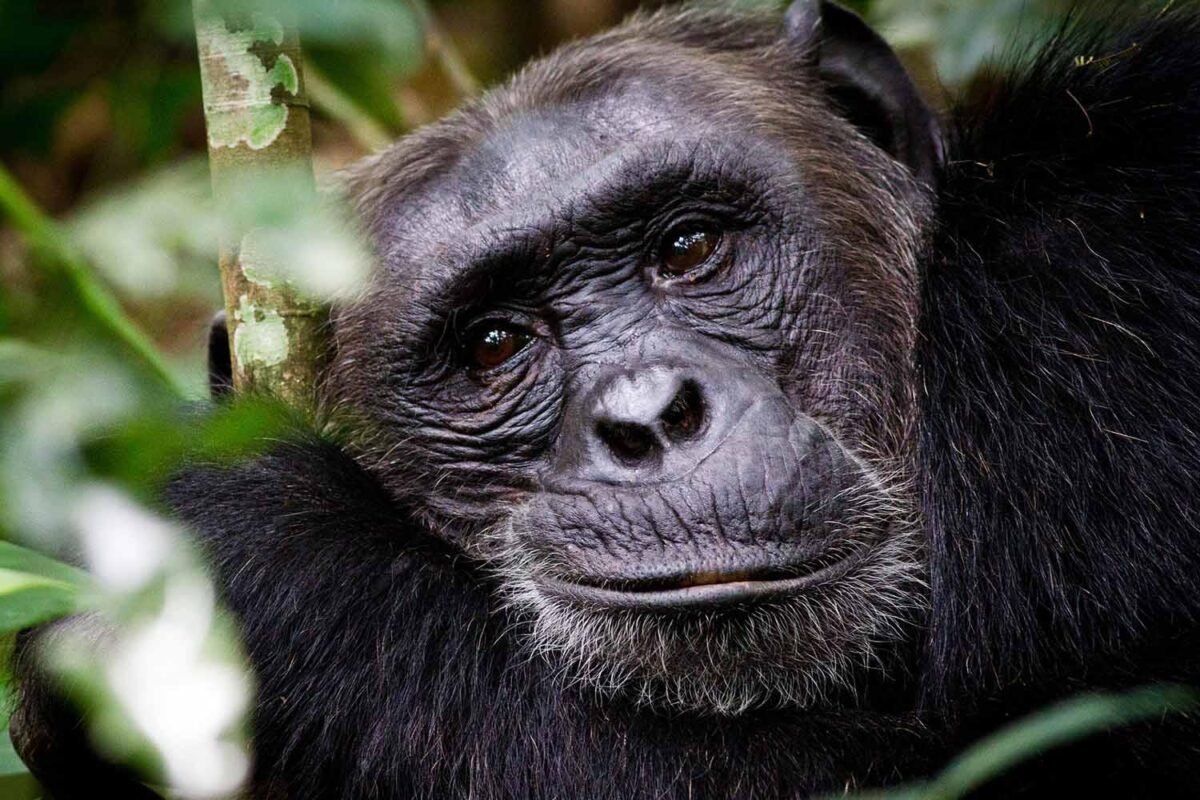
Chimpanzee trekking in Nyungwe Forest offers one of Rwanda’s most exciting wildlife adventures. Deep inside this ancient rainforest, wild chimpanzees swing through trees, communicate loudly, and search for food.
Unlike a traditional game drive, this experience takes you directly into the chimpanzees’ natural habitat. You follow experienced guides through forest trails while listening for calls echoing through the canopy.
However, proper planning is essential. Permits are limited, tracking starts early, and the forest terrain can be challenging.
This guide explains chimpanzee trekking permits, costs, booking procedures, and the best time to visit. It also covers trekking difficulty, accommodation, and practical tips for an unforgettable Rwanda safari.
Why Choose Chimpanzee Trekking in Nyungwe Forest?
Discover Rwanda’s rainforest primates
Nyungwe Forest National Park lies in southwestern Rwanda, near Lake Kivu and the Burundi border. It protects an extraordinary mountain rainforest filled with wildlife, waterfalls, and beautiful hiking trails.
The park supports several primate species, including chimpanzees, colobus monkeys, and L’Hoest’s monkeys. Consequently, it offers excellent opportunities for travelers interested in primates and forest ecosystems.
Chimpanzees share approximately 98.7% of their DNA with humans. Therefore, watching their social interactions can feel remarkably familiar.
You might see young chimpanzees playing, adults grooming, or individuals communicating through calls and gestures. Meanwhile, other chimpanzees may move rapidly through the treetops.
What Makes Nyungwe Special?
Nyungwe offers more than chimpanzee sightings. Its mountainous landscape creates a dramatic setting for exploring one of Africa’s important forest ecosystems.
Moreover, visitors can combine chimpanzee trekking with canopy walks, birdwatching, and guided nature hikes.
The experience also feels different from gorilla trekking. Chimpanzees travel quickly, climb frequently, and often communicate through powerful calls.
As a result, every tracking experience unfolds differently. This unpredictability makes each encounter exciting.
Chimpanzee Trekking in Nyungwe Forest: Permits and Costs
A chimpanzee trekking permit is required before joining a guided tracking activity. The permit covers the official guided chimpanzee tracking experience.
According to Nyungwe National Park’s published 2025–2026 pricing scheme, the following rates apply.
Nyungwe Chimpanzee Trekking Permit Prices
| Visitor category | Permit cost per person |
|---|---|
| International and African visitors | USD 150 |
| Eligible international residents in Rwanda/EAC | USD 75 |
| Rwandan and EAC citizens | RWF 25,000 |
These are activity fees only. Park entrance fees are charged separately.
Nyungwe National Park Entrance Fees
The published entry fees for a single visit are:
| Visitor category | Entry fee |
|---|---|
| International visitors | USD 100 |
| Eligible foreign residents in Rwanda/EAC | USD 60 |
| Rwandan and EAC citizens | RWF 10,000 |
Therefore, an international visitor should budget approximately USD 250 for chimpanzee tracking and park entry combined.
However, accommodation, transfers, meals, and optional services are additional expenses.
The published scheme also offers reduced cumulative entry fees for qualifying longer stays. Always confirm your visitor category and applicable rates before payment.
Pricing reference: Nyungwe National Park’s official 2025–2026 tariff. Confirm any newer rates before booking travel in late 2026 or beyond.
What Does Your Permit Include?
Your chimpanzee trekking permit includes the services of an authorized guide and access to the booked tracking activity.
However, it does not automatically include hotel accommodation or private transportation.
Additionally, the park limits standard tracking groups to eight adults per chimpanzee community. Visitors must be at least 15 years old.
Therefore, booking early is recommended, especially during popular travel periods.
How to Book Chimpanzee Trekking Permits in Nyungwe
Booking your permit early helps secure your preferred trekking date. Furthermore, advance reservations allow you to arrange accommodation near the correct tracking location.
You can organize permits directly through the park or through an established safari operator.
Step-by-Step Booking Process
-
Choose your travel dates. Allow at least two nights near Nyungwe for a comfortable itinerary.
-
Check permit availability. Confirm available dates and the assigned chimpanzee tracking community.
-
Provide traveler information. Share the required identification and residency details.
-
Complete your reservation. Follow the park’s approved payment and confirmation instructions.
-
Arrange accommodation and transport. Choose lodging that provides convenient access to your assigned meeting point.
For direct inquiries, visit the official Nyungwe National Park website]]]]]]]]]]]]]]]]]]]]]]]].
Alternatively, Zamunda Travels Uganda Ltd can help coordinate permits, accommodation, transfers, and guided Rwanda safari itineraries.
Importantly, avoid confusing chimpanzee trekking permits with gorilla trekking permits. These activities take place in different national parks and require separate bookings.
Where Does Chimpanzee Trekking Take Place in Nyungwe?
Nyungwe’s official visitor information identifies three chimpanzee tracking communities: Cyamudongo, Mayebe, and Gisovu.
Each community offers a different forest environment and tracking experience. However, availability depends on park arrangements and the movement of the chimpanzees.
Cyamudongo Forest Chimpanzee Trekking
Cyamudongo is a smaller forest block associated with Nyungwe National Park. It provides a fascinating chimpanzee tracking setting surrounded by beautiful southwestern Rwanda landscapes.
Because this forest is relatively compact, chimpanzees may sometimes be easier to locate than in larger forest areas. Nevertheless, sightings are never guaranteed.
The forest also offers interesting birdwatching opportunities and rich vegetation.
Travelers should confirm road conditions and transfer times before their trekking day. In particular, an early departure may be necessary.
Mayebe and Gisovu Chimpanzee Tracking
Mayebe and Gisovu offer tracking experiences in other sections of Nyungwe’s forest landscape.
These locations can involve demanding walks through mountainous terrain. Consequently, good physical preparation improves comfort during the experience.
Gisovu is also associated with Nyungwe’s longer chimpanzee habituation experience.
Practical tip: Do not choose a hotel based only on its distance from the national park. First, confirm your assigned tracking area. This can prevent a long transfer before sunrise.
What to Expect During Chimpanzee Trekking in Nyungwe
Chimpanzee trekking usually begins very early in the morning. Therefore, travelers should prepare their clothing and equipment the evening before.
Although every trek differs, most visits follow a similar process.
Early Morning Briefing and Forest Entry
Your safari driver transfers you to the designated meeting point before the activity begins.
There, park guides explain the tracking procedures, forest conditions, and wildlife safety rules.
Afterward, your group enters the forest alongside trained guides.
The morning forest often comes alive with birdsong, rustling leaves, and distant primate calls.
This dawn chorus creates a memorable atmosphere before the chimpanzees appear.
Searching for Wild Chimpanzees
Your guides follow recent signs and information about the chimpanzees’ movements.
Sometimes, their loud calls reveal their location before anyone sees them.
However, these intelligent primates can travel quickly between feeding and resting areas.
You may need to climb slopes, cross muddy sections, or wait quietly while guides assess their movements.
Therefore, patience and flexibility are essential.
The Chimpanzee Encounter
Finding the chimpanzees is often the most exciting moment.
You may watch adults grooming each other, juveniles playing, or individuals feeding in the canopy.
Meanwhile, powerful calls may travel across the forest as the chimpanzees communicate.
Standard tracking visits generally allow approximately one hour observing chimpanzees once located, subject to current park rules and ranger instructions.
However, the animals may remain high in trees or move away before visitors achieve clear views.
Respect their space, remain quiet, and follow your guide’s instructions throughout the encounter.
How Difficult Is Chimpanzee Trekking in Nyungwe?
Chimpanzee trekking in Nyungwe is generally considered physically demanding.
The park’s official activity guidance classifies chimpanzee tracking among its difficult hiking experiences. The terrain includes steep slopes and elevations ranging approximately from 1,600 to 2,950 meters across the park.
Tracking may last several hours, depending on the chimpanzees’ location and movement.
Some visitors encounter chimpanzees relatively quickly. Others must walk longer distances through challenging terrain.
How to Prepare Physically
Regular walking before your trip can improve your endurance.
Additionally, practice hiking on uneven surfaces and climbing hills whenever possible.
Comfortable hiking boots with reliable grip are especially important.
If you have mobility limitations, discuss them with your safari operator before confirming your permit.
A porter may help carry your belongings where this service is available.
However, a porter cannot remove the physical demands of the forest environment.
Best Time for Chimpanzee Trekking in Nyungwe Forest
Chimpanzee trekking is possible throughout the year. However, rainfall can affect trail conditions and hiking comfort.
Nyungwe receives considerable rainfall because of its tropical mountain climate.
Therefore, even traditionally drier months may bring unexpected showers.
Dry Seasons: June to September and December to February
These periods generally provide better walking conditions.
Trails may be less muddy, making steep sections easier to navigate.
Moreover, clearer weather can improve visibility through parts of the forest.
However, chimpanzees follow seasonal food sources. Therefore, drier conditions do not always mean easier sightings.
Rainy Seasons: March to May and October to November
Rainfall keeps Nyungwe’s vegetation lush and vibrant.
During wetter periods, some fruiting trees may attract chimpanzees to particular forest areas.
However, wet trails can become slippery and physically demanding.
Consequently, waterproof equipment and appropriate footwear become especially important.
| Travel period | Main advantage | Main consideration |
|---|---|---|
| June–September | Generally better hiking conditions | Popular travel period |
| October–November | Lush rainforest scenery | Frequent rainfall |
| December–February | Often favorable walking conditions | Weather remains variable |
| March–May | Beautiful greenery and forest activity | Muddy, slippery trails |
Best overall recommendation: Choose June to September if comfortable hiking conditions are your main priority. However, wildlife sightings depend more on chimpanzee movements than the calendar.
What to Pack for Chimpanzee Trekking in Nyungwe
Packing correctly makes your forest adventure safer and more comfortable.
Because Nyungwe’s weather changes quickly, prepare for both sunshine and rainfall.
Essential items include:
-
Waterproof hiking boots: Provide grip on muddy and uneven trails.
-
Long trousers: Protect your legs from vegetation and insects.
-
Long-sleeved shirt: Helps protect exposed skin.
-
Lightweight rain jacket: Essential during unexpected rain.
-
Gardening gloves: Useful when negotiating vegetation, where permitted.
-
Drinking water: Helps you stay hydrated throughout the trek.
-
Energy snacks: Useful for longer tracking experiences.
-
Camera: Capture wildlife without using flash.
-
Small backpack: Carry essential belongings comfortably.
Additionally, bring any personal medication you may require.
Avoid carrying unnecessary equipment because extra weight can make steep climbs more difficult.
Chimpanzee Trekking Rules and Safety Guidelines
Chimpanzees are wild animals, even when accustomed to human observers. Therefore, responsible behavior protects visitors and wildlife.
During your trekking experience, follow these important guidelines:
-
Maintain the minimum distance specified by your park guide.
-
Avoid trekking when suffering from a contagious illness.
-
Never feed or attempt to touch chimpanzees.
-
Keep noise levels low and avoid sudden movements.
-
Never use flash photography.
-
Follow all instructions from authorized park guides.
Chimpanzees can contract certain human diseases. Consequently, hygiene and health precautions are particularly important.
Your guide will explain the current park-specific requirements, including any face-mask rules.
Chimpanzee Habituation Experience vs Standard Trekking
Nyungwe also offers a specialized chimpanzee habituation experience.
Unlike standard tracking, this activity involves spending extended time with trackers as they observe chimpanzee behavior.
Visitors may learn about feeding patterns, nesting behavior, and individual chimpanzee identification.
The official published rates are USD 200 for international and African visitors, USD 100 for eligible foreign residents, and RWF 30,000 for Rwandan and EAC citizens.
The activity allows a maximum of four visitors, excluding the guiding team. Park entry is charged separately.
Therefore, habituation may appeal to researchers, photographers, and travelers seeking a deeper understanding of chimpanzee ecology.
However, the experience requires considerable physical stamina and advance planning.
Where to Stay for Chimpanzee Trekking in Nyungwe
Accommodation ranges from luxury forest lodges to simpler guesthouses and camping options.
Luxury travelers can consider One&Only Nyungwe House, known for its beautiful tea plantation surroundings and upscale accommodation.
Other travelers may prefer hotels and guesthouses around Gisakura or the wider western park area.
Additionally, the park operates accommodation options at Uwinka, Gisakura, and Gisovu.
The Cyamudongo Community Centre also provides facilities supporting nearby chimpanzee tracking activities.
Before booking, confirm which trekking location you will use. This can significantly reduce early morning transfer times.
Sample 3-Day Nyungwe Chimpanzee Trekking Itinerary
Day 1: Kigali to Nyungwe Forest
Depart Kigali and travel southwest through Rwanda’s scenic hills and countryside.
Along the way, enjoy views of rural communities, tea plantations, and beautiful landscapes.
Arrive near Nyungwe and check into your accommodation.
Spend the evening relaxing and preparing for your early chimpanzee trekking adventure.
Day 2: Chimpanzee Trekking and Forest Exploration
Wake before sunrise and transfer to your designated chimpanzee tracking meeting point.
After the briefing, follow your guide into the rainforest to search for chimpanzees.
Later, return to your accommodation for relaxation and lunch.
Depending on timing and availability, enjoy another forest activity or a quiet afternoon.
Day 3: Canopy Walk and Return to Kigali
After breakfast, visit the famous Nyungwe canopy walkway, subject to your reservation and travel schedule.
Enjoy spectacular views over the rainforest from the suspended walkway.
Afterward, begin your return journey to Kigali.
This itinerary works well for travelers combining wildlife, forest scenery, and light adventure.
Plan Your Nyungwe Chimpanzee Safari With Zamunda Travels
Chimpanzee trekking in Nyungwe offers a rare opportunity to explore Rwanda’s remarkable rainforest wildlife.
However, successful planning requires suitable permits, reliable transport, comfortable accommodation, and realistic travel schedules.
At Zamunda Travels Uganda Ltd, we help travelers organize personalized Rwanda safaris, including chimpanzee trekking, canopy walks, and other forest adventures.
You can also combine Nyungwe with gorilla trekking in Volcanoes National Park, wildlife safaris in Akagera, or a relaxing visit to Lake Kivu.
Start planning your Rwanda chimpanzee trekking safari today.
Website: www.zamundatravels.com
Email: info@zamundatravels.com
WhatsApp: +256 704 705 606
Zamunda Travels Uganda Ltd — Beyond Expeditions.
Frequently Asked Questions About Chimpanzee Trekking in Nyungwe
1. How much does chimpanzee trekking cost in Nyungwe Forest?
The published 2025–2026 chimpanzee tracking permit costs USD 150 for international visitors. With USD 100 park entry, the combined cost is USD 250, excluding other safari expenses. Confirm newer rates before traveling.
2. What is the best time to see chimpanzees in Nyungwe?
Chimpanzee trekking operates throughout the year. However, June to September generally offers more comfortable hiking conditions. Sightings still depend on the chimpanzees’ movements and feeding patterns.
3. How long does chimpanzee trekking take in Nyungwe?
Tracking can take several hours, depending on the chimpanzees’ location. Once found, visitors generally receive up to one hour of observation, subject to park instructions and chimpanzee behavior.
4. Is chimpanzee trekking in Nyungwe difficult?
Yes. Trekking can involve steep hills, muddy trails, and extended walking. Therefore, reasonable physical fitness and suitable hiking footwear are recommended.
5. Can children participate in chimpanzee trekking in Nyungwe?
Children under 15 cannot participate in standard chimpanzee trekking. However, families can explore other age-appropriate activities in Nyungwe, subject to individual activity restrictions.