Nairobi Airport Arrival Before a Safari
October 30, 2026
White Water Rafting on the Nile
October 30, 2026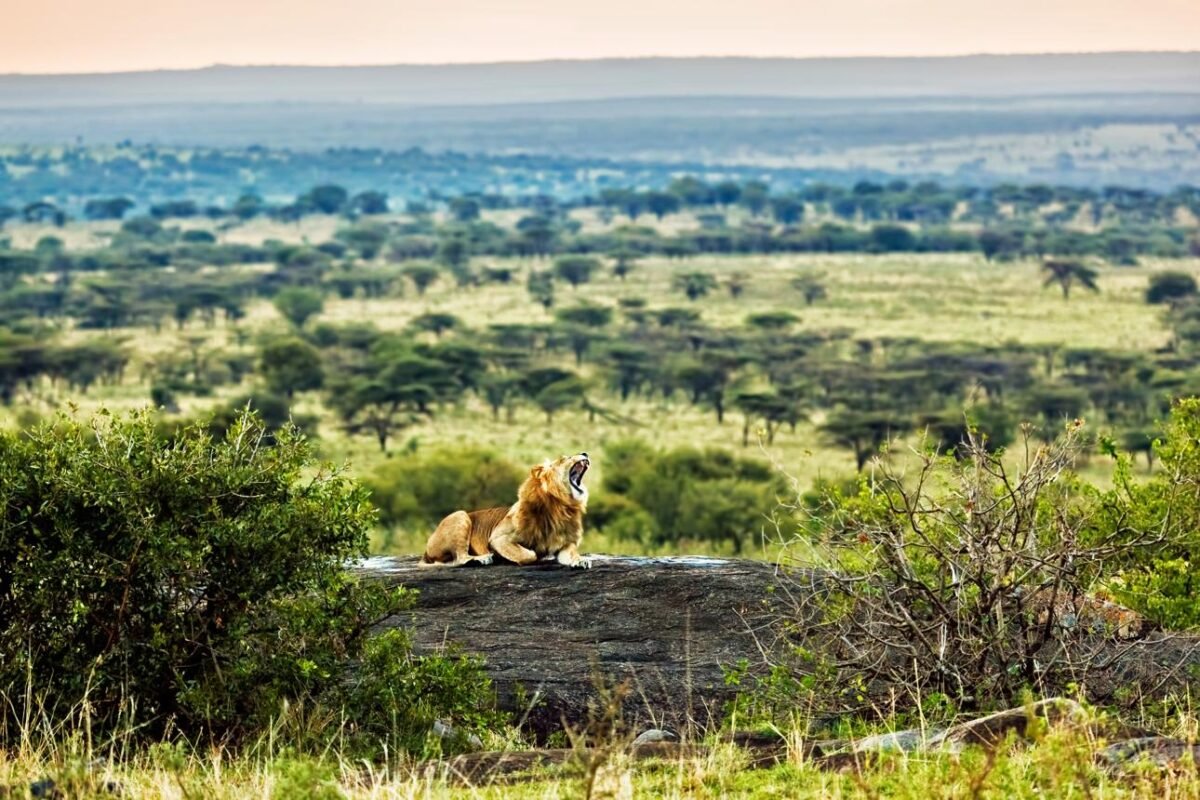
Choosing between Central vs Northern Serengeti can change your entire Tanzania safari experience. Both regions offer excellent wildlife viewing. However, they suit different travel seasons, budgets, and safari interests.
Central Serengeti is famous for resident wildlife, especially lions, leopards, and cheetahs. Meanwhile, Northern Serengeti attracts travellers hoping to witness the Great Migration crossing the Mara River.
At Zamunda Travels, we help travellers choose safari routes based on their interests, travel dates, and available time.
Quick answer: Central Serengeti is the better choice for year-round wildlife viewing, first-time visitors, and shorter safaris. Northern Serengeti is ideal for travellers seeking Great Migration river crossings, mainly from July to October. However, if you have four or more nights during migration season, combining both regions offers greater variety.
Central vs Northern Serengeti: Key Differences
The Serengeti National Park covers approximately 14,763 square kilometres in northern Tanzania. UNESCO recognised it as a World Heritage Site in 1981.
Although both regions belong to the same national park, their safari experiences differ.
| Feature | Central Serengeti | Northern Serengeti |
|---|---|---|
| Main safari area | Seronera Valley | Kogatende and Mara River |
| Main attraction | Resident wildlife and big cats | Great Migration river crossings |
| Best travel period | Throughout the year | July to October for crossings |
| Wildlife | Lions, leopards, cheetahs, elephants | Wildebeest, zebras, lions, crocodiles |
| Accommodation | Wide selection | More seasonal and premium camps |
| Accessibility | Easier road and flight connections | Longer drives or regional flights |
| Safari atmosphere | Popular and sometimes busy | Remote, except at crossing points |
| Best suited for | First-time safari travellers | Migration enthusiasts and photographers |
Both regions support resident wildlife. Therefore, the main difference is not whether animals exist, but which sightings you want to prioritise.
Why Choose Central Serengeti for Your Safari?
Central Serengeti surrounds the Seronera Valley, one of the park’s best-known wildlife areas.
Its permanent water sources and varied habitats attract animals throughout the year. As a result, visitors can enjoy productive game drives even when migrating wildebeest are elsewhere.
Excellent year-round wildlife viewing
Central Serengeti is especially popular for observing big cats.
Lions frequently occupy open plains and rocky outcrops known as kopjes. Meanwhile, leopards use riverine woodland for cover and resting places.
Cheetahs favour open grassland, where they can search for prey.
Other animals include elephants, buffaloes, giraffes, zebras, hippos, and several antelope species.
However, wildlife sightings remain unpredictable. No safari guide can guarantee a particular animal.
Easier access and accommodation choices
Seronera Airstrip connects Central Serengeti with regional safari flight routes.
Travellers can also reach the area by road from Arusha through the Ngorongoro Conservation Area.
The journey normally requires much of the day, depending on stops and road conditions.
Accommodation options range from basic camping to comfortable tented camps and luxury lodges.
Examples include Serengeti Serena Safari Lodge, Four Seasons Safari Lodge Serengeti, and Serengeti Kati Kati Tented Camp.
Therefore, Central Serengeti works well for travellers with different accommodation preferences.
Why Choose Northern Serengeti for Your Safari?
Northern Serengeti includes Kogatende, the Mara River area, and landscapes approaching the Kenyan border.
This region becomes especially attractive during the northern movement of the Great Migration.
Thousands of wildebeest and zebras may gather near the river. However, their movements depend on rainfall, grazing conditions, and natural behaviour.
The Great Migration and Mara River crossings
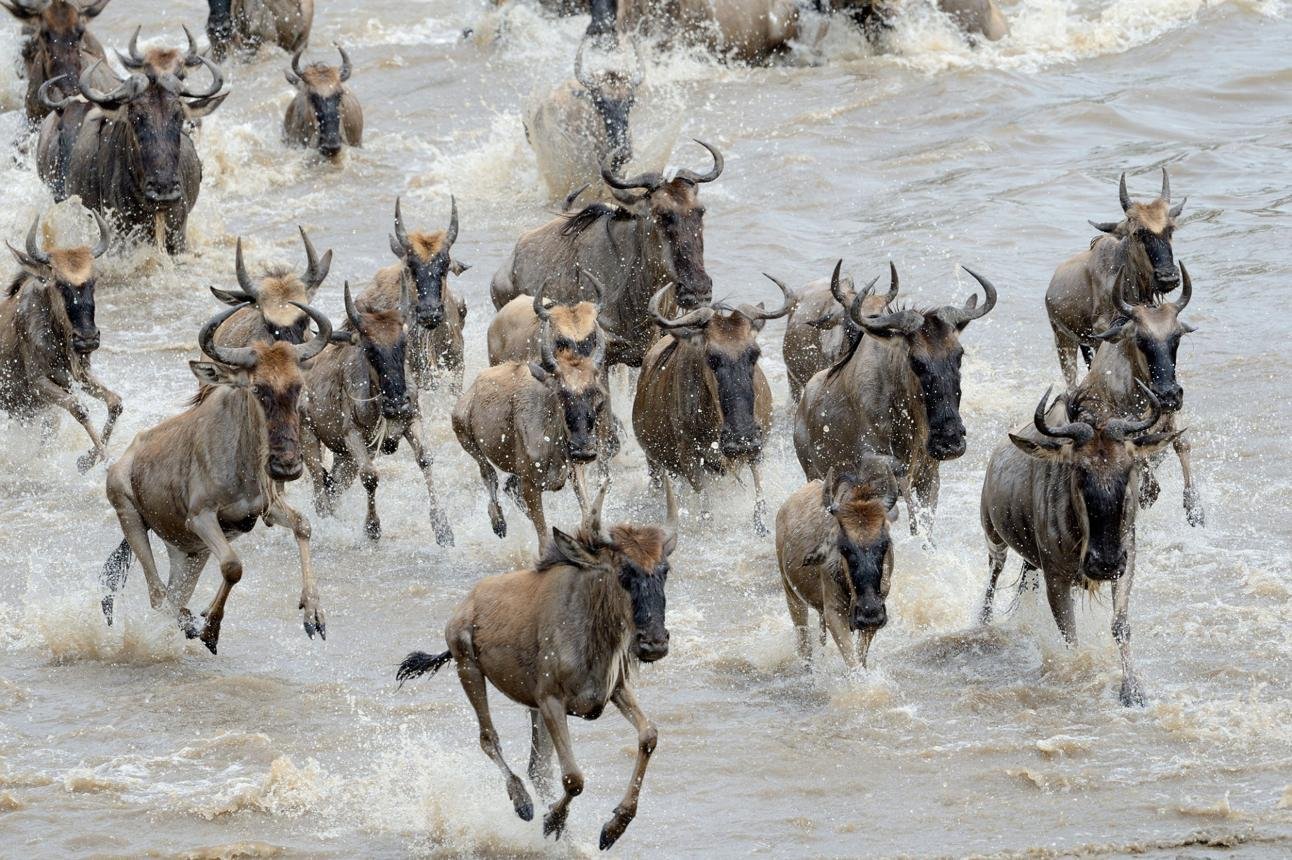
The Mara River crossings are the main reason many travellers choose Northern Serengeti.
During migration season, wildebeest may cross dangerous river sections while crocodiles wait nearby.
However, crossings do not follow a timetable.
Sometimes, herds gather along the riverbank before turning away. On other occasions, animals cross unexpectedly.
Therefore, spending several nights in the region improves your opportunities, but never guarantees a crossing.
Remote landscapes and seasonal camps
Northern Serengeti features open plains, woodland, hills, and river landscapes.
Away from popular crossing locations, visitors may encounter fewer safari vehicles.
However, active crossing points can become crowded during peak migration months.
Accommodation includes permanent lodges and seasonal migration camps.
Examples include Sayari Camp and Lemala Kuria Hills Lodge.
Some seasonal properties close or relocate outside their operating periods. Therefore, always confirm accommodation availability before booking.
Central vs Northern Serengeti: Best Time to Visit
Your travel month should influence your choice more than the popularity of either region.
The Great Migration follows seasonal rainfall and fresh grazing across the Serengeti-Mara ecosystem.
Consequently, the herds do not remain in one location throughout the year.
| Travel period | General migration pattern | Suggested safari area |
|---|---|---|
| January–March | Calving around southern plains and Ndutu | Southern and Central Serengeti |
| April–May | Herds generally move north and west | Central and Western Serengeti |
| June | Movement through western and northern routes | Western, Central or Northern Serengeti |
| July–September | Herds often gather around the Mara River | Northern Serengeti |
| October | Northern herds may begin moving south | Northern or Central Serengeti |
| November–December | Movement towards southern grazing areas | Central and Southern Serengeti |
These are seasonal patterns, not fixed dates.
For example, early or delayed rainfall can change where the herds gather.
Is August the best month for Northern Serengeti?
August is often an excellent month for a northern migration safari.
Large herds may gather around the Mara River, and dry-season conditions often help wildlife viewing.
However, August is also a popular travel month. Therefore, suitable camps and experienced safari guides can become harder to secure.
At Zamunda Travels, we recommend booking well ahead for July, August, and September.
Which Region Offers Better Wildlife Photography?
Both regions provide excellent photography opportunities. However, the best choice depends on your subjects.
Central Serengeti suits travellers interested in big cats, elephants, giraffes, and general wildlife behaviour.
Its open plains and rocky kopjes also create attractive natural backgrounds.
Meanwhile, Northern Serengeti appeals to photographers seeking migration herds, river crossings, and dramatic animal movement.
Practical photography advice
For big-cat photography, plan early morning and late afternoon game drives.
During these periods, temperatures are often cooler, and lighting can be softer.
For migration photography, allow additional days rather than depending on one crossing attempt.
A camera with a telephoto lens and spare batteries is useful in either region.
However, avoid asking guides to approach animals too closely. Responsible viewing protects wildlife and improves the overall safari experience.
Central vs Northern Serengeti: Safari Costs Compared
Safari costs depend on accommodation standards, travel dates, transport, and group size.
Northern Serengeti can cost more during peak migration season because demand for well-positioned camps increases.
Additionally, reaching remote northern camps may require longer transfers or domestic flights.
Central Serengeti generally offers more flexibility across accommodation categories.
What affects your safari quotation?
When comparing Serengeti safari costs, examine the complete package rather than accommodation alone.
Important expenses include:
- National park entrance and applicable concession or camping fees
- Safari accommodation and meals
- Private or shared safari vehicle
- Professional driver-guide
- Domestic flights or road transfers
- Game-drive arrangements
- Drinks, tips, and optional activities
For example, a lower-priced package may exclude flights or certain park charges.
Therefore, request a written breakdown before paying a deposit.
Rates change, so confirm current prices with Zamunda Travels.
How to choose a safari within your budget
Consider two travellers planning four nights in Serengeti.
One option includes four nights in Central Serengeti with road transport and mid-range accommodation.
Another includes two nights centrally and two nights in the north, with an additional transfer.
The second option may cost more, but it provides access to different wildlife habitats.
However, if the trip takes place in February, the northern extension may offer limited migration value.
Zamunda Travels can prepare both options for comparison before you decide.
How Many Nights Should You Spend in Serengeti?
The number of nights matters because the park covers a large area.
Long transfers can reduce time available for wildlife viewing. Therefore, choose your accommodation locations carefully.
Two to three nights: Focus on Central Serengeti
A short safari works best when you limit unnecessary transfers.
Spend your time exploring Seronera’s grasslands, riverine habitats, and kopjes.
This arrangement suits travellers combining Serengeti with Ngorongoro Crater or Tarangire National Park.
Four to five nights: Combine both regions
During northern migration season, four or five nights allow a more balanced itinerary.
For example, spend two nights in Central Serengeti and two or three nights in Northern Serengeti.
You can enjoy resident wildlife before focusing on the Mara River.
However, remember that moving between regions uses valuable safari time.
Six nights or longer: Explore at a relaxed pace
A longer safari provides more flexibility.
You can spend additional days watching wildlife without constantly changing accommodation.
Moreover, photographers can revisit productive areas under different lighting conditions.
For travellers prioritising river crossings, extra nights in the north may be more useful than repeated lodge changes.
Sample Five-Day Central and Northern Serengeti Safari
This example suits travellers visiting during the northern migration season.
Day 1: Arrive in Central Serengeti
Travel from Arusha or another agreed starting point. Enjoy an afternoon game drive if arrival time allows.
Overnight in Central Serengeti.
Day 2: Explore Seronera Valley
Spend the day searching for lions, leopards, cheetahs, and other resident wildlife.
Enjoy a picnic lunch during the game drive.
Overnight in Central Serengeti.
Day 3: Transfer to Northern Serengeti
Travel towards Kogatende while enjoying wildlife sightings along the route.
The journey can take several hours, depending on road conditions and stops.
Overnight in Northern Serengeti.
Day 4: Explore the Mara River
Spend the day searching for migration herds and possible river crossings.
Your guide will adjust the route according to wildlife activity and park regulations.
Overnight in Northern Serengeti.
Day 5: Departure
Enjoy a morning game drive if your schedule permits.
Afterwards, transfer to your departure airstrip or continue your safari by road.
This itinerary can be adjusted for private groups, families, couples, and photographers.
Common Mistakes When Booking a Serengeti Safari
Choosing the wrong safari region can create unnecessary costs and disappointment.
Fortunately, careful planning helps avoid common problems.
Booking Northern Serengeti outside migration season
Northern Serengeti still supports resident wildlife outside the crossing season.
However, visitors travelling mainly for river crossings should match their dates carefully.
For example, February is generally better suited to the southern calving areas.
Expecting guaranteed river crossings
River crossings depend entirely on animal behaviour.
Even during peak season, visitors may wait without witnessing a crossing.
Therefore, plan a safari that remains enjoyable even when the herds do not cross.
Spending too much time transferring
Some itineraries include several distant locations within a short period.
As a result, travellers spend more hours driving and fewer hours watching wildlife.
Instead, select accommodation near your main safari interests.
Choosing accommodation without checking location
A lodge advertised as being in Serengeti may sit far from your intended game-drive area.
Therefore, confirm its exact location before booking.
This is especially important when planning Mara River excursions.
Safety, Health and Packing Tips
Serengeti safaris involve long game drives, changing temperatures, and remote environments.
Therefore, prepare for both comfort and safety.
Pack lightweight clothing, a warm layer, sunscreen, a hat, insect repellent, and comfortable shoes.
Also carry binoculars, prescribed medication, and drinking water.
Consult a travel health professional about malaria prevention and relevant vaccinations before departure.
During game drives, follow your guide’s instructions and remain inside the vehicle unless stopping is permitted.
Never feed wildlife or approach animals on foot without authorised supervision.
Additionally, consider travel insurance covering medical emergencies and evacuation.
Which Serengeti Region Should You Choose?
Central Serengeti is the stronger all-round choice for most first-time visitors.
It offers reliable year-round wildlife viewing, varied accommodation, and easier connections to other northern Tanzania attractions.
However, Northern Serengeti becomes particularly appealing during the Mara River migration season.
For travellers visiting between July and October, combining both regions can provide a rewarding balance.
Ultimately, the best area depends on your travel dates, wildlife interests, budget, and available days.
Plan Your Serengeti Safari With Zamunda Travels
Zamunda Travels Uganda Ltd organises customised East African safari itineraries, including Tanzania wildlife adventures.
We can help you compare Central and Northern Serengeti, select suitable accommodation, and plan efficient transfers.
Whether you prefer big-cat photography, migration viewing, or a relaxed family safari, we can prepare a personalised itinerary.
Website: www.zamundatravels.com
Email: info@zamundatravels.com
WhatsApp: +256 704 705 606
Request your personalised Serengeti safari quotation and let us help you choose the right region for your travel dates.
Frequently Asked Questions
1. Which is better, Central or Northern Serengeti?
Central Serengeti is generally better for year-round wildlife viewing and first-time safari visitors. Northern Serengeti is especially attractive during the Great Migration river crossing season, usually from July to October. However, both regions support wildlife throughout the year. Your travel dates and interests should determine the best choice.
2. What is the best month to visit Northern Serengeti?
August and September are popular months for visiting Northern Serengeti because migration herds often gather around the Mara River. However, crossings can also occur in July and October. Rainfall influences herd movements, so exact timing varies. Spending several nights improves your chances of witnessing migration activity.
3. Can you see the Great Migration in Central Serengeti?
Yes, the Great Migration can pass through Central Serengeti during parts of its annual movement. Herds commonly travel through central and western areas as they move north. However, their exact locations change with rainfall and grazing conditions. For Mara River crossings, Northern Serengeti is usually the better choice.
4. How many nights should you spend in Serengeti?
Three nights provide a useful introduction to Central Serengeti wildlife viewing. However, four to five nights allow travellers to combine central and northern areas during migration season. Longer stays provide greater flexibility for photography and river crossing opportunities. Your ideal duration also depends on transfers and accommodation locations.
5. Is Northern Serengeti more expensive than Central Serengeti?
Northern Serengeti can be more expensive during peak migration months because of accommodation demand and remote access. However, actual costs depend on camp category, transport, season, and group size. Central Serengeti offers more varied accommodation choices. Compare complete safari quotations before deciding which region provides better value.