Serengeti vs Masai Mara
October 7, 2026
Tarangire National Park Safari
October 7, 2026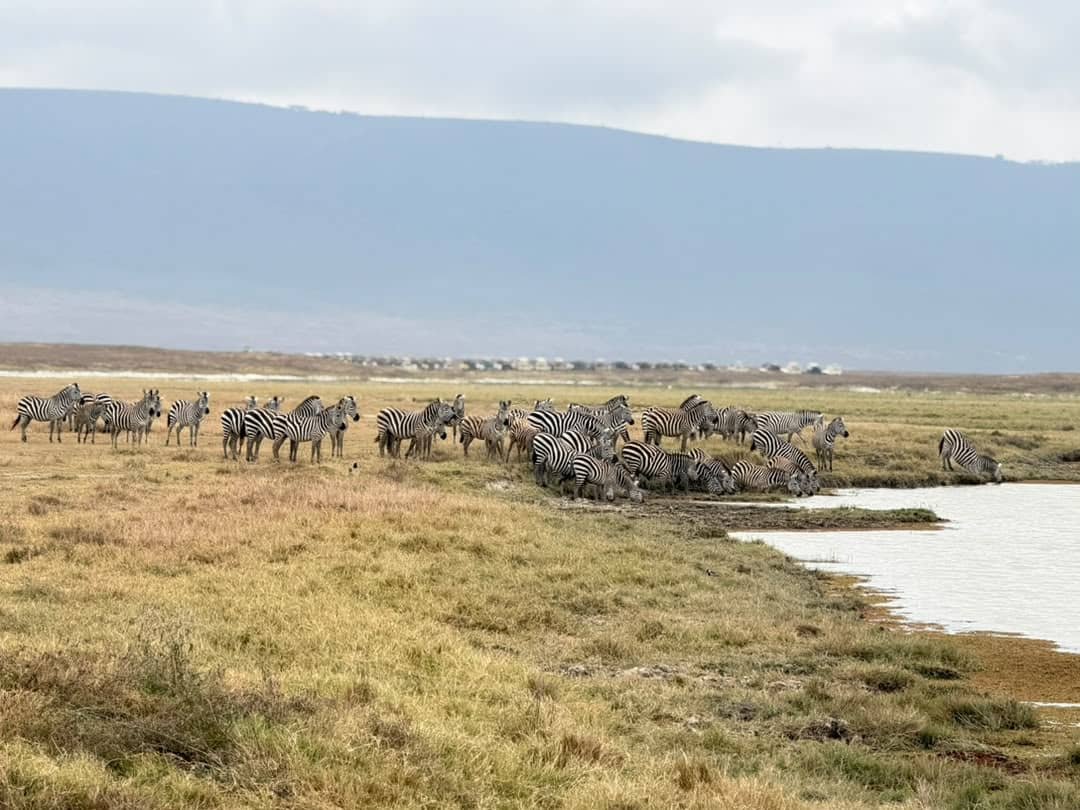
A Ngorongoro Crater Safari offers one of the most remarkable wildlife experiences in Tanzania. The famous crater sits within the larger Ngorongoro Conservation Area, a protected landscape that combines wildlife, dramatic volcanic scenery, archaeological sites, and traditional pastoral communities. UNESCO recognizes the conservation area for both its natural and cultural importance. The property covers about 809,440 hectares and includes the world’s largest unbroken caldera, together with important archaeological areas such as Olduvai Gorge.
For many travelers, the appeal goes beyond the chance to see lions, elephants, buffaloes, hippos, hyenas, zebras, wildebeest, and other wildlife in one destination. The crater creates a spectacular setting where the surrounding walls rise above a broad grassland floor. The concentration of animals can make a single game drive highly rewarding. At the same time, the wider conservation area connects with the Serengeti ecosystem and supports seasonal wildlife movements. Therefore, a visit can combine excellent game viewing with beautiful landscapes and a deeper understanding of northern Tanzania.
Zamunda Travels can help travelers plan a well-organized Tanzania safari that includes Ngorongoro alongside destinations such as Serengeti, Tarangire, Lake Manyara, or other attractions. However, good planning matters because the experience depends on the season, safari route, accommodation location, time available, and activities you want to include. This guide explains what you should know before booking your trip.
What Is the Ngorongoro Crater?
Ngorongoro Crater is a huge volcanic caldera within the Ngorongoro Conservation Area in northern Tanzania. A caldera forms when a large volcanic structure collapses after a major eruption. Ngorongoro is particularly impressive because its broad crater floor sits inside steep walls, creating a dramatic natural landscape. UNESCO identifies it as the world’s largest unbroken caldera.
The crater floor covers roughly 250 square kilometres. It contains grasslands, wetlands, woodland areas, lakes, and other habitats that support a high concentration of wildlife. The surrounding highlands also create different ecological zones, so the landscape changes considerably as you travel through the conservation area.
It is important to understand that the crater is only one part of the much larger Ngorongoro Conservation Area. The protected area extends far beyond the crater and includes highland plains, forests, savanna woodlands, archaeological sites, and other volcanic features. It also supports traditional livestock grazing by Maasai pastoralists.
Why Choose a Ngorongoro Crater Safari?
A Ngorongoro Crater Safari stands out because it combines wildlife density with an extraordinary landscape. The crater supports around 25,000 large animals, mainly ungulates, according to UNESCO’s World Heritage information. It also contains important populations of threatened species, including black rhinoceros.
The enclosed nature of the crater does not mean that every animal stays there permanently. Wildlife still moves through the wider conservation area and the connected Serengeti ecosystem. However, the crater floor provides productive habitats and water sources that attract many animals. As a result, visitors often enjoy excellent opportunities to see large mammals within a relatively compact area.
Another advantage is the variety of wildlife. A well-planned game drive can produce sightings of lions, buffaloes, zebras, wildebeest, hippos, hyenas, gazelles, and many bird species. Black rhinoceros are also among the special animals that visitors hope to see. Nevertheless, wildlife is wild and sightings can never be guaranteed. A responsible safari focuses on enjoying natural encounters rather than expecting a fixed checklist.
The landscape adds another major attraction. From viewpoints along the crater rim, visitors can look down across the expansive floor and see forests, grasslands, wetlands, and wildlife below. This combination of scenery and wildlife makes Ngorongoro particularly attractive for first-time safari travelers.
What Wildlife Can You See?
Wildlife is the main reason many travelers book a Ngorongoro Crater Safari. The crater’s habitats support a wide range of mammals and birds. UNESCO highlights the area’s high wildlife density and its importance for threatened species. The wider conservation area also supports hundreds of bird species.
Lions and Other Predators
Lions are among the most exciting animals to look for on the crater floor. The productive grasslands support prey species such as wildebeest, zebra, and gazelles. This abundance helps sustain predators. Hyenas are also commonly associated with the crater’s wildlife experience, while other predators may appear depending on conditions and location.
Predator sightings can be especially memorable during early morning game drives. The cooler conditions often encourage animals to remain active. Your safari guide can also use tracks, calls, animal behavior, and information from other guides to help locate wildlife.
Black Rhinoceros
The black rhinoceros is one of the most valuable wildlife sightings in Ngorongoro. UNESCO identifies the area as an important refuge for this endangered species and notes that the crater contains one of Tanzania’s most visible remaining black rhino populations.
Rhinos remain wild animals, so sightings are never guaranteed. However, the crater’s open habitats can sometimes provide good viewing opportunities. Visitors should keep a respectful distance and follow the instructions of their safari guide and conservation authorities.
Buffaloes, Zebras and Wildebeest
Large herbivores form an important part of the crater ecosystem. Buffaloes, zebras, wildebeest, and different gazelle species feed across the grasslands. Their presence also supports predators such as lions and hyenas.
The exact wildlife experience changes with rainfall, food availability, and seasonal movements. Therefore, even travelers who visit more than once can experience different scenes.
Hippos and Waterbirds
Wetlands and water bodies on the crater floor support hippos and numerous bird species. Birdwatchers can look for flamingos and other water-associated birds around suitable wetland habitats. The broader conservation area contains about 500 recorded bird species according to UNESCO.
Birdlife becomes an added attraction for travelers who take time to look beyond the larger mammals. Your guide can help identify species and explain how different habitats support them.
When Is the Best Time for a Ngorongoro Crater Safari?
You can visit Ngorongoro throughout the year, but different seasons offer different experiences. The best time depends on whether you prioritize dry weather, wildlife viewing, fewer visitors, green landscapes, photography, or a broader northern Tanzania migration itinerary.
The dry season generally offers comfortable safari conditions because vegetation becomes less dense and many animals concentrate around reliable water sources. Roads can also become easier to navigate. However, popular periods can bring more safari vehicles, especially around major wildlife-viewing areas.
The wetter months create greener landscapes and can produce beautiful photography conditions. Rain also supports fresh vegetation, which changes the appearance of the crater. Migratory wildlife movements across the wider Serengeti ecosystem add another reason to consider the timing of your safari. UNESCO notes that large numbers of wildebeest, zebra, and gazelles move through the wider Ngorongoro and Serengeti ecosystem as part of the annual migration.
For travelers who want a balanced experience, the shoulder seasons can be worth considering. Zamunda Travels can help match your travel dates with your main priorities instead of simply recommending one season for everyone.
How Many Days Do You Need for Ngorongoro?
A dedicated visit to the crater can often fit into a northern Tanzania safari itinerary as a one-day crater game drive. However, the wider Ngorongoro Conservation Area deserves more time if you want to explore its cultural and archaeological attractions.
Many travelers combine Ngorongoro with Serengeti and Tarangire. This approach creates a more complete northern Tanzania safari because each destination offers a different environment and wildlife experience.
For example, a short itinerary may focus on Tarangire, Ngorongoro, and Serengeti. A longer trip can allow additional nights in the Serengeti, more relaxed travel between parks, or visits to cultural and archaeological sites. Zamunda Travels can structure the itinerary around your available time, budget, accommodation preference, and wildlife interests.
What Can You Do on a Ngorongoro Crater Safari?
A crater game drive is the main activity for most visitors. Safari vehicles descend onto the crater floor and explore different habitats in search of wildlife. Because the crater contains varied environments within a relatively compact landscape, a game drive can provide many different sightings in a single day.
Photography is another major activity. The crater rim provides impressive panoramic views, while the floor offers opportunities to photograph wildlife against dramatic volcanic scenery. Early morning light can create particularly attractive conditions for photography.
You can also explore the wider conservation area’s cultural and archaeological attractions. Olduvai Gorge, for example, forms an important part of the area’s archaeological story. UNESCO recognizes the Ngorongoro Conservation Area for its exceptionally long record of human evolution and human-environment interaction. Evidence from the wider property stretches back millions of years.
Cultural experiences can also help travelers understand the relationship between people, livestock, wildlife, and the landscape. The conservation area was established in 1959 as a multiple land-use area where wildlife conservation exists alongside traditional livestock grazing by Maasai pastoralists.
Where Should You Stay for a Ngorongoro Crater Safari?
Accommodation depends on your itinerary and budget. Travelers can choose properties around the crater rim, in nearby areas, or farther away within the northern Tanzania safari circuit.
Staying close to the crater can reduce travel time when you plan an early game drive. It can also provide access to spectacular views from the highlands. On the other hand, staying farther away may provide different accommodation styles and can work well when combining Ngorongoro with Serengeti or other parks.
Zamunda Travels can recommend accommodation according to your preferred travel style. Options can include budget, mid-range, luxury, and private safari properties. The most important factor is to select accommodation that fits the route rather than choosing a property based only on its appearance or price.
What Is the Weather Like?
Ngorongoro sits at a high elevation, so temperatures can feel cooler than many travelers expect. Mornings around the crater rim can be particularly chilly. The crater floor can become warmer later in the day, especially when the sun is strong.
Rainfall varies by season and location. The highlands can receive more moisture than the lower areas. Therefore, travelers should prepare for changing conditions during the same safari day.
A warm fleece or jacket is useful for early morning departures. Comfortable trousers, closed shoes, sunglasses, sunscreen, and a hat are also practical choices. A waterproof layer can help during wetter periods.
What Should You Pack?
Packing for a Ngorongoro Crater Safari does not require a huge amount of equipment. Practical clothing matters more than fashion.
Pack lightweight clothes for warmer periods, together with a warm layer for early mornings. Neutral-colored clothing can help you blend into the natural environment, although there is no need to buy a completely new safari wardrobe.
You should also carry sunscreen, sunglasses, a hat, comfortable walking shoes, personal medication, insect repellent, a reusable water bottle, and a camera if you enjoy photography. Binoculars can make a major difference because they help you observe distant birds and animals.
A small daypack is useful for carrying essential items during game drives. Keep valuable equipment secure and follow your guide’s instructions throughout the safari.
How Do You Get to Ngorongoro?
Most travelers visit Ngorongoro as part of a northern Tanzania safari circuit. Arusha is a common starting point for road-based safari itineraries. From there, travelers can continue toward destinations such as Tarangire, Lake Manyara, Ngorongoro, and Serengeti.
International visitors often fly into Kilimanjaro International Airport or use another suitable arrival point before beginning their safari. Domestic flights can also connect different parts of Tanzania, depending on the itinerary.
The best transport option depends on your schedule and budget. Road safaris provide flexibility and allow travelers to experience the changing landscapes between destinations. Flights can reduce travel time when the itinerary covers larger distances.
Zamunda Travels can organize transfers, safari vehicles, accommodation, permits, and other itinerary requirements as part of a complete Tanzania safari package.
Is Ngorongoro Good for First-Time Safari Travelers?
Yes. Ngorongoro can be an excellent choice for first-time safari travelers because the area combines spectacular scenery with a strong concentration of wildlife.
The experience also works well for travelers who have limited time. A carefully planned crater visit can provide a wide variety of wildlife encounters without requiring several days inside the crater itself.
However, first-time visitors should understand that Ngorongoro is part of a larger conservation landscape. It is not simply a small national park. The conservation area includes wildlife habitats, archaeological resources, cultural landscapes, forests, highlands, and other volcanic features.
How Does Ngorongoro Compare With Serengeti?
Ngorongoro and Serengeti are often combined because they provide different safari experiences.
Ngorongoro offers a compact wildlife environment inside a spectacular volcanic caldera. Serengeti, by contrast, provides vast open plains and a much larger landscape where wildlife movements can cover considerable distances.
The Serengeti is particularly famous for the Great Wildebeest Migration. The wider Ngorongoro ecosystem also forms part of the migration route, especially in the northern plains. UNESCO notes that more than one million wildebeest and large numbers of zebra and gazelles move through the broader Serengeti-Ngorongoro ecosystem.
If your budget and schedule allow, combining both destinations can create a stronger safari experience than choosing only one.
Is Ngorongoro Suitable for Families?
Ngorongoro can work very well for families who enjoy wildlife and nature. Children can learn about animals, geology, conservation, and local cultures during the journey.
However, parents should consider the length of game drives and road travel. Young children may become tired during long safari days. Choosing comfortable accommodation and planning reasonable driving times can make the experience easier.
A private safari can offer additional flexibility because the itinerary can be adjusted around the family’s needs. Zamunda Travels can help families select a suitable route, accommodation level, and daily schedule.
How Much Does a Ngorongoro Crater Safari Cost?
The cost of a Ngorongoro Crater Safari depends on several factors. These include the number of travelers, safari duration, accommodation level, transport, season, activities, park and conservation fees, meals, and the destinations included in the itinerary.
A budget safari usually focuses on practical accommodation and shared or cost-efficient arrangements. Mid-range safaris provide more comfort, while luxury itineraries may include premium lodges, private vehicles, and higher-end services.
Travelers should avoid comparing safari prices using the headline cost alone. A cheaper package may exclude important expenses that another operator includes. Before booking, ask for a clear breakdown of accommodation, transport, meals, guide services, conservation fees, activities, airport transfers, and other relevant costs.
Because conservation fees and tourism charges can change, Zamunda Travels should confirm the applicable rates when preparing your quotation rather than relying on old prices published online.
What Safari Rules Should You Know?
Ngorongoro is a protected conservation area, so visitors must respect conservation rules. Your safari guide will explain the rules that apply to your visit.
Do not leave the vehicle unless your guide confirms that it is safe and permitted. Never feed wildlife or attempt to attract animals for photographs. Keep noise low and avoid actions that could disturb animals.
Responsible tourism also means avoiding litter and respecting the landscape. Wildlife should always have priority over photography. If an animal moves away because of a vehicle, the correct response is to give it space.
UNESCO has highlighted tourism pressure, traffic, waste management, disturbance to wildlife, and other visitor-related impacts as important management concerns for the World Heritage property.
Why Travel With Zamunda Travels?
Choosing the right safari company can make a major difference to your experience. Zamunda Travels can help travelers plan a Tanzania safari around their preferred dates, budget, accommodation style, wildlife interests, and available time.
A good safari plan should not simply place destinations on a map. It should consider driving distances, seasonal conditions, accommodation locations, wildlife priorities, and the balance between game drives and rest.
For travelers combining Ngorongoro with Serengeti, Tarangire, Lake Manyara, or other destinations, Zamunda Travels can create a route that makes practical sense. The company can also help organize accommodation, safari transport, guiding services, and other travel arrangements.
The goal should be more than seeing as many destinations as possible. A well-designed safari should give you enough time to enjoy each location without spending the entire trip inside a vehicle.
Practical Tips Before You Go
Book early if you plan to travel during a busy safari season. Popular accommodation and safari services can become limited, especially when demand is high.
Start your game drive early when possible. Early departures can offer cooler conditions and active wildlife. They can also help you make better use of your time on the crater floor.
Carry warm clothing for the morning. The high elevation can make the first part of the day surprisingly cold.
Bring binoculars. They are especially useful for birds and animals that remain farther from the vehicle.
Listen to your guide. Experienced guides understand animal behavior, road conditions, conservation rules, and the best way to approach wildlife without causing unnecessary disturbance.
Keep your expectations realistic. You may see many animals, but no responsible safari operator can guarantee every species or a particular wildlife encounter.
Finally, leave room for the unexpected. Some of the best safari moments happen when you stop looking for a particular animal and simply observe what is happening around you.
Final Thoughts on a Ngorongoro Crater Safari
A Ngorongoro Crater Safari combines exceptional wildlife viewing, volcanic scenery, cultural heritage, and one of Africa’s most distinctive landscapes. The crater itself is only one part of the much larger Ngorongoro Conservation Area, which UNESCO recognizes for its natural and cultural significance.
The destination works well for first-time safari travelers, families, photographers, wildlife enthusiasts, and travelers who want to combine several northern Tanzania destinations. Its strong wildlife concentration makes it especially rewarding, while the surrounding conservation area adds archaeological and cultural depth to the journey.
The best experience comes from planning carefully. Choose the right season, allow enough time, select accommodation that fits your route, prepare for cool mornings, and travel with a responsible safari operator. Zamunda Travels can help you build a Tanzania itinerary that combines Ngorongoro with other destinations according to your interests and budget.
If you want to experience one of Tanzania’s most remarkable wildlife destinations, Ngorongoro deserves a place on your safari itinerary.