
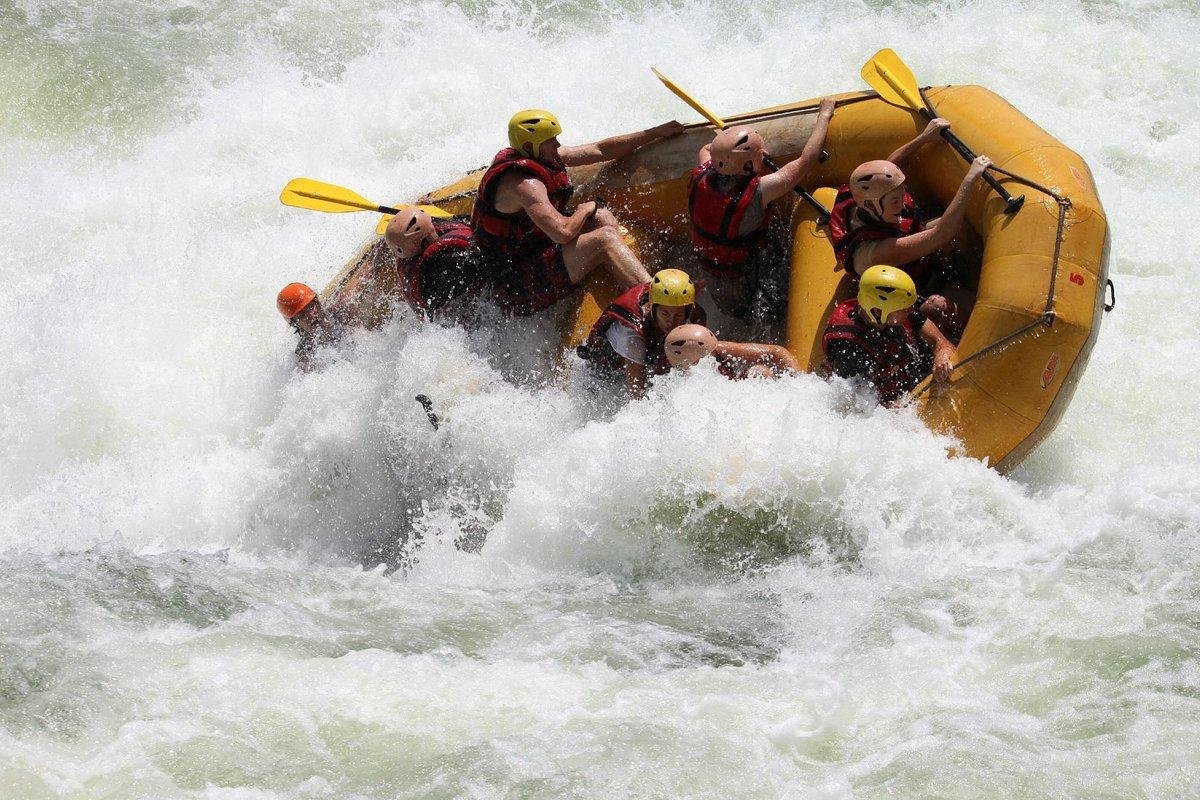
White Water Rafting on the Nile
October 30, 2026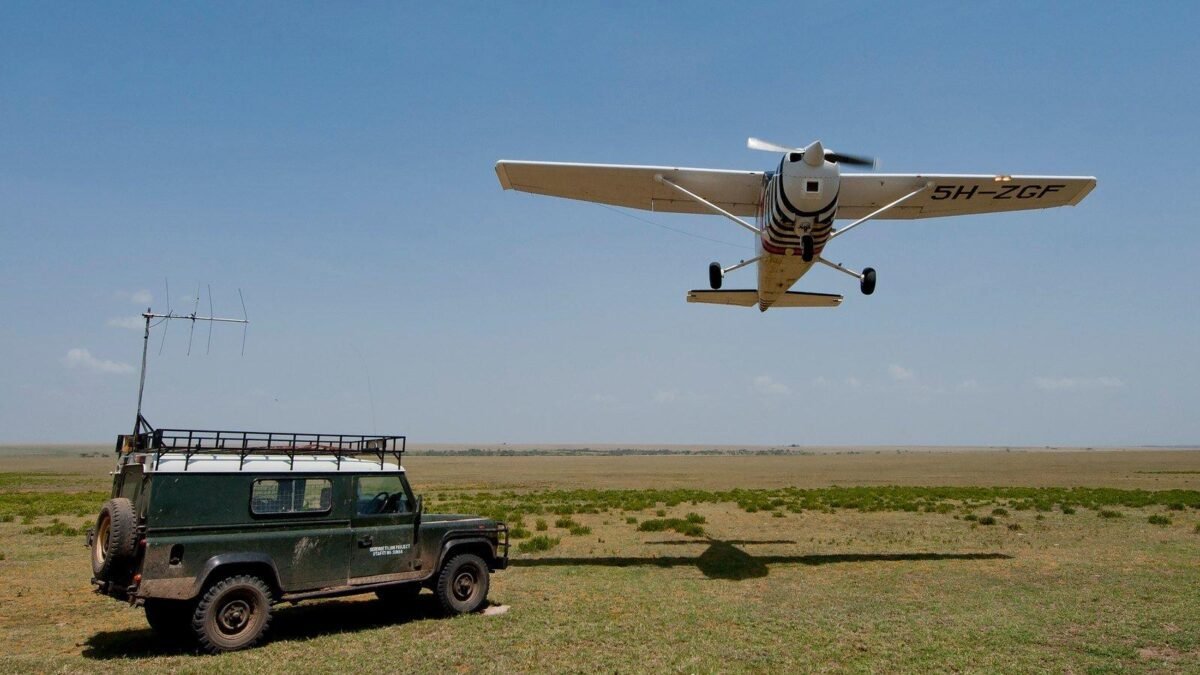
Planning a safari in Tanzania involves more than choosing national parks and accommodation. You also need to decide how to travel between destinations.
The Tanzania Fly-In vs Road Safari decision affects your budget, comfort and time with wildlife. Flying reduces long transfers, while driving provides flexibility and opportunities to explore more places.
At Zamunda Travels, we help travellers choose transport options that match their holiday plans. This guide compares flying and driving, including costs, travel times, comfort and practical booking advice.
Quick answer: A fly-in safari in Tanzania is usually faster but more expensive than a road safari. Flying suits short holidays, remote parks and luxury trips. Driving works well for budget-conscious travellers and longer Northern Circuit safaris. Combining road transfers with domestic flights often provides the best balance of cost, comfort and wildlife viewing.
Neither option guarantees better wildlife sightings. Instead, the experience depends on the season, location, guide and available game-drive time.
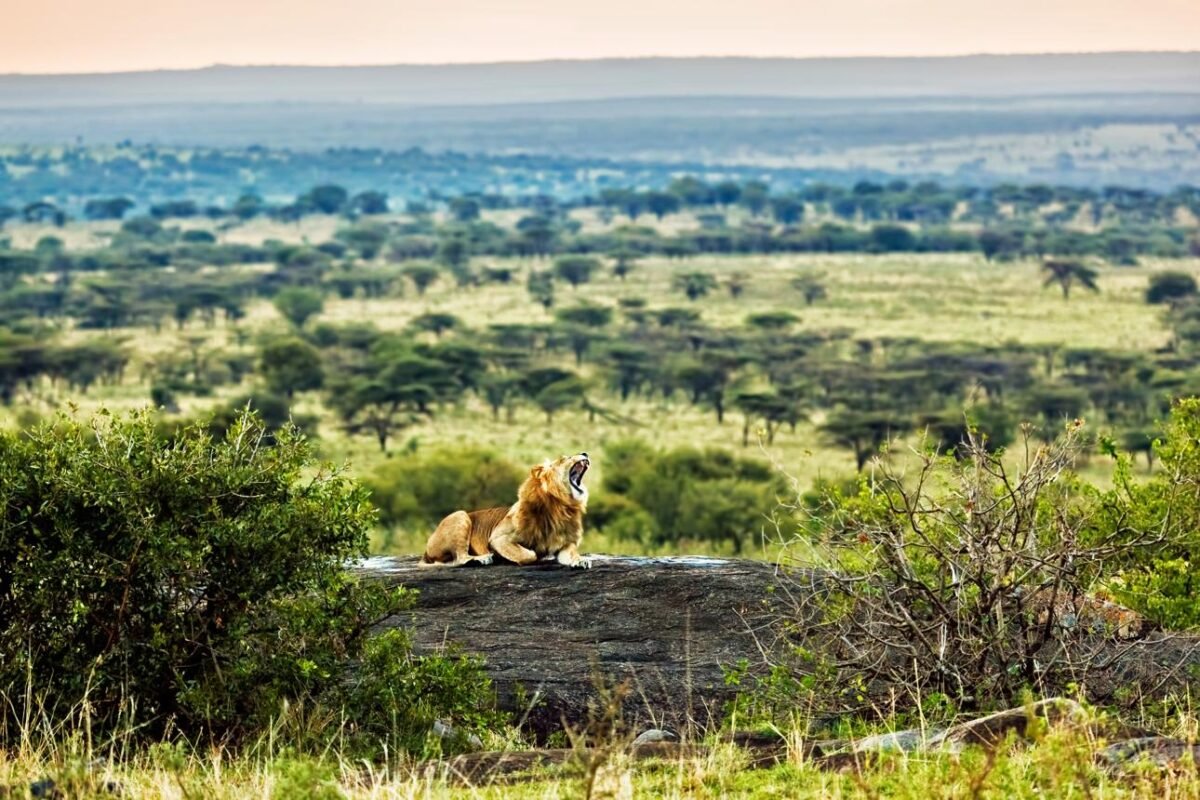
For example, travellers visiting only Serengeti National Park may prefer flying. However, visitors exploring Tarangire, Ngorongoro and Serengeti may benefit from travelling by road.
Actual times depend on road conditions, departure points, aircraft routing and weather.
Tanzania Fly-In vs Road Safari: Key Differences
Both options offer excellent opportunities to explore Tanzania’s wildlife destinations. However, they provide different experiences. A fly-in safari uses domestic aircraft to reach airstrips near national parks and safari camps. Meanwhile, a road safari connects destinations using a four-wheel-drive safari vehicle.| Feature | Fly-in safari | Road safari |
|---|---|---|
| Travel time | Faster on long routes | Longer transfers |
| Transport cost | Usually higher | Generally lower |
| Comfort | Less road travel | More time in a vehicle |
| Luggage | Airline restrictions apply | Usually more flexible |
| Flexibility | Depends on flight schedules | Flexible stops and departures |
| Wildlife viewing | Begins after reaching safari areas | Possible during park transfers |
| Best suited to | Short holidays and remote parks | Longer multi-park safaris |
What Is a Fly-In Safari in Tanzania?
A fly-in safari involves travelling between airports and wildlife destinations using small aircraft. Flights commonly depart from Arusha, Kilimanjaro or Zanzibar, depending on the route and airline. Several airstrips serve Serengeti National Park. These include Seronera in the central Serengeti and Kogatende in the northern region. After landing, guests meet their safari guide or camp representative. They then continue to their accommodation, sometimes enjoying wildlife sightings along the way.Advantages of a fly-in safari
The biggest advantage is saving travel time. For example, flying from Arusha to the central Serengeti can take approximately one to two hours, depending on routing. Driving the same journey usually takes most of the day. Therefore, flying allows travellers to spend more time enjoying wildlife activities. It also makes remote safari destinations easier to reach. These include Ruaha National Park and Nyerere National Park.Disadvantages of a fly-in safari
Domestic safari flights increase transport costs. Additionally, small aircraft have luggage restrictions. Travellers carrying large suitcases or photography equipment must check airline requirements. Flights may also include intermediate stops. Therefore, advertised flying times may differ from the complete journey. Weather conditions and operational changes can affect schedules.What Is a Road Safari in Tanzania?
A road safari involves travelling between wildlife destinations in a safari vehicle. Most private safaris use four-wheel-drive vehicles, commonly Toyota Land Cruisers. Road travel is particularly popular on Tanzania’s Northern Safari Circuit. This circuit includes Tarangire National Park, Lake Manyara National Park, Ngorongoro Conservation Area and Serengeti National Park. Most itineraries begin in Arusha, which serves as an important gateway to northern Tanzania’s safari destinations.Advantages of a road safari
Road safaris offer flexibility and opportunities to explore different landscapes. For example, travellers can stop at scenic viewpoints, local markets and cultural attractions. A private safari vehicle also allows guests to discuss stops and departure times with their guide. Furthermore, groups can share vehicle expenses. This often makes road travel more economical for families and friends. Road safaris also allow travellers to visit several national parks without booking multiple domestic flights.Disadvantages of a road safari
Long transfers can become tiring, particularly on rough roads. For example, driving from Arusha to the central Serengeti commonly takes seven to nine hours. Road conditions, park procedures and sightseeing stops can increase travel time. Dust and road vibrations may also affect comfort. Therefore, Zamunda Travels recommends planning enough time between destinations rather than rushing through several parks.Tanzania Fly-In vs Road Safari: Travel Time Compared
Travel time is one of the most important considerations when choosing safari transport. However, travellers should compare complete journeys rather than flight durations alone. Airport transfers, check-in procedures and lodge locations can affect the total travel time. The following figures are approximate planning estimates.| Safari route | Road travel time | Flying option |
|---|---|---|
| Arusha to Tarangire | 2–3 hours | Road usually more practical |
| Arusha to Ngorongoro rim | 3–4 hours | Road usually more practical |
| Arusha to central Serengeti | 7–9 hours | Approximately 1–2 hours airborne |
| Arusha to northern Serengeti | Often a full travel day | Flights to northern airstrips |
| Zanzibar to Serengeti | Requires mainland transfer | Domestic flight connections |
Example: Travelling from Arusha to Serengeti
A road safari usually begins in Arusha after breakfast. Travellers continue through the highlands and Ngorongoro Conservation Area before reaching Serengeti National Park. Along the way, they can enjoy scenic landscapes and scheduled stops. However, the journey may take most of the day. A fly-in safari offers a faster alternative. Guests travel to the departure airport and board a scheduled safari aircraft. After landing, they meet their guide and continue to their accommodation. Nevertheless, some lodges are far from their nearest airstrip. Therefore, always confirm the total transfer time before booking.Tanzania Fly-In vs Road Safari: Costs Explained
A Tanzania fly-in safari generally costs more than travelling by road. However, the actual difference depends on the itinerary, group size, season and accommodation. Domestic flights introduce additional expenses, but they can also reduce lengthy vehicle transfers.What affects the cost of a fly-in safari?
Several factors influence the total price. These include domestic airfare, airport transfers, accommodation, park fees and game-drive arrangements. Some safari camps include airstrip transfers and game drives in their accommodation packages. Others charge separately. Therefore, travellers should check exactly what each quotation includes.What affects the cost of a road safari?
Road safari costs depend on vehicle hire, fuel, guiding services and the number of travel days. Park entrance charges, accommodation and meals also influence the total package price. For groups, sharing a private vehicle can reduce the transport cost per person. However, longer journeys may require additional fuel and guide accommodation expenses.Practical safari budget comparison
Consider two travellers planning four nights in the central Serengeti. A road safari quotation might include a private Land Cruiser, professional driver-guide, accommodation and conservation fees. Meanwhile, a fly-in package might include return domestic flights, airstrip transfers and camp-operated game drives. Both packages should use comparable accommodation standards. Before choosing, compare the total price and confirm which activities are included. Rates change, so confirm current prices with Zamunda Travels. For travellers planning a Tanzania safari, Zamunda Travels can prepare quotations for both options. This helps you compare the overall value before making a decision.Which Safari Option Offers Better Comfort?
Comfort depends on personal preferences, journey length and travel conditions. Flying reduces the number of hours spent on rough roads. However, small aircraft may feel noisy, and some passengers experience turbulence. Road safaris allow travellers to stop for refreshments, photography and rest breaks. A private safari vehicle also provides more space for personal belongings.Best option for older travellers
Older travellers may prefer flying when long road journeys cause discomfort. However, some passengers feel more comfortable travelling by vehicle. At Zamunda Travels, we recommend considering mobility, aircraft boarding arrangements and individual comfort preferences.Best option for families
Families travelling together may benefit from a private road safari. Children can travel with their parents in one vehicle, while the guide manages planned stops. Additionally, sharing vehicle expenses can reduce the overall transport cost. However, families with limited holiday time may appreciate domestic flights.Best option for wildlife photographers
Wildlife photographers often prefer private safari vehicles because they provide flexibility. For example, photographers can spend more time observing animals and adjusting camera equipment. However, flying can help photographers reach specific wildlife areas without long transfers. The best choice depends on photography interests, equipment and available time.Can You Combine Flying and Driving in Tanzania?
Yes. Combining both transport options is often a practical way to explore Tanzania. For example, travellers can drive from Arusha through Tarangire and Ngorongoro before reaching Serengeti National Park. After several days of wildlife viewing, they can fly back to Arusha or continue to Zanzibar. This approach reduces the need to repeat long road journeys.Example: Six-day Tanzania road and fly-in safari
Day 1: Arusha to Tarangire National Park Depart Arusha and travel to Tarangire National Park. Enjoy a game drive before continuing to your accommodation. Day 2: Ngorongoro Crater Travel to Ngorongoro Conservation Area and descend into the crater for wildlife viewing. Later, return to your accommodation in the highlands. Day 3: Transfer to Serengeti National Park Drive through the Ngorongoro highlands towards Serengeti National Park. Enjoy scenic views and wildlife sightings along the route. Day 4: Full-day Serengeti safari Spend the day exploring the central Serengeti. Look for lions, elephants, giraffes, zebras and other wildlife. Day 5: Another day in Serengeti Continue exploring the Serengeti with your safari guide. Focus on different habitats and wildlife areas. Day 6: Fly from Serengeti to Arusha Transfer to Seronera Airstrip for your scheduled flight to Arusha, subject to availability. This itinerary combines road sightseeing with a shorter return journey.Best Time for Fly-In and Road Safaris in Tanzania
Tanzania offers wildlife experiences throughout the year. However, rainfall and seasonal wildlife movements influence travel conditions.June to October: Generally dry season
These months usually provide favourable conditions for road safaris. Wildlife often gathers near available water sources, making some areas easier to explore. The northern Serengeti also attracts travellers interested in the Great Migration. However, river crossings cannot be guaranteed.November to March: Green season
Rainfall brings greener landscapes to many wildlife destinations. The southern Serengeti and Ndutu region become important during the wildebeest calving season. Calving generally peaks around January and February, although timing varies. Road conditions may change after rainfall. Therefore, travellers should allow flexible transfer times.April and May: Long rains
April and May are generally associated with heavier rainfall in northern Tanzania. Some roads become muddy, while certain safari camps close temporarily. Flights can also experience weather-related changes. Therefore, travellers should confirm accommodation access and transport arrangements before departure.Important Packing and Safety Tips
Packing requirements differ between fly-in and road safaris. Small aircraft have weight and luggage-size restrictions. For example, Coastal Aviation’s published standard allowance is 15 kg per passenger, including hand luggage. Soft-sided bags are strongly recommended.
Luggage Policy+1
Other airlines may apply different limits.
Therefore, always confirm baggage requirements before travelling.
What to pack for a Tanzania safari
-
Comfortable, lightweight clothing
-
Comfortable walking shoes
-
Sunscreen and a wide-brimmed hat
-
Binoculars and camera equipment
-
Personal medication
-
Insect repellent
-
Reusable water bottle
-
Soft-sided travel bag for small aircraft
Health and safety considerations
Always follow your guide’s instructions during wildlife activities. Keep a safe distance from animals and never leave your vehicle where prohibited. Travellers should also consult a qualified travel-health professional about vaccinations and malaria prevention. Additionally, comprehensive travel insurance is recommended. When flying, allow enough time between domestic and international flights. Safari aviation schedules can change because of weather and operational conditions.Common Mistakes When Choosing Safari Transport
One common mistake is comparing flight duration without considering ground transfers. For example, a short flight may still require a lengthy drive from the airstrip to the lodge. Another mistake is booking too many destinations within a short holiday. Long road transfers can reduce the time available for wildlife activities. Travellers also sometimes overlook baggage restrictions on small aircraft. Additionally, comparing safari quotations without checking inclusions can lead to unexpected expenses. At Zamunda Travels, we recommend reviewing the complete itinerary before confirming transport arrangements.How to Choose the Right Tanzania Safari Transport
Start by considering your available travel days. If you have limited time, flying may help you reach distant destinations faster. However, travellers planning longer Northern Circuit safaris may benefit from driving. Next, consider your budget and group size. A private vehicle can offer good value when several travellers share transport costs. Also, think about comfort, luggage and the locations you want to visit. Finally, compare complete safari packages rather than transport prices alone.Our recommendation
For travellers visiting Tarangire, Ngorongoro and Serengeti, a road safari with an optional return flight is often a practical choice. However, flying may be better for short holidays or remote wildlife destinations. The right option depends on your travel dates, budget and interests.Conclusion: Fly-In or Road Safari in Tanzania?
Choosing between a fly-in and road safari in Tanzania depends on your priorities. Flying saves time and reduces long transfers. Meanwhile, driving provides flexibility, scenic journeys and often lower transport costs. A combination of both can offer excellent value. At Zamunda Travels Uganda Ltd, we help travellers plan Tanzania safaris based on their budget, available days and wildlife interests. Whether you prefer a private road safari, a fly-in experience or a combination, our team can help organise your journey. Plan your Tanzania safari with Zamunda Travels. Website: www.zamundatravels.com Email: info@zamundatravels.com WhatsApp: +256 704 705 606Frequently Asked Questions
Is it cheaper to fly or drive to Serengeti?
Driving is usually cheaper for a Northern Circuit safari, especially when several travellers share one vehicle. Flying adds airfare and may require separate game-drive arrangements. However, the difference depends on the itinerary, season and accommodation. Compare complete packages with identical services before choosing.How long does it take to drive from Arusha to Serengeti?
Driving from Arusha to the central Serengeti generally takes around seven to nine hours. However, the journey can take longer because of road conditions, park procedures and sightseeing stops. Travellers visiting the northern Serengeti should allow additional time or consider flying.Can you fly directly into Serengeti National Park?
Yes. Scheduled safari aircraft serve several airstrips inside Serengeti National Park, including Seronera and Kogatende. However, routes depend on the airline, season and departure airport. Some flights make intermediate stops. Therefore, confirm the correct airstrip and ground transfer before booking your safari.How much luggage can you take on a Tanzania fly-in safari?
Luggage allowances depend on the airline. For example, Coastal Aviation publishes a standard 15 kg allowance, including hand luggage. Air Excel publishes a 20 kg total allowance. Soft-sided bags are recommended. Always check your booking conditions, particularly when carrying photography equipment or additional luggage.Is a fly-in safari worth it in Tanzania?
Yes, a fly-in safari can be worth the additional expense when travel time is limited or destinations are remote. It reduces lengthy transfers and can provide more time for wildlife activities. However, a road safari may offer better value for longer Northern Circuit holidays.
Related posts
October 30, 2026
October 30, 2026