Planning a safari in
Tanzania involves more than choosing national parks and accommodation. You must also decide whether to travel privately or join other visitors.
Understanding
Private vs Shared Safari Tanzania options helps you spend your money wisely. Both offer opportunities to see lions, elephants, giraffes and other African wildlife. However, the experience inside your safari vehicle can be very different.
At
Zamunda Travels, we help travellers compare safari arrangements based on their budgets, interests and travel plans. This guide explains what each option offers and where your money goes.
Quick Answer: A private Tanzania safari gives your party exclusive use of a vehicle and driver-guide. A shared safari divides transport costs among travellers on a scheduled trip. Shared safaris often suit solo travellers and smaller budgets. Private safaris offer greater flexibility and can become better value when families or friends travel together.
Private vs Shared Safari Tanzania: What Is the Difference?
A private safari means your vehicle and driver-guide serve only your travelling party. You might travel alone, as a couple or with friends.
You can also choose your preferred accommodation and discuss daily activities with your guide. However, park regulations and road conditions still determine what is possible.
A shared safari works differently. You book a seat on a scheduled trip alongside other travellers.
The operator normally chooses the departure dates, route and daily programme. Consequently, everyone follows a common schedule.
Both options can visit Tanzania’s famous wildlife destinations. These include Serengeti National Park, Tarangire National Park and the Ngorongoro Conservation Area.
Private vs Shared Safari Comparison
| Feature |
Private safari |
Shared safari |
| Safari vehicle |
Exclusive to your party |
Shared with other guests |
| Driver-guide |
Dedicated to your party |
Serves the group |
| Departure dates |
Usually flexible |
Usually fixed |
| Game drive timing |
More flexible |
Follows group schedule |
| Wildlife photography |
Greater control over stops |
Shared viewing priorities |
| Accommodation |
More personal choice |
Usually predetermined |
| Cost for solo travellers |
Often higher |
Usually lower |
| Cost for families |
Can offer strong value |
Depends on group pricing |
| Social experience |
Travel with your own party |
Meet other travellers |
Neither arrangement guarantees better wildlife sightings. Instead, the main differences involve flexibility, privacy and how travellers share expenses.
Private vs Shared Safari Tanzania: Understanding the Real Costs
Safari prices depend on several factors. These include accommodation, season, destination, transport and the number of travellers.
A Tanzania private safari cost usually includes a vehicle reserved for your party. Therefore, fewer people must cover the vehicle and driver-guide expenses.
On a Tanzania group joining safari, several guests share these expenses. This arrangement often reduces the individual cost.
However, the cheapest advertised package may not provide the best overall value.
What Your Safari Payment Covers
A typical safari quotation may include:
- A safari vehicle and professional driver-guide.
- Fuel and transport between destinations.
- National park and conservation fees.
- Accommodation and specified meals.
- Game drives listed in the itinerary.
- Drinking water during scheduled activities.
- Airport transfers, when included.
However, inclusions differ between operators.
For example, some packages exclude drinks, tips, visas and international flights. Others may charge separately for certain activities.
Ngorongoro Crater visits also require careful checking. The crater service charge is separate from ordinary conservation entry fees.
Additionally, accommodation inside protected areas may attract charges that differ from those outside.
Rates change, so confirm current prices with Zamunda Travels.
Why Group Size Changes Private Safari Prices
Private safaris become more economical when travellers share fixed transport expenses.
Consider a simple calculation.
Suppose a private safari has a hypothetical vehicle and guide budget of USD 1,200 for the trip.
| Travellers |
Vehicle cost per person |
| 1 |
USD 1,200 |
| 2 |
USD 600 |
| 4 |
USD 300 |
| 6 |
USD 200 |
These figures illustrate cost sharing only. They are not actual Zamunda Travels safari prices.
Accommodation, park fees, meals and other expenses must still be added.
Therefore, families and groups of friends should request private quotations before booking shared seats.
What Does Your Safari Budget Really Buy?
Your budget determines more than the standard of your accommodation.
It also influences the amount of personal space, flexibility and convenience available during the trip.
Budget Safari Options
Budget Tanzania safari packages commonly use simple accommodation or designated campsites.
Shared camping trips can reduce expenses through group transport and basic facilities.
However, budget travel does not automatically mean poor wildlife viewing.
The same animals inhabit the national parks regardless of your accommodation category.
A private camping safari may also be possible. This allows travellers to enjoy exclusive transport while controlling accommodation expenses.
Mid-Range Safari Options
Mid-range packages usually provide greater accommodation comfort.
Depending on the property, travellers may stay in permanent tented camps or safari lodges.
Rooms may offer private bathrooms, comfortable beds and organised meal services.
Both private and shared arrangements can use mid-range accommodation.
Therefore, compare the actual lodge names rather than assuming one safari type offers better rooms.
Luxury Safari Options
Luxury safari packages focus on accommodation, service and convenience.
Some include premium lodges, spacious suites and additional experiences.
However, a luxury lodge does not automatically provide a private game-drive vehicle.
Certain properties operate shared activities even when guests book expensive rooms.
Always confirm whether the quotation includes exclusive transport throughout the safari.
Tanzania Safari Vehicle Sharing: Why Space Matters
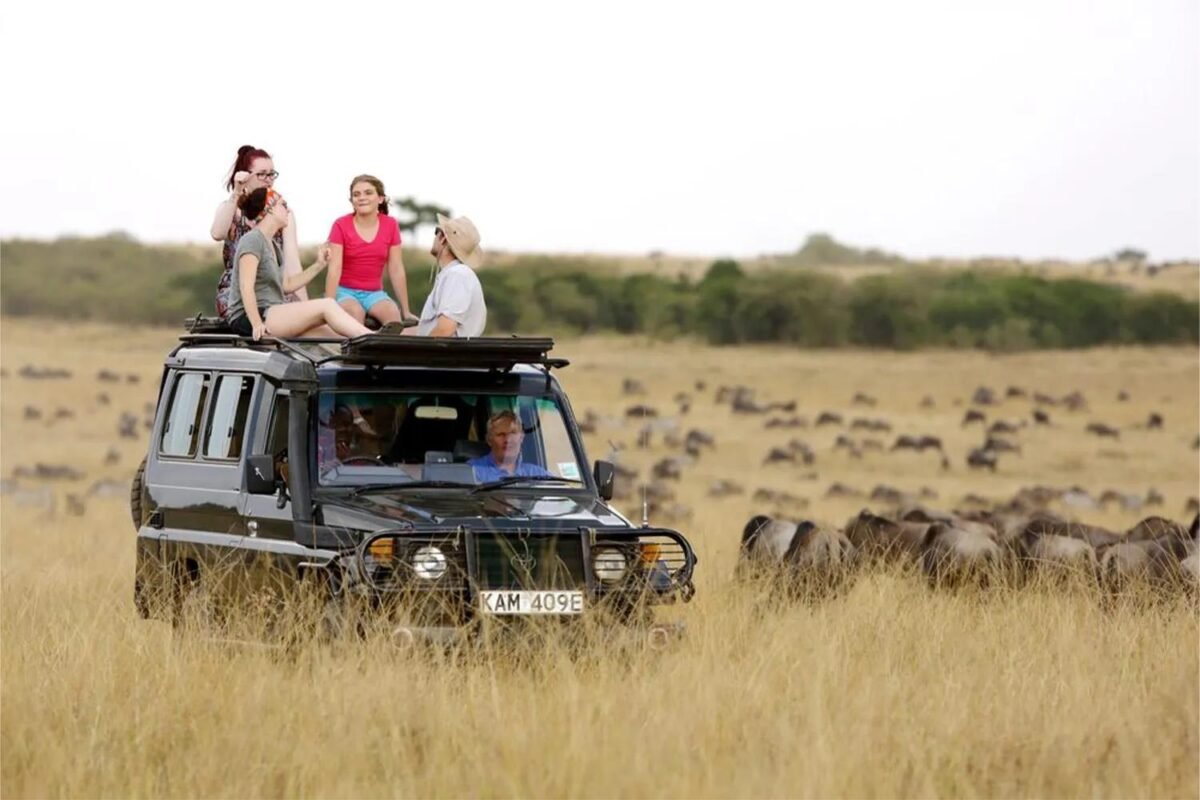
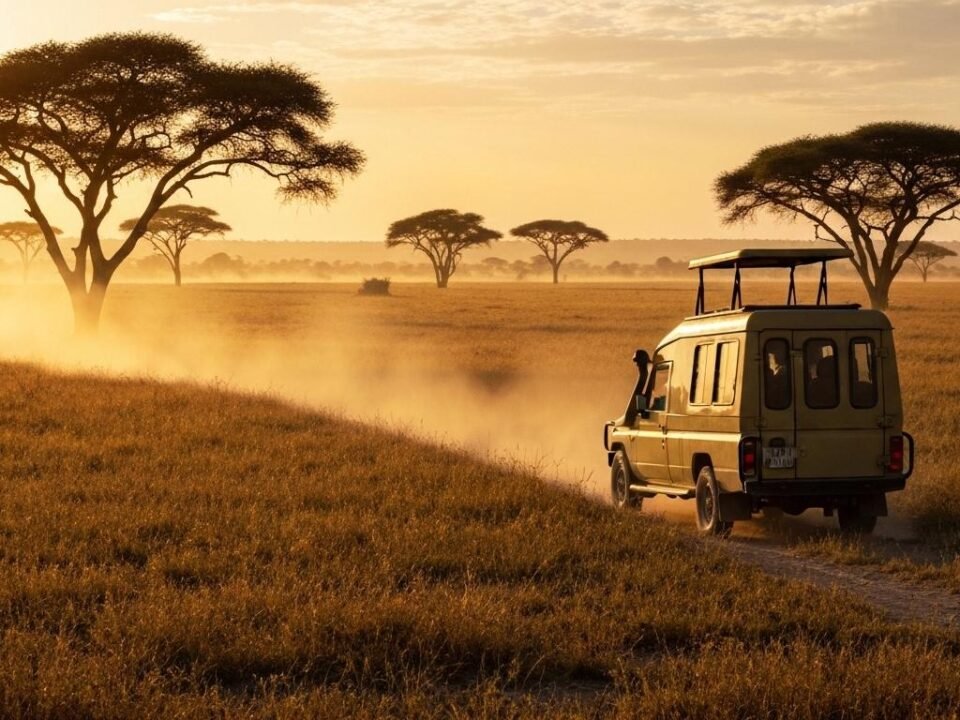
Most Northern Circuit road safaris use modified four-wheel-drive vehicles.
A Toyota Land Cruiser with a raised viewing roof is a common example.
However, vehicle layouts and seating capacities vary.
Some operators offer every guest a window seat. Others may use different seating arrangements.
Therefore, ask how many travellers will occupy your vehicle.
Photography and Wildlife Viewing
A private Serengeti safari can benefit wildlife photographers.
For example, you may want extra time photographing a leopard resting in a tree.
Your guide can discuss suitable positioning and waiting time with your party.
On a shared safari, other guests may prefer moving towards another sighting.
Consequently, the group must balance different interests.
However, neither safari type permits unrestricted off-road driving. Your guide must follow the applicable park rules.
Comfort During Long Drives
Tanzania’s Northern Circuit involves considerable driving.
For example, travelling from Arusha towards the Serengeti can occupy much of a day.
Actual journey times depend on road conditions, entry procedures and the selected route.
A private safari allows more discussion about rest stops and departure times.
This flexibility may benefit families, older travellers and visitors who prefer shorter driving periods.
Shared safaris can still be comfortable when operators manage group sizes properly.
Planning your Tanzania safari? Zamunda Travels can help you compare private and shared arrangements before you choose your accommodation and route.
Which Tanzania National Parks Suit Each Safari Type?
Both private and shared safaris can cover Tanzania’s main Northern Circuit destinations.
However, some routes offer more scheduled group departures than others.
Serengeti National Park
Serengeti National Park is famous for its extensive plains, predators and annual wildebeest migration.
Both safari types can explore the central Serengeti.
However, wildlife movements change throughout the year.
A private safari may provide greater flexibility when planning visits to different Serengeti regions.
For example, travellers interested in northern Serengeti river crossings may need carefully selected dates and accommodation.
Remember that wildlife sightings and river crossings are never guaranteed.
Ngorongoro Conservation Area
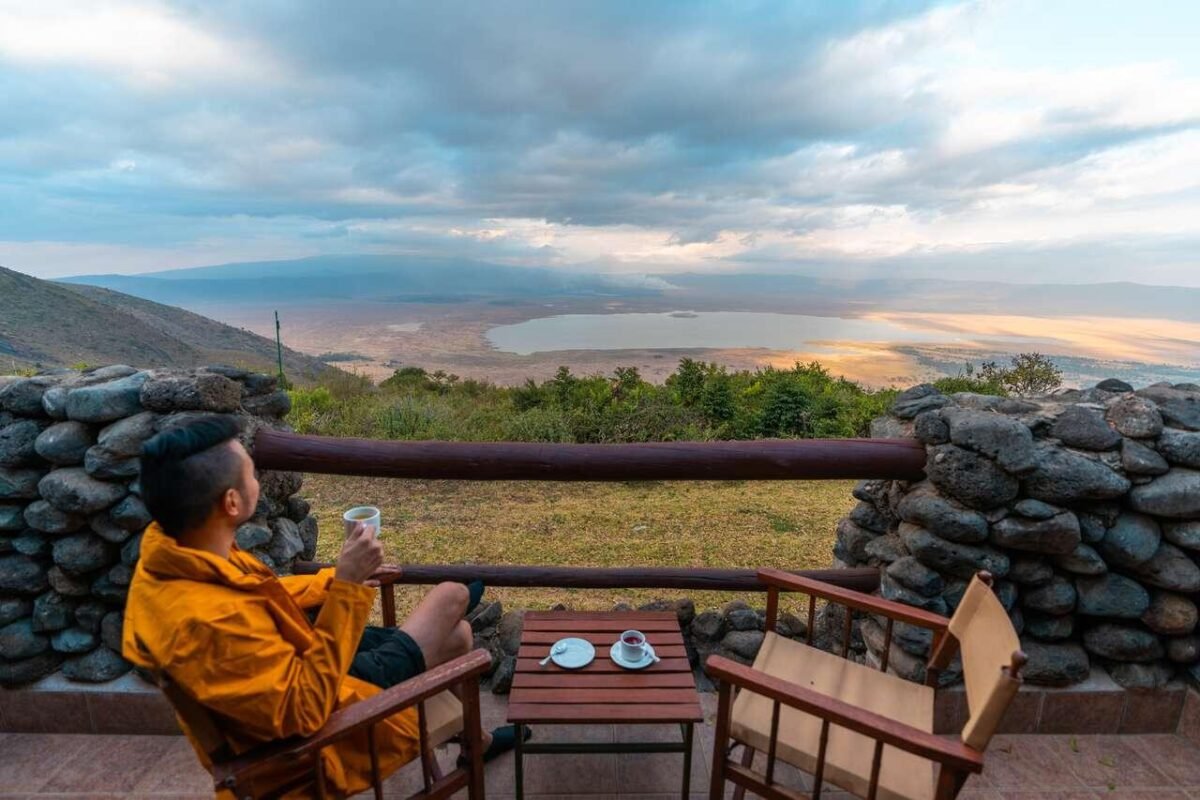
The Ngorongoro Crater is a popular destination on Northern Circuit itineraries.
Visitors may encounter buffaloes, lions, zebras and other wildlife.
Black rhinos also live in the crater, although sightings remain unpredictable.
Both private and shared vehicles can descend into the crater when properly authorised.
However, the itinerary must account for applicable crater access arrangements and fees.
Tarangire National Park
Tarangire is particularly well known for elephants and baobab trees.
During the drier months, wildlife often gathers around important water sources.
The park works well for both private and shared trips.
Furthermore, it can form part of a shorter safari from Arusha.
Southern Tanzania Safari Destinations
Nyerere and
Ruaha offer alternatives to the Northern Circuit.
However, scheduled shared departures may be less frequent on some routes.
Private arrangements or lodge-based safari packages can provide more options.
Therefore, ask about available departures before deciding on your preferred safari style.
Sample Four-Day Tanzania Safari Itinerary
A practical itinerary helps explain how safari arrangements affect your experience.
Consider a four-day Northern Circuit safari starting and ending in Arusha.
Day 1: Arusha to Tarangire
Depart Arusha after breakfast and travel towards Tarangire National Park.
Enjoy a game drive while looking for elephants, giraffes and other wildlife.
Later, continue to your booked accommodation.
Private travellers can discuss suitable stops with their guide. Shared travellers follow the agreed group programme.
Day 2: Travel to Serengeti
After breakfast, continue towards Serengeti National Park through the Ngorongoro Conservation Area.
This is a long travel day, depending on your accommodation and route.
Enjoy wildlife viewing when time and park arrangements allow.
Spend the night at your selected Serengeti camp or lodge.
Day 3: Serengeti and Ngorongoro Area
Start with an early game drive in the Serengeti.
Afterwards, travel towards accommodation near the Ngorongoro Crater.
Private travellers may discuss photography priorities before departure.
However, everyone must allow enough time for the transfer.
Day 4: Ngorongoro Crater and Arusha
Depart early for the Ngorongoro Crater.
Enjoy a game drive within the permitted visiting arrangements.
Afterwards, return towards Arusha.
This itinerary is possible but relatively fast-paced. Therefore, travellers wanting more Serengeti time should consider five or six days.
How to Compare Two Tanzania Safari Quotations
Comparing safari prices requires more than checking the final amount.
Two packages may appear similar while offering different accommodation and game-drive arrangements.
Before booking, examine the following details.
Check the Accommodation
Ask for the exact lodge or campsite names.
Also, confirm room arrangements, meal plans and accommodation locations.
A lodge outside a park may involve longer daily transfers.
Therefore, a cheaper room can sometimes reduce your wildlife-viewing time.
Check the Safari Vehicle
Confirm the vehicle type and maximum number of passengers.
Ask whether every traveller receives a suitable viewing position.
Also, establish whether your vehicle remains the same throughout the itinerary.
For a shared safari in Tanzania, confirm whether the operator combines guests from different bookings.
Check Park Fees and Extras
Ask whether the package includes every required park entry and conservation charge.
Check crater-related charges, accommodation fees and planned activities.
Additionally, confirm airport transfers, drinking water and guide arrangements.
A low headline price can become expensive when important services are excluded.
Check Cancellation and Payment Terms
Read the payment schedule before sending a deposit.
Confirm cancellation rules and any non-refundable services.
Also, ask what happens when a shared departure does not reach its minimum passenger number.
A reputable quotation should clearly explain the booking conditions.
Best Time to Book a Private or Shared Tanzania Safari
Tanzania offers safari opportunities throughout the year.
However, weather, accommodation demand and wildlife movements vary by season.
June to October
These months generally bring drier conditions across much of the Northern Circuit.
Wildlife viewing can be rewarding around permanent water sources.
However, popular accommodation may fill early during busy travel periods.
Therefore, advance booking is particularly useful.
November to March
Conditions vary across Tanzania during these months.
Short rains may occur around November and December.
The southern Serengeti ecosystem becomes especially important during the wildebeest calving period, usually around January to March.
However, rainfall and animal movements vary each year.
April and May
These months often experience heavier seasonal rainfall.
Some properties may close temporarily, while others remain open.
Road conditions can also become more challenging.
However, certain lodges may offer lower seasonal rates.
Confirm accommodation availability and road conditions before booking.
Who Should Choose a Private Tanzania Safari?
A private safari suits travellers who value flexibility and personal attention.
It can be especially useful for families, couples and photographers.
For example, parents may prefer adjusting stops around children’s needs.
Wildlife photographers may want longer observation periods.
Likewise, travellers combining Tanzania with Kenya, Uganda or Rwanda may need customised dates.
However, private travel is not automatically the most expensive choice.
When several people share the vehicle, the individual transport cost decreases.
Who Should Choose a Shared Tanzania Safari?
Shared safaris are attractive for travellers who want to control expenses.
They are especially useful for solo visitors and people comfortable travelling with strangers.
A Tanzania safari for solo travellers can also provide opportunities to meet other wildlife enthusiasts.
However, confirm the departure date and accommodation arrangements.
Some shared packages charge a single-room supplement when travellers do not share a room.
Also, consider whether the fixed itinerary matches your interests.
If you prefer independent photography or slower mornings, private travel may offer better value.
Common Safari Booking Mistakes to Avoid
One common mistake is choosing the cheapest quotation without checking its inclusions.
Another is assuming that every private safari uses luxury accommodation.
In reality, private travel describes vehicle exclusivity rather than lodge quality.
Travellers also sometimes overlook driving distances.
For example, combining Tarangire, Serengeti and Ngorongoro within very few days creates a demanding schedule.
Additionally, avoid assuming that migration sightings are guaranteed.
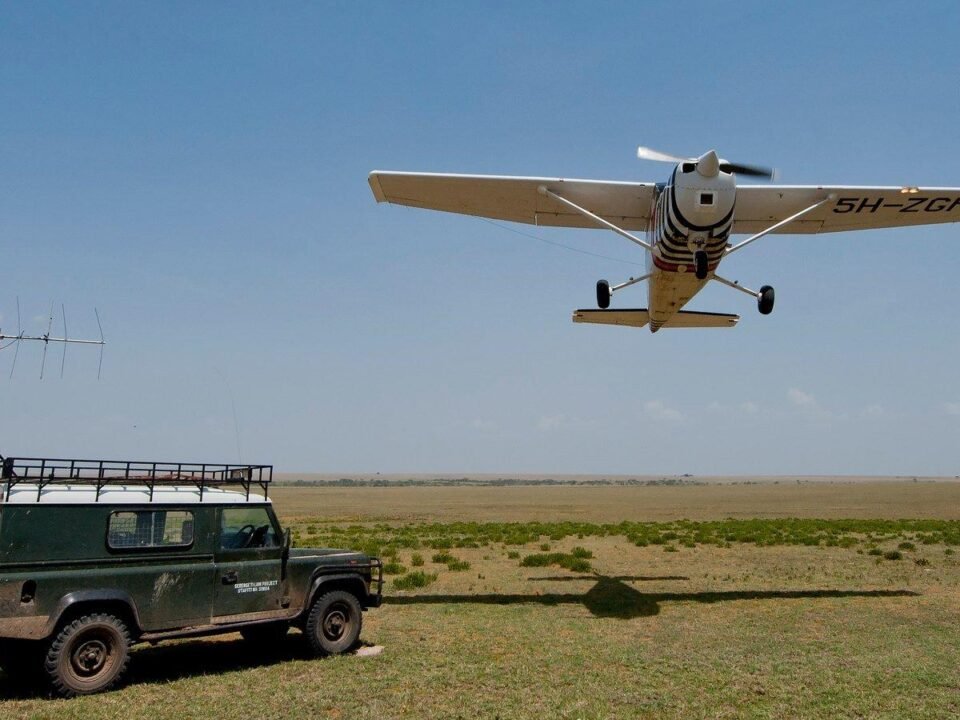
Finally, confirm luggage allowances when domestic flights form part of your itinerary.
Small aircraft may have strict baggage restrictions.
Health, Safety and Practical Packing Tips
Safari comfort depends partly on preparation.
Pack lightweight clothing, sun protection and a warm layer for cooler mornings.
Also, carry any regular medication and essential personal items.
Bring binoculars if you enjoy watching distant wildlife.
For photography, protect cameras from dust and vibration.
Drink safe water and follow your guide’s instructions around animals.
Never leave your safari vehicle in restricted areas without permission.
Before departure, seek appropriate travel-health advice about malaria prevention and recommended vaccinations.
Conclusion: Which Tanzania Safari Gives Better Value?
The best choice depends on your travelling party, budget and expectations.
Shared safaris can offer excellent value for solo travellers and visitors who enjoy group experiences.
Private safaris provide more control over schedules, wildlife photography and personal comfort.
However, families and groups should compare both options carefully.
Is a private safari in Tanzania worth it? Often, yes, when flexibility matters or several travellers share the cost.
At Zamunda Travels, we help visitors plan Tanzania safaris around their preferred parks, accommodation and budget.
Request a personalised Tanzania safari quotation from Zamunda Travels. We can help you compare private and shared options before making your final decision.
Website:
www.zamundatravels.com
Email:
info@zamundatravels.com
WhatsApp: +256 704 705606
Frequently Asked Questions
1. Is a private safari in Tanzania worth the extra cost?
Yes, a private safari can be worth the additional expense when you value flexibility, privacy and photography time. Your party receives exclusive use of the safari vehicle and guide. However, shared safaris may offer better value for solo travellers. Compare complete quotations before choosing.
2. How much does a shared safari in Tanzania cost?
Shared safari prices depend on duration, accommodation, season and included park fees. Budget camping trips generally cost less than mid-range lodge packages. However, advertised prices may exclude important services. Request a detailed quotation showing accommodation, transport, conservation charges and additional expenses before booking.
3. Can solo travellers join a Tanzania safari group?
Yes, many Tanzania safari operators offer scheduled group departures for solo travellers. You share the vehicle and guide with other guests, reducing transport expenses. However, some accommodation arrangements involve single-room supplements. Confirm departure availability, group size and room-sharing conditions before paying.
4. Is a private safari cheaper for four people?
A private safari can become competitively priced when four people share one vehicle. The fixed transport and driver-guide expenses are divided among more travellers. However, accommodation, park fees and travel dates also influence the total. Compare equivalent private and shared packages to establish the actual difference.
5. Do private and shared safaris visit the same Tanzania parks?
Yes, both private and shared safaris can visit Serengeti, Tarangire and the Ngorongoro Conservation Area. Wildlife opportunities depend on location, season and animal movements rather than vehicle exclusivity. However, private arrangements generally offer more flexibility when choosing routes, departure dates and time spent at sightings.