Planning your Serengeti safari nights is one of the most important decisions when booking a Tanzania safari. Should you stay for two, three or four nights? The answer depends on your budget, travel route and wildlife interests.
The Serengeti is a large national park in northern
Tanzania. It covers approximately 14,763 square kilometres and supports wildlife throughout the year. However, travelling between its different regions takes time.
At
Zamunda Travels, we recommend choosing your safari duration before selecting accommodation. This helps you balance wildlife viewing, comfort and travel costs.
Quick answer: Three nights in the Serengeti offer the best balance for most first-time visitors. Two nights work for shorter safaris focused on one region. Four nights provide more time for photography, relaxed game drives and seasonal wildlife movements. However, your travel route and chosen accommodation also affect the experience.
Serengeti Safari Nights: Comparing Two, Three and Four
The number of nights determines how much time you can spend exploring the park.
However, three nights do not automatically mean three full days of game drives. Arrival and departure transfers reduce your available wildlife-viewing time.
| Serengeti stay |
Full days between arrival and departure |
Best for |
| 2 nights |
1 full day |
Short safaris and limited budgets |
| 3 nights |
2 full days |
Most first-time visitors |
| 4 nights |
3 full days |
Photographers, migration-focused travellers and relaxed safaris |
These figures assume you arrive on the first day and depart after your final night. Additional game drives depend on transfer times.
For example, an early flight into Seronera may allow an afternoon game drive. Meanwhile, a long road transfer could leave only a short wildlife-viewing window.
Therefore, compare the actual game-drive schedule before booking.
Why the Location of Your Camp Matters
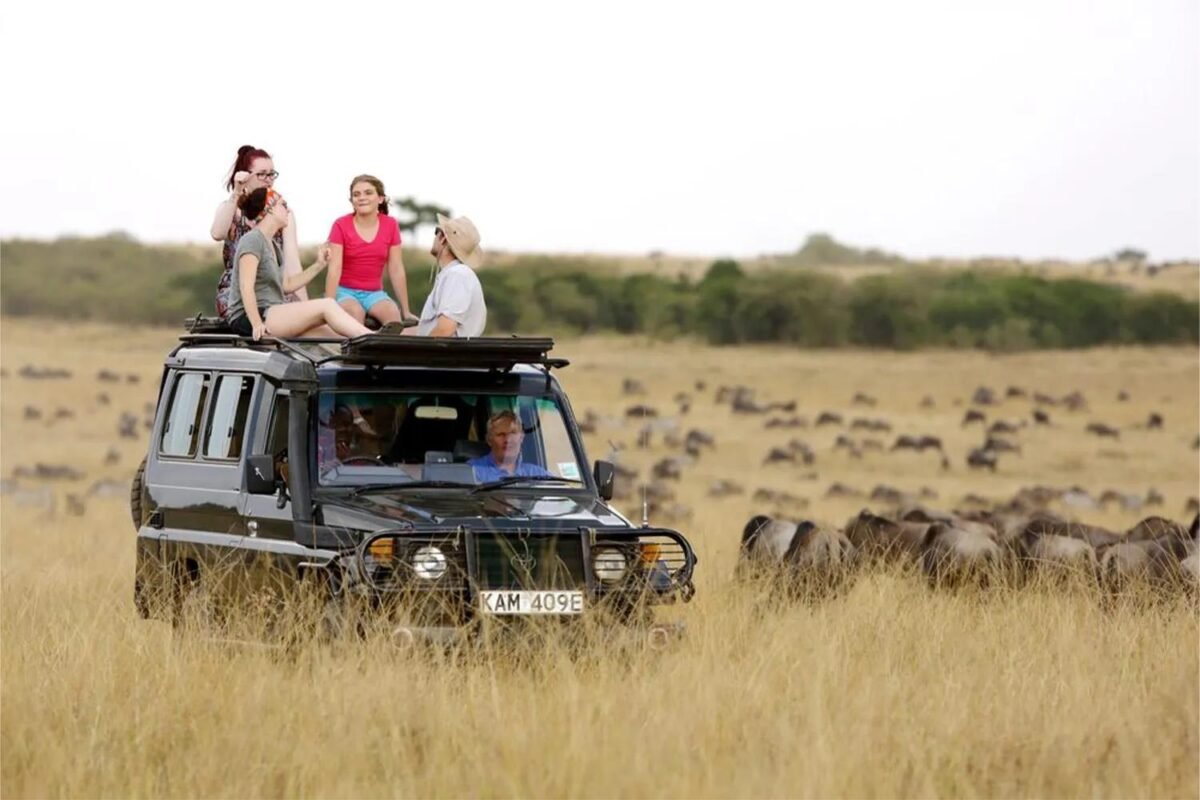
The Serengeti has several important safari regions. Central Serengeti, also called Seronera, is popular for resident wildlife and big cats.
Northern Serengeti attracts visitors interested in the Mara River crossing season. Meanwhile, the southern plains and Ndutu area become important during the calving season.
A camp near your main wildlife interests can save considerable driving time.
Consequently, two nights in a well-positioned camp may work better than three nights in the wrong region.
Are Two Nights in the Serengeti Enough?
Two nights in Serengeti can provide a rewarding wildlife experience. However, you should focus on one main area rather than attempting to explore the entire park.
Central Serengeti is often a practical choice. Its grasslands, river valleys and rocky kopjes support lions, leopards, elephants and other wildlife.
A typical two-night stay includes an arrival game drive, one full day and a departure drive.
Sample Two-Night Serengeti Safari Itinerary
Day 1: Arrival in Central Serengeti
Travel from the Ngorongoro area or arrive by scheduled flight. Afterwards, enjoy a game drive if time allows.
Check into your camp and enjoy dinner.
Day 2: Full-Day Game Drive
Start early and explore the Seronera area. Look for lions, giraffes, zebras, elephants and other animals.
You can carry a picnic lunch or return to camp, depending on your schedule.
Day 3: Departure
Enjoy a morning game drive if your transfer schedule permits. Afterwards, continue to Ngorongoro or your departure airstrip.
This option works well for travellers combining several northern Tanzania parks.
However, wildlife sightings remain unpredictable. Therefore, avoid expecting every major species during a short visit.
Why Three Serengeti Safari Nights Are Ideal for Most Travellers
Three nights Serengeti safari packages offer a useful balance between wildlife viewing and travel costs.
You normally have two complete days between arrival and departure. This allows more flexibility than a two-night visit.
For example, you can explore different parts of Seronera without rushing between sightings.
You may also spend longer watching animal behaviour. Lions resting near a kopje or elephants feeding beside a river can reward patient observation.
Sample Three-Night Serengeti Safari Itinerary
Day 1: Arrival and Afternoon Game Drive
Enter the Serengeti and travel towards your accommodation. Enjoy wildlife sightings along the route where possible.
Day 2: Full-Day Central Serengeti Safari
Explore the Seronera Valley and surrounding plains. Your guide can adjust the route based on recent wildlife activity.
Day 3: Flexible Game Drives
Choose an early morning drive followed by afternoon exploration. Alternatively, arrange a longer drive with a picnic lunch.
Day 4: Departure
Enjoy breakfast and a final game drive if your schedule allows. Afterwards, continue to your next destination.
At Zamunda Travels, we generally recommend three nights for travellers visiting the Serengeti for the first time.
However, your travel month remains important when choosing the best camp location.
When Four Nights in Serengeti Are Worth Booking
Four nights in Serengeti provide additional flexibility, especially for travellers interested in photography and seasonal wildlife movements.
You gain three full days between arrival and departure. Therefore, you can spend more time exploring without changing your daily schedule unnecessarily.
This option also suits families and older travellers who prefer a slower pace.
Sample Four-Night Serengeti Safari Itinerary
Day 1: Arrival
Travel to your selected Serengeti camp. Enjoy an afternoon game drive if time permits.
Day 2: Wildlife Exploration
Spend the day searching for resident wildlife. Focus on big cats, herbivores and interesting animal behaviour.
Day 3: Extended Game Drive
Explore another suitable wildlife area or revisit promising locations.
Day 4: Flexible Safari Day
Enjoy another full day of game drives. Alternatively, choose a slower schedule with time at your accommodation.
Day 5: Departure
Enjoy your final morning before continuing to Ngorongoro, Arusha or another destination.
Four nights may also support a two-region safari.
However, this depends on distances and seasonal conditions. Splitting your stay between Central and Northern Serengeti can require substantial travel time.
Therefore, do not assume that changing camps always improves your safari.
How Many Serengeti Safari Nights Do You Need for the Great Migration?
The
Great Migration involves seasonal movements of
wildebeest, zebras and other grazing animals across the Serengeti ecosystem.
However, the herds do not follow a fixed calendar. Rainfall and grazing conditions influence their movements.
The best Serengeti safari duration therefore depends partly on your travel month.
| Travel period |
General migration focus |
Suggested stay |
| January–March |
Southern plains and calving season |
3–4 nights |
| April–June |
Movement through central and western areas |
3–4 nights |
| July–October |
Northern Serengeti and potential Mara River crossings |
4+ nights |
| November–December |
Southward movement as seasonal rains return |
3–4 nights |
These periods are approximate. Migration locations vary between years.
Is Four Nights Enough for River Crossings?
Four nights can improve your opportunities during the northern migration season. However, no operator can guarantee a river crossing.
Sometimes herds gather near the river without crossing. At other times, crossings happen unexpectedly.
Therefore, visitors specifically interested in crossings may benefit from additional nights near the relevant river areas.
At Zamunda Travels, we recommend selecting accommodation according to the migration’s expected location.
You can also request a customised Serengeti safari quote based on your travel month and wildlife priorities.
Road Safari or Fly-In Safari: Does It Change Your Stay?
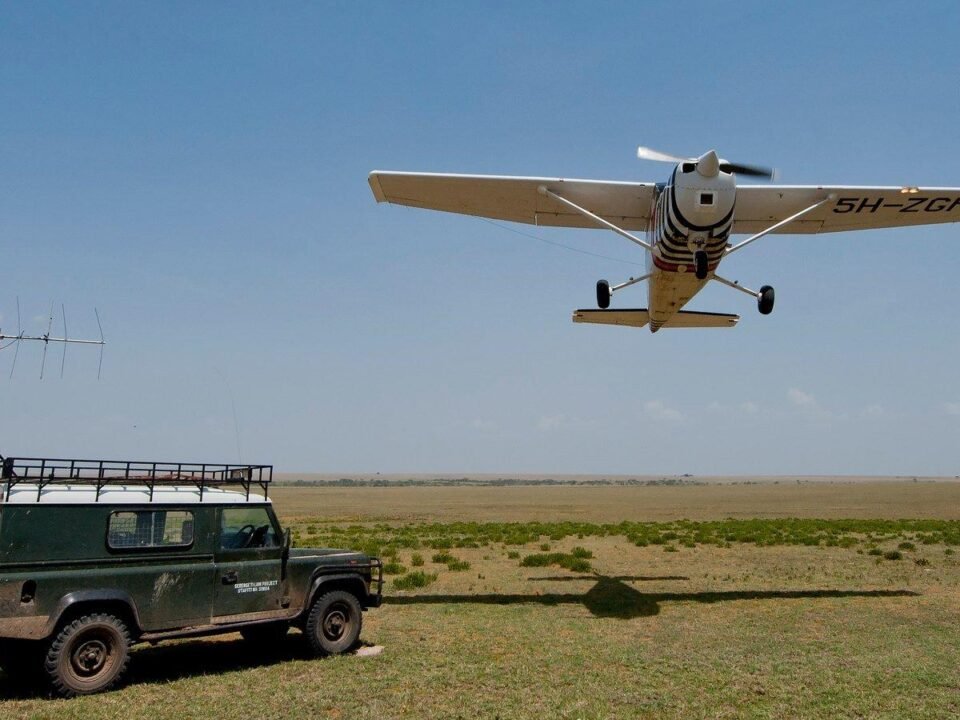
Yes. Your transport choice can significantly affect the time available for game drives.
A road safari from Arusha to Central Serengeti commonly takes approximately six to eight hours, depending on the route and conditions.
In contrast, scheduled light-aircraft flights can reduce transfer time considerably.
However, flights introduce additional costs and luggage restrictions.
Choosing a Road Safari
Road safaris work well when combining Tarangire, Ngorongoro and Serengeti.
They also allow you to experience changing landscapes along the northern safari circuit.
However, long transfers can become tiring.
Therefore, travellers booking only two nights should examine their arrival and departure times carefully.
Choosing a Fly-In Safari
A fly-in safari can suit travellers with limited time or those seeking greater comfort.
For example, flying into Seronera may preserve more of your arrival day for wildlife activities.
Nevertheless, flight schedules and camp transfers still affect your available time.
Always confirm flight connections, luggage allowances and airstrip locations before booking.
Serengeti Safari Costs: What Does an Extra Night Add?
Your Serengeti safari cost depends on accommodation, park charges, transport, season and group size.
Adding one night normally increases accommodation and meal expenses. It may also add park charges, vehicle costs and guiding expenses.
However, the total increase depends on how the safari package is structured.
Example: Comparing Two Safari Quotes
Imagine two travellers comparing a two-night safari with a three-night option.
The first package includes two nights, park access, accommodation and transport. The second includes an additional night and another full day for wildlife viewing.
Before choosing, compare the following:
- Total accommodation and meal costs
- Park entry and applicable concession charges
- Private vehicle and driver-guide services
- Number of scheduled game drives
- Transfers, flights and luggage allowances
- Activities excluded from the package
A cheaper package may offer less actual time with wildlife.
Therefore, compare the cost per useful safari day, not just the total package price.
Rates change, so confirm current prices with Zamunda Travels.
Best Time to Visit Serengeti for Two, Three or Four Nights
The Serengeti offers wildlife viewing throughout the year. However, each season creates different travel conditions.
June to October: Dry Season
The dry season often provides easier wildlife viewing around water sources and open areas.
However, popular camps and migration regions can attract more visitors.
Therefore, book early if travelling during peak months.
January to March: Southern Plains
This period is important for the wildebeest calving season, especially around the southern Serengeti ecosystem.
Predators may also become active around large herds.
However, the exact timing depends on rainfall.
April to May: Wetter Conditions
Rainfall can produce green landscapes and quieter safari conditions.
Nevertheless, some roads become difficult, and certain seasonal camps may close.
Therefore, confirm accommodation access before booking.
Common Mistakes When Planning Serengeti Safari Nights
The first mistake is booking too many destinations within a short itinerary.
For example, combining several parks with only two Serengeti nights may create long driving days.
Another mistake is choosing accommodation based only on price. A cheaper camp far from your preferred wildlife area may increase daily travel time.
Some travellers also confuse safari days with actual nights inside the park.
Therefore, check your arrival date, departure date and full game-drive days.
Finally, avoid expecting guaranteed sightings. Wildlife movements depend on natural conditions.
A well-planned safari improves opportunities but cannot control animal behaviour.
Practical Packing and Safety Tips for Your Serengeti Safari
Pack lightweight clothing, a warm layer for early mornings and comfortable shoes.
Also bring sunscreen, a hat, binoculars and a camera with spare batteries.
If you are travelling on a light aircraft, confirm the permitted luggage weight and bag type.
For safety, remain inside your safari vehicle unless your guide confirms that stopping is permitted.
Never approach or feed wild animals.
Additionally, speak with a qualified healthcare professional about malaria prevention and recommended travel vaccinations before departure.
Carry personal medication and travel insurance that covers your planned activities.
How to Choose the Right Serengeti Safari Duration
The best Serengeti safari duration depends on your priorities.
Choose two nights if you have limited time and want a focused introduction to Central Serengeti.
Choose three nights if you want a balanced first safari with more flexibility for wildlife viewing.
Choose four nights if photography, seasonal wildlife or a slower pace matters most.
However, remember that accommodation location can matter as much as the number of nights.
Combining Serengeti and Ngorongoro
A Serengeti and Ngorongoro itinerary is a popular choice for northern Tanzania safaris.
For example, a six-day trip can include three nights in
Serengeti, one night near
Ngorongoro and additional travel time.
A longer itinerary may also include
Tarangire National Park.
Therefore, decide how many days you can spend in Tanzania before choosing your Serengeti accommodation.
How Many Nights Should You Spend in the Serengeti?
Three nights provide the best balance for most first-time visitors. Two nights remain suitable for shorter trips, while four nights offer more flexibility.
However, your chosen safari region, transport and travel season are equally important.
At
Zamunda Travels Uganda Ltd, we help travellers plan private East African safaris, including Tanzania wildlife adventures.
We can help you compare two, three and four-night Serengeti options based on your travel dates, accommodation preferences and budget.
Plan your Serengeti safari with Zamunda Travels.
Website:
www.zamundatravels.com
Email:
info@zamundatravels.com
WhatsApp: +256 704 705 606
Frequently Asked Questions About Serengeti Safari Nights
1. Is two nights enough for a Serengeti safari?
Yes, two nights can provide a good introduction to the Serengeti. You normally have one full day between arrival and departure. However, this limits the areas you can explore. Central Serengeti is often the most practical choice. Three nights offer greater flexibility for wildlife viewing.
2. Are three nights enough for the Serengeti?
Yes, three nights are enough for many first-time visitors. This usually provides two full days for game drives, plus possible wildlife viewing during transfers. You can explore Central Serengeti at a comfortable pace. However, visitors hoping to cover several regions may need additional nights.
3. Is four nights in the Serengeti too long?
No, four nights are not too long, especially for wildlife enthusiasts and photographers. The extra time allows more game drives and a flexible schedule. You can also spend longer observing animal behaviour. However, choose your accommodation carefully to avoid unnecessary travel between distant regions.
4. How many days do you need to see the Great Migration?
Plan at least three to four nights in the appropriate migration region. However, visitors hoping to witness Mara River crossings may benefit from a longer stay. Herd movements depend on rainfall and grazing conditions. Therefore, no safari operator can guarantee a crossing or a particular wildlife event.
5. Should I spend more nights in Serengeti or Ngorongoro?
Most travellers benefit from spending more nights in Serengeti because it covers a much larger area. Ngorongoro Crater often fits into one dedicated game-drive day. However, the surrounding conservation area offers additional attractions. Your ideal allocation depends on wildlife interests, available time and travel arrangements.