Serengeti National Park Safari
October 7, 2026
Best Time to See the Great Migration in Serengeti
October 7, 2026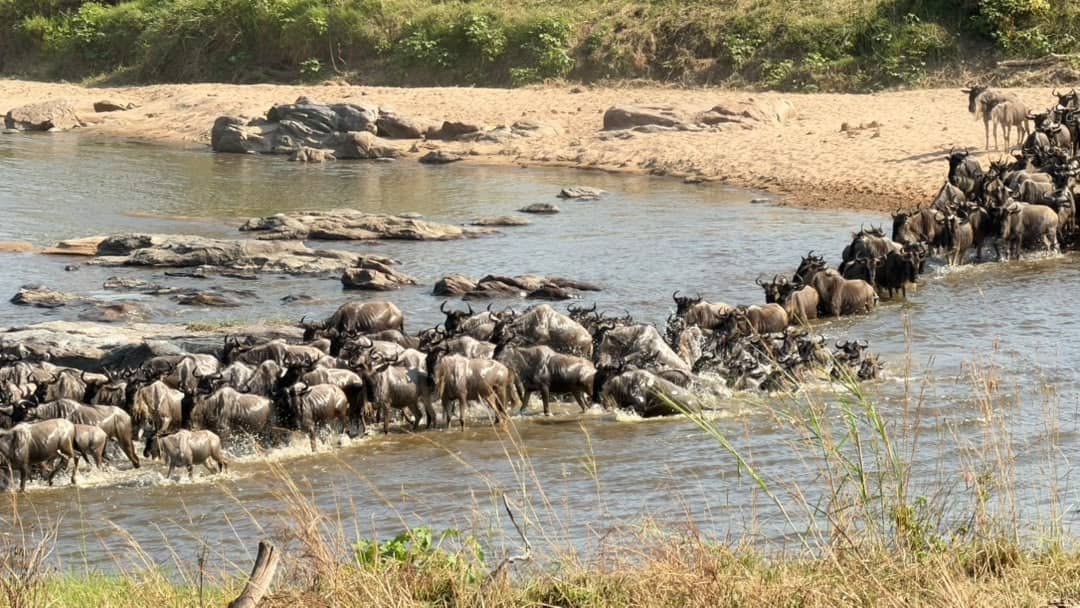
The Great Wildebeest Migration in Tanzania is one of Africa’s most remarkable wildlife experiences. Every year, more than one million wildebeest move across the Serengeti ecosystem in search of fresh grass and water. They travel with large numbers of zebra and gazelle. Together, these animals create one of the greatest wildlife spectacles on Earth.
The migration does not follow a strict calendar. Instead, rainfall, grass growth, water availability, and seasonal conditions guide the herds. Therefore, travelers should understand the migration cycle before choosing their safari dates. At Zamunda Travels, we help travelers plan around the areas where the herds are most likely to gather during each season.
The best place to experience the migration in Tanzania is the Serengeti National Park and the surrounding Serengeti-Mara ecosystem. However, different parts of the Serengeti offer different experiences. Southern Serengeti is famous for calving. The Western Corridor offers opportunities to see the herds around the Grumeti area. Northern Serengeti is especially important for travelers hoping to witness the dramatic Mara River crossings.
What Is the Great Wildebeest Migration?
The Great Wildebeest Migration is an annual movement of large herds across the Serengeti-Mara ecosystem. The main animals include wildebeest, zebra, and Thomson’s gazelles. They move in a broad circular pattern between Tanzania and Kenya. Their movement follows fresh grazing rather than a fixed route.
Wildebeest form the largest part of the migrating herds. TANAPA describes more than 1.5 million wildebeest as part of this major migration. Zebra and gazelles travel alongside them. Predators also follow the herds because the migration creates abundant hunting opportunities. Lions, cheetahs, leopards, hyenas, and crocodiles all benefit from this enormous movement of prey.
The migration also plays an important ecological role. Millions of grazing animals consume huge amounts of vegetation and return nutrients to the soil. Their movement helps maintain the grassland ecosystem. For this reason, the migration is much more than a spectacular tourism event. It is a vital natural process within the Serengeti ecosystem.
Wildebeest Migration Tanzania: The Annual Cycle
The Wildebeest Migration Tanzania experience changes throughout the year. The herds do not remain in one place. Instead, they move between different parts of the ecosystem as rainfall changes the availability of fresh grass.
This makes timing extremely important. A traveler visiting Tanzania in February will experience a very different migration from someone visiting in August. Zamunda Travels can therefore match your safari route with the seasonal behavior you want to see.
January to March: Wildebeest Migration Tanzania Calving Season
January through March is one of the most exciting periods in the migration cycle. During this time, large herds gather across the southern Serengeti and the Ndutu area. The short-grass plains provide nutritious grazing for pregnant females and newborn calves.
February is particularly famous for calving. Hundreds of thousands of wildebeest calves can be born within a short period. TANAPA reports that the main calving period can produce thousands of births each day during the peak weeks.
This period offers more than beautiful scenes of newborn animals. It also creates intense predator activity. Lions, cheetahs, hyenas, and other predators take advantage of the abundance of young wildebeest. However, the open plains also give the calves room to run soon after birth.
Travelers who prefer wildlife photography often enjoy this season. The landscape can appear green after seasonal rains. Herds cover the plains, while mothers stay close to their young. For a safari that combines migration and predator action, Zamunda Travels can design a route around the southern Serengeti.
April to May: Herds Move North
After the calving period, the herds gradually begin moving north and west. The exact timing depends on rainfall and grass conditions. During this stage, the animals may pass through central Serengeti and move toward the Western Corridor.
April and May can bring more rain. Some roads may become muddy, but the landscape can look especially green and beautiful. Wildlife viewing remains rewarding because the Serengeti supports resident animals throughout the year.
This period suits travelers who want to experience the migration without focusing only on river crossings. It can also provide a quieter safari atmosphere compared with the peak months around the northern Serengeti.
June to July: Western Corridor and Grumeti River
By June and July, many herds reach the Western Corridor. The Grumeti area becomes an important part of the migration route. The Grumeti River creates one of the major natural obstacles that the herds encounter during their northward movement.
River crossings here can be dramatic. However, travelers should understand that crossings do not happen on demand. Wildebeest may gather near the river for hours or even days before moving. Rainfall can also change the timing and direction of the herds.
This uncertainty makes an experienced safari guide valuable. Zamunda Travels can monitor local conditions and adjust game-drive plans when possible. The goal is not simply to chase the animals. Instead, the safari should give you enough time to observe their natural behavior.
Wildebeest Migration Tanzania: Mara River Crossings
The Mara River crossings are perhaps the most famous part of the entire migration. They usually attract the greatest attention between July and October. During this period, large groups can move through the northern Serengeti toward the Maasai Mara in Kenya.
Northern Serengeti, especially the Kogatende area, provides some of the best opportunities for travelers who want to see this stage of the migration. The herds gather along the river before crossing. Some animals may hesitate at the bank for a long time. Others suddenly enter the water, creating a dramatic rush of movement.
The river contains crocodiles, while the steep banks can make the crossing dangerous. Yet the biggest challenge remains uncertainty. A large herd may appear ready to cross and then turn away. Another group may cross at a different point later in the day.
TANAPA has established specific guidelines for viewing Mara River crossings. Visitors must remain in designated areas and avoid blocking the animals. Vehicles must also follow distance and movement rules around crossing points.
This is why responsible safari planning matters. At Zamunda Travels, we encourage visitors to respect park regulations and give wildlife space. A successful migration safari should protect the animals while giving travelers a memorable experience.
August to September: Peak Migration Viewing
August and September are among the most popular months for migration safaris in northern Tanzania. During this period, many travelers hope to see herds around the northern Serengeti and the Mara River.
The northern Serengeti offers more than river crossings. Large herds can spread across the plains. Lions and other predators also patrol the area. As a result, a northern Serengeti safari can provide excellent general wildlife viewing alongside migration experiences.
However, there is no guarantee that a river crossing will happen during a specific safari. Weather conditions influence the animals. Their movement can also change from one year to another. National Geographic notes that rainfall can shift the timing and location of the herds.
For this reason, travelers should choose a safari period rather than a single expected crossing date. Spending several nights in the northern Serengeti increases your chances of seeing interesting migration behavior.
October to December: The Journey South
After spending time in the northern Serengeti and Maasai Mara region, many herds begin moving south. The return journey often develops from October onward. Rainfall in the Serengeti encourages fresh grass, which attracts the animals back toward Tanzania.
By November and December, herds can move through the eastern and central Serengeti. The animals gradually return toward the southern plains. The short rains help produce fresh grazing, which prepares the ecosystem for the next calving season.
This period can suit travelers who want a migration experience but prefer to avoid the busiest river-crossing season. It also allows visitors to combine migration viewing with other attractions in northern Tanzania.
Where to See the Wildebeest Migration in Tanzania
The Serengeti is the main destination for seeing the migration in Tanzania. However, the best region depends on the month you travel.
Southern Serengeti and the Ndutu area are ideal for calving season. Central Serengeti provides excellent wildlife viewing during several stages of the annual cycle. The Western Corridor becomes important as the herds move toward the Grumeti area. Northern Serengeti is the key region for travelers targeting the Mara River crossings.
Seronera, located in central Serengeti, is also a useful base because of its rich wildlife and strategic position within the park. The area supports resident predators and herbivores, so travelers can enjoy excellent game viewing even when the main herds move elsewhere.
Zamunda Travels can combine different Serengeti regions when the itinerary allows. This approach gives travelers a broader view of the ecosystem rather than relying on one location.
Best Time for the Wildebeest Migration Tanzania
There is no single best month for everyone. The right time depends on the experience you want.
For newborn calves and predator action, January to March is an excellent choice. For the Western Corridor and Grumeti area, June and July can be rewarding. For Mara River crossings, July to September is commonly preferred, with August and September often offering strong opportunities in the northern Serengeti.
October can also be interesting as the herds begin moving south. November and December bring another phase of the cycle as the animals return toward the southern Serengeti.
Most importantly, migration timing can change. Rainfall remains the main influence. Therefore, no responsible safari company should promise a specific river crossing on a specific day.
Why the Migration Is Difficult to Predict
The Great Migration follows nature rather than a timetable. Rain can arrive early or late. Grass can remain fresh in one area longer than expected. A sudden storm can also influence where the herds move.
For example, recent reporting has shown that unexpected rainfall can cause herds to pause in areas where fresh grass remains available. This explains why even travelers visiting during traditionally recommended months may find the animals in a different location.
Experienced guides can improve your chances by tracking recent herd movements and adjusting game drives. Still, wildlife remains unpredictable. That uncertainty forms part of the adventure.
What Animals Can You See During the Migration?
Wildebeest are the stars of the migration, but they are not alone. Large numbers of zebra and gazelle move with them. The herds also attract numerous predators.
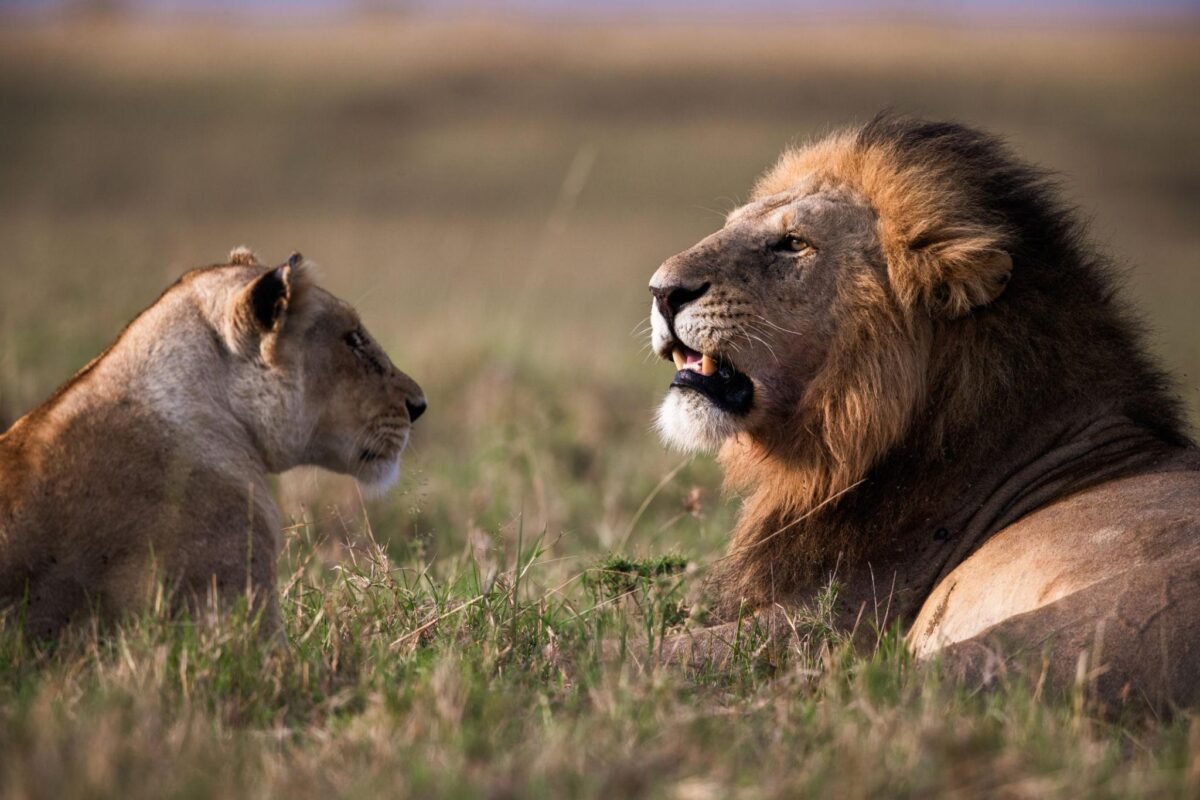
Lions often follow the migrating herds because they provide abundant prey. Cheetahs may hunt vulnerable young animals on open plains. Hyenas can move around the herds and take advantage of opportunities. Crocodiles wait in rivers during major crossings.
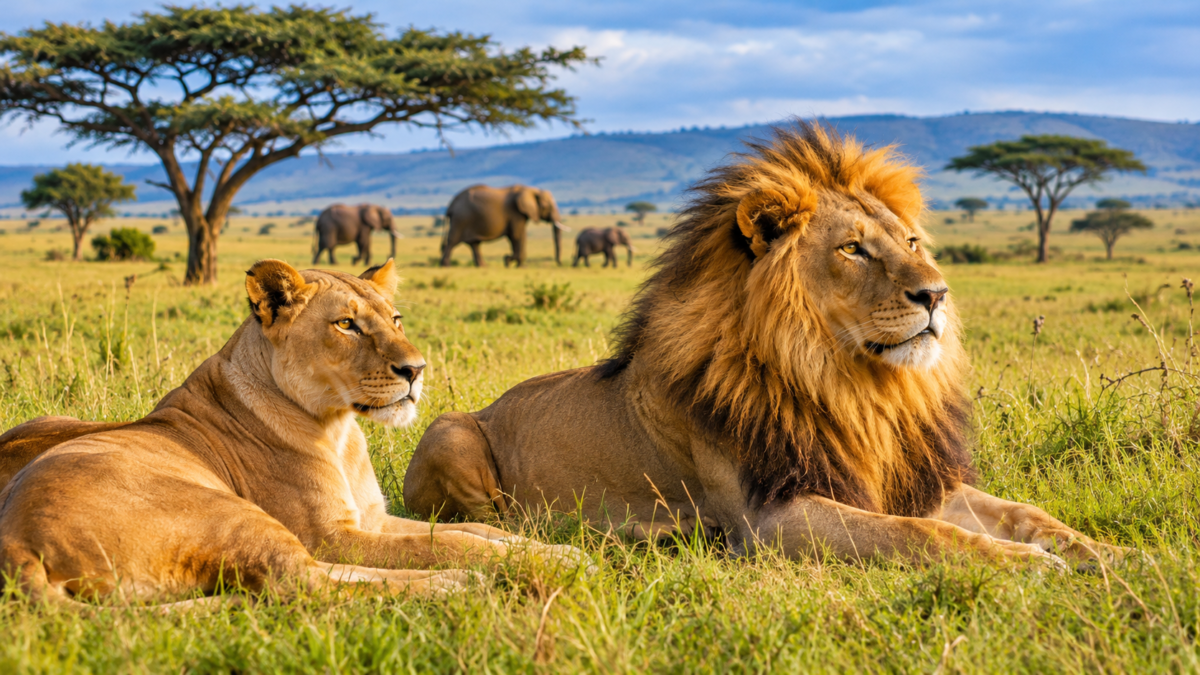
You can also encounter elephants, giraffes, buffaloes, leopards, hippos, ostriches, and many other species during a Serengeti safari. TANAPA records more than 500 bird species in Serengeti National Park.
Therefore, a migration safari should not focus only on finding wildebeest. The wider Serengeti ecosystem offers outstanding wildlife throughout the year.
How to Plan a Wildebeest Migration Safari
Start by choosing the experience you want. If you want to see newborn calves, focus on southern Serengeti during the calving season. If river crossings are your priority, consider a longer stay in northern Serengeti around the peak migration months.
Next, allow enough time. A longer safari gives you more flexibility when the herds change direction. It also reduces the pressure to find the animals on one particular day.
Accommodation also matters. Mobile camps can follow seasonal wildlife movements and may place travelers closer to the herds. Permanent lodges can offer comfort and strong access to resident wildlife. Zamunda Travels can help select accommodation based on your budget, travel dates, and preferred safari style.
Finally, choose an experienced guide. Local knowledge can make a major difference when the herds move unexpectedly. A good guide also understands park regulations and responsible wildlife viewing.
Why Choose Zamunda Travels for Your Tanzania Safari?
Zamunda Travels helps travelers experience Tanzania through carefully planned wildlife safaris. Our approach focuses on matching your travel dates with the natural cycle of the Serengeti.
We understand that the Great Migration does not operate like a scheduled event. Therefore, we build realistic itineraries that allow room for changing wildlife movements. Whether your goal is calving season, the Grumeti area, or the Mara River crossings, we can help you choose the most suitable region.
Our Tanzania safari planning can also include other famous destinations. You can combine Serengeti with Ngorongoro Conservation Area, Tarangire National Park, Lake Manyara, or other northern Tanzania highlights. This creates a more complete safari rather than focusing on one wildlife event.
Plan Your Great Wildebeest Migration Safari
The Great Wildebeest Migration in Tanzania offers something different in every season. January to March brings the excitement of calving. June and July can bring major movement through the Western Corridor. August and September offer strong opportunities for northern Serengeti migration viewing and possible Mara River crossings. Later in the year, the herds begin their journey south again.
The most important lesson is simple: do not treat the migration as a fixed event with guaranteed dates. Follow the seasons, understand the route, and allow nature to determine the final show.
With the right timing and a well-planned itinerary, the Serengeti can deliver an unforgettable wildlife experience. Zamunda Travels can help you plan your Tanzania safari around the migration while also exploring the wider landscapes and wildlife of northern Tanzania.