Tanzania Safari from Romania
November 23, 2026
Tanzania Safari from Hungary
November 23, 2026
Planning a Tanzania safari from the Czech Republic is an excellent way to explore East Africa’s wildlife, national parks and landscapes. From the vast plains of Serengeti National Park to the wildlife-rich Ngorongoro Crater, Tanzania offers remarkable opportunities to observe animals in their natural habitats.
For Czech travellers departing from Prague or other European airports, organising a safari requires careful consideration of flights, travel seasons, accommodation, entry requirements and transport within Tanzania.
Whether you are planning a private safari, a family holiday or a wildlife photography trip, understanding these details will help you make informed decisions.
This guide explains the best safari destinations, when to visit, how many days to spend, what influences safari costs and how to arrange your Tanzania wildlife holiday with Zamunda Travels Uganda Ltd.
Why choose Tanzania for an African safari?
Tanzania is one of Africa’s leading wildlife destinations. Its protected areas support diverse ecosystems, from open grasslands and volcanic highlands to woodlands and freshwater habitats.
The country is particularly famous for Serengeti National Park, the Ngorongoro Conservation Area, Tarangire National Park and Lake Manyara National Park.
Travellers can search for the Big Five, observe large herds of wildebeest and zebras, photograph predators and discover the varied landscapes of northern Tanzania.
Another advantage is the opportunity to combine a wildlife safari with a beach holiday in Zanzibar.
For Czech travellers interested in a private safari, Tanzania offers different itinerary options depending on available time, accommodation preferences and wildlife interests.
How to travel from the Czech Republic to Tanzania
Travellers from the Czech Republic commonly begin their international journey at Václav Havel Airport Prague.
For a northern Tanzania safari, Kilimanjaro International Airport is generally a convenient arrival point. It provides access to Arusha, an important starting location for safaris visiting Serengeti, Ngorongoro and Tarangire.
Flights from Prague may involve connections through international aviation hubs such as Istanbul, Doha or Amsterdam, depending on the airline and travel dates.
Some travellers may also consider departures from Vienna if the available connections better suit their itinerary.
Which Tanzania airport should you choose?
Kilimanjaro International Airport is generally suitable for travellers visiting northern Tanzania’s wildlife destinations.
Julius Nyerere International Airport in Dar es Salaam may be more suitable for itineraries focusing on southern Tanzania or other regions.
Abeid Amani Karume International Airport in Zanzibar is useful for travellers beginning or ending their holiday on the coast.
When choosing flights, consider your safari’s starting location, arrival time, baggage allowance and onward transport arrangements.
It is advisable to confirm your safari itinerary before purchasing non-refundable international tickets.
Best Tanzania safari destinations for Czech travellers
Serengeti National Park
Serengeti National Park is one of Tanzania’s most recognised wildlife destinations.
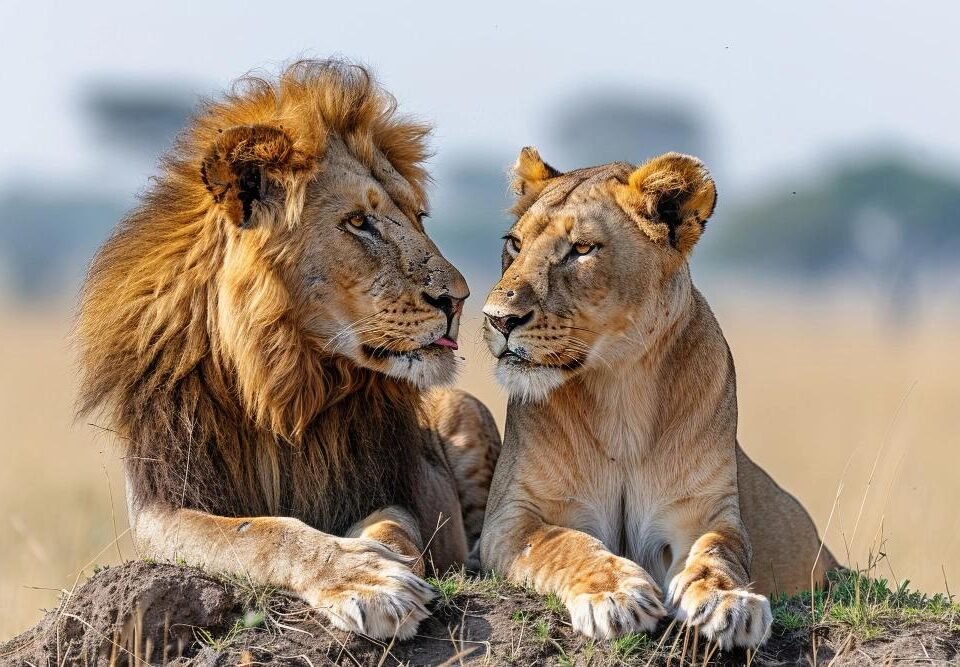
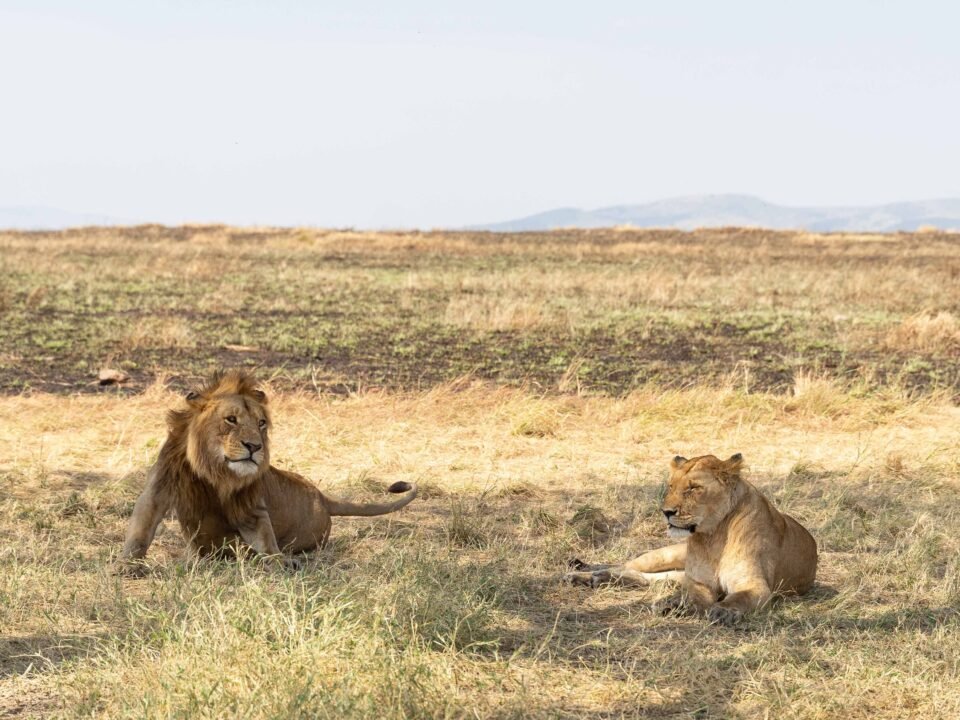
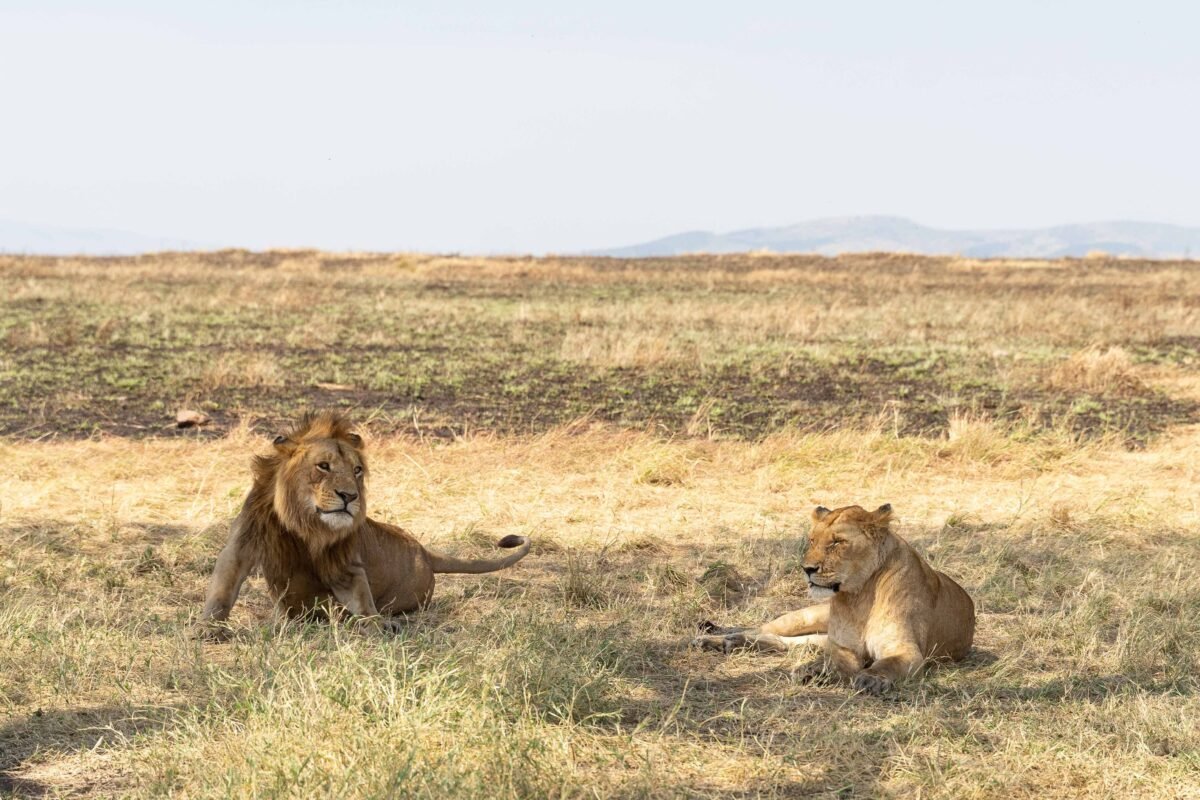
Its extensive plains and varied habitats support lions, leopards, cheetahs, elephants, giraffes, zebras and many other animals.
The park is particularly famous for the Great Migration, involving the seasonal movement of wildebeest and zebras across the wider Serengeti ecosystem.
Wildlife movements depend on rainfall and grazing conditions. Therefore, travellers hoping to observe migration activity should choose their travel dates and accommodation locations carefully.
Serengeti is especially suitable for wildlife photographers, predator enthusiasts and travellers who want several days of game drives.
Ngorongoro Conservation Area
Ngorongoro Conservation Area is another important destination on Tanzania’s northern safari circuit.
Its most famous attraction is Ngorongoro Crater, a large volcanic caldera supporting diverse wildlife habitats.
Visitors may encounter lions, elephants, buffaloes, zebras, wildebeest, hippos and several antelope species.
The crater also supports black rhinoceroses, although sightings are not guaranteed.
Ngorongoro is particularly attractive to travellers who want to observe different wildlife species within a relatively concentrated area.
A crater game drive can be combined with visits to Serengeti and Tarangire.
Tarangire National Park
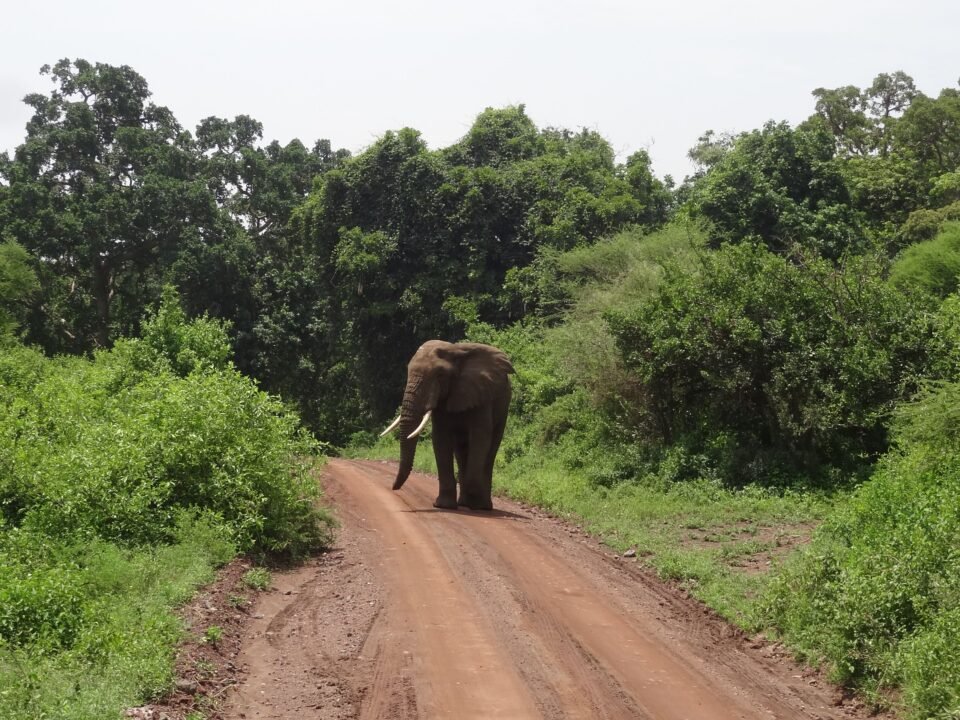
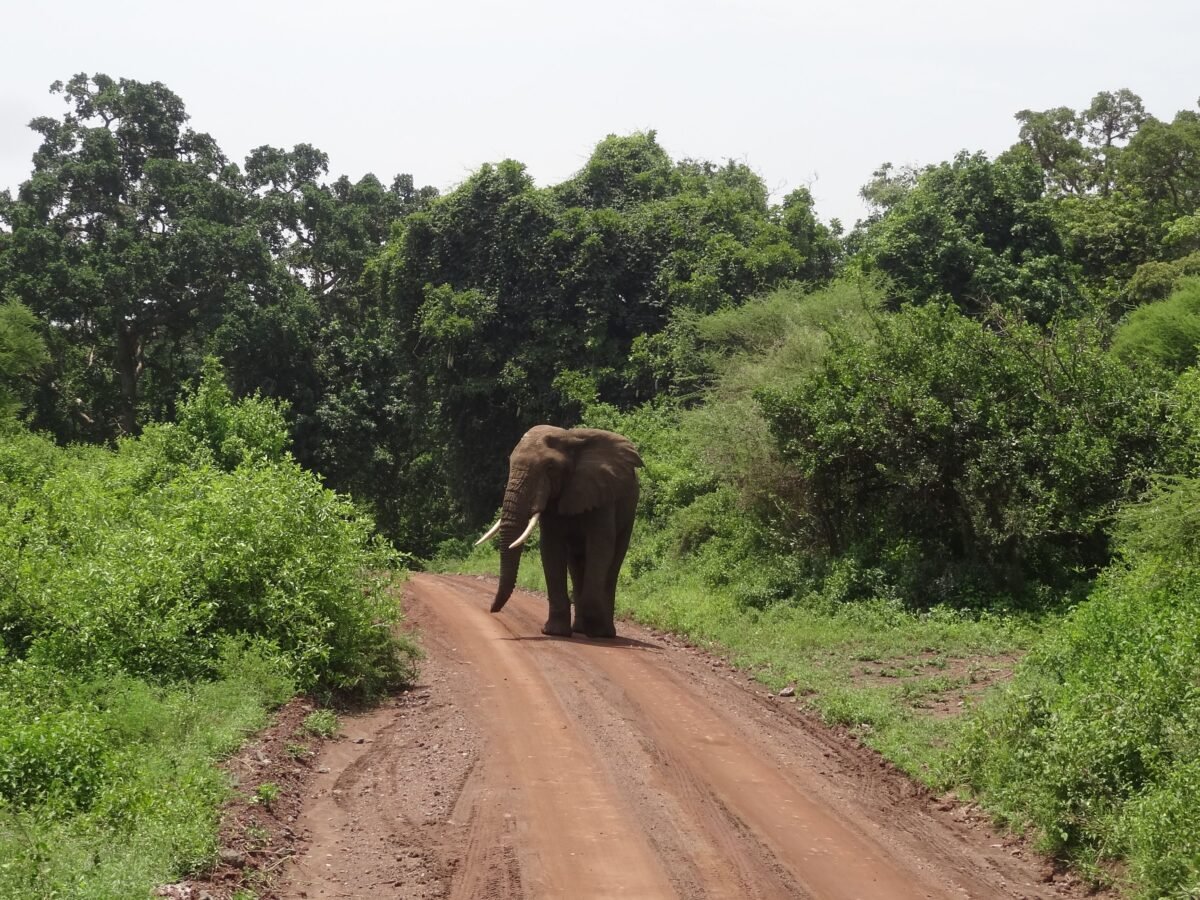
Tarangire National Park is well known for its elephant populations, ancient baobab trees and seasonal wildlife concentrations.
During the dry season, the Tarangire River becomes an important water source for many animals.
Visitors may encounter elephants, giraffes, buffaloes, zebras, wildebeest and various antelope species.
The park also supports lions, leopards and diverse birdlife.
Tarangire offers a different landscape from Serengeti, making it a valuable addition to a northern Tanzania safari.
Lake Manyara National Park
Lake Manyara National Park is recognised for its varied landscapes, including groundwater forests, open woodland, grasslands and lake environments.
Wildlife includes elephants, giraffes, baboons, buffaloes and numerous bird species.
Flamingos may be observed around the lake when environmental conditions are suitable.
The park is also associated with tree-climbing lions, although these animals are not consistently encountered.
Lake Manyara can be included in longer northern Tanzania itineraries, particularly for travellers interested in birdwatching and varied habitats.
Best time for a Tanzania safari from the Czech Republic
Tanzania offers wildlife viewing throughout the year. However, seasonal conditions influence vegetation, animal movements, road accessibility and visitor numbers.
June to October: Dry-season safaris
June to October is generally considered a favourable period for wildlife viewing in many northern Tanzania parks.
Vegetation becomes thinner in several areas, while animals frequently concentrate around available water sources.
This can make wildlife easier to observe during game drives.
July to September is particularly popular for travellers hoping to see migration activity in the northern Serengeti.
However, river crossings are unpredictable natural events and cannot be guaranteed.
November to December: Short rains
November and December generally bring shorter rainy periods to parts of northern Tanzania.
The landscape becomes greener, and fresh vegetation attracts grazing animals.
These months can appeal to travellers interested in photography and changing seasonal landscapes.
Rainfall patterns vary, so safari routes should be planned according to local conditions.
January to March: Wildebeest calving season
January to March is an important period for wildebeest calving in the southern Serengeti and Ndutu region.
Large numbers of wildebeest may gather in suitable grazing areas, and the presence of young animals attracts predators.
This period is particularly interesting for photographers hoping to observe animal behaviour and predator-prey interactions.
The precise timing of calving and wildlife concentrations varies with seasonal rainfall.
April to May: Green-season travel
April and May are generally associated with heavier rainfall in northern Tanzania.
The landscape becomes greener, but some roads may be more difficult to navigate.
Certain accommodation properties may also close temporarily or adjust their operations.
Travellers considering these months should discuss road conditions and accommodation availability with their safari operator.
How many days do you need for a Tanzania safari?
The ideal safari duration depends on the parks you want to visit and the amount of time available for wildlife viewing.
A three- or four-day safari may suit travellers with limited time who want to explore selected northern Tanzania destinations.
However, six to eight days generally provides a more comfortable opportunity to combine Tarangire, Ngorongoro and Serengeti.
Travellers interested in extensive photography, migration movements or additional destinations may prefer ten days or longer.
Remember that travelling between parks takes time. A well-designed itinerary should balance road transfers with meaningful wildlife viewing.
Suggested seven-day Tanzania safari itinerary
The following itinerary is an illustrative example for travellers arriving through Kilimanjaro International Airport. Final arrangements should be adjusted according to arrival times, accommodation locations and road conditions.
Day 1: Arrival at Kilimanjaro International Airport
Arrive in Tanzania and transfer to your accommodation in Arusha.
Depending on your arrival time, spend the remainder of the day relaxing and preparing for the safari.
Overnight in Arusha.
Day 2: Arusha to Tarangire National Park
After breakfast, travel to Tarangire National Park.
Enjoy a game drive through the park’s baobab landscapes and wildlife habitats.
Look for elephants, giraffes, zebras, buffaloes and other animals.
Overnight near Tarangire or in the Karatu area, depending on the selected route.
Day 3: Ngorongoro Crater safari
Travel to the Ngorongoro Conservation Area and descend into the crater for a game drive.
Explore its grasslands, wetlands and other wildlife habitats.
Look for lions, elephants, buffaloes, hippos and, with luck, black rhinoceroses.
After the game drive, return to accommodation around Karatu or the crater highlands.
Day 4: Transfer to Serengeti National Park
Travel towards Serengeti National Park through the Ngorongoro highlands.
The journey provides changing scenery, from highland landscapes to open savannah.
Depending on travel time and park arrangements, enjoy wildlife viewing upon entering Serengeti.
Overnight in Serengeti.
Day 5: Full-day Serengeti safari
Spend the day exploring Serengeti National Park.
Look for lions, cheetahs, leopards, elephants, giraffes and grazing animals.
The day’s route should reflect seasonal wildlife movements and the location of your accommodation.
Overnight in Serengeti.
Day 6: Additional Serengeti wildlife viewing
Enjoy another day of wildlife exploration.
An additional day increases opportunities to observe animal behaviour and explore different habitats without rushing.
Wildlife sightings depend on natural conditions and cannot be guaranteed.
Overnight in Serengeti.
Day 7: Departure from Serengeti
Depending on your travel arrangements, take a scheduled domestic flight from an appropriate Serengeti airstrip or begin the return journey by road.
A domestic flight may provide a more practical departure option for this itinerary because the road journey back to Arusha is substantial.
International connections should be arranged with sufficient transfer time.
How much does a Tanzania safari cost?
Tanzania safari costs depend on travel season, accommodation, number of travellers, transport arrangements and the parks included.
A private safari for two travellers generally has a different per-person cost from a larger group sharing a safari vehicle.
Accommodation also influences the final quotation. Travellers can choose budget camping, comfortable mid-range lodges, luxury tented camps or high-end safari properties.
National park and conservation charges are another important expense. These vary according to the protected area, visitor category and applicable tariff.
What should a safari quotation include?
Before confirming a safari, request a detailed explanation of the services included in the price.
These may include accommodation, meals, park entrance charges, safari vehicle, professional guide, fuel and airport transfers.
Other costs may include international flights, visas, compulsory visitor insurance, additional travel insurance, tips, drinks and optional activities.
Ask whether the quoted price is per person or for the entire group.
A clear quotation should also explain payment arrangements, cancellation conditions and any expenses payable during the trip.
For a personalised Tanzania safari quotation, Zamunda Travels Uganda Ltd can discuss itinerary options based on your travel dates, number of travellers and accommodation preferences.
Tanzania visa requirements for Czech citizens
Czech passport holders require appropriate entry permission when travelling to Tanzania for tourism.
According to Tanzania Immigration’s published guidance, Czech citizens are eligible for both online tourist visas and visas on arrival.
The ordinary single-entry tourist visa costs USD 50 under the published 2026 guidance and has validity of up to 90 days. This is the visa fee, not the cost of travel insurance or other entry-related expenses.
Travellers should check passport validity, supporting documents and current entry conditions before departure.
Applications can be submitted through the official Tanzania eVisa portal.
Compulsory travel insurance for Tanzania
An important requirement affects Czech travellers visiting Tanzania.
According to the Czech Ministry of Foreign Affairs, compulsory visitor insurance for foreign travellers entering mainland Tanzania took effect on 1 October 2026.
The published fee is USD 44 for insurance valid for 92 days. The ministry also states that the mainland and Zanzibar compulsory insurance arrangements provide reciprocal territorial recognition.
Travellers should confirm the latest purchase procedure through the official insurance websites before departure.
The Czech Ministry of Foreign Affairs also recommends separate comprehensive travel insurance covering medical treatment, repatriation and activities such as safaris.
Health and safety preparations
Before travelling to Tanzania, consult a qualified travel-health professional about vaccinations, malaria prevention and personal medical requirements.
Malaria transmission occurs in many areas of Tanzania. The US Centers for Disease Control and Prevention recommends preventive medication for travellers visiting certain areas, together with measures to prevent mosquito bites.
Yellow fever vaccination certificates may be required for travellers arriving from countries with a risk of yellow fever transmission, including certain extended airport transits. Direct travel from a country without that risk does not normally trigger the requirement.
Carry personal medication, sunscreen, insect repellent and suitable clothing.
During game drives, follow your guide’s instructions and avoid approaching or feeding wild animals.
Where to stay during a Tanzania safari
Tanzania offers different accommodation categories to suit various travel preferences.
Budget accommodation may include campsites and simpler safari lodges.
Mid-range accommodation generally offers greater comfort, private facilities and convenient access to wildlife destinations.
Luxury lodges and tented camps may provide additional services, spacious accommodation and distinctive locations.
When choosing accommodation, consider its distance from the wildlife areas you want to explore.
In Serengeti, location is particularly important because the migration moves seasonally across different regions.
Accommodation should be selected according to your safari priorities rather than price alone.
Combining a Tanzania safari with Zanzibar
Zanzibar is a popular extension for travellers who want to combine wildlife viewing with a coastal holiday.
After exploring the northern safari circuit, travellers can continue to Zanzibar for beaches, cultural experiences and marine activities.
Stone Town offers opportunities to learn about Zanzibar’s history and architecture, while coastal areas provide accommodation options ranging from smaller guesthouses to luxury resorts.
A safari and Zanzibar combination requires additional travel time and transport arrangements.
For Czech travellers with limited holiday days, it is important to decide how much time to allocate to wildlife viewing before adding a beach extension.
Private safari or group safari: Which is better?
A private safari offers greater flexibility over travel dates, accommodation and daily activities.
It may be particularly suitable for couples, families, photographers and travellers with specific wildlife interests.
A group safari allows participants to share certain transport and guiding expenses.
However, group itineraries usually operate according to a predetermined programme.
The right choice depends on your budget, preferred travel style and expectations.
Before booking, compare the number of passengers per vehicle, accommodation arrangements, inclusions and available flexibility.
Common mistakes when planning a Tanzania safari
One common mistake is trying to visit too many national parks within a short itinerary.
Although Tanzania has several important wildlife destinations, excessive travel can reduce the time available for game drives.
Another mistake is booking Serengeti accommodation without considering seasonal wildlife movements.
Travellers hoping to see migration activity should understand that herds move between different areas throughout the year.
It is also important to compare safari quotations carefully. A lower price may reflect differences in accommodation, transport, activities or included services.
Finally, avoid booking international flights without confirming the safari’s starting and ending locations.
Planning your Tanzania safari with Zamunda Travels
A Tanzania safari from the Czech Republic should be designed around your travel dates, wildlife interests and available time.
Zamunda Travels Uganda Ltd organises safari experiences across East Africa, including Tanzania, Uganda, Rwanda and Kenya.
Whether you are interested in Serengeti’s wildlife, Ngorongoro Crater, Tarangire’s elephants or a safari combined with Zanzibar, the itinerary should reflect your priorities.
When requesting a quotation, provide your preferred dates, number of travellers, accommodation category and desired activities.
These details help establish a practical safari programme and a clear understanding of the services required.
Conclusion
A Tanzania safari from the Czech Republic offers opportunities to explore some of Africa’s most important wildlife destinations.
Serengeti is recognised for its migration and predators, Ngorongoro for its concentrated wildlife, and Tarangire for elephants and baobab landscapes.
The best safari depends on your available time, travel season, accommodation preferences and wildlife interests.
Careful planning will help you choose suitable destinations, organise international flights and understand the costs involved.
For assistance planning your Tanzania safari, contact Zamunda Travels Uganda Ltd.
Zamunda Travels Uganda Ltd
Website: https://www.zamundatravels.com
Email: info@zamundatravels.com
WhatsApp: +256 704 705 606
Beyond Expedition
Frequently Asked Questions
Can Czech citizens travel to Tanzania with a tourist visa?
Yes. Czech passport holders are eligible to apply for a Tanzanian tourist visa online or obtain one on arrival under the published immigration guidance. The ordinary single-entry tourist visa costs USD 50 and has validity of up to 90 days. Check current conditions before departure.
What is the best time to visit Tanzania from the Czech Republic?
June to October is generally suitable for dry-season wildlife viewing. January to March is particularly interesting for wildebeest calving in the southern Serengeti. The best travel period depends on the wildlife you want to see and your preferred weather conditions.
How many days are recommended for a Tanzania safari?
Six to eight days is a useful starting point for exploring Tarangire, Ngorongoro and Serengeti. Shorter safaris can focus on fewer destinations, while longer itineraries allow additional wildlife viewing or a Zanzibar extension. International travel days should also be considered.
Can I arrange a private Tanzania safari for two people?
Yes. A private Tanzania safari can be arranged for two travellers with a dedicated vehicle and professional guide. This provides flexibility over the itinerary and accommodation. Costs depend on the travel season, duration, park selection and included services.
Is Tanzania suitable for wildlife photography?
Yes. Tanzania offers extensive wildlife photography opportunities, particularly in Serengeti, Ngorongoro and Tarangire. Photographers can look for predators, elephants, grazing animals and birdlife. A private safari can provide additional flexibility when planning game drives around lighting and wildlife activity.
Can I combine Serengeti and Zanzibar in one holiday?
Yes. A Serengeti safari can be combined with a Zanzibar beach holiday. Travellers should allow sufficient time for wildlife viewing before continuing to the coast. Domestic flights and other transfers should be coordinated with accommodation bookings and international departure arrangements.