Tanzania Safari from Finland
November 23, 2026
Tanzania Safari from Romania
November 23, 2026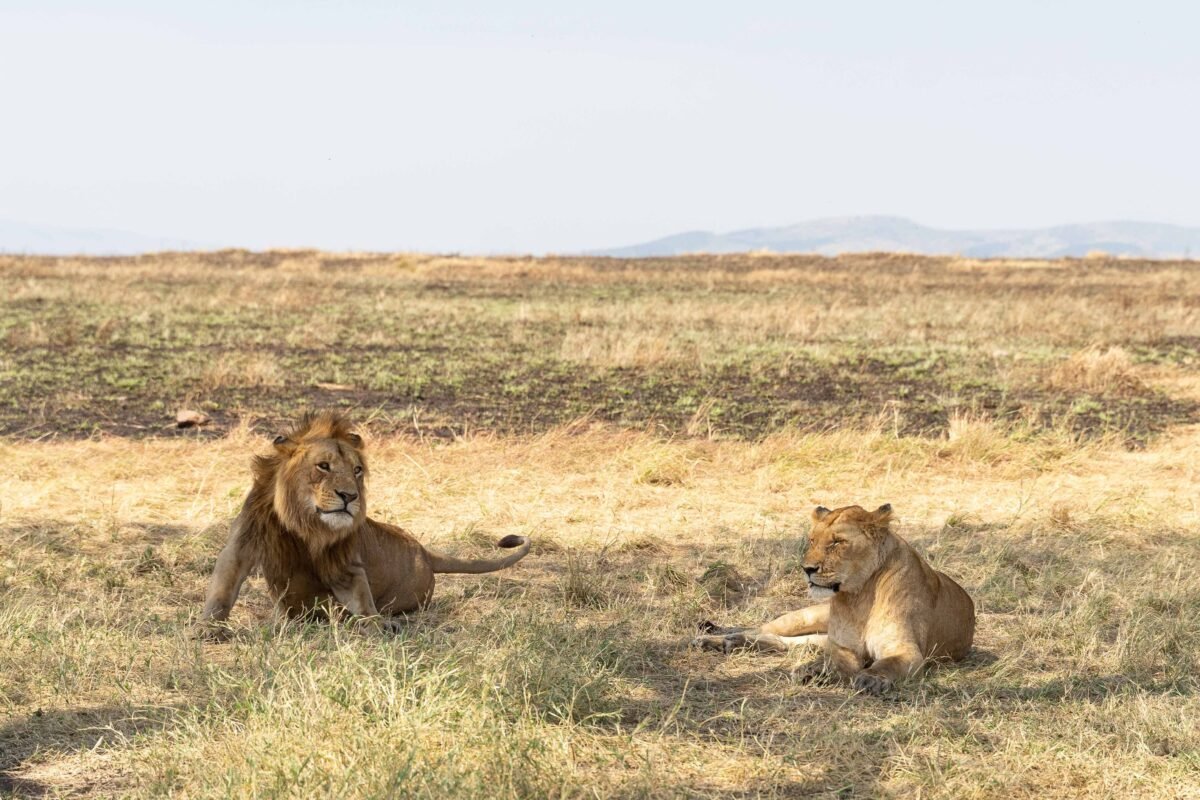
A Tanzania safari from Greece offers the opportunity to explore some of Africa’s finest wildlife destinations. From the vast plains of Serengeti National Park to the wildlife-rich Ngorongoro Crater, Tanzania provides excellent opportunities to observe animals in their natural habitats.
Greek travellers can reach northern Tanzania through connecting international flights, with Kilimanjaro International Airport serving as a convenient arrival point for the northern safari circuit. A well-planned safari can include elephants in Tarangire, lions in the Serengeti, and large concentrations of wildlife inside the Ngorongoro Crater.
This guide explains how to travel from Greece to Tanzania, which national parks to consider, when to visit, what entry requirements apply and how to organise a safari itinerary. It also explores combining a wildlife holiday with a beach stay in Zanzibar.
Why Choose Tanzania for Your Safari Holiday?
Tanzania is one of Africa’s leading safari destinations. Its national parks protect extensive landscapes, supporting elephants, lions, leopards, buffaloes, giraffes, zebras and numerous other species.
For Greek travellers, Tanzania offers a different type of holiday from a conventional European city break. Days can be spent exploring wildlife areas with a professional guide, while evenings are enjoyed at safari lodges or tented camps.
The country also offers several distinct safari experiences.
The Serengeti is famous for its open plains and annual wildebeest migration. Ngorongoro provides a different landscape, with wildlife living within and around a large volcanic caldera. Tarangire is particularly known for its elephants and baobab trees.
Travellers can also combine these destinations with Zanzibar, creating a holiday that includes wildlife viewing and time beside the Indian Ocean.
How to Travel from Greece to Tanzania
Travelling from Greece to Tanzania normally involves at least one international connection.
Athens International Airport is the main departure point to consider. Greek travellers can search for flights to Kilimanjaro International Airport (JRO), which provides convenient access to Arusha and the northern Tanzania safari circuit.
Connecting options may include routes through Doha, Addis Ababa and Istanbul, depending on the airline and travel dates. Check current schedules before booking.
Which airport should you use?
Your arrival airport should depend on the destinations included in your itinerary.
Kilimanjaro International Airport is generally the most practical choice for a northern circuit safari covering Arusha, Tarangire National Park, Lake Manyara National Park, Ngorongoro Conservation Area and Serengeti National Park.
Julius Nyerere International Airport in Dar es Salaam is another option, particularly for travellers visiting southern Tanzania.
Zanzibar International Airport is suitable for visitors beginning their holiday on Zanzibar Island or travelling there after their safari.
Before purchasing flights, check the arrival time and transfer arrangements. Arriving in the evening may require an overnight stay before beginning the safari.
Planning your international connection
When booking from Greece, consider the following:
- Allow sufficient connection time between international flights.
- Check whether your luggage is transferred automatically between airlines.
- Confirm baggage allowances, particularly if carrying photography equipment.
- Check transit visa requirements for your connection country.
- Avoid scheduling a long game drive immediately after an overnight international journey.
A carefully planned arrival makes the first safari day more comfortable.
Do Greek Citizens Need a Visa for Tanzania?
Yes. Greek passport holders need a visa for tourism in Tanzania.
The Tanzania Immigration Department lists Greece among the nationalities eligible for both online visa applications and visa-on-arrival facilities. Applying through the official eVisa portal before departure is a practical option.
The ordinary single-entry tourist visa currently costs USD 50 and allows a stay of up to 90 days, subject to immigration conditions.
Passport and visa requirements
According to Tanzania Immigration, visitors should have:
- A passport valid for at least six months.
- At least one unused visa page.
- A return or onward ticket.
- The appropriate visa or visa approval.
- Supporting documents required for their application.
Immigration regulations can change, so travellers should check the official requirements before departure.
Official application portal: https://visa.immigration.go.tz/
Mandatory inbound travel insurance
An additional requirement applies to foreign visitors entering mainland Tanzania.
From 1 October 2026, Tanzania introduced mandatory inbound travel insurance for eligible foreign visitors, subject to applicable exemptions. The National Insurance Corporation (NIC) provides this cover.
The published adult premium is USD 44 per person. The cover includes specified emergency medical expenses, evacuation, repatriation and luggage protection. It is valid for up to 92 days, subject to policy conditions.
Travellers should obtain the insurance through the official NIC inbound insurance portal and read the policy conditions.
Zanzibar also has its own inbound insurance arrangements. Visitors combining mainland Tanzania with Zanzibar should check the applicable requirements for their itinerary.
Best National Parks to Visit on a Tanzania Safari
Tanzania has several national parks and conservation areas, each offering different wildlife and landscape experiences.
For Greek travellers visiting for the first time, the northern circuit is a particularly practical starting point.
Serengeti National Park
Serengeti National Park is one of Africa’s most recognised wildlife destinations. Its extensive grasslands and woodland habitats support large populations of grazing animals and predators.
The park is particularly associated with the Great Wildebeest Migration, an annual movement involving wildebeest, zebras and other grazing animals.
The migration follows a continuous cycle across the Serengeti ecosystem and into Kenya’s Maasai Mara. Its location changes according to rainfall, grazing conditions and the availability of water.
Visitors can look for:
- Lions resting or hunting across the plains.
- Cheetahs in open grassland.
- Leopards in woodland areas.
- Elephants and giraffes.
- Large groups of wildebeest and zebras.
- Hyenas and other predators.
Central Serengeti is an important wildlife-viewing area throughout the year. However, travellers interested in migration activity should select their accommodation according to the expected seasonal location of the herds.
A river crossing is a natural event and cannot be guaranteed. The timing and exact location can change.
Ngorongoro Conservation Area
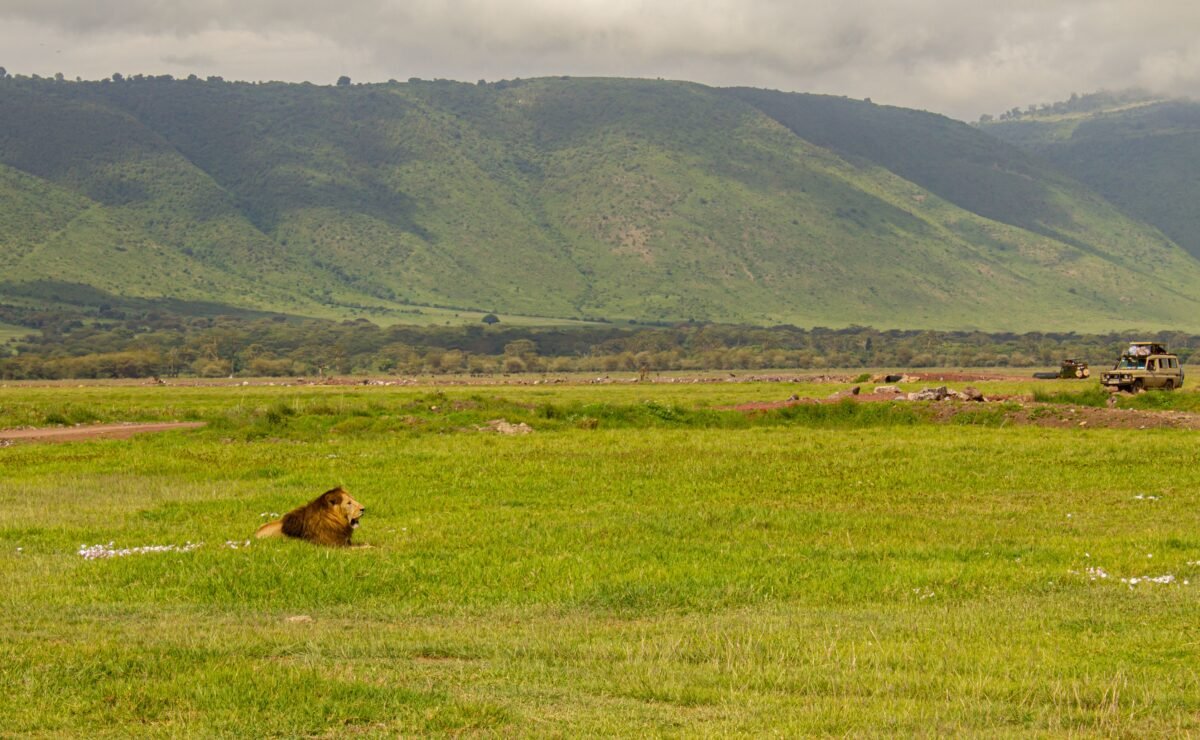
Ngorongoro Conservation Area is famous for its large volcanic crater, which forms one of Tanzania’s most distinctive wildlife environments.
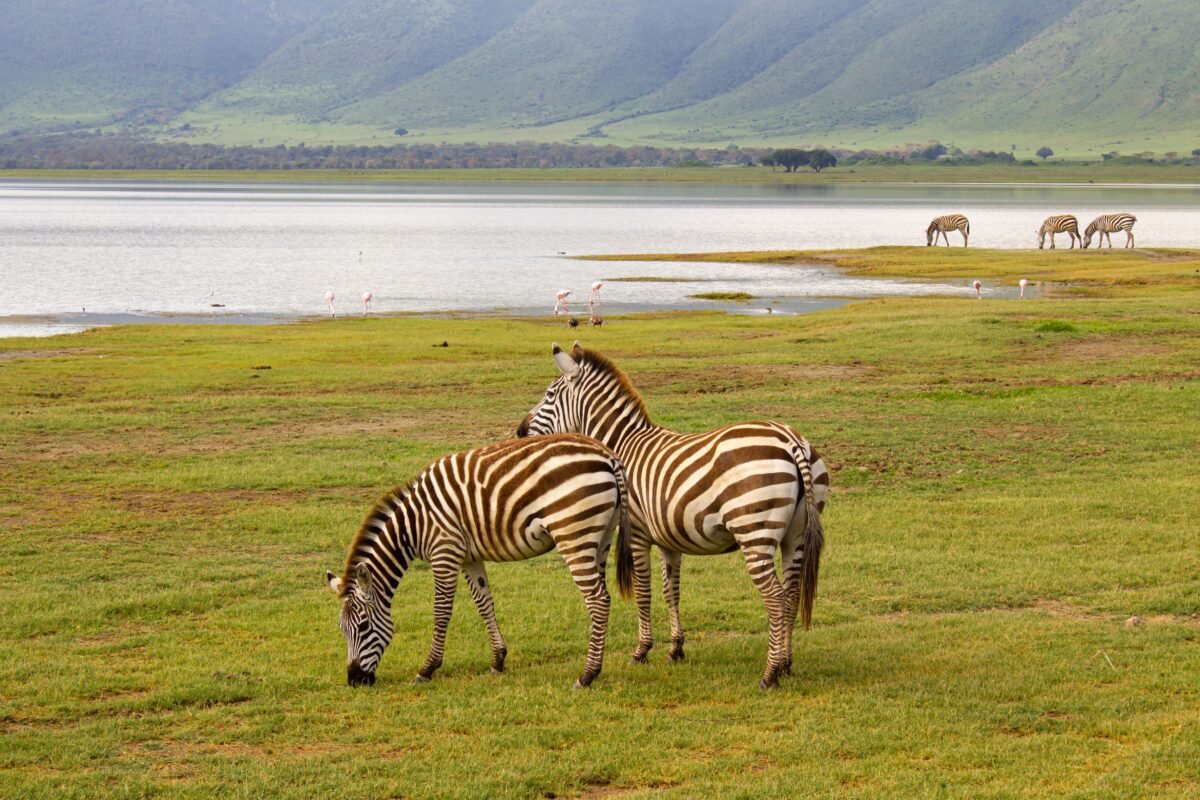
The crater offers opportunities to see several large mammal species within a relatively concentrated area. Its grasslands, wetlands, woodland and water sources support a range of wildlife.
Possible sightings include:
- African elephants.
- Lions.
- Buffaloes.
- Zebras.
- Wildebeest.
- Spotted hyenas.
- Flamingos and other birds.
Black rhinos also inhabit the conservation area, although sightings are never guaranteed.
The crater is particularly useful for travellers with limited time who want to explore a varied wildlife environment within one main safari destination.
The Ngorongoro Conservation Area also has cultural significance. Maasai communities live within the wider conservation landscape, and cultural experiences can be arranged respectfully through appropriate local operators.
Official visitor information: https://www.ngorongorocrater.org/
Tarangire National Park
Tarangire National Park is known for its elephants, baobab trees and seasonal wildlife concentrations.
The Tarangire River is an important water source, particularly during the dry season. As other water sources become less available, wildlife may concentrate around the river and its surrounding areas.
Visitors can encounter large elephant groups, giraffes, zebras, wildebeest, buffaloes, lions and numerous bird species.
Tarangire is an excellent addition to a northern Tanzania safari, particularly for travellers interested in elephants and landscapes that differ from the Serengeti plains.
Lake Manyara National Park
Lake Manyara National Park offers a different environment, with groundwater forests, open woodland, grassland and a large alkaline lake.
The park is associated with tree-climbing lions, although these animals are not guaranteed sightings.
It is also an important birdwatching destination. Flamingos and other waterbirds can be found around the lake when conditions are suitable.
The park supports more than 400 bird species. Its habitats also support elephants, buffaloes, baboons and several other mammals.
Lake Manyara can be included in a northern circuit itinerary, although the available time should be considered before adding another destination.
Best Time to Visit Tanzania from Greece
Tanzania can be visited throughout the year. However, the best travel period depends on the wildlife experiences you want to prioritise.
The northern circuit has different seasonal advantages, particularly when planning around the Great Migration.
June to October: Dry season
The dry season is a popular period for wildlife safaris.
Vegetation becomes less dense in many areas, and animals may gather around remaining water sources. This can make wildlife easier to observe.
July to September is particularly popular with travellers hoping to see wildebeest and zebras around the northern Serengeti and Mara River.
However, the migration does not follow an exact timetable. Travellers should avoid choosing a safari solely because of a predicted river-crossing date.
November to March: Green season
The green season brings changing landscapes and different wildlife opportunities.
The short rains generally begin around November, although rainfall patterns vary.
January and February are particularly interesting for travellers interested in the wildebeest calving period in the southern Serengeti. Newborn calves also attract predators, creating opportunities to observe natural wildlife behaviour.
This period can be attractive for photography and birdwatching.
April and May: Long rainy season
April and May generally experience heavier rainfall.
Some roads can become difficult to navigate, and wildlife viewing conditions may be less predictable.
However, the landscape becomes green, and fewer visitors may be travelling in some areas.
Travellers considering these months should discuss road conditions, lodge availability and itinerary flexibility before booking.
How Many Days Do You Need for a Tanzania Safari?
A good Tanzania safari should allow enough time to explore the selected parks without spending most of the holiday travelling between destinations.
For a first visit, seven to ten days is a useful planning range for a northern circuit safari.
A shorter trip can still provide excellent wildlife experiences, but it requires careful destination selection.
Five-day Tanzania safari
A five-day itinerary could include:
- Arrival and overnight stay in Arusha.
- Tarangire National Park.
- Transfer towards the Serengeti.
- Serengeti game drives.
- Ngorongoro Crater exploration and departure.
This option suits travellers with limited holiday time. However, the long road transfers mean the itinerary needs careful planning.
Seven-day Tanzania safari
A seven-day safari provides more time in the main wildlife destinations.
A suggested route is:
- Day 1: Arrive at Kilimanjaro International Airport and transfer to Arusha.
- Day 2: Explore Tarangire National Park.
- Day 3: Travel towards Serengeti National Park with wildlife viewing along the way.
- Day 4: Full-day Serengeti game drive.
- Day 5: Continue wildlife exploration before travelling towards the Ngorongoro highlands.
- Day 6: Explore Ngorongoro Crater.
- Day 7: Return towards Arusha and depart.
This itinerary offers a combination of different habitats and wildlife experiences.
Ten-day Tanzania safari with Zanzibar
Travellers with more time can extend their safari with a Zanzibar beach holiday.
A possible arrangement includes seven days on safari and three days on Zanzibar.
After exploring the Serengeti, Tarangire and Ngorongoro, travellers can take a flight to Zanzibar for coastal activities.
Zanzibar offers opportunities for:
- Exploring Stone Town.
- Visiting spice farms.
- Snorkelling and marine excursions.
- Relaxing on the beaches.
- Discovering local Swahili culture.
The safari and beach combination works particularly well for couples and travellers seeking different experiences during one holiday.
How Much Does a Tanzania Safari Cost?
The cost of a Tanzania safari from Greece depends on the length of the trip, accommodation category, number of travellers and selected destinations.
There is no single price that applies to every safari.
The main cost components include:
- International flights from Greece.
- Accommodation in Arusha and safari destinations.
- Private safari vehicle and professional guide.
- National park and conservation fees.
- Meals and drinking water.
- Airport transfers.
- Domestic flights, where required.
- Travel insurance and applicable entry charges.
Accommodation has a particularly important influence on the overall budget.
Budget camping safaris generally have different costs from comfortable mid-range lodges and luxury tented camps.
The season also affects accommodation availability and pricing. Popular periods around the Great Migration can require earlier reservations.
For an accurate quotation, travellers should compare what each package includes. A cheaper advertised price may exclude park fees, meals, transfers or other essential services.
Zamunda Travels can help travellers explore a suitable Tanzania itinerary based on their preferred accommodation and available travel budget.
Where to Stay During Your Tanzania Safari
Choosing accommodation is an important part of safari planning.
The location of a lodge can influence how much time is spent travelling between accommodation and wildlife-viewing areas.
In Arusha, travellers can choose from hotels and lodges suitable for overnight stays before or after their safari.
In Tarangire, accommodation options include lodges and tented camps around the park and its surrounding areas.
Serengeti offers accommodation in different regions, including central Serengeti and seasonal camps in other parts of the ecosystem.
For Ngorongoro, travellers can consider lodges around the crater highlands and Karatu.
When selecting accommodation, consider:
- Distance from the intended wildlife-viewing area.
- Private bathroom facilities.
- Meal arrangements.
- Vehicle access and road conditions.
- Seasonal location of tented camps.
- Whether park or concession charges are included.
For travellers interested in the Great Migration, accommodation location deserves particular attention. Staying in the wrong region can mean spending unnecessary hours travelling to find the herds.
What Should Greek Travellers Pack for Tanzania?
Packing for a safari requires preparation because temperatures and conditions can vary between destinations.
Early morning game drives can be cool, while afternoons in open wildlife areas may be warm.
Recommended items include:
- Lightweight, neutral-coloured clothing.
- A warm jacket for early mornings.
- Comfortable walking shoes.
- A sun hat and sunglasses.
- Sunscreen.
- Insect repellent.
- Binoculars.
- A camera and spare batteries.
- Personal medication.
- A small daypack.
A soft-sided travel bag can also be useful when domestic flights are included, as luggage restrictions may differ between airlines.
Photography enthusiasts should consider bringing additional memory cards and equipment protection against dust.
Health, Safety and Travel Insurance
Travellers should arrange suitable medical and travel preparations before leaving Greece.
Yellow fever vaccination requirements depend on the traveller’s previous travel history and transit arrangements. Tanzania requires proof of vaccination for eligible travellers arriving from countries with yellow fever transmission risk. Transit through a risk country for more than 12 hours can also trigger the requirement.
Greek travellers should consult a travel-health professional before departure about recommended vaccinations, malaria prevention and other health precautions.
It is also important to arrange comprehensive personal travel insurance. The mandatory Tanzanian inbound insurance should not automatically be treated as a replacement for a policy covering trip cancellation, personal belongings and other individual travel needs.
During a safari, visitors should follow their guide’s instructions, remain inside the vehicle unless authorised to leave and maintain a respectful distance from wildlife.
Game drives take place in natural environments. Wildlife sightings cannot be guaranteed, and animals should never be approached or disturbed for photographs.
Check current travel advice from the Greek Ministry of Foreign Affairs before departure: https://www.mfa.gr/en/
Why Plan Your Tanzania Safari with Zamunda Travels?
Planning a safari involves more than selecting national parks. The route, accommodation, travel dates and wildlife priorities all influence the overall experience.
Zamunda Travels Uganda Ltd organises East African safari holidays, with a focus on Uganda, Rwanda, Kenya and Tanzania.
For travellers interested in Tanzania, the company can help develop an itinerary around the northern safari circuit, including Serengeti, Ngorongoro and Tarangire.
Travellers can also discuss combinations involving other East African destinations, depending on their available time and travel preferences.
Whether you are planning a private wildlife safari, a photography-focused trip or a longer East African holiday, the starting point is choosing an itinerary that matches your expectations.
Planning Your Tanzania Safari from Greece
A Tanzania safari from Greece offers a chance to experience some of Africa’s most important wildlife destinations.
Serengeti provides opportunities to explore the Great Migration ecosystem, Ngorongoro offers concentrated wildlife viewing, and Tarangire introduces visitors to a different landscape dominated by baobabs and elephants.
The best itinerary depends on your travel dates, budget and wildlife interests. Allow enough time for the parks, choose accommodation carefully and confirm entry requirements before departure.
With proper planning, Greek travellers can combine Tanzania’s wildlife destinations into a rewarding African holiday, with the option of extending the trip to Zanzibar.
For assistance planning your safari, contact:
Zamunda Travels Uganda Ltd | www.zamundatravels.com | info@zamundatravels.com | WhatsApp +256 704 705 606 | Beyond Expedition
Frequently Asked Questions
1. Can Greek citizens travel to Tanzania without a visa?
No. Greek citizens require a visa for tourism in Tanzania. Greece is eligible for both online visa applications and visa on arrival. The ordinary single-entry tourist visa currently costs USD 50, subject to immigration conditions. Applying through the official eVisa portal before departure is advisable.
2. Are there direct flights from Greece to Tanzania?
Current Athens–Kilimanjaro flight information does not show a direct scheduled service. Travellers can consider connecting flights through Doha, Addis Ababa or Istanbul, depending on airline schedules. Check the available connections and total journey time before purchasing tickets.
3. What is the best month for a Tanzania safari?
The best month depends on your wildlife interests. July to September is popular for the northern Serengeti migration and potential Mara River crossings. January and February are particularly interesting for wildebeest calving in the southern Serengeti. Wildlife viewing remains possible outside these periods.
4. How many days are enough for a Tanzania safari?
Seven days is a useful starting point for exploring Tarangire, Serengeti and Ngorongoro. Five days can work for a shorter northern circuit, although transfers require careful planning. Travellers wanting to include Zanzibar should consider extending their holiday to around ten days or longer.
5. Can I combine a Tanzania safari with Zanzibar?
Yes. Travellers can explore the northern safari circuit before flying to Zanzibar. A combination of seven safari days and three beach days is one possible arrangement. Remember to check Zanzibar’s separate inbound insurance requirements and arrange the appropriate transfers and flights.
6. Is Tanzania suitable for first-time African safari travellers?
Yes. Tanzania offers established safari destinations, accommodation options and organised game drives. First-time visitors can start with the northern circuit, which includes Serengeti, Ngorongoro and Tarangire. A private guided safari can also make it easier to adjust the route around personal interests and available time.