Is Lake Mburo National Park Worth Visiting?
September 24, 2026
Things to Do in Kidepo Valley National Park
September 25, 2026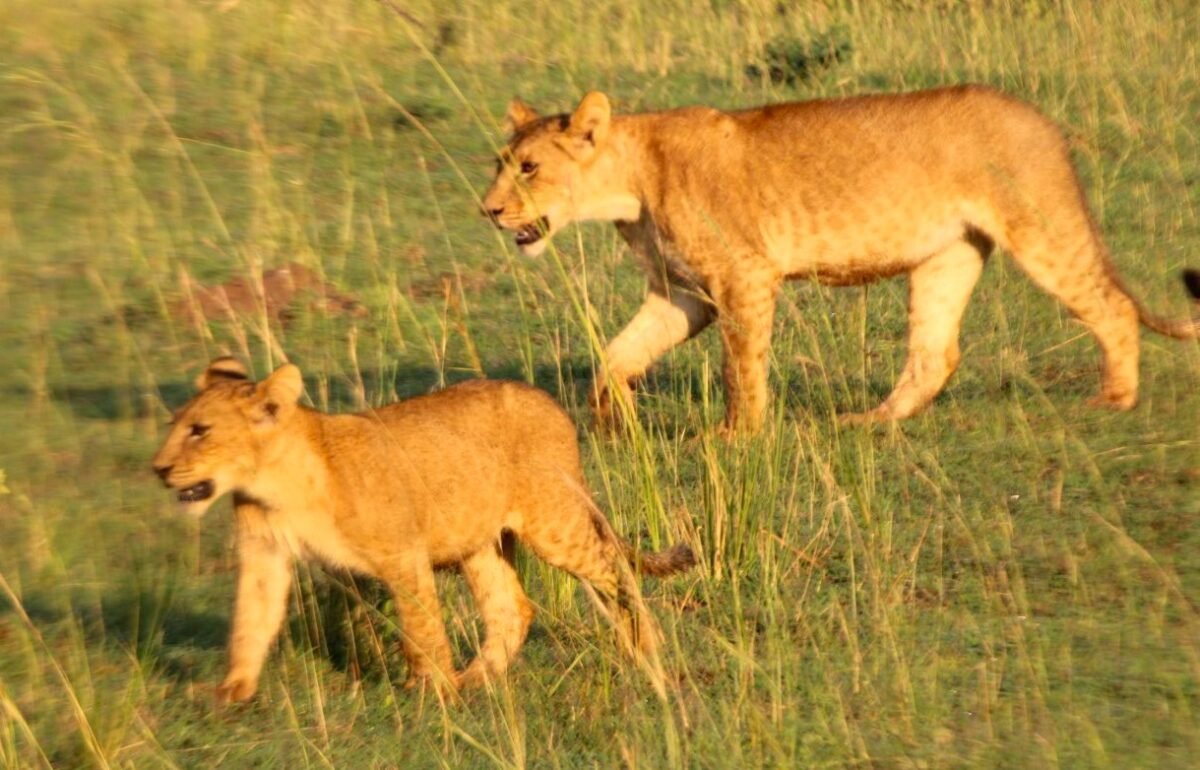
Kidepo Valley National Park sits in the far northeastern corner of Uganda, tucked between the Karamoja region and the borders of South Sudan and Kenya. Travelers who work with Zamunda Travels often ask one question before anything else: when should they go? The answer shapes everything else about the trip, from the wildlife they will see to the roads they will drive and the birds they will hear at dawn. This guide breaks down the seasons, month by month, so that anyone planning a safari with Zamunda Travels can choose dates that match what they actually want from the park.
Understanding the Climate Before You Choose the Best Time to Visit Kidepo
Kidepo sits in a semi-arid zone, and its weather behaves differently from the rest of Uganda. Most regions in the country experience two distinct wet seasons, but Kidepo only has one. The dry season runs from September through March, while the single wet season stretches from April to August. Temperatures swing widely across the day. Afternoons often reach around 29°C, mornings can drop to 17°C, and the hottest stretches of the year can push past 40°C. January and February bring the sharpest heat, with daytime readings near 32°C and cooler mornings around 18°C. Zamunda Travels always recommends packing layers, because a chilly sunrise game drive can turn into a hot midday walk within a few hours.
Because the park never truly closes, guests can technically show up in any month and still find something worth seeing. However, the experience changes dramatically depending on rainfall, grass height, and how far the animals wander from permanent water sources. Understanding this rhythm is the real key to choosing the best time to visit Kidepo.
The Dry Season: The Best Time to Visit Kidepo for Wildlife
The dry season, spanning September through March, delivers the strongest wildlife viewing in the park. Water becomes scarce across the valley floor, and animals abandon the wider bush in favor of the few reliable sources that remain. The middle and later stretch of the dry season, roughly November through February, tends to reward visitors the most, since herds concentrate tightly around dependable water points during these weeks. Zamunda Travels guides frequently point clients toward the southern Narus Valley during this period, since it holds some of the only permanent water in the park and pulls in lions, elephants, giraffes, zebras, and buffalo in large numbers.
Even within the dry season, conditions shift from month to month. September, October, and November generally offer the most comfortable weather, while December through February brings drier air, dustier roads, and higher heat. The upside of that harsher stretch is simple: thirst drives animals toward the same handful of waterholes, and sightings become almost guaranteed. Zamunda Travels often books this window for guests whose main goal is ticking off big cats, elephants, and rare species found nowhere else in Uganda, since the park’s dry grasslands expose wildlife that thick vegetation would otherwise hide.
Why December to February Suits Serious Game Viewing
This three-month stretch is not comfortable in the traditional sense. Dust rises from the tracks, the sun bears down hard by mid-morning, and shade becomes precious. Yet these same harsh conditions are exactly what makes the wildlife easier to find. Water sources dry up almost everywhere except a few permanent wetlands in the southern Narus Valley, and animals gather there out of necessity rather than choice. Guides working with Zamunda Travels use this predictability to plan tighter, more efficient game drives, since they already know where the action will unfold.
The Wet Season: A Quieter Way to Experience Kidepo
The wet season lasts from April through August and brings a gentler version of the park. Rain softens the heat, green grass spreads across the valley, and the harsh dust of the dry months disappears. Wildlife does not vanish during these weeks; it simply spreads out. Animals move away from the valley floor and climb toward higher, cooler ground, which makes them a little harder to track down but never impossible to find. Zamunda Travels still runs safaris through this period for guests who prioritize scenery, solitude, and lower crowds over guaranteed sightings.
Birders, in particular, should take this season seriously. Migratory species arrive in strong numbers during the wet months, and birdwatching reaches its peak at this time of year. The light rainfall rarely interrupts activities for long, and it clears the air of dust while adding a fresh, layered green to the landscape that photographers tend to love. Zamunda Travels pairs this season with birding-focused itineraries, since the combination of resident and migratory species turns even a short walk into a rewarding outing.
Shoulder Months That Balance Both Worlds
Travelers who cannot decide between dry-season drama and wet-season calm often land on the shoulder periods instead. April and November sit at the edges of the two main seasons and offer a quieter, more intimate experience with fewer vehicles on the tracks and softer light for photography. Zamunda Travels recommends these months to guests who want a genuine wilderness feel without competing for space at popular viewpoints.
Choosing the Best Time to Visit Kidepo Based on Your Priorities
Every traveler weighs the seasons differently, so the right answer depends on personal goals rather than a single universal date. Someone chasing lions and elephants against a dusty, golden backdrop should lean toward December through February. Someone chasing dramatic bird lists and quiet trails should lean toward the wet months instead. Zamunda Travels builds each itinerary around this exact trade-off, matching flights, lodge bookings, and driving routes to whichever priority the guest names first.
Budget also plays a role. Lodge and camp prices often drop during the rainy months, since fewer travelers book during that window. Peak season, covering December through March and June through September, brings higher lodge rates and busier tracks, so booking ahead becomes essential. Zamunda Travels advises clients to reserve accommodation early regardless of season, since Kidepo’s remote location means room inventory stays limited even during quieter months.
Practical Tips From Zamunda Travels Before You Book
Getting to Kidepo takes commitment no matter the month chosen. The park sits far from Uganda’s main tourist circuit, and reaching it by road can take a full day from Kampala, while flights depend heavily on weather conditions. Zamunda Travels handles this logistics puzzle directly, coordinating charter flights or 4×4 road transfers depending on the season and the client’s schedule. Cash matters here too, since ATMs do not exist inside the park, so Zamunda Travels always reminds guests to carry Ugandan shillings before departure. Fuel and other supplies should also be secured in towns such as Gulu or Kitgum before heading into the remote stretch that leads to the park gates.
Final Thoughts on Timing Your Kidepo Safari
There is no single wrong month to visit this park, only a better fit for what each traveler wants to experience. Wildlife enthusiasts chasing predictable sightings should target the dry season, especially the December to February stretch when animals cluster around scarce water. Birders and scenery lovers should aim for the wet season instead, when migratory species fill the skies and the valley turns a deep green. Whichever window fits best, Zamunda Travels can tailor the route, the lodges, and the pace of the safari to match it, turning a remote corner of Uganda into one of the most memorable stops on any traveler’s itinerary.