Where to Buy Authentic Rwandan Souvenirs
August 25, 2026
20 Things to Do in Kigali, Rwanda
August 26, 2026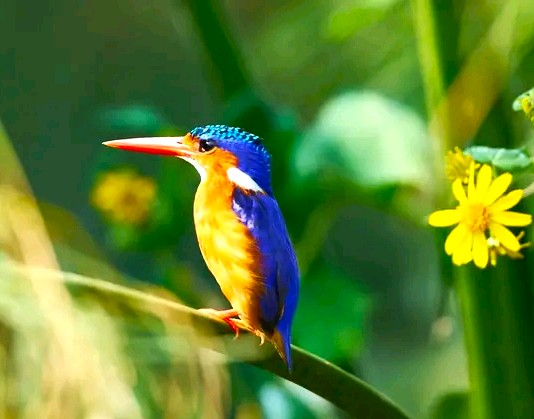
Rwanda is one of Africa’s most rewarding destinations for bird lovers. The country may be small, but its varied landscapes support an impressive range of birdlife. Forests, wetlands, lakes, mountains, savannahs, and cultivated landscapes create different habitats for many species. For this reason, birdwatching in Rwanda can form a major part of a safari rather than a short activity between other attractions.
Rwanda also sits within the Albertine Rift. This region is known for exceptional biodiversity and a high number of restricted-range species. The country has more than 700 recorded bird species. Several important birding areas are spread across the country. These include Nyungwe National Park, Akagera National Park, Volcanoes National Park, Rugezi Swamp, and other wetland areas.
For travellers planning a wildlife holiday, this diversity creates many opportunities. You can watch forest birds in Nyungwe. You can search for wetland species in Akagera. You can also look for Albertine Rift species around the Virunga mountains. Zamunda Travels can help travellers combine these experiences with gorilla trekking, chimpanzee tracking, wildlife safaris, and cultural activities.
Why Birdwatching in Rwanda Is Worth the Experience
Rwanda offers an unusual combination of habitats within a relatively small country. You do not need to travel huge distances to experience very different birding environments. A safari can move from mountain forests to open savannah. It can then continue toward lakes and papyrus wetlands. Each habitat brings a different group of birds.
The Albertine Rift is especially important for birders. It contains many species that have restricted ranges. Some of these species are difficult to find outside the region. Rwanda therefore attracts travellers who want more than common African birds. It offers the chance to search for forest specialists and regional endemics.
The country also makes a strong choice for beginners. You do not need to know hundreds of bird species before your trip. An experienced guide can help you identify birds by appearance and sound. Guides also understand local habitats. They know where certain species are likely to feed, call, or rest.
Another advantage is the opportunity to combine birding with other safari experiences. You can spend a morning looking for birds and an afternoon watching wildlife. You can also combine birding with a gorilla trekking adventure. This makes Rwanda particularly appealing to travellers with limited time.
Best Places for Birdwatching in Rwanda
Rwanda has several important birding locations. Each destination has its own character and specialties. Your choice should depend on the birds you want to see and the type of safari you prefer.
Nyungwe National Park
Nyungwe National Park is one of the most important birding destinations in Rwanda. The ancient rainforest covers a large mountainous area in the country’s southwest. Its forests support hundreds of bird species. The official Nyungwe tourism information lists about 322 species, including around 30 Albertine Rift endemics.
The forest environment creates a very different birding experience from Akagera. Thick vegetation can make some birds difficult to see. However, their calls can reveal their presence. This makes an experienced bird guide extremely valuable.
Among the species associated with Nyungwe are Rwenzori Turaco, Rwenzori Batis, Red-collared Mountain Babbler, Doherty’s Bushshrike, Handsome Francolin, Yellow-eyed Black Flycatcher, and several sunbirds.
Birders can explore different forest trails and roads. Areas around Uwinka and other forest routes can provide excellent opportunities. The canopy walkway can also offer a different perspective. Instead of looking up from the forest floor, visitors can observe the forest from higher in the canopy.
Nyungwe is also ideal for travellers who want a wider nature experience. You can combine birding with chimpanzee tracking. You can hike through the rainforest. You can visit waterfalls and experience the famous canopy walkway. Zamunda Travels can arrange these experiences as part of a broader Rwanda safari.
Akagera National Park
Akagera National Park provides a completely different birding environment. The park lies in eastern Rwanda. It contains savannah, woodland, lakes, wetlands, and papyrus swamps. These habitats support a large and varied bird population.
Visit Rwanda currently reports 490 bird species observed in Akagera. The park’s habitat diversity makes it possible to build a strong bird list during a relatively compact safari.
Akagera is particularly attractive to birders searching for wetland and savannah species. The park is known for species such as the Red-faced Barbet, Papyrus Gonolek, White-winged Swamp Warbler, Carruthers’s Cisticola, and Grey-crowned Crane.
The park also offers opportunities to see large waterbirds. Shoebills are among the most exciting possibilities for serious birders. However, sightings are never guaranteed. Birdwatching depends on habitat, weather, season, and bird behaviour.
Akagera is also a strong choice for travellers who want a traditional safari. You can look for elephants, buffaloes, giraffes, zebras, antelopes, and predators. Boat trips can add another perspective. Birders can watch species around lakes and wetlands while enjoying the scenery.
Volcanoes National Park
Volcanoes National Park is best known for mountain gorilla trekking. However, the park also offers excellent birding opportunities. Its mountain forests and high-altitude habitats support several Albertine Rift species.
Birding in this area can produce sightings of species such as Rwenzori Turaco, Rwenzori Batis, Handsome Francolin, Lagden’s Bushshrike, and Kivu Ground Thrush. The forested mountain environment creates a strong contrast with the savannah landscapes of Akagera.
This makes Volcanoes National Park useful for travellers who want to combine activities. A visitor can spend one day tracking mountain gorillas. Another day can focus on birding and forest exploration. Golden monkey tracking can also form part of the same itinerary.
The mountainous terrain can make birding physically demanding. Some trails involve steep sections. Therefore, suitable footwear and reasonable fitness are useful. A local guide can also make the experience more productive.
Important Birding Areas to Explore in Rwanda
Rwanda has several Important Bird Areas beyond its major national parks. These locations include Rugezi Swamp, Akanyaru wetlands, Nyabarongo wetlands, and Cyamudongo.
Wetlands are especially important because they support species that may not occur in forest or savannah habitats. Papyrus ecosystems can attract specialised birds. Open water can also attract waterbirds and other species.
Rugezi Swamp is particularly interesting for birders who want a wetland experience. The area provides habitat for birds associated with marshes and highland environments. It also offers a different landscape from the country’s major safari parks.
Nyabarongo and Akanyaru wetlands can also add variety to a birding itinerary. These areas can work well for travellers who want to explore Rwanda beyond the main tourist circuit.
Birds to Look for During a Rwanda Safari
Rwanda offers a long list of species. Your exact sightings will depend on your destination and season. However, several birds are particularly interesting for birding enthusiasts.
Rwenzori Turaco
The Rwenzori Turaco is one of the spectacular forest birds associated with Rwanda’s Albertine Rift habitats. Its distinctive appearance makes it a favourite among birders. Nyungwe and the Volcanoes region are important places to search for this species.
Red-faced Barbet
The Red-faced Barbet is one of the notable birds associated with Akagera. Visit Rwanda identifies it as a sought-after species in the park. It can be particularly rewarding for birders building a Rwanda checklist.
Papyrus Gonolek
The Papyrus Gonolek is closely linked to papyrus wetlands. Akagera offers an important opportunity to search for this striking bird. Its specialised habitat makes wetland exploration an important part of a serious Rwanda birding trip.
Grey-crowned Crane
The Grey-crowned Crane is another memorable species to look for in Rwanda. Its elegant appearance makes it a favourite among photographers. Open grasslands and wetland areas can provide suitable viewing opportunities.
Shoebill
The Shoebill is one of Africa’s most famous birds. Its unusual appearance makes it a dream species for many birders. Akagera provides opportunities to search for this remarkable wetland bird. However, visitors should remember that wildlife sightings cannot be guaranteed.
Albertine Rift Endemics
Perhaps the greatest attraction for specialist birders is Rwanda’s Albertine Rift species. These birds have restricted distributions. Finding them can therefore become a major goal of a birding safari.
Nyungwe is especially important in this regard. The park supports around 30 species described as endemic to the Albertine Rift region.
When Is the Best Time for Birdwatching in Rwanda?
Birdwatching can be enjoyed throughout the year in Rwanda. However, different seasons can produce different experiences. Resident birds remain present throughout the year. Migratory birds can add more variety during particular periods.
The northern hemisphere winter can be an interesting period for birding. Migratory species may increase the diversity of birds seen in some habitats. At the same time, resident birds continue to provide excellent opportunities.
Rain can affect road conditions and walking trails. It can also influence bird behaviour. On the other hand, rainfall supports lush vegetation and active ecosystems. Therefore, there is no single month that suits every birder.
Your ideal travel period should depend on your target species. Zamunda Travels can help plan the route around your interests. This approach works better than choosing dates based only on general tourism seasons.
What to Carry for Birdwatching in Rwanda
Good equipment can make your birding experience much easier. Binoculars should be at the top of your packing list. They allow you to identify birds without approaching them too closely.
A camera with a suitable telephoto lens is useful for photography. However, bird photography requires patience. Many forest species remain high in trees or move quickly through vegetation.
A field guide can also help. A mobile birding application can provide additional information. You should also carry a notebook if you want to keep a personal checklist.
Comfortable hiking shoes are important. Forest trails can become slippery after rain. Lightweight clothing is useful in warm areas. A waterproof jacket can protect you during sudden showers.
In addition, carry drinking water, sunscreen, insect repellent, and a small backpack. Neutral clothing can help you remain less noticeable. Avoid loud colours and unnecessary noise when approaching wildlife.
Why You Need a Birding Guide in Rwanda
A professional guide can transform a normal walk into a productive birding experience. Birds often remain hidden from inexperienced observers. A guide may notice movement that you would otherwise miss.
Guides can also identify birds through their calls. This skill becomes particularly valuable in Nyungwe. Thick forest vegetation can make visual identification difficult. Experienced guides understand the habitats and behaviour of local species.
A guide also helps visitors follow responsible wildlife practices. You should avoid chasing birds. You should not disturb nests. You should keep a respectful distance from wildlife.
For international visitors, a guide can also simplify logistics. Zamunda Travels can arrange transportation, accommodation, park activities, and guiding services. This allows travellers to focus on the birding experience.
Combining Birdwatching With Other Rwanda Experiences
A Rwanda birding holiday does not need to focus only on birds. The country’s compact size makes combination trips practical. Travellers can add birding to a gorilla trekking itinerary. They can also include chimpanzee tracking and savannah game drives.
For example, you could begin in Kigali. You could then travel toward Akagera for savannah birding and wildlife viewing. From there, the journey could continue toward the Volcanoes region. After a gorilla trekking experience, you could travel to Nyungwe for specialist forest birding.
This type of itinerary gives you access to several ecosystems. It also reduces the risk of seeing only one type of bird habitat. Zamunda Travels can tailor the route according to your interests, available time, and preferred accommodation level.
Bird Photography in Rwanda
Rwanda provides excellent opportunities for bird photography. The country’s varied habitats create many photographic settings. Forest birds can produce dramatic images among green vegetation. Wetland birds can create strong reflections around lakes. Savannah species can provide open backgrounds.
Patience is essential. Birds rarely remain still for long periods. Photographers should avoid disturbing wildlife to obtain a photograph.
Early morning is often productive for bird activity. Light can also be softer during the early hours. A telephoto lens helps you photograph birds from a respectful distance.
Bird photography also requires ethical behaviour. Do not use excessive playback. Do not approach nests unnecessarily. Avoid actions that could change natural bird behaviour.
Birdwatching in Rwanda for Beginners
You do not need to be an expert to enjoy birdwatching in Rwanda. Beginners can start with common and easily recognisable species. Guides can then introduce more specialised birds.
A simple checklist can make the experience more engaging. Record the species, location, and date. You can also note interesting behaviour. Over time, this creates a personal record of your safari.
It is also helpful to learn a few bird families before travelling. Sunbirds, kingfishers, turacos, weavers, hornbills, and raptors are good groups to explore. Understanding their general features can make identification easier.
Most importantly, enjoy the process. You may not find every bird on your target list. That is normal. Birding involves patience, discovery, and unexpected encounters.
Responsible Birdwatching in Rwanda
Responsible tourism helps protect Rwanda’s bird habitats. Visitors should follow park rules and listen to their guides. They should avoid disturbing nesting birds and other wildlife.
Birders should also avoid leaving rubbish behind. Plastic and other waste can harm wildlife. Carry reusable water bottles when possible. Keep trails clean and respect protected areas.
Supporting local guides and conservation-focused tourism can also benefit communities. Tourism creates economic value around protected areas. In turn, this can strengthen support for conservation.
Zamunda Travels encourages travellers to enjoy Rwanda responsibly. The goal should be to observe wildlife without changing its natural behaviour. A good birding experience should leave the environment undisturbed.
How Zamunda Travels Can Organise Your Rwanda Birding Safari
Planning a successful birding trip requires more than selecting a destination. You need to consider habitats, transport, accommodation, guiding, and the species you want to target.
Zamunda Travels can create a personalised Rwanda safari around your interests. The itinerary can focus entirely on birds. Alternatively, birding can form part of a wider wildlife holiday.
A specialist itinerary can include Nyungwe for Albertine Rift forest species. It can include Akagera for savannah and wetland birds. Volcanoes can add mountain birding to a gorilla trekking adventure.
The route can also include Kigali and selected wetlands. This creates a broader view of Rwanda’s birdlife. The exact itinerary should depend on your travel dates and target species.
Final Thoughts on Birdwatching in Rwanda
Rwanda offers much more than gorilla trekking and traditional wildlife safaris. Its forests, wetlands, mountains, lakes, and savannahs create excellent conditions for birding. The country also sits within the biologically rich Albertine Rift.
Nyungwe is particularly important for forest species and Albertine Rift endemics. Akagera provides a different experience with wetlands, lakes, woodland, and savannah. Volcanoes adds high altitude forest birding to the country’s attractions. Other wetlands provide even more opportunities.
For both beginners and experienced birders, birdwatching in Rwanda can become one of the highlights of an African safari. With good planning, an experienced guide, and enough time, you can discover a remarkable variety of species.
If you want to explore Rwanda’s birdlife while enjoying gorilla trekking, chimpanzee tracking, wildlife viewing, or cultural experiences, Zamunda Travels can help design a personalised Rwanda safari around your interests.