Wildlife in Akagera National Park
October 13, 2026
Akagera National Park vs Volcanoes National Park: Which Rwanda Safari Is Best?
October 13, 2026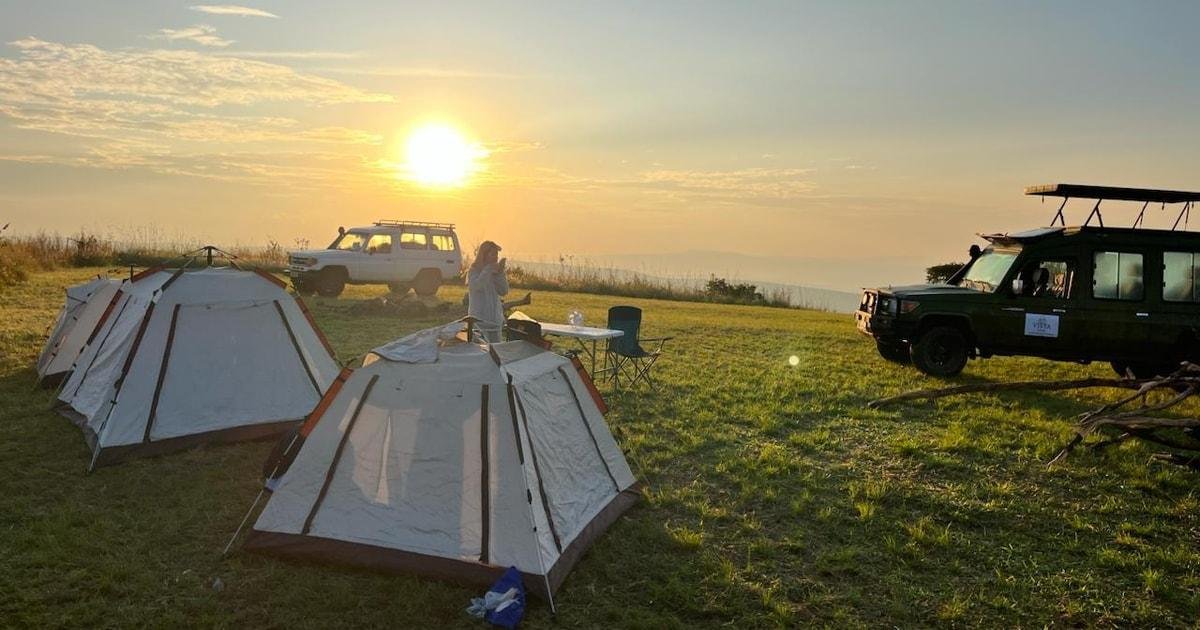
Camping in Akagera National Park offers an unforgettable way to explore Rwanda’s wilderness. Imagine waking up to birdsong, distant hippo calls, and beautiful African sunrises. Beyond the comfort of traditional safari lodges, camping brings travelers closer to nature.
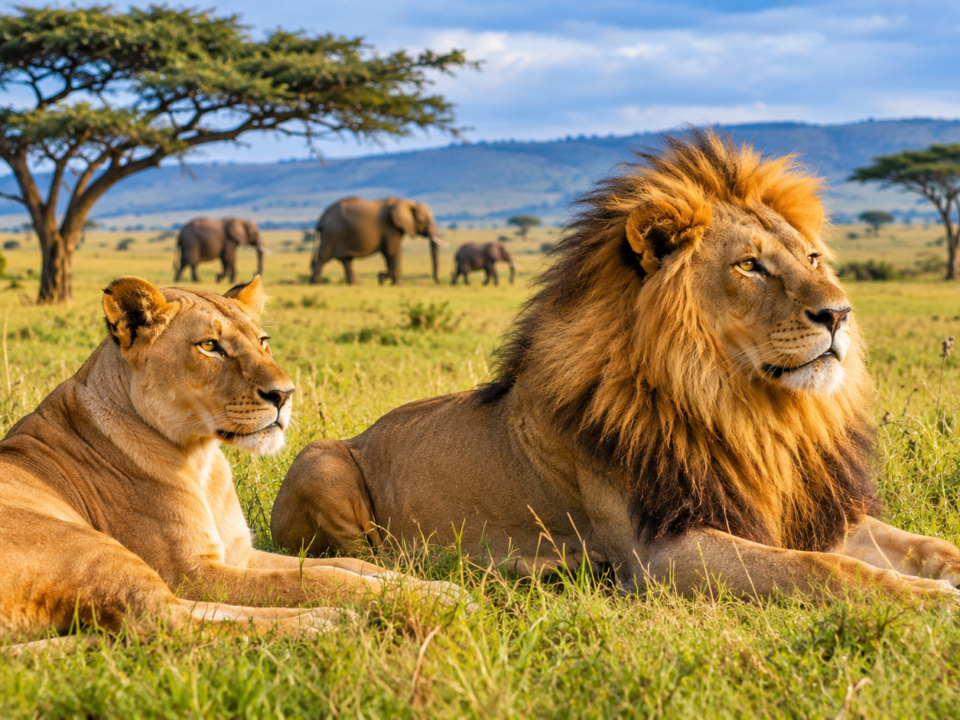
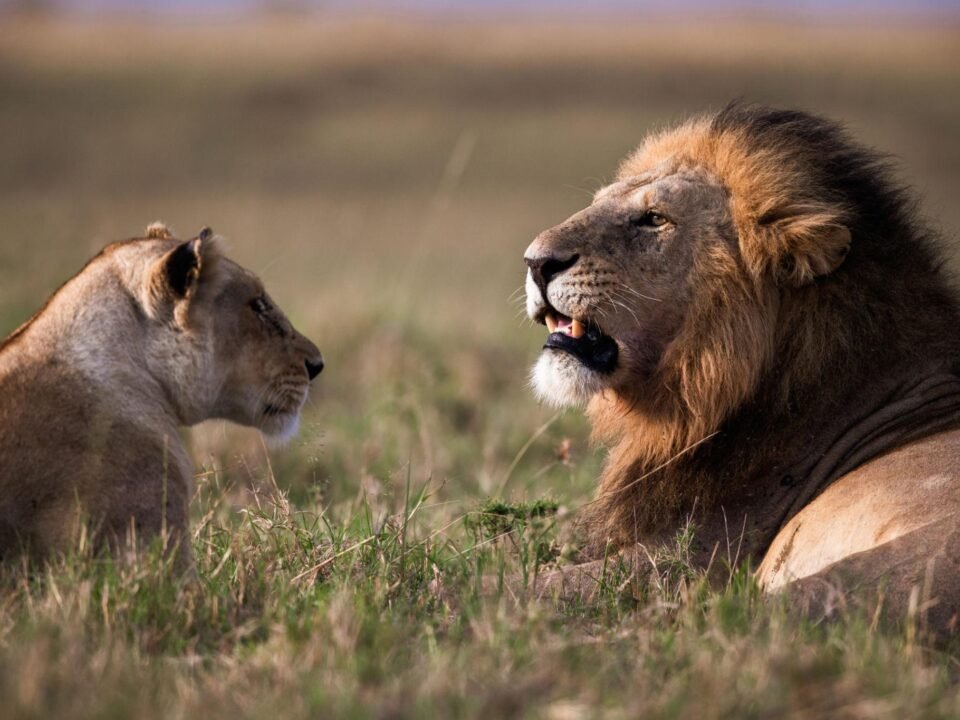
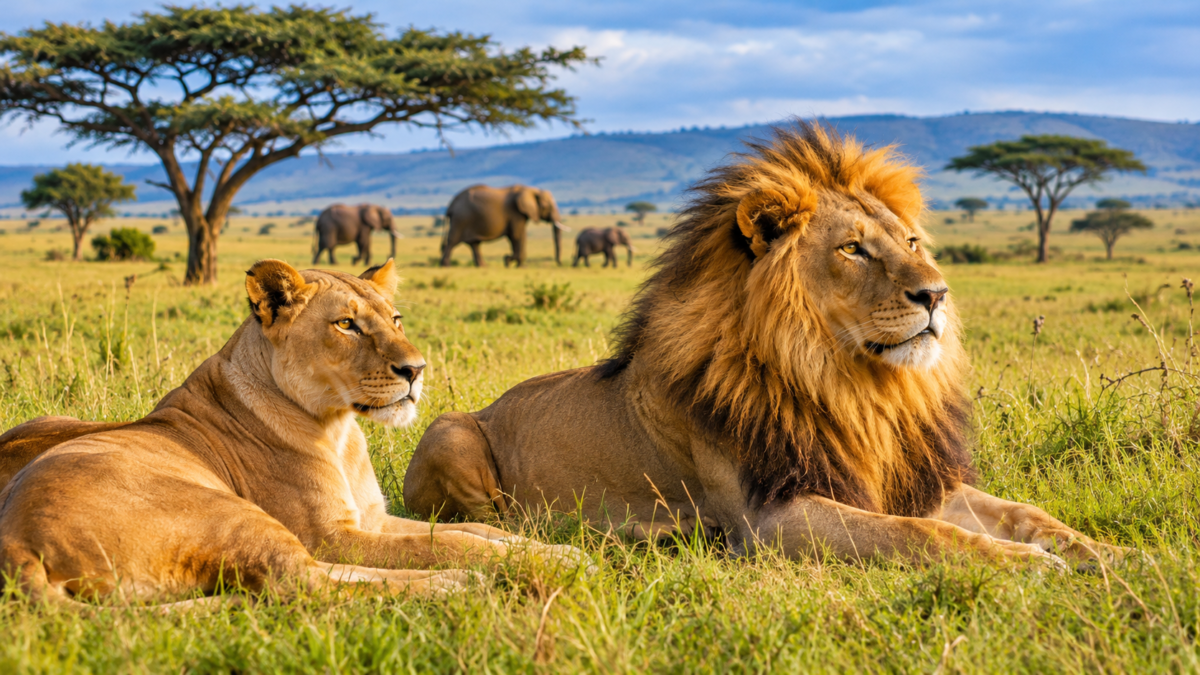
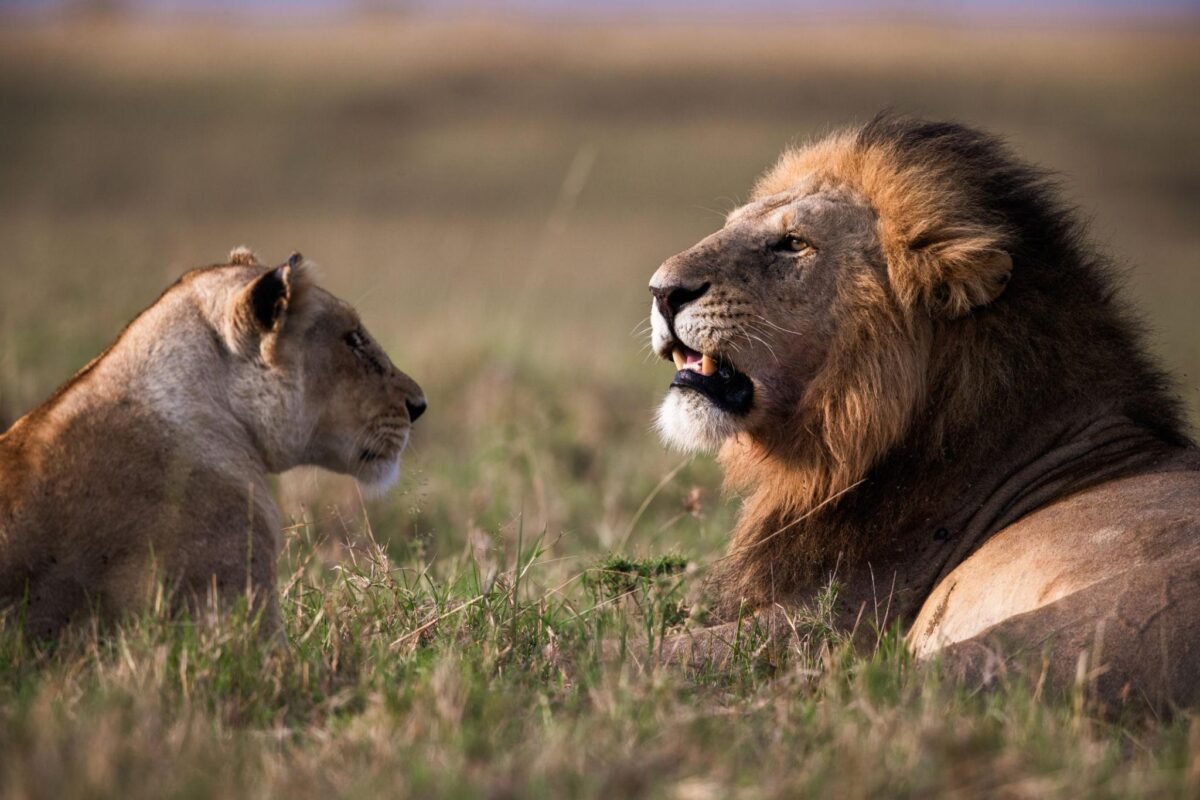
Located in eastern Rwanda, Akagera National Park is famous for its savannah landscapes, lakes, wetlands, and diverse wildlife. The park protects lions, elephants, buffaloes, leopards, rhinos, giraffes, zebras, and hundreds of bird species.
Moreover, camping provides an affordable alternative to luxury safari accommodation. Visitors can spend their evenings beneath the stars while enjoying the sounds of the African wilderness.
Whether you prefer lakeside camping or scenic hilltop views, Akagera offers several excellent options. This guide explores the campsites, available facilities, camping costs, wildlife experiences, and essential safety tips.
With Zamunda Travels Uganda Ltd, travelers can organize memorable camping safaris across Rwanda. Our team helps visitors plan transport, accommodation, game drives, and other safari activities.
Why Choose Camping in Akagera National Park?
Camping in Akagera National Park offers an authentic African safari experience without requiring luxury accommodation. Instead of sleeping inside a traditional hotel, visitors enjoy the peaceful atmosphere of the wilderness.
The park covers approximately 1,200 square kilometers along Rwanda’s eastern border with Tanzania. Its landscapes include rolling hills, open grasslands, woodlands, lakes, and extensive wetlands.
As a result, Akagera offers some of Rwanda’s most varied wildlife habitats.
Experience the African Wilderness
One of the greatest rewards of camping is experiencing nature after sunset.
During the evening, campers may hear hippos calling from nearby lakes. Birds settle into the surrounding trees, while nocturnal animals become active.
At sunrise, the dawn chorus creates a memorable start to the day. Consequently, even quiet moments around the campsite become part of the safari experience.
Enjoy Affordable Safari Accommodation
Camping can reduce accommodation costs compared with luxury safari lodges. This makes it attractive for budget travelers, photographers, adventurous couples, and small groups.
However, travelers should remember that campsite charges and park entrance fees are separate.
Spend More Time Exploring Wildlife
Staying inside Akagera allows visitors to explore the park across several days. Therefore, campers can enjoy early morning game drives without commuting from accommodation outside the park.
They can also arrange boat safaris, birdwatching excursions, and other activities.
Best Campsites in Akagera National Park
Akagera National Park currently offers four official campsites: Muyumbu, Shakani, Mutumba, and Mihindi.
Each campsite provides a different experience. Some offer spectacular viewpoints, while others provide lakeside scenery or access to northern wildlife areas.
The official park website confirms these four locations and their basic facilities.
1. Muyumbu Campsite – Best for Sunrise Views
Muyumbu Campsite sits on a scenic ridge overlooking Lake Ihema and the surrounding landscape.
Its elevated location offers beautiful views toward Tanzania. Moreover, the campsite is particularly attractive during sunrise.
Visitors can enjoy the changing colors of the sky before beginning their morning safari.
Muyumbu lies approximately 15 minutes from the southern park entrance. Therefore, it is convenient for travelers arriving from Kigali.
Facilities at Muyumbu Campsite
-
Pit latrines and rainwater storage
-
Communal open-sided shelter
-
Barbecue facilities
-
Low electric wildlife-deterrent fencing
-
Tent rental available by advance arrangement
However, campers should bring suitable bedding, drinking water, and personal camping supplies.
Best for: First-time campers, couples, landscape photographers, and travelers seeking spectacular sunrise views.
2. Shakani Campsite – Best for Lakeside Camping
Shakani Campsite occupies a scenic location beside Lake Shakani in southern Akagera.
The surrounding water attracts various birds and other wildlife. Consequently, this campsite is particularly interesting for nature enthusiasts.
Campers may hear the distinctive grunts of hippos during the evening. Meanwhile, waterbirds create an impressive dawn chorus.
Shakani is also a convenient location for visitors interested in permitted fishing activities.
Facilities at Shakani Campsite
-
Running water
-
Flush toilets
-
Solar-heated showers
-
Communal shelters
-
Barbecue facilities
-
Tent rental available by advance arrangement
However, the campsite is not a swimming destination. Hippos and other dangerous wildlife inhabit Akagera’s lakes.
Best for: Birdwatchers, lakeside campers, photographers, and visitors who prefer better bathroom facilities.
3. Mutumba Campsite – Best for Remote Wilderness Camping
Mutumba Campsite lies in the scenic Mutumba Hills, within the northern part of Akagera.
The surrounding grasslands provide impressive views of the park. Furthermore, the area offers access to wildlife-rich northern safari routes.
Visitors exploring this region may encounter buffaloes, zebras, antelopes, and other savannah animals.
Mutumba is particularly appealing to travelers who enjoy remote landscapes and quieter surroundings.
Facilities at Mutumba Campsite
-
Pit latrines
-
Harvested rainwater storage
-
Communal shelter
-
Barbecue facilities
-
Low electric wildlife-deterrent fencing
Unlike some other campsites, Mutumba does not offer camping equipment for hire. Therefore, visitors must bring their own tents, bedding, and essential supplies.
Best for: Experienced campers, adventurous travelers, wildlife photographers, and visitors exploring northern Akagera.
4. Mihindi Campsite and Café – Best for Additional Comfort
Mihindi Campsite and Café is located in northern Akagera, near Lake Mihindi.
The site combines a natural camping environment with more convenient facilities. Its former research building now operates as a café.
Furthermore, visitors can access a picnic area and established bathroom facilities.
Mihindi is especially suitable for travelers who want to camp without carrying every item of bedding equipment.
Facilities at Mihindi Campsite
-
Flush toilets
-
Solar-heated showers
-
Barbecue facilities
-
Low electric wildlife-deterrent fencing
-
Café and picnic area
-
Tent and bedding rental options
Breakfast is included in the published campsite rate. However, travelers should confirm meal arrangements and equipment availability before arrival.
Best for: Couples, families, first-time campers, and travelers seeking a balance between comfort and wilderness.
Akagera Campsites Comparison
| Campsite | Main attraction | Best suited for |
|---|---|---|
| Muyumbu | Ridge views and sunrise | First-time campers |
| Shakani | Lakeside scenery and birds | Birdwatchers |
| Mutumba | Remote hills and wildlife | Adventure travelers |
| Mihindi | Café and improved facilities | Comfort-focused campers |
All campsites remain wilderness locations. Therefore, visitors should follow park instructions, even where wildlife-deterrent fencing exists.
Camping Fees in Akagera National Park (2026–2027)
Camping prices depend on the selected campsite, nationality, and age of each visitor. Additionally, park entrance fees apply separately.
According to the official Akagera National Park 2026–2027 pricing guide, the following campsite rates apply.
| Campsite | International adult | Rwandan adult |
|---|---|---|
| Muyumbu | $25 | $15 |
| Shakani | $25 | $15 |
| Mutumba | $25 | $15 |
| Mihindi | $50 | $40 |
Children aged 6–12 pay $15 at the first three campsites, or $30 at Mihindi. Reduced rates apply to Rwandan children. Children aged five and younger camp free.
Additional Safari Costs
International adult visitors pay $100 for a one-night park visit. The total entrance charge rises to $150 for two nights and $200 for three nights.
Other published charges include:
-
Vehicle entry: $10 per standard vehicle
-
Park guide: $25 for a half-day or $40 for a full day
-
Scheduled daytime boat safari: $35 per adult
-
Scheduled sunset boat safari: $45 per adult
-
Guided night drive: $40 per adult
-
Southern campsite tent rental: $30 per tent
For example, two international adults sharing a campsite for one night would pay $250 for park entry and camping. This excludes vehicle fees, equipment, food, and activities.
These rates come from the official Akagera National Park 2026–2027 pricing guide. Always confirm costs before booking.
Best Time for Camping in Akagera National Park
Camping is possible throughout the year. However, weather conditions influence comfort, road access, and wildlife viewing.
Dry Season: June to September
The long dry season generally offers favorable camping conditions.
Rainfall decreases, and many roads become easier to navigate. Additionally, wildlife may gather around remaining water sources.
However, daytime temperatures can become warm. Therefore, campers should carry sufficient drinking water and sun protection.
Short Dry Season: December to February
This period also provides enjoyable camping opportunities.
Many visitors appreciate the warm weather and relatively dry conditions. Moreover, open grasslands can make certain wildlife sightings easier.
Rainy Seasons: March to May and October to November
Rain transforms Akagera into a lush, green landscape.
Birdwatching can become especially rewarding during these periods. However, muddy roads and sudden showers may complicate travel.
Therefore, choose a waterproof tent and confirm road conditions before departure.
Wildlife Experiences to Enjoy While Camping
Camping offers more than overnight accommodation. Visitors can combine their stay with exciting safari activities.
Morning and Afternoon Game Drives
Game drives are among Akagera’s main attractions.
Visitors can search for elephants, buffaloes, lions, giraffes, zebras, antelopes, and rhinos. Leopards also inhabit the park, although sightings are less predictable.
Early mornings and late afternoons often provide comfortable viewing conditions.
Lake Ihema Boat Safaris
A boat safari on Lake Ihema provides a different perspective of Akagera.
Visitors may observe hippos, crocodiles, and numerous waterbirds. Furthermore, the lake offers wonderful photography opportunities.
Boat excursions must be booked through authorized park operators.
Birdwatching Adventures
Akagera is an excellent destination for bird enthusiasts.
Its grasslands, wetlands, and woodlands support a remarkable variety of species. Visitors can search for African fish eagles, kingfishers, herons, and papyrus-associated birds.
Meanwhile, the early morning dawn chorus creates a rewarding experience around the campsites.
Guided Night Game Drives
Organized night drives provide opportunities to search for nocturnal wildlife.
Depending on luck, visitors may encounter bushbabies, genets, hyenas, and other nighttime animals.
However, independent night driving is not permitted. Visitors should book authorized guided excursions and confirm pickup arrangements.
Essential Camping Equipment and Packing List
Proper preparation makes camping safer and more comfortable.
Although some campsites rent tents, visitors should never assume all equipment is provided.
Camping Essentials
Pack the following items before entering the park:
-
Waterproof tent and suitable sleeping equipment
-
Sleeping mat and lightweight sleeping bag
-
Drinking water and sufficient food
-
Portable cooking equipment
-
Flashlight or headlamp
-
Insect repellent and sunscreen
-
Warm clothing for cooler evenings
-
First-aid kit and personal medication
-
Binoculars and camera equipment
-
Power bank and charging accessories
-
Rubbish bags for responsible waste disposal
Additionally, store food securely inside your vehicle when instructed. Never leave food scraps around the campsite.
Important Safety Tips for Camping in Akagera
Akagera is a protected wilderness area containing potentially dangerous animals.
Therefore, safety must remain a priority throughout your stay.
Follow Wildlife Safety Regulations
Never approach, feed, or disturb wild animals.
Keep your distance from elephants, buffaloes, hippos, and other wildlife. Furthermore, never leave designated camping areas without permission.
Low campsite barriers do not guarantee complete protection.
Avoid Walking Around at Night
Wild animals may become active after sunset.
Therefore, avoid unnecessary movement around the campsite. Follow ranger instructions if you need to use bathroom facilities after dark.
Practice Responsible Campfire Safety
Use only designated barbecue or fire areas where fires are permitted.
Never leave a fire unattended. Additionally, extinguish it completely before sleeping or leaving.
Travel With a Suitable Vehicle
A reliable vehicle is essential for exploring Akagera.
A 4×4 is particularly useful during wet conditions. Carry a spare tire, enough fuel, and basic recovery equipment.
Always follow designated roads and confirm driving restrictions with park staff.
Suggested Two-Day Akagera Camping Safari Itinerary
A two-day camping safari offers a practical introduction to Akagera’s wildlife and landscapes.
Day 1: Kigali to Akagera and Afternoon Safari
Leave Kigali early and travel toward Akagera National Park.
After reaching the southern entrance, complete registration and begin your first game drive.
Look for zebras, giraffes, buffaloes, and antelopes along the safari routes.
Later, enjoy an optional boat excursion on Lake Ihema, depending on availability.
Finally, reach your reserved campsite before dark. Enjoy dinner and relax beneath the African sky.
Day 2: Dawn Chorus, Game Drive and Return to Kigali
Wake early to the sounds of birds around your campsite.
After breakfast, begin a morning game drive. Search for wildlife while enjoying the beautiful sunrise.
Depending on your route, continue exploring the southern or northern plains.
Afterward, exit through an authorized park gate and return to Kigali.
For a less rushed experience, consider extending your camping safari to three days.
How to Book a Camping Safari With Zamunda Travels
Planning a camping safari involves more than selecting a campsite.
Travelers must consider park fees, available equipment, transport, meals, and activity reservations.
Zamunda Travels Uganda Ltd helps visitors organize Rwanda wildlife safaris based on their interests and budgets.
Whether you prefer a short camping adventure or a longer Rwanda itinerary, we can help coordinate your travel arrangements.
Our safari planning services can include campsite reservations, 4×4 transportation, guided game drives, boat excursions, and personalized itineraries.
Plan your Akagera camping safari with Zamunda Travels.
Website: www.zamundatravels.com
Email: info@zamundatravels.com
WhatsApp: +256 704 705606
Discover Rwanda’s wild landscapes with Zamunda Travels — Beyond Expeditions.
Frequently Asked Questions About Camping in Akagera National Park
1. Is camping allowed in Akagera National Park?
Yes. Akagera has four official campsites: Muyumbu, Shakani, Mutumba, and Mihindi. Visitors must arrange their stays and follow park regulations.
2. How much does camping in Akagera National Park cost?
Standard camping costs $25 per international adult per night at Muyumbu, Shakani, and Mutumba. Mihindi costs $50, including breakfast. Park entrance fees are separate.
3. Is it safe to camp in Akagera National Park?
Camping can be safe when visitors follow official wildlife and campsite regulations. However, dangerous animals inhabit the park. Always remain within authorized areas.
4. Can I rent a tent inside Akagera National Park?
Yes. Tent rental is available at Muyumbu, Shakani, and Mihindi, subject to availability. Mutumba requires visitors to bring their own equipment.
5. Which campsite is best in Akagera National Park?
The best campsite depends on your interests. Choose Muyumbu for sunrise views, Shakani for lakeside scenery, Mutumba for remote wilderness, or Mihindi for additional comfort.