Rwanda Wildlife Holiday
August 12, 2026
Uganda Chimpanzee Trekking
August 13, 2026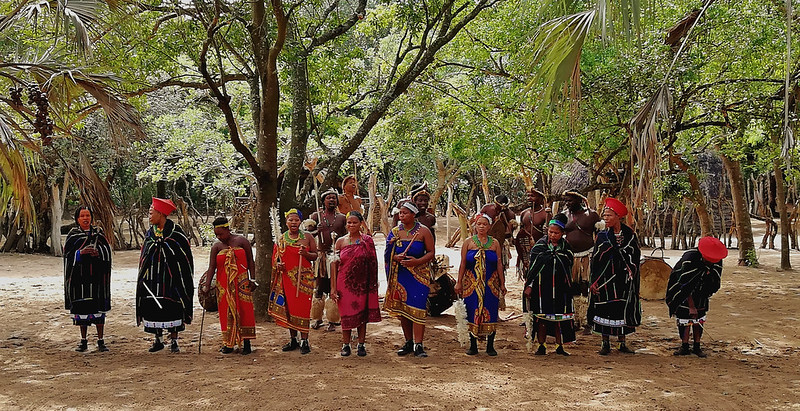
Africa is a continent of extraordinary cultural diversity. Its people, languages, traditions, music, food, beliefs, crafts and historical sites create experiences that go far beyond ordinary sightseeing. For travelers who want to understand Africa more deeply, cultural tourism provides an opportunity to meet communities, learn traditional skills, taste local food and discover stories that have shaped generations.
The cultural experiences in Africa are especially rewarding because every region offers something different. In East Africa, travelers can meet Maasai, Batwa, Samburu and Chagga communities. In West Africa, ancient kingdoms, coastal trading cities and powerful artistic traditions reveal another side of the continent. North Africa introduces visitors to centuries old medinas, music and food traditions. Southern Africa adds vibrant Zulu, Xhosa, Basotho and Ndebele heritage, while Rwanda and Uganda offer meaningful community experiences alongside wildlife and primate adventures.
At Zamunda Travels, we believe that a great African journey should connect travelers with both nature and people. A safari may introduce you to elephants, lions and gorillas, but a cultural encounter can help you understand the communities that have lived alongside these landscapes for generations. Therefore, adding cultural activities to a safari creates a more complete African travel experience.
Why Choose Cultural Experiences in Africa?
Africa offers an exceptional range of living cultures. These cultures are not simply preserved in museums. Many remain part of everyday life through language, food, music, ceremonies, farming, craftsmanship and community gatherings. As a result, travelers can often learn directly from people rather than only reading about their history.
Tanzania, for example, has more than 120 ethnic groups, each contributing its own traditions, music, dance and art. The country’s official tourism authority highlights cultural encounters with communities such as the Maasai and Chagga, as well as experiences involving crafts, markets and music.
Kenya also offers diverse cultural encounters. Traditional beadwork, clothing and body decoration remain important elements of cultural expression among several communities. The Maasai are particularly well known for their decorative beadwork and jewellery, while communities such as the Samburu and Turkana have distinctive artistic traditions of their own.
Consequently, travelers should not think of African culture as one single tradition. Instead, Africa contains thousands of cultural stories and practices. Each destination offers a different way to experience them.
Meet the Maasai in Kenya and Tanzania
A visit to a Maasai community is among the most recognizable cultural experiences in Africa. The Maasai live across parts of southern Kenya and northern Tanzania, particularly around areas associated with the Maasai Mara, Amboseli, Serengeti and Ngorongoro regions.
A responsible community visit can introduce travelers to traditional knowledge, pastoral life, storytelling, beadwork, songs and dance. In Tanzania, the official tourism authority specifically promotes opportunities to meet Maasai communities and experience their traditions, storytelling and dance in areas near the Ngorongoro Crater and Serengeti.
The experience becomes more meaningful when travelers take time to listen. Instead of treating a village visit as a quick photo opportunity, visitors can ask questions about daily life, cattle keeping, family structures, traditional architecture and changing lifestyles. Local guides can also explain how communities adapt to modern education, conservation and tourism.
Zamunda Travels can incorporate community visits into a wider Kenya or Tanzania safari. This approach allows travelers to combine wildlife viewing with opportunities to learn about the people who share these landscapes.
Learn About Maasai Art and Traditional Craft
Maasai beadwork provides another fascinating window into cultural identity. Beaded necklaces, bracelets and other ornaments can communicate social and personal meaning. Kenya’s tourism authority recognizes beadwork and jewellery as important forms of Maasai cultural expression.
Visitors can purchase crafts directly from community artisans when suitable opportunities exist. This can provide a more direct economic benefit than buying mass-produced souvenirs. Travelers should also ask about the meaning and origin of the products they purchase.
Experience Batwa Culture in Uganda
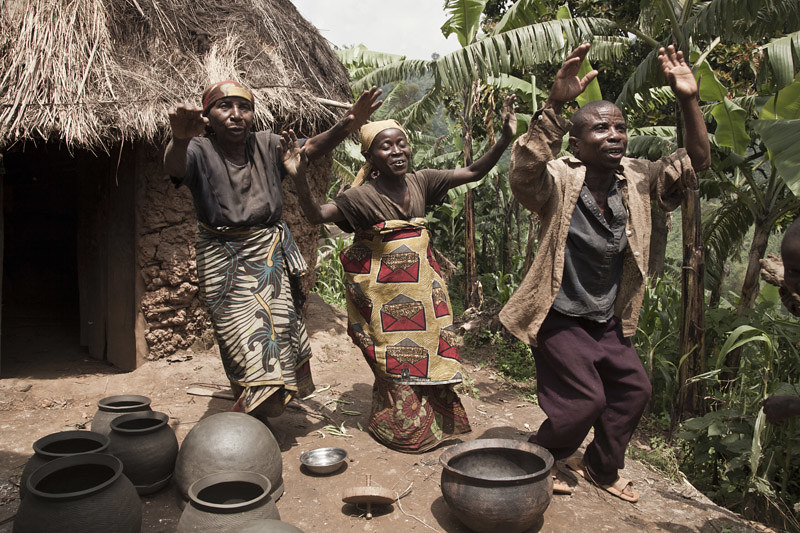
Among the most meaningful cultural experiences in Africa is learning about the Batwa communities around Bwindi and southwestern Uganda. The Batwa have a deep historical relationship with the forests of the Albertine Rift. Their traditional knowledge includes forest plants, hunting techniques, songs, stories and other practices.
The Batwa Cultural Experience in the Kabale area introduces visitors to traditional food, stories, songs and a demonstration of traditional hunting skills. The experience was developed to help preserve Batwa culture and pass knowledge to future generations.
Other community led Batwa initiatives around Bwindi provide opportunities to learn from elders, hear historical stories, understand traditional customs, explore traditional homes and experience music and dance.
This experience also highlights an important part of responsible tourism. Conservation and cultural preservation should work together. The establishment of protected forests affected traditional Batwa access to ancestral forest areas. Therefore, travelers should approach Batwa experiences with respect and avoid treating communities as attractions.
For visitors planning a gorilla trekking safari, Zamunda Travels can add a Batwa cultural experience before or after trekking. This creates a broader understanding of the people and landscapes surrounding Bwindi Impenetrable National Park.
Discover Rwandan Culture Through Dance, Art and Heritage
Rwanda provides some of the most accessible cultural experiences in Africa, especially for travelers combining Kigali with Volcanoes National Park or other destinations.
Rwandan culture includes traditional dance, basketry, community traditions, architecture, music and contemporary creative arts. Visit Rwanda highlights Intore dancing, basketry and Umuganda among important elements of Rwandan culture and traditions.
Intore dancing is particularly memorable. Historically associated with the royal court, the dancers perform energetic movements while wearing grass wigs and carrying spears. The jumping technique forms an important part of the performance and gives the dance its distinctive character.
Travelers can also explore museums and heritage sites. The Ethnographic Museum provides insight into Rwanda’s cultural history, while the King’s Palace offers an opportunity to learn about the country’s former royal traditions.
Zamunda Travels can combine these experiences with gorilla trekking in Volcanoes National Park. Travelers can spend time exploring Kigali before continuing into the countryside, creating a journey that includes history, culture, landscapes and wildlife.
Explore Kigali’s Contemporary Culture
Kigali shows another side of Rwanda. The city combines traditional influences with modern art, fashion, food and entrepreneurship. Visitors can explore markets, galleries, cultural spaces and local restaurants.
The Kigali Cultural Village is one option for travelers interested in local crafts, food and community activities. Visit Rwanda describes the site as a traditional market space where artisans and food vendors trade their products, while workshops, festivals and music events also take place.
This makes Kigali a useful starting point for travelers who want cultural immersion without spending several days away from the capital.
Explore Zulu Heritage in South Africa
South Africa offers a remarkable variety of cultural traditions. Among them, Zulu heritage stands out for its history, music, dance, beadwork and social traditions.
Cultural villages and heritage centers can introduce travelers to traditional homesteads, food, music and dance. South African Tourism highlights Shakaland as an example where visitors can learn about Zulu customs, traditional ceremonies, dancing, beadwork, pottery and beer brewing.
Visitors should remember that cultural villages can vary greatly in how they present traditions. A responsible experience should provide context rather than reduce a living culture to entertainment. Travelers can ask questions and support community based businesses where possible.
South Africa also provides broader cultural opportunities. At Lesedi African Lodge and Cultural Village, visitors can learn about several cultural groups, including the Zulu, Xhosa, Pedi, Basotho, Nguni and Ndebele. Traditional song, dance and food form part of the experience.
Experience Swahili Culture on the East African Coast
The Swahili Coast offers a different form of cultural travel. Along the coast of Tanzania and Kenya, centuries of interaction between African, Arab, Persian and Indian Ocean trading communities shaped language, architecture, food and commerce.
Stone Town in Zanzibar provides an especially rich setting for exploring this heritage. Travelers can walk through narrow streets, visit historic buildings, explore markets and taste Swahili dishes. Tanzania’s official tourism authority also highlights Stone Town, Bagamoyo and Kilwa Kisiwani as important historical destinations connected to Swahili Coast heritage.
Food is an important part of the experience. Zanzibar is famous for spices, while coastal cuisine combines seafood with fragrant herbs, coconut and spices. A cooking or spice experience can therefore add another dimension to a beach holiday.
Zamunda Travels can combine cultural exploration with wildlife safaris or beach extensions. This works particularly well for travelers who want both adventure and relaxation.
Discover Ethiopian History and Living Heritage
Ethiopia offers some of the continent’s most distinctive historical and cultural experiences. The country has a long written and architectural heritage, as well as numerous living cultural traditions.
UNESCO currently lists Ethiopia with 12 World Heritage Sites and seven elements of intangible cultural heritage. This diversity makes Ethiopia particularly appealing to travelers interested in history, religion, architecture, music and traditional practices.
Lalibela is famous for its remarkable rock-hewn churches, while other destinations offer ancient castles, monasteries, markets and regional cultural traditions. Travelers can also explore Ethiopian cuisine, coffee traditions and local markets.
A visit to Ethiopia should therefore go beyond sightseeing. Sitting down for a traditional meal, learning about the Ethiopian coffee ceremony or spending time with a knowledgeable local guide can make the journey far more personal.
Discover Moroccan Culture Through Markets, Food and Music
Morocco offers some of the most accessible cultural experiences in Africa for international travelers. Its medinas, markets, architecture, food and music create an immersive atmosphere in cities such as Marrakech, Fez and Essaouira.
The Moroccan National Tourist Office describes the medinas as ideal places to observe traditional daily life. Tea ceremonies, couscous, festivals and local gatherings form important parts of the country’s cultural identity.
Music adds another layer to Moroccan culture. Gnawa music combines traditional instruments, singing and dancing and has deep historical connections with sub-Saharan African heritage. UNESCO inscribed Gnawa as intangible cultural heritage in 2019.
Travelers can also explore Moroccan cuisine through cooking classes, market tours and family-style meals. These experiences allow visitors to understand how ingredients, hospitality and tradition connect.
Explore the Culture of Tanzania Beyond the Safari
Tanzania is often associated with the Serengeti and Mount Kilimanjaro. However, its cultural heritage deserves equal attention. The country officially promotes experiences involving Maasai, Chagga and Hadzabe communities, as well as crafts, markets, music and food.
The Chagga people live around Mount Kilimanjaro. Travelers can learn about farming traditions, local food and village life. In northern Tanzania, cultural tourism can also introduce visitors to communities whose lifestyles have developed around very different environments.
On the coast, Swahili culture provides another experience. Zanzibar and mainland coastal towns connect visitors with centuries of maritime trade, architecture and cuisine.
For this reason, Tanzania works especially well for a combined itinerary. A traveler can experience wildlife in the Serengeti, meet local communities and then continue to the coast for Swahili heritage and beach relaxation.
Enjoy Music, Dance and Festivals Across Africa
Music and dance form an important part of many African cultures. They can communicate history, celebrate important events and strengthen community relationships.
Rwanda’s Intore performances provide one example. South Africa’s Zulu cultural experiences offer another. Morocco’s Gnawa tradition demonstrates how music can preserve historical connections across regions. Tanzania also promotes cultural experiences involving music and dance.
Festivals can make these experiences even more memorable. However, travelers should research dates before planning a trip because festival schedules can change. It is also important to understand the purpose of an event before attending.
Zamunda Travels can help travelers identify cultural activities that fit naturally into their itinerary rather than adding experiences that feel rushed or disconnected.
Taste Traditional African Food
Food may be one of the easiest ways to connect with local culture. Recipes often reflect the environment, history and resources available to a community.
In East Africa, travelers can taste dishes influenced by both inland and coastal traditions. In Rwanda, visitors can discover local dishes and agricultural products. Uganda offers foods based on bananas, cassava, sweet potatoes, groundnuts and other locally grown ingredients. Morocco is famous for couscous and its tea culture, while Tanzania’s coast is known for spices and Swahili seafood traditions. The Moroccan National Tourist Office specifically highlights tea ceremonies and couscous as important parts of Moroccan social and cultural life.
A food experience can take several forms. Travelers can join a cooking class, visit a local market, eat at a family run restaurant or learn how a traditional dish is prepared.
At Zamunda Travels, we encourage travelers to include local food experiences whenever they fit the itinerary. Food provides a natural opportunity to meet people and understand everyday life.
Learn Traditional Crafts and Local Skills
Craftsmanship provides another meaningful way to experience Africa. Beadwork, basketry, pottery, weaving, carving and textile production remain important cultural expressions in many communities.
Kenya’s tourism authority notes the importance of decorative traditions among several Kenyan communities, including Maasai beadwork. Rwanda also promotes basketry and contemporary creative arts as part of its cultural identity.
Rather than simply buying souvenirs, travelers can visit artisans and learn how products are made. Some workshops allow visitors to try basic techniques under the guidance of local craftspeople.
This approach can create a more personal memory while supporting local businesses.
How to Enjoy Cultural Experiences Responsibly
Cultural tourism becomes more valuable when travelers approach communities with respect. A community is not a tourist attraction. People have their own beliefs, privacy, routines and boundaries.
Always ask before taking photographs of people. Dress appropriately for the setting. Listen to local guides. Avoid mocking unfamiliar customs. When buying crafts, consider purchasing directly from artisans or community organizations. Most importantly, avoid assuming that one person’s experience represents an entire ethnic group.
Responsible tourism also means choosing experiences that provide meaningful benefits to local communities. Rwanda, for example, states that 10% of income from gorilla, safari and other tourism permits and park fees is spent in partnership with local communities.
Uganda’s tourism authorities similarly emphasize tourism, wildlife and cultural heritage as tools for socio economic development.
Zamunda Travels believes that cultural tourism should create value for both visitors and host communities. Therefore, we work toward experiences that encourage learning, respect and local participation.
Best Destinations for Cultural Experiences in Africa
Africa has far more cultural destinations than any single itinerary can cover. However, several countries stand out for travelers seeking a combination of culture, history and nature.
Uganda is ideal for travelers who want to combine wildlife with community encounters. Batwa experiences around Bwindi offer an important cultural dimension to a gorilla trekking itinerary. Uganda also offers broader cultural attractions across the country.
Rwanda works well for travelers interested in traditional dance, museums, royal history, crafts and modern Kigali. The country’s compact size also makes it possible to combine cultural attractions with wildlife and scenic experiences.
Kenya provides opportunities to explore Maasai and other community traditions alongside famous safari destinations. Its cultural diversity extends beyond the Maasai to communities such as the Samburu and Turkana.
Tanzania offers an especially broad cultural range. Travelers can combine Maasai or Chagga experiences with Swahili coastal heritage, markets, food and music.
South Africa provides diverse cultural experiences involving Zulu, Xhosa, Basotho, Ndebele and other communities. Its museums, heritage sites and cultural villages make it suitable for travelers who want both history and contemporary culture.
Morocco is excellent for travelers interested in medinas, food, architecture, festivals and music. Its cultural traditions reflect centuries of interaction between North Africa, the Mediterranean and sub-Saharan Africa.
Ethiopia appeals strongly to travelers interested in ancient history, religious heritage, architecture and living traditions. Its UNESCO designations demonstrate the breadth of its cultural heritage.
Combine Culture With an African Safari
One of the best ways to experience Africa is to combine cultural activities with wildlife. These experiences complement one another.
For example, a traveler can visit a Maasai community after a safari in Kenya or Tanzania. In Uganda, a gorilla trekking trip can include a Batwa cultural experience. In Rwanda, travelers can combine Kigali’s museums and cultural attractions with gorilla trekking or an Akagera safari.
This combination creates a richer journey. Wildlife shows visitors Africa’s natural heritage. Cultural experiences introduce the people, traditions and history connected to these landscapes.
Zamunda Travels specializes in creating African journeys that bring these elements together. Depending on the destination, travelers can combine gorilla trekking, wildlife safaris, cultural encounters, local food, scenic drives and community visits within one carefully planned itinerary.
When Is the Best Time for Cultural Travel in Africa?
There is no single best month for all cultural experiences in Africa. The ideal period depends on the country, region and activities included in the itinerary.
Many cultural experiences operate throughout the year. Therefore, travelers can often plan them around other activities such as safaris or gorilla trekking. Festival based travel requires more careful planning because events take place on specific dates.
The best approach is to choose the cultural experiences first and then build the itinerary around them. This gives travelers enough time to enjoy each activity without rushing from one destination to another.
Zamunda Travels can help travelers select suitable travel periods based on their preferred destinations, cultural activities, wildlife experiences and overall itinerary.
Frequently Asked Questions About Cultural Experiences in Africa
What are the best cultural experiences in Africa?
The best cultural experiences in Africa depend on the traveler’s interests. Popular options include Maasai community visits in Kenya and Tanzania, Batwa cultural experiences in Uganda, Intore dancing and heritage sites in Rwanda, Zulu cultural experiences in South Africa, Swahili heritage on the East African coast, Ethiopian historical tours and Moroccan medina, food and music experiences.
Which African country is best for cultural tourism?
There is no single best country because Africa has enormous cultural diversity. Tanzania, Kenya, Uganda, Rwanda, South Africa, Ethiopia and Morocco all offer distinctive experiences. The best choice depends on whether a traveler prefers indigenous community experiences, historical sites, food, music, traditional crafts or cultural festivals.
Can I combine cultural experiences with a safari?
Yes. Combining culture with wildlife is one of the best ways to explore Africa. Zamunda Travels can create itineraries that combine cultural encounters with gorilla trekking, Big Five safaris, chimpanzee tracking and other wildlife activities.
Are cultural experiences in Africa suitable for families?
Many cultural activities can work well for families. However, parents should choose experiences that match the ages and interests of their children. Cooking demonstrations, craft workshops, music, dance and community walks can be especially engaging.
How can I make cultural tourism more responsible?
Choose community-led experiences where possible, respect local customs, ask permission before taking photographs and buy products directly from local artisans. Most importantly, listen to community guides and approach cultural encounters as opportunities to learn rather than simply as entertainment.
Plan Your African Cultural Journey With Zamunda Travels
Africa’s cultural richness cannot be understood through photographs alone. You need to meet people, listen to stories, taste local food and see how traditions continue to shape everyday life. From the Maasai communities of East Africa to the Batwa around Uganda’s forests, from Rwanda’s Intore dancers to the Zulu heritage of South Africa, every region adds another layer to the African story.
The most rewarding journeys also combine cultural discovery with nature. A traveler can trek through a rainforest to see mountain gorillas, meet a community near the forest, explore a local market and enjoy traditional food within the same trip. That combination creates memories that last long after the safari ends.
At Zamunda Travels, we design personalized African holidays that connect travelers with wildlife, landscapes, culture and local communities. Whether you are interested in a Uganda gorilla safari, a Rwanda cultural and wildlife journey, a Kenya or Tanzania safari, or a broader East African adventure, our team can help create an itinerary around your interests.
In conclusion, the cultural experiences in Africa are among the continent’s greatest treasures. They reveal the human stories behind the landscapes and provide travelers with a deeper understanding of Africa. With respectful planning and the right local partners, your journey can become more than a holiday. It can become a genuine cultural exchange.