
Traditional Rwandan Music and Dance
August 25, 2026
Best Souvenirs to Bring Home from Rwanda
August 25, 2026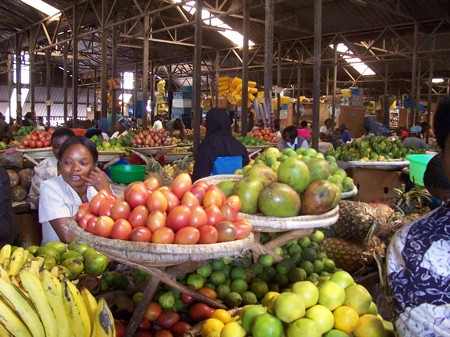
Rwanda hides some of its best stories inside its markets. Bright fabric flutters over wooden stalls. Vendors call out prices in Kinyarwanda, French, and English. Baskets of tomatoes sit next to hand woven kitenge cloth, and the smell of roasted coffee drifts through the aisles. This guide to Rwandan markets walks you through the country’s most famous trading spaces, from the roaring warehouses of Kigali to the quiet bi weekly gatherings near Musanze. Whether you are a curious traveler or a local shopper, this guide to Rwandan markets gives you the real picture, based on how these places actually work. Along the way, we show how Zamunda Travels turns a simple market visit into a full cultural experience, guided by people who know every alley and every vendor by name.
Why This Guide to Rwandan Markets Matters for Every Visitor
Markets do more than sell goods in Rwanda. They function as social hubs, cultural showcases, and economic engines for entire neighborhoods. A tourist who skips the markets misses the most honest version of daily Rwandan life. Hotels and museums show a polished side of the country, but markets show the unfiltered rhythm of trade, laughter, and negotiation. Zamunda Travels builds many of its Kigali itineraries around this idea, because a short walk through a market teaches visitors more about Rwandan culture than an entire afternoon in a gift shop. This guide to Rwandan markets therefore treats each market as a destination in its own right, not just a shopping errand squeezed between bigger attractions.
Rwanda’s markets also reflect the country’s geography and trade routes. Kigali pulls in goods from Uganda, Kenya, and the Democratic Republic of Congo, so its markets feel distinctly regional. Towns near Lake Kivu build their markets around fresh fish, while villages near the northern volcanoes focus on grains, salt, and spices. Every market tells a slightly different story about the land around it. Zamunda Travels designs custom routes that connect these stories, so travelers understand not just what they are buying, but why that item exists in that specific market.
Kimironko Market: The Beating Heart of Kigali Trade
Kimironko Market sits in the Kimironko neighborhood on the eastern side of Kigali, and most locals consider it the busiest market in the city. Vendors here sell produce from Rwanda, Uganda, Kenya, and the Democratic Republic of Congo, so the range of fruit and vegetables often surprises first time visitors. The market operates inside a large warehouse complex with four separate entrances, and each entrance leads toward a different section of goods. Shoppers who enter facing the Kimironko bus station usually land near stalls that sell household items and plastic buckets in every size imaginable. From there, the market unfolds into a maze of narrow paths lined with produce, fabric, and daily essentials.
Kimironko Market also functions as Kigali’s main hub for fresh produce, supplying restaurants and hotels across the city in addition to everyday households. Sections divide loosely into fruits, vegetables, grains, beans, spices, meat, fish, clothing, and household goods, although the boundaries between sections stay informal. First-time visitors often hire a local guide, since the market’s scale can overwhelm anyone without local knowledge. Zamunda Travels arranges exactly this kind of guided visit, pairing travelers with trusted local escorts who navigate the crowd, negotiate fair prices, and steer shoppers toward vendors who sell authentic, high-quality goods.
What You Can Buy at Kimironko Market
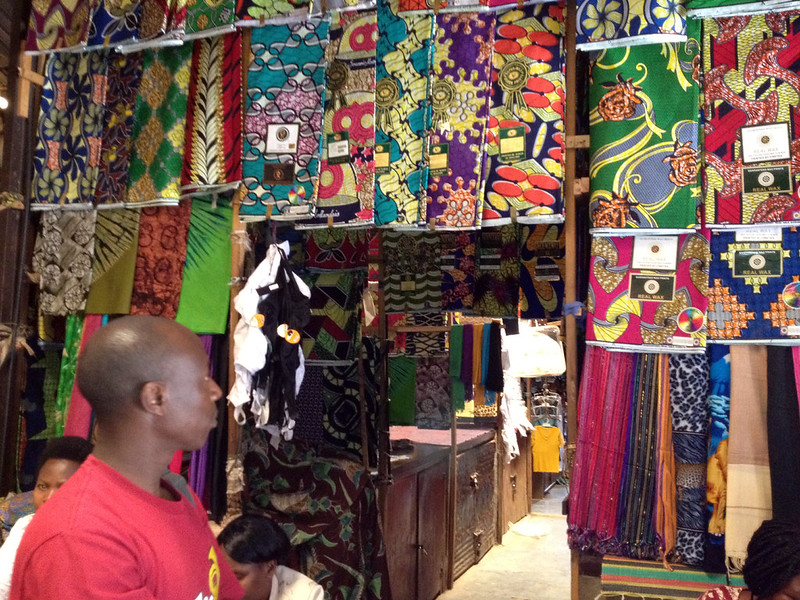
Shoppers head to Kimironko for far more than groceries. Rows of stalls display rolls of kitenge fabric in bold patterns, and skilled seamstresses nearby can turn that fabric into custom clothing within a day or two. Traditional crafts fill several corners of the market, including Kinyarwanda drums, beaded jewelry, handmade handbags, woven mats, and decorative baskets. Many travelers treat these items as souvenirs, since they capture Rwandan design in a way that mass produced gifts never quite manage. This section of our guide to Rwandan markets highlights Kimironko because so many trip itineraries, including several built by Zamunda Travels, use it as the primary shopping stop in Kigali.
Best Time to Visit Kimironko Market
Timing changes the entire experience at Kimironko Market. Early afternoon tends to bring the busiest crowds, right after vendors finish setting up their fresh stock for the day. Saturdays and Mondays usually rank among the liveliest days of the week, while Sundays feel noticeably calmer because many traders take the day off. Visitors who prefer a quieter walk through the stalls should plan a Sunday morning trip, while those who want the full sensory experience should aim for a Saturday afternoon. Zamunda Travels adjusts its scheduling around these patterns, so clients experience the market at whichever pace suits their travel style.
Kigali City Market: A Calmer, More Structured Alternative
Kigali City Market, often called Kigali Central Market, offers a different rhythm from the chaos of Kimironko. This market spreads across multiple floors, and that layout makes it far easier for newcomers to find specific goods without wandering in circles. Clothing, shoes, electronics, and household items typically occupy their own dedicated sections, and the overall pace feels calmer than the sprawling warehouse setup at Kimironko. Many residents visit this market for everyday shopping precisely because the structure saves time.
Travelers who want a shorter, more organized introduction to Rwandan retail culture often prefer Kigali City Market over Kimironko. It works especially well for visitors on a tight schedule, since a guide can walk a group through several floors in under an hour. Zamunda Travels frequently pairs a stop here with a longer, more immersive visit to Kimironko later in the day, so guests can compare the two shopping styles side by side.
Caplaki Craft Village: Handicrafts and Culture Together
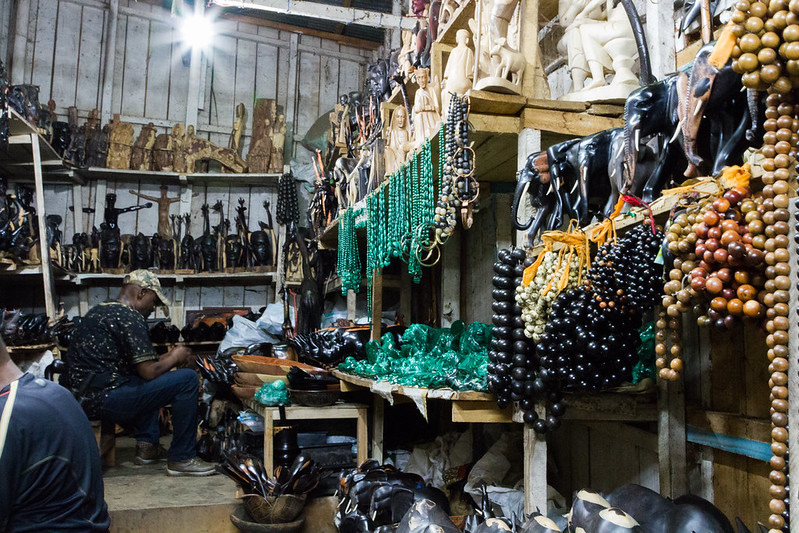
Caplaki Craft Village sits near the heart of Kigali and focuses entirely on handmade goods rather than groceries or clothing. A cooperative known as Cootrac, short for the Cooperative for Trade and Promotion of Rwandan Arts, Crafts and Culture, has run the site since 2007, and roughly two dozen stalls operate inside its colorful wooden huts. Artisans display woodcarvings, paintings, ceramics, leatherwork, and woven textiles, and many of them work on-site, so visitors can watch a basket or a carving take shape in real time. The market usually opens around 8 a.m. and stays active into the early evening, giving travelers a flexible window for a visit.
Bargaining forms a natural part of the culture here, and prices generally stay competitive because so many independent stalls compete for the same customers. Cash in Rwandan francs works best for most transactions, even though a handful of vendors now accept cards. Zamunda Travels often schedules a Caplaki visit toward the end of a Kigali tour, since it gives guests a relaxed setting to buy gifts after a busier morning spent exploring larger markets.
Imigongo Art and Agaseke Baskets
Two crafts define Caplaki more than any others. Imigongo art uses cow dung mixed with natural pigments to create raised, geometric patterns that look striking once dried and painted. Artisans have practiced this technique for generations, and each finished piece carries a distinct sense of Rwandan visual identity. Agaseke baskets, sometimes called peace baskets, represent the second signature craft, and skilled weavers use dried banana leaves or sisal to build tight, symmetrical patterns. Travelers frequently choose one of each as a paired souvenir, since the two crafts together summarize much of Rwanda’s artistic tradition.
Markets Beyond Kigali: A Wider Rwandan Markets Guide Perspective
Kigali dominates most travel itineraries, but markets outside the capital reveal a quieter, more traditional side of Rwandan trade. This wider Rwandan markets guide would feel incomplete without a look at Musanze and Gisenyi, two towns that host very different shopping experiences from the busy capital.
Musanze Market and the Bi-Weekly Village Trade
Musanze, the gateway town near Volcanoes National Park, hosts a bi-weekly market that draws shoppers from many kilometers away. Women sit on mats and blankets across a sand-covered open space, arranging goods for sale in a pattern that has barely changed for decades. Instead of packaged household items, shoppers find black rock salt, hand-ground spices, charcoal, and mounds of pulses stacked in neat piles. The atmosphere feels intimate compared to Kigali, since foreign visitors rarely appear, and locals greet outsiders with curiosity rather than aggressive sales pitches. Zamunda Travels often combines a Musanze market visit with gorilla trekking trips, since the timing works well for travelers already staying near the park.
Gisenyi Market and the Fish of Lake Kivu
Gisenyi sits on the shore of Lake Kivu, and its market reflects that location directly. Fishermen bring in fresh catch from the lake, often on a daily basis, so the fish stalls stay busy from early morning onward. Fruit, vegetables, and handmade goods round out the rest of the market, though the overall pace stays far more relaxed than anything found in Kigali. Travelers who continue past Kigali toward the western border usually add a short Gisenyi market stop, since it pairs naturally with a lakeside lunch or an overnight stay near the water.
How to Bargain and Shop Like a Local
Bargaining plays a central role in nearly every Rwandan market, and a few habits make the process smoother for visitors. Start any negotiation with a smile and a friendly greeting, since warmth tends to open better offers than a rushed, transactional approach. Ask a local guide for a rough price range before naming your first offer, because vendors often quote higher prices to visitors who seem unfamiliar with local costs. Carry small denominations of Rwandan francs, since vendors rarely keep large amounts of change on hand. Scammers remain rare across Rwandan markets, so visitors can generally relax and enjoy the exchange rather than treating every vendor with suspicion.
Guides add real value beyond simple translation. A knowledgeable local escort can lead shoppers straight to vendors who sell authentic, high-quality goods, which saves time and avoids disappointment later. Zamunda Travels trains its market guides specifically for this purpose, so every client receives fair prices and genuine products rather than tourist-inflated substitutes. This approach turns a potentially stressful shopping trip into an enjoyable, low-pressure outing.
Why Zamunda Travels Is the Right Partner for Your Rwandan Markets Guide Experience
Reading about markets only goes so far, and a well planned visit changes everything about how a traveler experiences Rwanda. Zamunda Travels builds itineraries that treat markets as cultural destinations rather than quick errands, pairing each stop with context about the vendors, the crafts, and the history behind every product. Guides speak the local language, understand fair pricing, and know which stalls consistently sell genuine, well-made goods. This attention to detail turns a simple shopping trip into a memorable part of any Rwanda itinerary.
Every recommendation in this guide to Rwandan markets reflects the same routes that Zamunda Travels uses with real clients, from the roaring aisles of Kimironko to the quiet mats of the Musanze market. Travelers who book a market tour through Zamunda Travels leave with more than souvenirs; they leave with a genuine sense of how Rwandans live, trade, and connect with one another every single day. For anyone planning a trip to Rwanda, this guide to Rwandan markets offers a starting point, and Zamunda Travels offers the local expertise to make that plan come alive.