Distance from Entebbe Airport to Lake Mburo
September 24, 2026
Lake Mburo vs Murchison Falls National Park
September 24, 2026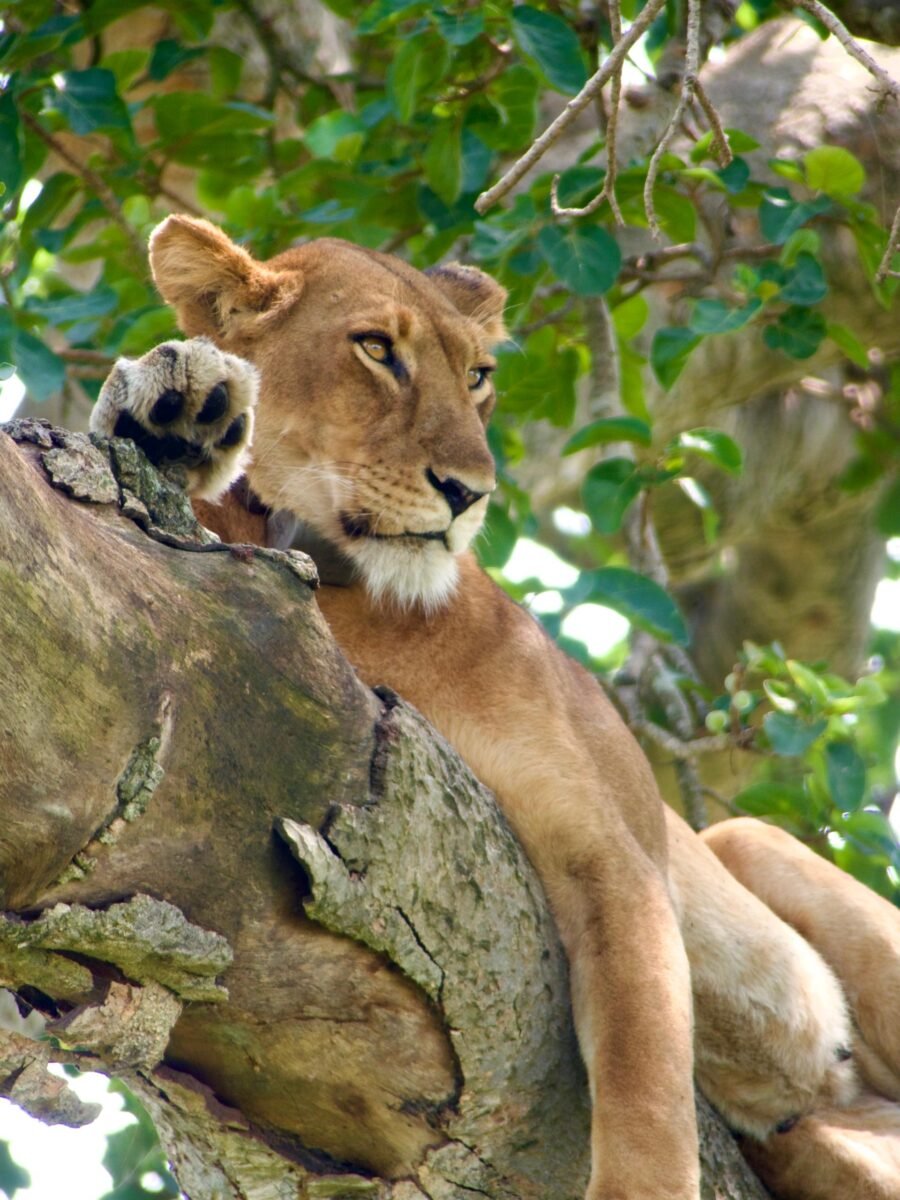
Uganda offers several remarkable destinations for wildlife safaris, but two parks often appear in the plans of first-time visitors: Lake Mburo National Park and Queen Elizabeth National Park. Although both parks provide excellent opportunities to see wildlife, their landscapes, activities, and safari experiences are quite different. Understanding these differences can help you choose a park that matches your travel time and interests.
Lake Mburo vs Queen Elizabeth is therefore not simply a comparison of two national parks. It is a comparison between two different styles of safari in Uganda. Lake Mburo is compact and accessible, with strong opportunities to see zebras, impalas, elands, giraffes, hippos, and several bird species. Queen Elizabeth covers a much larger area and provides a broader wildlife experience, including elephants, buffaloes, lions, leopards, hippos, Uganda kobs, chimpanzees, and more than 600 recorded bird species.
For travellers planning a Uganda safari with Zamunda Travels, the right choice depends on what you want to experience. Your available time also matters. Lake Mburo can fit easily into a short itinerary from Kampala, while Queen Elizabeth works particularly well as part of a longer western Uganda safari.
Quick Comparison
Lake Mburo National Park covers about 370 square kilometres, while Queen Elizabeth National Park covers approximately 1,978 square kilometres. This difference in size creates noticeable differences in scenery and wildlife experiences. Lake Mburo has a compact mixture of savannah, wetlands, acacia woodland, rocky areas, and lakes. Queen Elizabeth has extensive savannah, forests, wetlands, lakes, and the famous Kazinga Channel.
| Feature | Lake Mburo National Park | Queen Elizabeth National Park |
|---|---|---|
| Location | Southwestern Uganda | Western Uganda |
| Park size | About 370 km² | About 1,978 km² |
| Main wildlife | Zebra, impala, eland, giraffe, buffalo, hippo | Elephant, buffalo, lion, leopard, hippo, Uganda kob |
| Famous experience | Walking and varied game viewing | Kazinga Channel and broad wildlife viewing |
| Boat experience | Lake Mburo | Kazinga Channel |
| Walking safari | Available | More limited compared with Lake Mburo |
| Horseback safari | Available | Not a main park activity |
| Chimpanzee tracking | Not a main attraction | Available at Kyambura Gorge |
| Tree-climbing lions | Not a signature attraction | Famous in Ishasha |
| Birding | More than 315 species | More than 600 species |
| Kampala access | About 228 km | About 410 km |
| Best suited to | Short safaris and active experiences | Longer classic wildlife safaris |
The figures above come primarily from current Uganda Wildlife Authority information. UWA describes Lake Mburo as the national park closest to Kampala and lists its road distance at approximately 228 kilometres. It places Queen Elizabeth about 410 kilometres from Kampala, with a direct drive taking at least seven to eight hours.
Lake Mburo vs Queen Elizabeth for Wildlife
Wildlife is one of the biggest factors when comparing these two parks. Lake Mburo has a distinctive collection of animals that makes it different from many other Ugandan savannah parks. Visitors can look for zebras, impalas, elands, topis, buffaloes, waterbucks, warthogs, giraffes, hippos, and several other species. UWA identifies Lake Mburo as the only Ugandan national park with impalas. It also highlights the park as one of the country’s best places to see zebras.
Lake Mburo also has an interesting conservation history. Rothschild’s giraffes were reintroduced to the park after disappearing from the area. Today, giraffes form part of the wildlife that visitors can look for during game drives and other activities. The park also supports hippos and crocodiles around its lakes and wetlands.
Queen Elizabeth offers a much broader large-mammal experience. UWA lists elephants, buffaloes, hippos, Uganda kobs, waterbucks, lions, leopards, spotted hyenas, and other wildlife. The park also supports primates such as chimpanzees, black-and-white colobus monkeys, vervet monkeys, and olive baboons.
This difference matters when planning your safari. A traveller interested in zebras and impalas may find Lake Mburo especially attractive. Someone hoping to combine elephants, big cats, hippos, antelopes, primates, and several habitats may prefer the wider wildlife range of Queen Elizabeth.
Lake Mburo vs Queen Elizabeth for Big Cats
Predators add another important difference. Lake Mburo has leopards and hyenas, although sightings are not guaranteed. Lions also occur in the park, but Lake Mburo is not primarily known for predator viewing. Its reputation rests more strongly on its distinctive herbivores and its range of safari activities.
Queen Elizabeth provides a stronger focus on predators. UWA records lions, leopards, spotted hyenas, and other carnivores in the park. The Ishasha sector is particularly famous for lions that climb trees. These lions are often seen resting on large fig trees while overlooking the surrounding plains.
However, visitors should remember that wildlife is unpredictable. Seeing a lion or leopard depends on factors such as location, time, weather, vegetation, and animal movement. Zamunda Travels therefore plans game drives around the best available opportunities rather than promising specific sightings.
Wildlife Viewing in Lake Mburo
Lake Mburo offers several ways to experience wildlife. Traditional game drives remain an important option, but visitors can also explore parts of the park on foot, by boat, and on horseback. UWA specifically highlights these different forms of wildlife viewing.
Walking is particularly interesting because it changes the pace of the safari. Instead of travelling from one sighting to another by vehicle, you can focus on animal tracks, plants, insects, birds, and smaller signs of wildlife. A trained ranger can also explain how animals use the landscape.
Horseback experiences provide another distinctive way to explore the park. This makes Lake Mburo particularly interesting for travellers who want more than conventional vehicle-based game drives. Zamunda Travels can include these experiences when designing a safari around your interests.
Wildlife Viewing in Queen Elizabeth
Queen Elizabeth provides a more traditional big-game safari experience. The park’s extensive savannah supports elephants, buffaloes, Uganda kobs, hippos, lions, leopards, and other wildlife. The large size of the park also creates different viewing areas, each with its own landscape and wildlife opportunities.
The Kasenyi Plains are known for open savannah and Uganda kob sightings. The Ishasha sector provides a more remote experience and is famous for its tree-climbing lions. Meanwhile, the areas around the Kazinga Channel provide excellent opportunities to see animals near water.
For travellers who want several different wildlife environments within one safari, Queen Elizabeth can form an important part of a western Uganda itinerary.
Boat Safari
Both parks offer boat experiences, but the setting is different. At Lake Mburo, the boat experience takes place on Lake Mburo itself. The lake and surrounding wetlands provide opportunities to observe hippos, crocodiles, waterbirds, and other wildlife from the water.
Queen Elizabeth’s most famous boat experience takes place on the Kazinga Channel. The channel connects Lake Edward and Lake George and stretches for about 40 kilometres. UWA describes it as a major wildlife attraction where visitors can see hippos, crocodiles, elephants, buffaloes, and many waterbirds.
The two experiences therefore complement different safari styles. Lake Mburo provides a quieter lake-based experience, while the Kazinga Channel is famous for concentrated wildlife around its shores.
Birdwatching in Lake Mburo vs Queen Elizabeth
Birdwatchers can enjoy both destinations, although Queen Elizabeth has the larger recorded bird list. UWA lists more than 315 bird species for Lake Mburo and more than 600 species for Queen Elizabeth.
Lake Mburo’s combination of acacia woodland, savannah, lakes, and papyrus wetlands creates good conditions for both wetland and savannah birds. Birdwatchers can look for species such as papyrus-associated birds and other species found around Rwonyo and the park’s wetlands.
Queen Elizabeth offers a wider variety of habitats. The park’s lakes, wetlands, savannah, forests, and channel environment support a large number of bird species. UWA lists species such as African fish eagles, shoebill storks, papyrus gonoleks, and other notable birds.
For dedicated birdwatchers with more time, Queen Elizabeth provides a broader habitat range. Lake Mburo remains an excellent choice for visitors who want to combine birding with a short wildlife safari.
Which Park Is Closer to Kampala?
Lake Mburo has a major advantage in terms of road access. Uganda Wildlife Authority places the park approximately 228 kilometres from Kampala, with a journey of around three and a half hours under normal conditions. The actual travel time can change because of traffic, stops, and road conditions.
Queen Elizabeth is approximately 410 kilometres from Kampala. UWA estimates that a direct drive takes at least seven to eight hours. Many safari itineraries, however, include other destinations along the way.
This difference makes Lake Mburo useful for short Uganda safari packages. For example, travellers with only two or three days can add Lake Mburo without spending as much time on the road. Zamunda Travels can also combine Lake Mburo with destinations such as Bwindi, depending on the overall itinerary.
Queen Elizabeth requires more travel time from Kampala. However, the longer journey can make sense when the itinerary includes Kibale, Bwindi, Rwenzori, or other western Uganda destinations.
Lake Mburo vs Queen Elizabeth for Short Safaris
Lake Mburo works particularly well for travellers with limited time. Its location near the Kampala–Mbarara route allows visitors to reach the park without a very long transfer. This makes it practical for a one-night or two-night safari. UWA also describes it as Uganda’s closest national park to Kampala.
A short Lake Mburo itinerary can include a game drive, a boat trip, birdwatching, or a guided nature walk. Visitors can also add horseback riding when it suits their interests. This variety allows a short safari to include several different activities.
Queen Elizabeth usually benefits from a longer stay. The park covers a much larger area, and travellers may want enough time for game drives, the Kazinga Channel boat cruise, and other experiences. Kyambura Gorge can also add chimpanzee tracking to a western Uganda itinerary.
Lake Mburo vs Queen Elizabeth for Families
Families can consider both parks, but the preferred option depends on the children’s ages and the type of experience they want. Lake Mburo’s relatively compact setting can reduce driving time. The park also provides varied activities beyond conventional game drives.
Queen Elizabeth can offer a broader wildlife experience. Children who enjoy elephants, hippos, lions, buffaloes, birds, and boat trips may find plenty to keep them interested. The Kazinga Channel is especially useful because wildlife can often be observed from the boat while travelling along the water.
Zamunda Travels can tailor the pace of a family safari around travel time, accommodation, activities, and the ages of the children.
Where to Stay in Lake Mburo
Accommodation around Lake Mburo ranges from comfortable safari lodges to camps and other options. Many properties sit outside or near the park boundaries, allowing guests to access the park for game drives and other activities.
The choice of accommodation depends on your budget and the activities included in your itinerary. Travellers seeking a more immersive experience can choose a lodge close to the park’s wildlife areas. Zamunda Travels can help match accommodation with the safari route instead of selecting a lodge based only on price.
Where to Stay in Queen Elizabeth
Queen Elizabeth has a wider selection of safari accommodation because of its size and established tourism infrastructure. Visitors can stay around areas such as Mweya, the northern sector, or Ishasha, depending on their itinerary.
Location matters more here because the park is large. Staying near the area where you plan to begin your activities can reduce unnecessary driving. Zamunda Travels considers the planned game drives, boat cruise, chimpanzee tracking, and onward journey before selecting accommodation.
Can You Combine Lake Mburo and Queen Elizabeth?
Yes. Combining the two parks can create a varied western Uganda safari. Lake Mburo can provide a shorter savannah experience with zebras, impalas, giraffes, walking activities, and boat viewing. Queen Elizabeth can then add elephants, buffaloes, predators, hippos, the Kazinga Channel, and other wildlife experiences.
This combination works especially well for travellers who have enough time for a multi-day Uganda safari. It also allows Zamunda Travels to create a route that connects different landscapes rather than repeating the same type of activity.
Travellers heading toward Bwindi can also use Lake Mburo as part of a wider southwestern Uganda circuit. The best route depends on your starting point, accommodation, gorilla trekking sector, and the number of days available.
Which One Should You Visit?
The answer depends on your safari priorities. Lake Mburo is particularly suitable if you want a shorter journey from Kampala, strong zebra and impala viewing, walking experiences, horseback activities, and a compact safari environment. UWA highlights these features as important parts of the park’s appeal.
Queen Elizabeth is particularly suitable for travellers seeking a larger wildlife landscape with elephants, buffaloes, lions, leopards, hippos, Uganda kobs, chimpanzees, extensive birdlife, and the Kazinga Channel. Its Ishasha sector also provides the opportunity to look for its famous tree-climbing lions.
For a short safari, Lake Mburo can fit more easily into a tight schedule. For a longer western Uganda adventure, Queen Elizabeth can provide more varied wildlife experiences. However, travellers who have enough time do not necessarily need to choose between them. Zamunda Travels can combine both parks into one carefully planned itinerary.
Plan Your Uganda Safari with Zamunda Travels
Choosing between Lake Mburo and Queen Elizabeth becomes easier when you first decide what you want from your safari. Consider your available days, preferred activities, wildlife interests, accommodation style, and the other destinations you want to visit.
Zamunda Travels can organize customized Uganda safaris that include Lake Mburo National Park, Queen Elizabeth National Park, or both. Your itinerary can combine game drives with boat cruises, nature walks, birdwatching, chimpanzee experiences, or gorilla trekking in southwestern Uganda.
Whether you have a short weekend-style safari or a longer Uganda wildlife adventure, planning the route carefully can help you spend more time enjoying the destination and less time travelling between places.