How to Get to Mgahinga Gorilla National Park
September 28, 2026
What Time Does Gorilla Trekking Start in Mgahinga?
September 28, 2026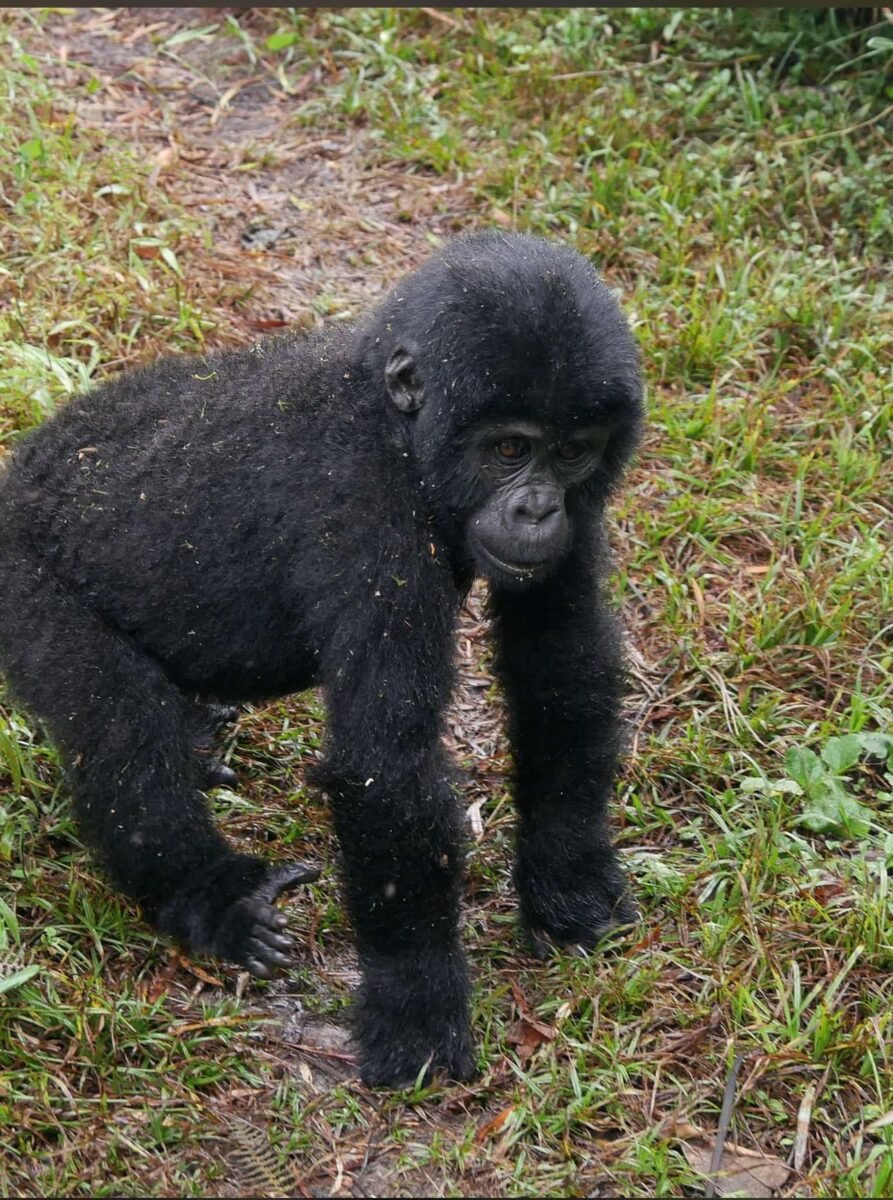
Uganda protects two national parks where visitors can meet mountain gorillas. Travelers often ask Zamunda Travels the same question: Mgahinga vs Bwindi, which one should we choose? The honest answer depends on your goals, your budget and your travel dates. Bwindi offers the larger choice of gorilla families and permits. Mgahinga offers a quieter, more intimate encounter and a rare chance to track golden monkeys. This guide compares both parks in detail, so you can book with confidence.
Mgahinga vs Bwindi: The Quick Answer
Bwindi is the better choice for most first-time visitors. The park protects more than twenty habituated gorilla families, and its four trekking sectors give you plenty of flexibility. Permits stay easier to secure, and lodges range from simple to luxurious. Mgahinga suits a different traveler. It hosts a single habituated family, but it rewards you with a peaceful trek, volcano scenery and golden monkeys. Zamunda Travels often recommends Bwindi for reliability and Mgahinga for exclusivity. Therefore, the “better” park is the one that matches your priorities.
About Bwindi Impenetrable National Park
Bwindi sits in southwestern Uganda, across the districts of Kanungu, Kabale and Kisoro. It protects an ancient, dense rainforest that rises and falls across steep, misty hills. The park is famous for its gorillas, and it shelters roughly half of the world’s remaining mountain gorillas. Researchers count about 400 individuals within its boundaries. UNESCO listed the forest as a World Heritage Site because of its rich biodiversity. Beyond gorillas, Bwindi shelters chimpanzees, colobus monkeys, forest elephants and hundreds of bird species. Birdwatchers especially love the park, since it hosts many Albertine Rift endemics.
Uganda Wildlife Authority splits the park into four trekking sectors: Buhoma, Ruhija, Rushaga and Nkuringo. Each sector has its own habituated gorilla families, its own scenery and its own lodges. Buhoma lies in the north and offers the easiest access from the main road. Ruhija sits in the east and provides beautiful views and good birding. Rushaga and Nkuringo lie in the south, and they hold the highest number of gorilla families. Consequently, travelers who book with Zamunda Travels can select the sector that suits their fitness level and schedule.
About Mgahinga Gorilla National Park
Mgahinga is much smaller than Bwindi, yet it packs a great deal into its compact area. The park sits in the far southwest corner of Uganda, on the border with Rwanda and the Democratic Republic of Congo. It forms part of the Virunga Massif, a chain of volcanoes shared by all three countries. Three extinct volcanoes dominate the landscape: Muhavura, Gahinga and Sabinyo. Bamboo forest, montane woodland and open moorland cover their slopes. This mix of habitats supports mountain gorillas, golden monkeys, buffalo, bushbuck and many bird species.
The park also holds cultural value. The Batwa people, who once lived in these forests as hunter-gatherers, now share their heritage through guided cultural experiences. Visitors can walk with Batwa guides, hear their stories and visit the Garama Cave. As a result, a trip to Mgahinga blends wildlife, culture and dramatic mountain scenery in one small area.
Mgahinga vs Bwindi: Gorilla Families and Sighting Chances
Bwindi holds more than twenty habituated gorilla families spread across its four sectors. This large number gives Bwindi a major advantage. Uganda Wildlife Authority assigns only eight visitors to each family every day, so the park can host many trekkers at once. If one family moves far away, guides can often assign visitors to another group in the same sector. That flexibility helps travelers who book close to their travel date.
Mgahinga has only one habituated family, called Nyakagezi. Reports describe a group of around ten gorillas, including several silverbacks. Only eight permits go on sale each day for this family. Because of this limit, permits sell out quickly in peak months. The Nyakagezi group also has a history of wandering across the border into Rwanda and the Democratic Republic of Congo. Their range has recently stayed inside Uganda, but border crossings remain possible. When the family crosses over, trekkers must wait for its return, or they may need to change their plans. Zamunda Travels therefore advises visitors to allow extra days in Mgahinga, so a delay does not spoil the trip.
Sighting chances remain high in both parks. Trackers leave early each day to locate the gorillas before the visitors set out. Nothing in nature is guaranteed, but most trekkers meet their gorillas in either park.
Mgahinga vs Bwindi: Permits, Costs and Availability
The permit price is the same in both parks. Uganda Wildlife Authority charges US$800 per person for foreign non-residents. Foreign residents pay US$700, and other African citizens pay US$500. East African citizens pay UGX 300,000. The permit covers your park entry, your ranger guide and one hour with the gorillas. It does not cover accommodation, transport, meals, porters or tips. Uganda’s permit costs far less than Rwanda’s, where a standard permit costs US$1,500. Please note that tariffs change, so Zamunda Travels always confirms current rates with the wildlife authority before we quote a price.
Bwindi also offers a special option that Mgahinga lacks. The gorilla habituation experience lets you spend up to four hours with a gorilla family that is still learning to accept humans. It costs US$1,500 per person for foreign non-residents. Travelers who love photography or long, patient observation often choose this option.
Availability differs sharply between the two parks. Bwindi has many permits every day, but the best dates still sell out months ahead. Experts suggest booking three to six months early for the dry seasons of June to September and December to February. Mgahinga has just eight permits daily, yet fewer travelers ask for them. Therefore, last-minute permits are sometimes easier to find in Mgahinga. However, this is never certain, so early booking remains the safest plan.
Trekking Difficulty and Terrain
Mgahinga vs Bwindi: Which Trek Is Harder?
Both treks demand a reasonable level of fitness. Trekking times vary widely because the gorillas move each day. A trek can last one hour or stretch beyond six hours. In Bwindi, you climb and descend steep, muddy slopes through thick vegetation. The forest is dense, and the trails can be slippery after rain. In Mgahinga, you walk across volcanic foothills, through farmland and into bamboo forest. Many visitors find Mgahinga slightly gentler, although the altitude makes the air thinner. Guides adjust the pace, and porters help carry your bag. Zamunda Travels strongly recommends hiring a porter in either park. It costs little, it supports local families, and it makes the hike easier.
Other Wildlife and Activities
Bwindi and Mgahinga both offer extra activities beyond gorilla trekking. In Bwindi, you can join a forest walk to look for birds, butterflies and monkeys. Chimpanzee and habituation experiences add variety. The Buhoma community walks show visitors how local people live around the forest. In addition, Bwindi’s waterfall trail and Munyaga River walks provide relaxed alternatives.
Mgahinga has a unique attraction: golden monkey tracking. The golden monkey lives in the Virunga Massif and nowhere else in Uganda. It has a golden coat and a playful nature. A habituated group in the bamboo forest allows guided visits of up to one hour. Mgahinga also offers volcano hikes, and fit travelers can climb Sabinyo, Gahinga or Muhavura. Muhavura, at more than 4,000 meters, rewards climbers with sweeping views. Consequently, Mgahinga suits active travelers who want more than one primate encounter.
Where to Stay and How to Get There
Bwindi offers the widest range of lodges. You will find budget guesthouses, comfortable mid-range camps and high-end eco-lodges. Each sector has its own choices, so your lodge depends on the sector where your permit falls. Roads to Bwindi are long, but Zamunda Travels can arrange a private driver or a domestic flight to a nearby airstrip.
Mgahinga has fewer lodges, but several offer beautiful volcano views. Most sit close to Kisoro town or near the park gate. The drive from Kampala takes about eight to ten hours. Alternatively, you can cross from Rwanda through the Cyanika border, which makes Mgahinga attractive for combined Uganda and Rwanda trips. Zamunda Travels can build either route into your itinerary.
Who Should Choose Which Park?
Choose Bwindi if you want the widest choice of permits, dates and lodges. It suits first-time visitors, families, birders and travelers with fixed schedules. It also suits anyone who wants the four-hour habituation experience. Choose Mgahinga if you want a smaller, quieter trek and a chance to see golden monkeys. It suits adventurous travelers who enjoy volcano hikes and cultural encounters. It also suits people who plan to visit Rwanda, since the border sits close by.
Some travelers want both experiences. In that case, Zamunda Travels can combine the two parks in one safari. You could trek gorillas in Bwindi, then travel to Mgahinga for golden monkeys, culture and volcano views. This plan takes five to seven days, and it offers a wonderful variety.
Final Verdict on Mgahinga vs Bwindi
So, which park wins? Bwindi wins on choice, flexibility and lodge variety. Mgahinga wins on peace, volcano scenery and golden monkeys. Both parks charge the same permit price, and both deliver an unforgettable hour with mountain gorillas. Your decision depends on how you travel. If you value certainty, pick Bwindi. If you value quiet and variety, pick Mgahinga. Either way, book your permit early and prepare for rain, mud and long walks.
Zamunda Travels handles permits, lodges, transport and porters, so you can focus on the adventure. Contact Zamunda Travels today, and let our team design the gorilla safari that fits you best.