How to Get to Kidepo Valley National Park
September 25, 2026
How Far Is Kidepo Valley National Park from Kampala?
September 26, 2026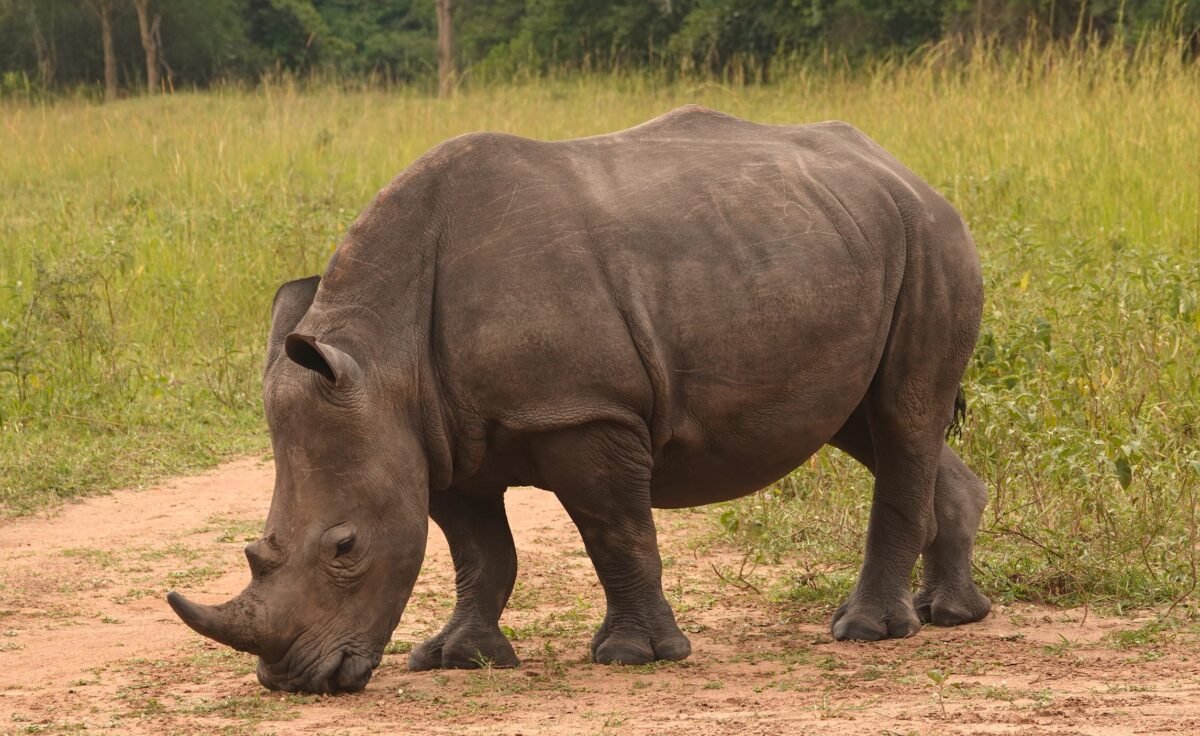
Uganda’s wildlife story just gained a new chapter, and Zamunda Travels is thrilled to share it with you. After more than four decades of silence, rhinos in Kidepo Valley National Park are once again part of the landscape. This return marks one of the most significant conservation milestones in East Africa, and it opens fresh, thrilling possibilities for travelers who book their safari with Zamunda Travels.
A Historic Return: Rhinos in Kidepo Valley Story Begins
The last wild rhino in Uganda died in the Narus Valley in 1983. Poachers killed it, ending the species’ presence in the park for more than four decades. For over forty years, Kidepo’s plains stood without this iconic giant. That changed on March 17, 2026, when conservationists finally reversed the trend. Two white rhinos arrived in Kidepo Valley National Park, part of a wider plan to eventually release eight rhinos into the protected area.
Dr. James Musinguzi, the Executive Director of the Uganda Wildlife Authority, called the moment a turning point. He described the exercise as a major milestone in Uganda’s conservation journey and said it marks the beginning of a new rhino story for the park. Zamunda Travels believes every guest who visits now becomes part of that unfolding story too.
Where the Rhinos in Kidepo Valley Came From
Every returning rhino carries a remarkable backstory. The translocated animals originally came from a breeding program established at Ziwa Rhino Sanctuary in 2005. Ziwa took in the first rescued rhinos after poaching and civil conflict wiped the species from Uganda’s wild spaces. Patient breeding paid off over time. After two decades of protection, the sanctuary’s population grew to fifty-four rhinos, finally allowing translocation efforts to begin.
Moving these massive animals required serious planning. The team transported the rhinos across more than four hundred kilometers of diverse terrain, using specialized crates and heavy-duty trucks. Wildlife officials did not rush the process. Additional rhinos also arrived from Kenya, forming part of one of Africa’s first cross-border wildlife exchanges. Zamunda Travels finds this international cooperation genuinely inspiring, and we love telling guests this backstory during game drives.
Building a Secure Sanctuary for Rhinos in Kidepo Valley
Conservationists prepared the ground long before any animal set foot in the park. Extensive groundwork included establishing a secure rhino sanctuary supported by perimeter fencing, access roads, firebreaks, ranger facilities, water infrastructure, and monitoring systems. Rangers now watch over the rhinos around the clock. The sanctuary features advanced monitoring technology alongside twenty-four-hour armed ranger patrols, and reliable water infrastructure helps the animals adapt to Kidepo’s semi-arid climate.
This careful approach protects a fragile, hard-won achievement. Rangers track each rhino’s health daily. Veterinary teams check on the animals regularly too. Zamunda Travels appreciates this dedication, since it directly protects the safari experiences we build for our guests.
Why Rhinos in Kidepo Valley Matter for Conservation
Bringing rhinos back does more than restore a single species. Kidepo Valley National Park represents one of Uganda’s most intact savannah ecosystems, and reintroducing southern white rhinos restores a key component of that ecosystem. Every large herbivore shapes vegetation patterns and supports countless smaller species around it. Restoring rhinos therefore strengthens the entire food web.
The effort also fits into a much bigger national vision. Officials designed the exercise to align with the National Rhino Conservation Strategy for Uganda, a framework built to restore rhino populations within their historical range. Researchers didn’t choose Kidepo randomly either. A feasibility study assessed suitable habitats, ecological requirements, and security conditions before selecting protected areas for restoration. That same study singled out Kidepo as an excellent fit.
Ambitions stretch even further into the future. Officials plan to reintroduce the critically endangered black rhino to the region once security infrastructure is fully established. Zamunda Travels finds this long-term commitment reassuring, and it gives our guests confidence that this isn’t a fleeting publicity moment.
Partners Behind the Rhinos in Kidepo Valley Project
No single organization achieved this milestone alone. Wild Landscapes East Africa, the Northern Rangelands Trust, and the Uganda Conservation Foundation all supported sanctuary development, infrastructure preparation, and logistical planning. These partnerships combined technical expertise with vital funding. Dr. Musinguzi personally praised this teamwork. He credited conservation partners for their technical expertise, financial support, and logistical contributions to the milestone.
Collaboration like this rarely happens by accident. It takes years of trust-building between governments, nonprofits, and local communities. Zamunda Travels salutes every partner who made this comeback possible, because their work directly enriches the safaris we offer today.
Experience Rhinos in Kidepo Valley with Zamunda Travels
Kidepo Valley National Park already ranks among Uganda’s most rewarding, remote safari destinations. Now it offers something even rarer: a living rhino conservation story unfolding in real time. Guests who travel with Zamunda Travels can witness this recovery firsthand, alongside the park’s famous lions, cheetahs, and enormous herds of buffalo.
Our guides weave the rhino reintroduction narrative into every Kidepo itinerary. We explain how Ziwa Rhino Sanctuary nurtured these animals for years. We describe the careful journey each rhino made across hundreds of kilometers. Most importantly, we show guests why this recovery matters for Uganda’s wider conservation future.
Booking with Zamunda Travels also supports the very partnerships driving this success. Tourism revenue funds ranger salaries, sanctuary maintenance, and future translocation efforts. Every safari you take genuinely helps rebuild Kidepo’s rhino population.
Plan Your Visit and Witness Rhinos in Kidepo Valley
Few travel experiences match watching a once-extinct species reclaim its ancestral home. Zamunda Travels designs custom Kidepo itineraries that include dedicated time near the rhino sanctuary, paired with the park’s other spectacular wildlife encounters. Northern Uganda’s rugged, dry-season landscapes create a dramatic backdrop for these sightings.
Contact Zamunda Travels today to build your Kidepo Valley safari around this historic wildlife comeback. Few destinations anywhere in Africa offer such a fresh, ongoing conservation story to witness in person.