How Many Days Do You Need in Queen Elizabeth National Park?
September 3, 2026
Queen Elizabeth National Park Entrance Fees and Safari Costs
September 3, 2026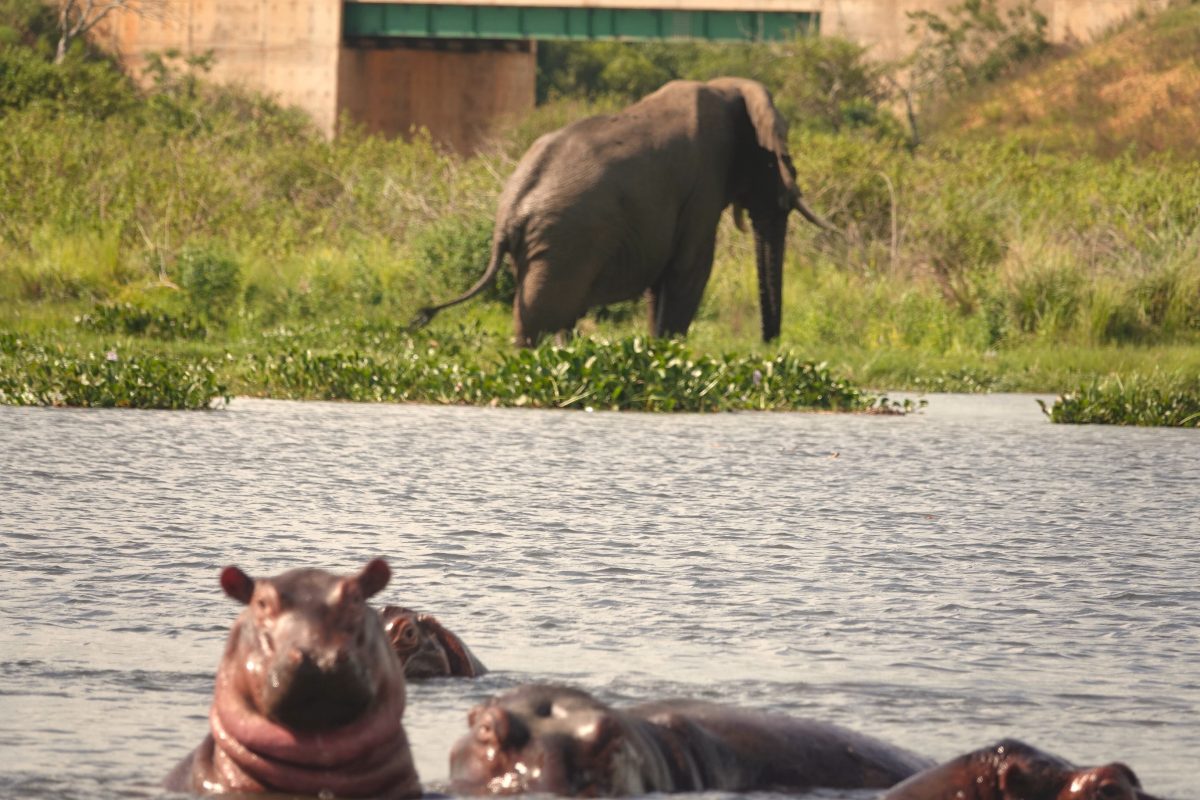
Queen Elizabeth National Park is one of Uganda’s most famous wildlife destinations and a major highlight of any Uganda safari. But where exactly is this remarkable national park located? Queen Elizabeth National Park is located in western Uganda, within the Albertine Rift Valley. The park lies between Lake George in the northeast and Lake Edward in the southwest. It also includes the famous Kazinga Channel, which connects the two lakes. Its location places it close to several other important tourist attractions, including Kibale National Park, Rwenzori Mountains National Park, and the Ishasha sector near the Democratic Republic of Congo border.
For travelers planning a safari with Zamunda Travels, understanding the location of Queen Elizabeth National Park makes it easier to plan routes, choose accommodation, and combine the park with other destinations. The park covers about 1,978 square kilometers and sits across several districts in western Uganda. Its varied landscape includes open savannah, forests, wetlands, crater lakes, and lakeshores. This diversity helps explain why the park supports such a wide range of wildlife and bird species.
Where Is Queen Elizabeth National Park in Uganda?
Queen Elizabeth National Park is located in western Uganda, approximately 376 kilometers southwest of Kampala according to recent Uganda Wildlife Authority documentation. However, travelers should note that driving distances can vary depending on the route, entry point, and destination within the park. UWA also gives a road distance of about 410 kilometers from Kampala on its visitor information page. Therefore, the actual distance experienced by a safari traveler depends on the specific route and park sector included in the itinerary.
The park sits within the Albertine Rift Valley, one of Africa’s most important areas for biodiversity. It stretches from the Lake George area in the northeast toward Lake Edward in the southwest. The park also lies near the southern end of the Rwenzori Mountains, creating a dramatic landscape where savannah plains meet mountain scenery. To the west, Lake Edward forms part of the park’s boundary with the Democratic Republic of Congo.
This western Ugandan location gives Queen Elizabeth National Park an important position on many classic Uganda safari routes. Visitors can reach the park from Kampala through different road corridors. A common route passes through Mbarara, Bushenyi, and Kasese. Another route travels through Fort Portal toward Kasese. Zamunda Travels can help travelers select the most suitable route based on their safari duration, accommodation, and other destinations included in the trip.
Which District Is Queen Elizabeth National Park Located In?
The question of which district contains Queen Elizabeth National Park can be slightly confusing because the protected area extends across more than one district. UWA’s recent documentation identifies the park as spanning Kasese, Kanungu, Rukungiri, and Rubirizi districts. Earlier UWA planning documentation also described the wider Queen Elizabeth Protected Area as extending across additional districts, including Mitooma, Ibanda, and Kamwenge. This difference reflects the distinction between the national park itself and the broader protected-area landscape associated with it.
Kasese District is particularly important for visitors because Kasese town lies close to the northeastern side of the park. It also provides a useful access point for travelers visiting the northern and central areas of Queen Elizabeth National Park. Rubirizi District is another important area around the park, while Kanungu and Rukungiri connect to the southern and western landscapes.
For a safari organized by Zamunda Travels, the district you travel through may depend on which part of Queen Elizabeth National Park you visit. For example, travelers heading toward Ishasha may follow a different route from those visiting Mweya, Kyambura Gorge, or the northern crater-lake area.
Where Is Queen Elizabeth National Park on the Map?
On a map of Uganda, Queen Elizabeth National Park appears in the western part of the country. Its approximate geographical coordinates are 0.2000° South and 30.0000° East. The park sits close to the equator, making its location especially interesting for visitors. UWA notes that the equator passes through the park, and visitors can see markers showing where the equatorial line crosses the area.
The park’s position also places it within a larger network of protected areas. Kibale National Park lies to the northeast, while Rwenzori Mountains National Park lies to the northwest. Lake George lies toward the northeastern side of Queen Elizabeth National Park, while Lake Edward extends along the southwestern side. The Democratic Republic of Congo lies beyond the western boundary of the park.
This geographical setting is one reason Queen Elizabeth National Park works so well in a longer Uganda safari. Travelers can combine wildlife viewing in Queen Elizabeth with chimpanzee trekking in Kibale, mountain experiences around the Rwenzori region, or gorilla trekking farther south in Bwindi Impenetrable National Park.
How Far Is Queen Elizabeth National Park From Kampala?
Queen Elizabeth National Park is roughly 376 to 410 kilometers from Kampala, depending on the reference point and route used. UWA’s recent project documentation gives approximately 376 kilometers, while its visitor information page states about 410 kilometers or 255 miles by road. These figures should not be treated as one fixed travel distance because Queen Elizabeth National Park covers a large area with several access points.
A road journey from Kampala generally takes several hours. UWA indicates that the direct drive can take at least 7 to 8 hours, although a safari itinerary often takes longer because travelers may stop along the way. Zamunda Travels can plan the journey around suitable breaks, scenic viewpoints, lunch stops, and other attractions. This approach makes the transfer part of the safari rather than simply a long drive between destinations.
Travelers should also consider their final destination within the park. A journey to the Mweya area may differ from a journey toward Ishasha. Therefore, asking only for the distance from Kampala can sometimes give an incomplete picture. Your entry gate and lodge location matter just as much.
How Do You Get to Queen Elizabeth National Park?
Travelers can reach Queen Elizabeth National Park by road or air. Road travel remains the most common option for safari visitors because it allows travelers to experience Uganda’s countryside along the way. From Kampala, routes can pass through Mbarara and Bushenyi before reaching the park and Kasese. Another route passes through Fort Portal toward Kasese.
Air travel provides a faster alternative for travelers with limited time or those seeking a fly-in safari. UWA states that visitors can use nearby airstrips such as Kasese, Mweya, and Kihihi, depending on their safari sector. Flights can operate from Entebbe International Airport or Kajjansi Airfield. Kihihi is particularly useful for travelers visiting the Ishasha area.
For international visitors, Zamunda Travels can coordinate airport transfers, domestic flights, ground transportation, accommodation, and activities. This can be especially useful when combining Queen Elizabeth National Park with Bwindi, Kibale, Murchison Falls, or other Ugandan destinations.
What Is Near Queen Elizabeth National Park?
The location of Queen Elizabeth National Park makes it possible to combine several attractions within one Uganda safari. Kibale National Park lies to the northeast and is well known for chimpanzee trekking and other primate experiences. Rwenzori Mountains National Park lies to the northwest and offers access to the spectacular Rwenzori mountain landscape.
The park itself contains several important attractions. The Kazinga Channel connects Lake George and Lake Edward and provides one of the most popular wildlife experiences in the park. Boat trips along the channel offer opportunities to see hippos, elephants, buffaloes, crocodiles, and numerous water birds. UWA describes the channel as a major wildlife attraction within Queen Elizabeth National Park.
Further south, the Ishasha sector is famous for its tree-climbing lions. The park also offers access to Kyambura Gorge, where visitors can participate in chimpanzee tracking. Forests, crater lakes, savannah plains, and wetlands add further variety to the safari experience.
Why Is the Location of Queen Elizabeth National Park Important?
The location of Queen Elizabeth National Park contributes greatly to its ecological importance. The park sits within the Albertine Rift Valley and contains several interconnected habitats. These include savannah grasslands, forests, wetlands, crater lakes, and large water bodies. As a result, the area supports a remarkable variety of wildlife and birds. UWA currently describes the park as covering approximately 1,978 square kilometers, with more than 95 mammal species and over 600 bird species.
Its position between major lakes also gives the park a strong aquatic component. The Kazinga Channel provides water and habitat for large concentrations of hippos and many other species. Meanwhile, the savannah areas support animals such as elephants, buffaloes, Uganda kobs, lions, and leopards. The Ishasha landscape adds another distinctive feature through its well-known tree-climbing lions.
The location also benefits safari planning. A visitor can combine several different experiences without crossing the entire country. For example, Zamunda Travels can design a western Uganda itinerary that combines Queen Elizabeth National Park with Kibale National Park and Bwindi Impenetrable National Park. This makes the region particularly attractive to travelers interested in wildlife, primates, landscapes, and cultural experiences.
Is Queen Elizabeth National Park Near Bwindi?
Queen Elizabeth National Park is relatively close to Bwindi compared with many other Ugandan safari destinations, but the actual travel time depends heavily on the specific sectors being visited. Queen Elizabeth extends over a large area, while Bwindi also has several trekking sectors. Therefore, the distance between the two destinations changes according to your starting point and final trekking sector.
The southern Ishasha sector can work particularly well in an itinerary connecting Queen Elizabeth with Bwindi. Travelers may visit Ishasha before continuing south toward the Bwindi region. This route is popular because it can combine traditional savannah wildlife viewing with the mountain-forest environment of Bwindi.
Zamunda Travels can arrange this combination for travelers who want to experience both wildlife and gorilla trekking in one Uganda safari. The itinerary can also include Kibale National Park for chimpanzee tracking, creating a broader primate and wildlife experience.
Is Queen Elizabeth National Park on the Equator?
Yes. Queen Elizabeth National Park lies across the equator. This is one of the interesting geographical features of the destination. Visitors can experience the equatorial environment while exploring the park’s savannahs, lakes, forests, and wetlands. UWA highlights the equator as one of the distinctive features of Queen Elizabeth National Park.
The equatorial location also adds an interesting stop to a Uganda safari. Travelers can learn about the geographical significance of the equator while continuing their journey through western Uganda. Depending on the itinerary, Zamunda Travels can incorporate an equator experience alongside wildlife viewing and other attractions.
What Can You See in Queen Elizabeth National Park?
The location and varied habitats of Queen Elizabeth National Park support an impressive range of wildlife. Commonly encountered species include elephants, buffaloes, hippos, Uganda kobs, waterbucks, lions, and leopards. The park also supports several primate species, including chimpanzees in areas such as Kyambura Gorge.
Birdwatchers also have plenty to explore. The park’s lakes, wetlands, forests, and grasslands create habitats for many bird species. UWA reports more than 600 bird species within the park, making it one of Uganda’s important birding destinations.
One of the most memorable experiences is a boat safari on the Kazinga Channel. The waterway attracts large numbers of hippos and provides excellent opportunities to observe animals and birds from the water. A game drive can then complement the boat trip by taking visitors deeper into the savannah habitats.
Best Time to Visit Queen Elizabeth National Park
Queen Elizabeth National Park can be visited throughout the year. However, different seasons can offer different safari experiences. During drier periods, wildlife often gathers around available water sources, which can make animal sightings easier in some areas. The vegetation may also become less dense, improving visibility during game drives.
The wetter periods bring greener landscapes and can be rewarding for birdwatchers and photographers. Rain can also transform the scenery, creating dramatic skies and lush vegetation. However, some tracks can become more challenging after heavy rainfall.
The best time therefore depends on what you want from your safari. Zamunda Travels can help you choose travel dates based on your preferred activities, budget, wildlife interests, and the other destinations you want to include.
Why Choose Zamunda Travels for a Queen Elizabeth Safari?
Choosing the right safari company can make your experience easier from the planning stage to the final day of your trip. Zamunda Travels specializes in Uganda and Rwanda safari experiences and can organize trips to Queen Elizabeth National Park according to your travel interests and available time.
The company can help arrange transportation, accommodation, game drives, boat trips, chimpanzee experiences, and connections to other destinations. You can also combine Queen Elizabeth National Park with Kibale, Bwindi, Lake Bunyonyi, Murchison Falls, or other destinations depending on the length of your safari.
Most importantly, a well-planned itinerary considers the geography of the park. Queen Elizabeth National Park is large, so choosing the right sector and lodge can reduce unnecessary driving. Zamunda Travels can build the itinerary around your preferred activities and ensure that the route makes practical sense.
In conclusion, Queen Elizabeth National Park is located in western Uganda, within the Albertine Rift Valley and close to the Rwenzori Mountains, Lake George, Lake Edward, and the Democratic Republic of Congo border. The park covers about 1,978 square kilometers and stretches across several districts, with Kasese, Kanungu, Rukungiri, and Rubirizi among the districts identified in recent UWA documentation.
Its central location in western Uganda makes it an excellent addition to a longer safari. Visitors can enjoy game drives, boat trips on the Kazinga Channel, chimpanzee tracking, birdwatching, crater-lake scenery, and the famous tree-climbing lions of Ishasha. The park also connects naturally with other major destinations in western Uganda.
If you are planning a Uganda safari and want to explore Queen Elizabeth National Park, Zamunda Travels can help you create a practical itinerary that combines wildlife, primates, landscapes, and cultural experiences.