The Complete Guide to Queen Elizabeth Safari
August 16, 2026
Wildlife Projects in Uganda and Their Role in Conservation
August 16, 2026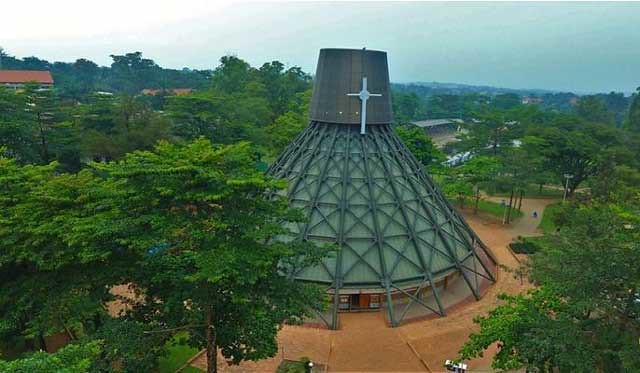
Uganda holds many treasures, but few places carry the emotional weight of the Namugongo Shrine. Every year, this quiet township near Kampala transforms into one of Africa’s largest pilgrimage grounds. Visitors arrive from across East Africa, Europe, and beyond. They come to walk the same ground where a group of young men chose faith over fear. Zamunda Travels has guided countless guests through this site, and the questions never change: why does this shrine matter so much, and what makes it famous around the world? This blog answers both questions with well-researched facts, real history, and practical travel insight.
What Is the Namugongo Shrine?
The Namugongo Shrine sits in Kira Municipality, Wakiso District, roughly 11 to 17 kilometers northeast of Kampala’s city center. The site actually contains two shrines standing side by side: the Catholic Basilica of the Uganda Martyrs and the Anglican Martyrs Shrine. Both memorials honor the same tragic history, yet each reflects a distinct architectural and spiritual tradition. Pilgrims often visit both shrines during a single trip, since they sit within walking distance of one another. Zamunda Travels always includes both stops on its Namugongo Shrine itineraries, because understanding the full story requires seeing both sides of the memory.
The History Behind Namugongo Shrine
The story begins in the 1880s, when Christian missionaries introduced their faith to the Buganda Kingdom. Many young pages serving in the royal palace embraced this new religion quickly. Kabaka Mwanga II, the ruler of Buganda at the time, viewed this shift with growing suspicion. He believed the converts’ loyalty to their new faith threatened his authority over the kingdom. As tension rose, he demanded that his pages abandon Christianity and return to traditional practices.
Kabaka Mwanga and the Persecution of Christians
Several pages refused to renounce their beliefs, and their defiance angered the king. Between 1885 and 1887, Mwanga ordered the execution of 45 Christian converts, made up of 22 Catholics and 23 Anglicans. Charles Lwanga, the recognized leader of the Christian community, was among those sentenced to die. The youngest of the group, a boy named Kizito, was only thirteen or fourteen years old when he faced execution. Their story spread quickly, and it eventually reshaped how the world understood the strength of Ugandan Christian communities.
The Final Days at Namugongo Shrine
The condemned men were first held and sentenced at Munyonyo, a site roughly 50 kilometers away. From there, they were marched toward Namugongo, the designated execution ground of the Buganda Kingdom. Some martyrs were killed along the journey, while others reached Namugongo itself. On June 3, 1886, twelve Catholic martyrs, including Charles Lwanga, were burned alive at this exact spot. That single date now anchors the entire identity of the Namugongo Shrine and drives its annual commemoration.
Why the Namugongo Shrine Attracts Millions of Pilgrims
Faith alone does not explain the scale of devotion this site receives, though it certainly plays the central role. Recognition from the highest levels of the Catholic Church transformed Namugongo from a local memorial into a global pilgrimage destination. Pope Benedict XV beatified the martyrs in 1920, and Pope Paul VI canonized them as saints on October 18, 1964. That canonization elevated their story far beyond Uganda’s borders and placed Namugongo on the map for Catholic pilgrims worldwide.
The Annual Martyrs Day Celebration
Every June 3rd, crowds gather at the shrine to mark Uganda Martyrs Day. Attendance numbers vary each year, but some celebrations have drawn well over a million pilgrims. In 2015 alone, organizers estimated that roughly two million people attended the event. Visitors travel from Kenya, Tanzania, Rwanda, South Sudan, and several other African nations to take part. International pilgrims from Europe, Asia, and the Americas also join the celebration, turning Namugongo into a genuinely global gathering each year.
Papal Visits That Elevated the Shrine’s Status
Three popes have personally visited the Namugongo Shrine, and each visit added weight to its global reputation. Pope Paul VI traveled there in 1969, becoming the first reigning pope to visit sub Saharan Africa. Pope John Paul II followed in 1993 and elevated the Catholic shrine to the status of a minor basilica. Pope Francis later celebrated Mass at Namugongo in 2015 during his own tour of Uganda. These visits confirmed the shrine’s importance within the wider Catholic world and encouraged even more pilgrims to make the journey.
The Architecture and Design of Namugongo Shrine
The Catholic basilica’s circular design draws direct inspiration from traditional African hut architecture, a choice that grounds the building firmly in local culture. Copper domes rise above the structure, and the doors depict scenes from the martyrs’ lives and final days. Construction began decades after the martyrdom itself, with the Mill Hill Missionaries establishing a parish on the site in 1935. The basilica that stands today was completed in 1967 and was officially dedicated on June 3 of that year. This blend of local design and sacred history gives the Namugongo Shrine a look that visitors rarely forget.
Visiting Namugongo Shrine with Zamunda Travels
Understanding the history is one thing, but standing on the actual ground carries a different kind of impact entirely. Zamunda Travels arranges guided tours that walk visitors through both the Catholic basilica and the Anglican shrine in a single, well paced day. Local guides working with Zamunda Travels explain each landmark in detail, from the execution site itself to the museum exhibits nearby. Guests consistently describe the experience as moving, educational, and far richer than a typical sightseeing stop.
What to Expect on a Namugongo Shrine Tour
A typical Zamunda Travels itinerary begins with a guided walk through the basilica grounds and its surrounding gardens. Visitors then explore the museum, which houses artifacts and detailed accounts of the martyrs’ final months. The tour continues to the Anglican shrine, where guides explain how both denominations remember the same historical events. Most visits last between two and three hours, though Zamunda Travels can extend the schedule for guests who want a deeper cultural experience.
Best Time to Visit
Travelers who want the full atmosphere should plan a visit around June 3rd, when Martyrs Day celebrations fill the grounds with music, prayer, and thousands of pilgrims. However, those who prefer a quieter, more reflective experience should consider visiting during the off peak months instead. Zamunda Travels recommends weekday mornings for smaller crowds and better access to guides. Either option delivers a meaningful visit, since the shrine’s significance never depends on the size of the crowd.
Nearby Attractions to Combine With Namugongo Shrine
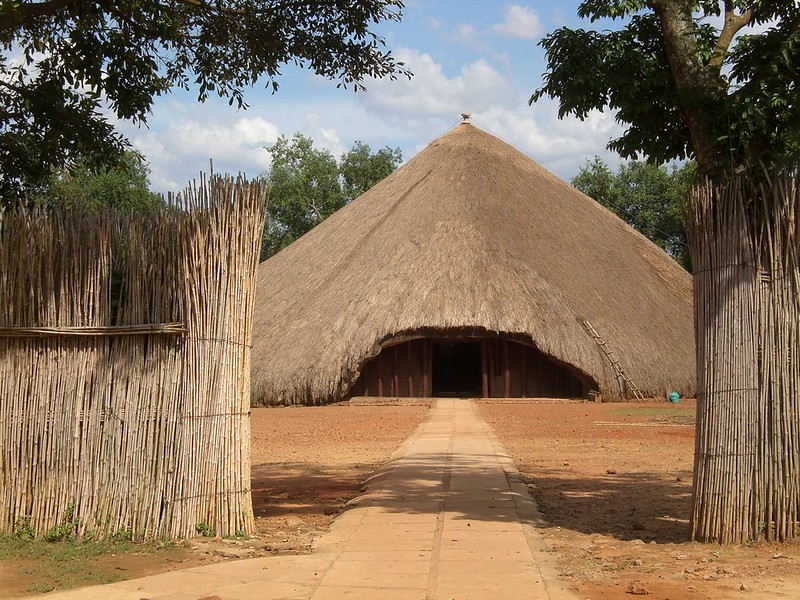
Kampala sits close enough to Namugongo that travelers can easily combine the shrine with other cultural stops in one trip. The Munyonyo Martyrs Shrine, where the martyrs were first sentenced, adds important context to the Namugongo story. Kasubi Tombs, the burial site of past Buganda kings, offers another layer of insight into the kingdom’s history. Zamunda Travels often pairs these sites into a single cultural day trip, giving visitors a fuller picture of Uganda’s religious and royal heritage in one itinerary.
Final Thoughts
The reasons behind the famous Namugongo Shrine reach far beyond a single event from the 1880s. Courage, faith, royal politics, and decades of papal recognition all combined to shape this site into what it is today. Millions of pilgrims return each year not simply to observe history, but to feel connected to it. Zamunda Travels continues to bring travelers to this remarkable site, helping each guest understand why Namugongo remains one of Uganda’s most powerful destinations.