Is Gorilla Trekking in Bwindi Worth It?
September 30, 2026
Gorilla Habituation Experience in Bwindi
September 30, 2026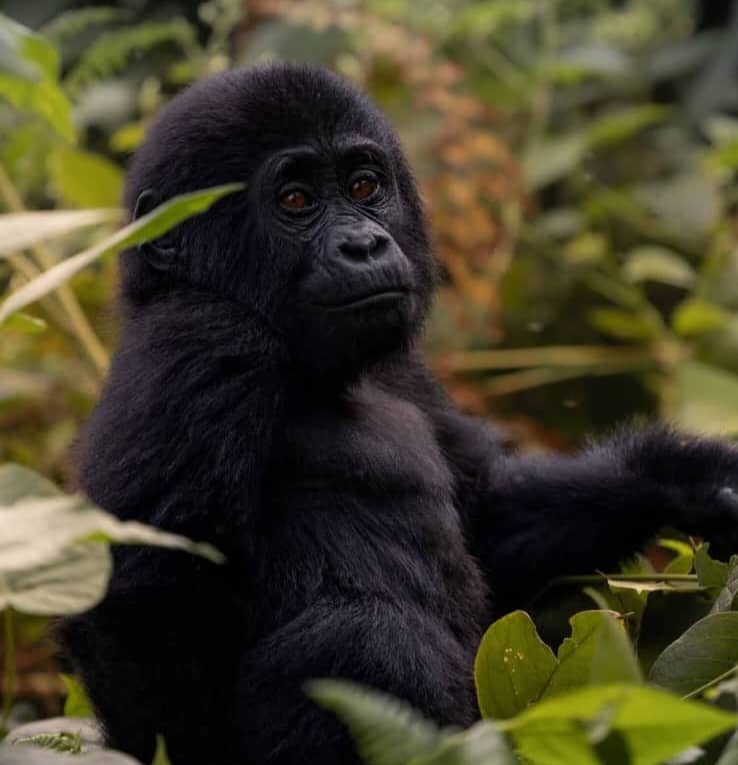
Bwindi gorilla trekking ranks among the most moving wildlife experiences on Earth. Zamunda Travels designs these journeys for first-time visitors who want clear guidance before they commit. Bwindi Impenetrable National Park in south-western Uganda shelters close to half of the world’s remaining mountain gorillas. You walk into an ancient rainforest, meet a habituated family, and spend a full hour in its company. That hour often stays with travellers for life. Still, a first trek raises many questions. How much does a permit cost? Which sector should you choose? How fit must you be? This guide answers each question in plain language, and it draws on current Uganda Wildlife Authority (UWA) rules so you can plan with confidence.
Why Bwindi Gorilla Trekking Suits First-Time Visitors
First-time visitors often worry that a gorilla trek demands extreme skill. In reality, Bwindi gorilla trekking welcomes ordinary travellers who walk at a steady pace. UWA assigns no more than eight visitors to each gorilla family, so the experience stays intimate and calm. Trained guides lead every group, and armed rangers walk alongside to keep everyone safe from forest hazards. Zamunda Travels adds another layer of support by arranging transport, lodging, permits, and porters in one package. Consequently, you can focus on the forest instead of the logistics. Uganda also offers strong value. The standard permit costs less than a comparable permit in Rwanda, while the forest feels wilder and less crowded. Furthermore, your fees fund anti-poaching patrols and community projects, so every trek helps protect the animals you came to see.
Understanding Bwindi Impenetrable National Park
Bwindi Impenetrable National Park covers about 320 square kilometres of steep, mist-covered hills. The park rises from roughly 1,160 metres to more than 2,600 metres above sea level, and this range creates a rich mix of habitats. UNESCO listed Bwindi as a World Heritage Site in 1994 because of its exceptional biodiversity. Scientists count more than 100 mammal species and over 350 bird species here. Many of those birds are Albertine Rift endemics, which live nowhere else. The forest is also very old. It survived the last ice age, and this long history explains its dense tangle of trees, vines, and ferns.
The gorillas remain the main attraction. The 2018 census counted about 459 mountain gorillas in Bwindi, and numbers have grown steadily since then. Park teams spend two to three years habituating each family, which means trackers visit daily until the gorillas accept human presence. After that process ends, small groups can watch the family safely. Therefore, a trek here is not a zoo visit. You meet wild animals that simply tolerate your quiet company.
Choosing a Sector for Your Bwindi Gorilla Trekking Adventure
Bwindi has four trekking sectors, and each one offers a different flavour of adventure. Since the 2026 tariff changes, visitors book a sector rather than a specific gorilla family. UWA then assigns your group to a family on the morning of the trek. Because of this system, you should choose your sector by terrain, lodging, and scenery.
Buhoma and Ruhija: North and East
Buhoma lies in the north and serves as the oldest and most developed sector. Gorilla tourism began there in 1993, and the area now offers the widest range of lodges. Its trails are generally gentler, so many first-time visitors start here. Ruhija sits in the east at about 2,300 metres, which makes it the highest sector. The air feels cooler, the crowds stay smaller, and birders love the area for its many Albertine Rift species. Zamunda Travels often recommends Ruhija to travellers who want gorillas and birdlife in one trip.
Rushaga and Nkuringo: The South
Rushaga has the most habituated families, which means it offers the largest number of permits. It is also the only sector that hosts the Gorilla Habituation Experience, where you spend up to four hours with a semi-habituated family. Nkuringo sits nearby and rewards trekkers with dramatic views. However, its slopes are steep, and the hikes can feel athletic. If you have limited fitness or little time, Zamunda Travels will steer you toward Buhoma or Rushaga instead.
Gorilla Permits: Cost and Booking Rules
A gorilla permit is the key that opens the forest. UWA is the only body that issues permits, and it sets the same price for every operator. For foreign non-residents, a standard permit costs USD 800 per person. Foreign residents pay USD 700, citizens of other African countries pay USD 500, and East African citizens pay UGX 300,000. In February 2026, UWA also introduced a discounted low-season rate. During April, May, and November, the permit for foreign non-residents drops to USD 600, although these discounted permits cannot be rescheduled. The permit covers one hour with the gorillas, park entry on the day, a guide, and armed rangers. It does not cover lodging, transport, or tips.
Booking rules changed in March 2026, so plan carefully. Foreign visitors must now book through a licensed Ugandan tour operator rather than directly with UWA. The old seven-day hold system also ended, which means operators must pay in full at the time of booking. The minimum age is 15, and UWA enforces this rule strictly. Peak-season permits often sell out six to ten months ahead, so you should start early. Zamunda Travels checks availability, secures your permit, and confirms the latest tariff before you pay, because UWA reviews its prices from time to time. If you want a longer encounter, ask us about the habituation experience, which costs considerably more than a standard permit.
Best Time for Bwindi Gorilla Trekking
Gorillas live in the forest all year, so you can trek in any month. Nevertheless, the seasons change your comfort level. The drier periods run from June to September and again from December to February. Trails stay firmer during these months, and photos tend to look clearer. Because demand peaks then, lodges and permits fill quickly. In contrast, the wetter months bring mud, showers, and lush green scenery. April, May, and November carry the lowest permit price, and you will meet fewer visitors on the trail. Bwindi is a rainforest, so rain can fall in any month. Pack a waterproof jacket regardless of your travel dates. Zamunda Travels can match your budget and comfort needs to the right month.
Fitness, Age, and Health Requirements
Treks last anywhere from thirty minutes to six hours or more. The length depends on where the gorillas slept the night before. Trackers leave early and radio the group’s location, but the animals still move as they feed. You will climb and descend steep, slippery slopes at altitude, so moderate fitness helps a great deal. A few weeks of regular walking before you travel can make the trek much easier. Meanwhile, porters offer valuable help. They carry your daypack, steady you on difficult sections, and earn income that supports local families. Zamunda Travels arranges a porter for a modest fee, and we encourage every first-time visitor to hire one.
Health matters for the gorillas as well. Mountain gorillas catch human illnesses easily, and a simple cold can harm them. If you feel sick on the morning of your trek, tell your guide. Rangers may offer options depending on the permit type, so ask before you travel. Uganda also requires a yellow fever vaccination certificate for entry, and your doctor can advise on malaria prevention. Finally, rangers may ask you to wear a face mask near the gorillas.
What to Pack for Your Trek
Good gear turns a tough hike into a comfortable adventure. Start with sturdy, waterproof hiking boots that you have already broken in. Next, wear long trousers and tuck them into thick socks, since forest ants and stinging plants can bite. A long-sleeved shirt protects your arms, while lightweight gardening gloves help you grip branches and vines. Add a rain jacket, a hat, and insect repellent to your daypack. You should also carry plenty of drinking water and a packed lunch, which your lodge will prepare. A camera works well in the forest, but you must switch off the flash. Zamunda Travels sends every guest a detailed packing list before departure.
Your First Day of Bwindi Gorilla Trekking
Your day begins with an early breakfast at the lodge. Around 7:30 or 8:00 am, you gather at the park briefing point, where rangers explain the rules and assign trekking groups. Your guide then leads you into the forest, following the trail that trackers cut earlier that morning. The walk itself is part of the reward. You will hear hornbills overhead, spot colourful butterflies, and perhaps catch sight of forest monkeys.
When the group reaches the gorillas, the mood shifts to hushed wonder. A silverback may sit calmly among the leaves, mothers cradle infants, and juveniles tumble through the vegetation. Your hour begins the moment you arrive. Rangers ask you to stay at least seven metres away, although some guides request more space. Keep your voice low, avoid eating or drinking nearby, and never touch the animals. If a curious youngster approaches, step back slowly and let your guide handle the situation. After sixty minutes, the rangers signal the end of your visit, and you hike back to the trailhead. Most visitors return to their lodge tired, muddy, and thrilled.
Book Your Bwindi Gorilla Trekking Safari with Zamunda Travels
Bwindi gorilla trekking rewards careful planning. You now know how the sectors differ, what a permit costs, when to travel, and how to prepare your body and your bag. Zamunda Travels turns that knowledge into a smooth itinerary. Our team books permits, arranges comfortable lodging, and provides experienced drivers who know the roads to Bwindi. We also handle porters and packing advice, so nothing distracts you from the encounter itself. Contact Zamunda Travels today, share your preferred dates, and let us build a Bwindi gorilla trekking safari that fits your budget and pace.