How to Get to Mgahinga from Kigali
September 29, 2026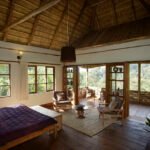
Where to Stay in Bwindi Impenetrable National Park
September 29, 2026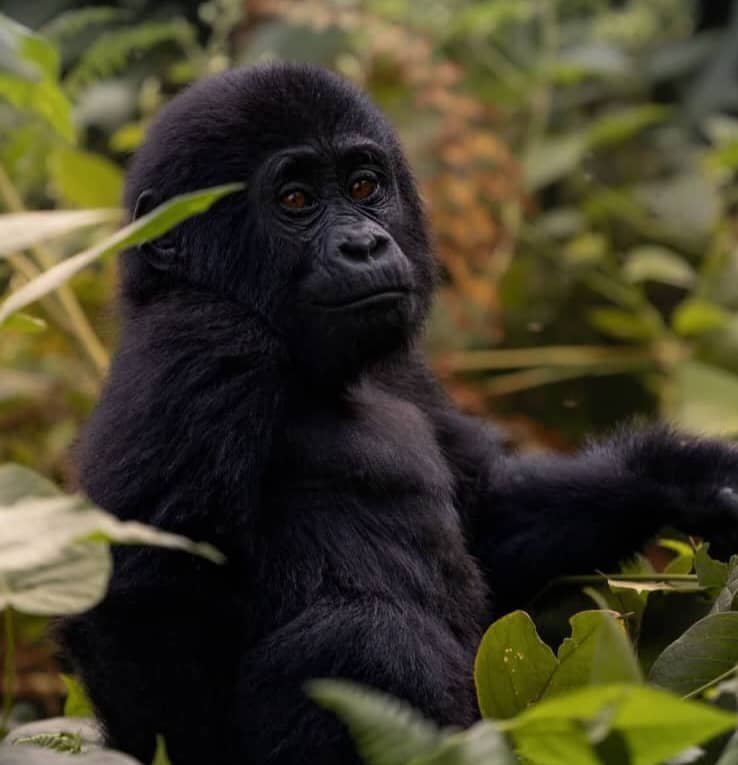
Choosing the best time for gorilla trekking in Bwindi shapes every part of your Uganda safari. Bwindi Impenetrable National Park stays open all year, yet the weather changes how each trek feels. Muddy slopes, thick mist, and sold-out permits can all affect your day in the forest. Zamunda Travels wrote this guide to help you pick the right month with confidence. First, we explain the climate of the park. Next, we compare the dry and rainy seasons. Finally, we share practical advice on permits, sectors, and packing so that your trek runs smoothly.
Best Time for Gorilla Trekking in Bwindi at a Glance
The best time for gorilla trekking in Bwindi falls in the two dry seasons. These seasons run from June to August or early September, and again from December to February. Trails stay firmer during these months, so the forest feels easier to walk. However, the gorillas live in Bwindi all year, and rangers lead treks every single day. Therefore, you can meet a gorilla family in any month if you prepare well. Zamunda Travels advises most first-time visitors to choose the dry months. In contrast, travellers who prefer lower prices and quieter trails may enjoy the rainy season more. The sections below explain each option so that you can decide with clear facts.
Understanding Bwindi Impenetrable National Park and Its Climate
Bwindi Impenetrable National Park lies in southwestern Uganda along the Albertine Rift. The park protects about 32,000 hectares of ancient forest, and UNESCO named it a World Heritage Site in 1994. Scientists have recorded more than 160 tree species and over 100 fern species inside its borders. The forest also shelters many birds, butterflies, and endangered mammals. Above all, Bwindi protects roughly half of the world’s remaining mountain gorillas. Steep ridges and deep valleys define the landscape, so the elevation changes quickly. Because of this, one hillside may bask in sunshine while the next sits under mist. Daytime temperatures usually range between 23 and 26 degrees Celsius, and nights can fall to about 11 degrees. Uganda also sits on the equator, so rainfall rather than winter and summer defines the year. Two dry seasons and two wet seasons follow the movement of the Inter-Tropical Convergence Zone. Since Bwindi is a tropical rainforest, rain can fall in any month. Zamunda Travels therefore tells every guest to expect a few showers, even in the driest weeks.
Why the Dry Months Are the Best Time for Gorilla Trekking
The dry months offer the most comfortable conditions for a trek, and that is why most travellers choose them. Rainfall drops sharply from June to August and again from December to February, with June and July usually recording the lowest totals. As a result, the trails become firmer and far less slippery. Steep slopes feel safer, and the physical challenge becomes easier to manage, especially in the demanding Nkuringo sector. Vegetation also looks clearer in the dry season, which helps photographers find open angles on the silverbacks and their families. Moreover, the access roads to lodges and park offices stay smoother, so transfers take less time. Dry weather also protects your camera equipment and keeps your daypack lighter. In addition, the season pairs well with a longer safari. You can add tree-climbing lions in the Ishasha sector of Queen Elizabeth National Park, boat trips on the Kazinga Channel, or chimpanzee trekking in Kibale. Zamunda Travels builds these combinations into many itineraries because the roads and wildlife viewing work well together.
The dry season does have drawbacks that you should weigh carefully. Demand for permits rises sharply, and popular lodges fill up early. Room rates may also climb during the holiday weeks. Zamunda Travels therefore recommends booking six to twelve months ahead for June to August and for December to January. Early planning protects your dates and gives you the widest choice of gorilla families and sectors.
What to Expect During the Rainy Months
The rainy months bring a different but equally rewarding side of Bwindi. Heavy rains usually fall from March to May and again from October to November. During these weeks, the forest turns intensely green, and mist hangs between the ridges. Fewer trekkers visit the park, so the trails feel calm and personal. Lodges also offer more flexible rooms and sometimes lower rates. Meanwhile, permits become easier to secure, and last-minute bookings have a fair chance of success. Migratory birds add colour for birdwatchers, and the soft light can produce moody photographs. On the other hand, the ground turns muddy, and steep paths become slippery. Some access roads grow harder to drive, and drizzle can last for days. Even so, trekking continues in the rain, and rangers know the safest routes. Zamunda Travels equips rainy-season guests with advice on waterproof layers, sturdy boots, and porters. A porter carries your bag and steadies your steps, which makes wet slopes far more comfortable. Travellers who accept a little mud often enjoy the quietest and most atmospheric treks of the year.
Month-by-Month Guide to Gorilla Trekking in Bwindi
December to February
The year opens with one of Bwindi’s two dry spells, and it draws many holiday travellers. Rainfall decreases, trails become easier, and the weather feels pleasant for families. Christmas and New Year dates sell out earliest, so book these weeks well in advance. January and February often feel calmer once the holiday rush ends.
March to May
The long rains arrive in March and last through May. Showers can be heavy, and trails often turn slippery. Nevertheless, the forest looks spectacular, and crowds thin out noticeably. Adventurous travellers who pack proper rain gear can enjoy exceptional value during these months.
June to August
Many experts consider this window the peak of the dry season. June and July receive the lowest rainfall of the year, and the forest floor stays relatively firm. Permits sell fastest here, so Zamunda Travels urges guests to reserve early. Visitors who want easy walking and clear photographs should target these months.
September to November
September often stays dry and pleasant, but the short rains return around October. Showers are usually briefer than those of the long rains, and the scenery remains lush. Accordingly, this period suits travellers who want a balance between fair weather and lighter crowds.
Permits and the Best Time for Gorilla Trekking
The best time for gorilla trekking also depends on how you plan your budget and your permit. The Uganda Wildlife Authority issues every permit and assigns you to a specific gorilla family, sector, and date. A standard permit costs $800 for foreign non-residents, and it covers park entry, a ranger guide, and one hour with the gorillas. Each habituated group receives a maximum of eight visitors per day, and trekkers must be at least 15 years old. Some 2026 tariff reports also describe a reduced permit price of $600 for April, May, and November. Sources differ on this point, so Zamunda Travels checks the latest Uganda Wildlife Authority tariff before confirming any booking. Recent changes also require full payment at the time of booking, so you should have your dates settled before you pay. Guests who want more time with the gorillas can choose the Gorilla Habituation Experience in the Rushaga sector. This premium option allows up to four hours with a family that is still becoming used to people, and its fee is rising, so ask us for the current rate.
Choosing the Right Sector for the Season
Bwindi has four trekking sectors, and each one handles the weather differently. Buhoma lies in the north, and it offers well-established trails and a wide range of lodges. Ruhija sits in the east at a higher altitude, so it feels cooler and often mistier. Rushaga and Nkuringo lie in the south, and they hold many of the gorilla families. Nkuringo has notably steep terrain, which makes the dry season a wise choice for that sector. Rushaga offers many groups, so it gives flexibility when permits run short. Zamunda Travels matches each guest to a sector by looking at fitness, travel dates, and expected rainfall. For example, we often place less confident hikers in easier sectors during the wet months. Meanwhile, fit and adventurous guests can enjoy the southern sectors in any season. This careful matching improves both comfort and your chances of a smooth, enjoyable trek.
What to Pack for Any Season
Smart packing helps you enjoy Bwindi whatever the forecast says. Start with waterproof hiking boots that have strong grip, because the slopes can stay damp even in the dry season. Add long trousers and long-sleeved shirts to protect your skin from nettles and insects. Gardening gloves help you grip vines and branches safely. A lightweight rain jacket belongs in every daypack, since showers can arrive without warning. Pack a waterproof cover or dry bag for your camera and phone. Moreover, bring a warm layer for cool mornings, because temperatures can drop to about 11 degrees Celsius at night. Carry enough drinking water and a few snacks for the trek, which can last from two to eight hours. Zamunda Travels gives every guest a detailed packing list before departure, and our guides check gear on arrival at the park.
Plan Your Bwindi Safari with Zamunda Travels
The best time for gorilla trekking depends on your priorities, but every season can deliver an unforgettable encounter. Choose June to August or December to February if you want firm trails and clear photographs. Choose March to May or October to November if you prefer quiet forests, lush scenery, and easier permits. In either case, book early, pack sensible gear, and stay flexible about the weather. Zamunda Travels handles permits, lodges, transport, and expert guiding, so you can focus on the moment when a silverback meets your eyes. Contact Zamunda Travels today to check permit availability and design a Bwindi itinerary that fits your dates and budget.