Ngorongoro Crater Safari
October 7, 2026
Lake Manyara National Park Safari
October 7, 2026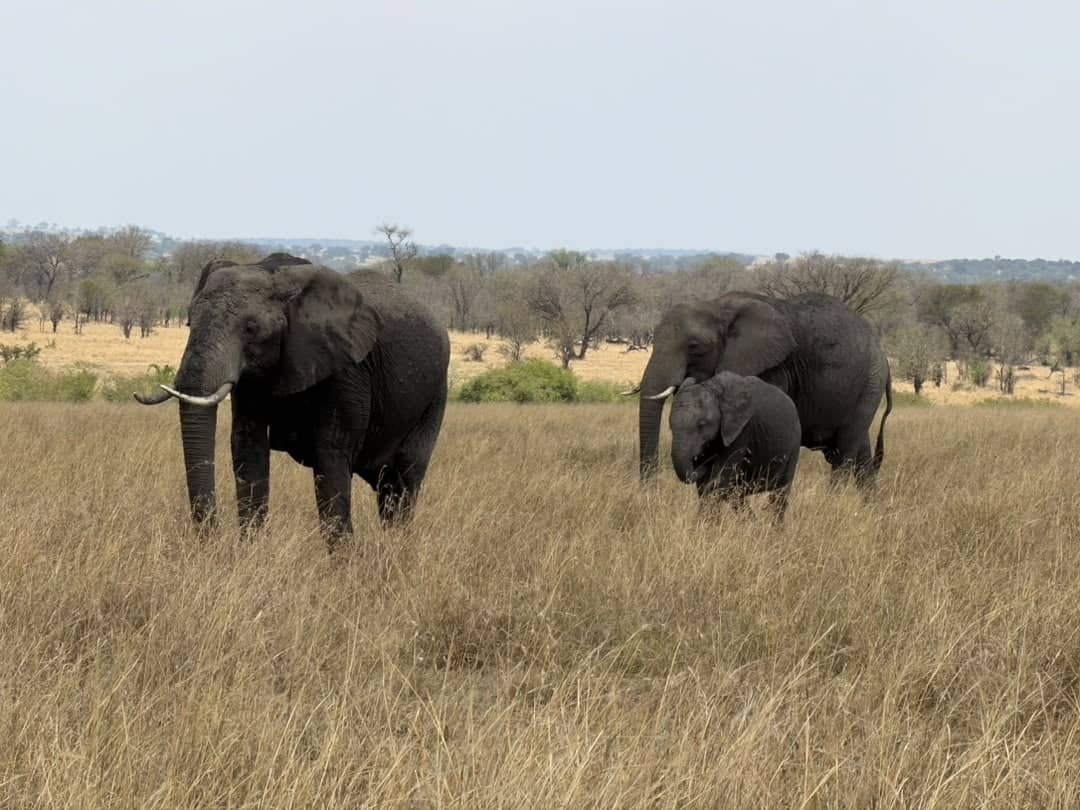
A Tarangire National Park safari offers a different side of Tanzania’s famous northern safari circuit. The park is best known for its large elephant herds, ancient baobab trees, seasonal wildlife movements, and scenic savanna landscapes. It covers about 2,850 square kilometers and takes its name from the Tarangire River, which crosses the park. The river becomes especially important during the dry season. As nearby water sources shrink, many animals move toward the river and other permanent water areas. This seasonal concentration creates excellent game-viewing opportunities.
For travelers planning a northern Tanzania safari, Tarangire also provides an excellent introduction to the region’s wildlife. It sits within a much larger ecosystem that extends beyond the park boundary. The landscape includes open grasslands, acacia woodland, seasonal swamps, riverine areas, and hills covered with baobabs. Each habitat attracts different species. Therefore, a game drive can bring several types of wildlife into view within a short period.
Zamunda Travels can include Tarangire in a northern Tanzania itinerary alongside destinations such as Ngorongoro Crater and Serengeti National Park. This combination gives travelers the chance to experience different landscapes and wildlife environments during one safari.
Why Choose a Tarangire National Park Safari?
A Tarangire National Park safari is particularly attractive to travelers who want elephants, dramatic scenery, and strong wildlife viewing without relying on one famous attraction alone. Tarangire has earned a reputation for its large elephant population. During the dry months, elephants often gather around water sources and move through the park in family groups. Visitors may see adults, young calves, and large bulls within the same landscape.
The park also stands out because of its baobab-dotted scenery. These enormous trees create one of the most recognizable landscapes in northern Tanzania. Some baobabs can survive for centuries, while official TANAPA material notes that some can live for thousands of years. Their thick trunks and unusual shapes provide a striking contrast against the open savanna.
Another advantage is the variety of habitats. Tarangire does not consist only of dry plains. It includes swamps, river areas, woodland, and seasonal wetlands. These environments support herbivores, predators, birds, and smaller animals. Consequently, travelers can enjoy a broad wildlife experience within one park.
Elephants on a Tarangire National Park Safari
Elephants are the star attraction of Tarangire. The park is famous for having one of Tanzania’s largest concentrations of elephants. During the dry season, herds gather around the Tarangire River and other water sources. Some groups also travel between the park and surrounding areas as they search for food and water.
Watching elephants in Tarangire can be especially rewarding because the landscape allows good visibility. A herd may cross an open plain, walk beneath a baobab, or gather beside the river. Young elephants often stay close to their mothers. Older animals help maintain the group’s movement and safety.
Elephant behavior also makes each sighting different. You may watch a family feeding quietly among shrubs. Another herd may move quickly toward water. Bulls can sometimes appear alone or in small groups. Your guide can explain these behaviors and help you understand the social structure of elephant families.
Zamunda Travels encourages responsible wildlife viewing during every safari. Guests should never ask the driver to approach animals too closely. Elephants are powerful wild animals. Giving them enough space protects both the animals and visitors.
Baobabs and the Landscape of Tarangire
The baobab is another defining feature of Tarangire. These trees rise above the savanna with enormous trunks and distinctive branches. Their unusual appearance has made them an important symbol of the park. Some trees are centuries old, while TANAPA sources note that baobabs can live for much longer periods under suitable conditions.
Baobabs also play an important ecological role. Their flowers, fruits, bark, and cavities support different forms of life. Birds can use parts of the trees for nesting. Small animals may shelter around them. Their flowers also support pollinators. Therefore, the baobab is more than a beautiful background for photographs.
The combination of elephants and baobabs creates some of Tarangire’s most memorable safari scenes. Imagine a family of elephants walking across golden grass with a giant baobab behind them. Such views explain why photographers often include Tarangire in their northern Tanzania itineraries.
The landscape changes with the seasons as well. During the dry months, the grass becomes shorter and the vegetation looks more open. Wildlife then becomes easier to spot in many areas. During the rainy periods, the landscape becomes greener and more vibrant.
Wildlife You Can See in Tarangire
Tarangire supports a wide range of wildlife. Elephants are the most famous residents, but they are far from the only attraction. Visitors can encounter buffalo, zebras, wildebeest, giraffes, impalas, gazelles, hartebeest, and eland. The park also supports predators such as lions, leopards, cheetahs, and hyenas.
Giraffes are particularly well suited to the park’s woodland habitats. Their height allows them to feed on leaves that other herbivores cannot reach. Zebras and wildebeest often move across open areas while searching for fresh grazing. Buffalo may gather in large groups near water and swamp habitats.
Predator sightings depend on season, location, and luck. Lions are regularly associated with Tarangire’s wildlife experience. Leopards are more secretive and may require patience. Cheetahs favor open areas where they can use speed to pursue prey. A knowledgeable guide can improve the chances of finding these animals by reading tracks, alarm calls, and recent wildlife activity.
Tarangire also has unusual species that interest experienced safari travelers. TANAPA has recorded animals such as lesser and greater kudu, gerenuk, fringe-eared oryx, and African wild dogs in the wider park ecosystem.
Birdwatching During a Tarangire National Park Safari
Bird lovers should not overlook Tarangire. The park is regarded as one of East Africa’s important birding destinations. TANAPA materials report hundreds of bird species, including raptors and other savanna birds.
The variety of habitats helps explain this diversity. Open grasslands attract ground-feeding species. Woodlands support tree-dwelling birds. Wetlands and river areas attract water-associated species. Raptors can also be seen soaring above the plains or scanning the ground for prey.
Depending on the season, visitors may see ostriches, kori bustards, bee-eaters, storks, vultures, eagles, falcons, hornbills, and many smaller species. Birdwatching adds another dimension to a game drive. Even when large mammals remain hidden, the landscape can stay active with bird calls and movement.
Zamunda Travels can also tailor a safari for travelers who have a strong interest in photography or birding. This approach allows more time for careful observation instead of focusing only on the Big Five.
The Tarangire River and Dry-Season Wildlife
The Tarangire River plays a major role in the park’s ecology. It becomes particularly valuable during the dry season when seasonal water sources disappear. Animals from the surrounding ecosystem move toward reliable water and nearby vegetation. This movement can create high concentrations of wildlife.
The dry season generally runs from June to October, although seasonal conditions can vary. TANAPA also identifies January and February as another dry period between the main rainy seasons. Short rains usually occur around November and December. The long rains generally occur from March to May.
From July to October, wildlife viewing can be particularly rewarding. Earlier TANAPA material describes the period between July and November as an exceptional time for wildlife concentrations. However, this does not mean that other months lack value. The wet season brings fresh vegetation and beautiful green scenery. Bird activity can also be rewarding during wetter periods.
Best Time for a Tarangire National Park Safari
The best time for a Tarangire National Park safari depends on what you want to experience. If your main goal is large wildlife concentrations, the dry season is usually the strongest choice. From June to October, vegetation becomes less dense in many areas. Animals also gather around reliable water sources. These conditions can make wildlife easier to find.
July through September can be especially attractive for travelers seeking classic dry-season game viewing. Elephants, buffalo, zebra, wildebeest, and other animals can gather around water and feeding areas.
The wetter months offer a different experience. Between March and May, rainfall transforms the landscape. The vegetation becomes greener and the atmosphere can feel quieter. November and December bring shorter rains, which can also produce fresh vegetation and attractive photographic conditions.
For travelers who want fewer crowds, shoulder periods can offer a useful balance. However, conditions can change from one year to another. Zamunda Travels can help travelers choose dates according to their wildlife interests, budget, and preferred safari style.
Things to Do in Tarangire National Park
Game drives remain the main activity in Tarangire. They allow visitors to explore different habitats while searching for elephants, predators, herbivores, and birds. Early morning drives can provide cooler conditions and active wildlife. Afternoon drives can offer excellent light for photography.
Guided walking experiences can provide another perspective. Instead of viewing the landscape only from a vehicle, visitors can observe tracks, plants, insects, and smaller wildlife at ground level. Walking activities must follow park regulations and use authorized guides or rangers.
Photography is also a major attraction. The combination of elephants, baobabs, golden grass, and dramatic skies creates strong photographic opportunities. Travelers should carry spare batteries, memory cards, binoculars, and suitable camera lenses.
Some itineraries may also include special experiences such as bush meals, sundowners, or balloon flights where available and properly authorized. Visitors should confirm the activity and current regulations before booking.
How to Reach Tarangire National Park
Tarangire is a practical destination for northern Tanzania safaris. TANAPA states that the park is about 2.5 to 3 hours by road from Arusha under normal conditions. Travelers can reach the park by road through the northern Tanzania safari circuit.
Some visitors also choose flights. Kuro Airstrip provides access for scheduled or charter flights. This option can save travel time for travelers who prefer flying between safari destinations.
Many travelers combine Tarangire with Lake Manyara, Ngorongoro Crater, and Serengeti. The route works well because each destination offers a different experience. Tarangire is known for elephants and baobabs. Ngorongoro offers a remarkable crater landscape and dense wildlife. Serengeti provides vast plains and world-famous wildlife viewing.
Zamunda Travels can organize private Tanzania safari itineraries that connect these destinations according to the traveler’s available time.
Where to Stay on a Tarangire Safari
Accommodation around Tarangire ranges from campsites to tented camps and safari lodges. Some options sit within or close to the park. Others operate along the park boundary. Your choice depends on budget, comfort, location, and the type of safari experience you want.
Staying close to the park can reduce the time spent traveling to the entrance each morning. This can be useful for travelers who want early game drives. It also allows guests to experience the atmosphere of the bush after the day’s main activities.
During the busy dry season, accommodation can fill quickly. Booking ahead is therefore sensible, especially for travelers with fixed dates. Zamunda Travels can recommend suitable accommodation based on your budget and preferred travel style.
Responsible Travel in Tarangire
A responsible safari protects wildlife while also supporting conservation and local communities. Visitors should remain on approved tracks unless authorized otherwise. They should never feed animals or attempt to attract their attention. Travelers should also follow speed limits and guide instructions.
Wild elephants and buffalo require particular care. Never block an animal’s route to water. Do not encourage a driver to move closer simply for a photograph. Good wildlife photography starts with patience and respect.
Visitors should also avoid leaving plastic or other waste behind. Small actions matter in protected areas. Supporting responsible tour operators helps strengthen sustainable tourism and conservation.
Why Book with Zamunda Travels?
Choosing the right safari company can make the experience easier from the planning stage to the final day. Zamunda Travels can help travelers build a Tanzania itinerary around their interests, budget, travel dates, and preferred accommodation.
A well-planned safari considers more than the number of parks visited. It also considers driving times, seasonal wildlife movements, accommodation location, and the pace of the trip. This approach can create a more comfortable and rewarding journey.
For travelers interested in elephants, baobabs, photography, birding, or a classic northern Tanzania safari, Tarangire deserves serious consideration. It offers a strong combination of wildlife and scenery without depending on one attraction alone.
Plan Your Tarangire Safari with Zamunda Travels
A visit to Tarangire can become one of the highlights of a Tanzania safari. The park brings together elephant herds, ancient baobabs, open savanna, seasonal wetlands, predators, and abundant birdlife. Its connection to the wider ecosystem also makes it an important dry-season refuge for wildlife.
For travelers planning a northern Tanzania adventure, Tarangire works especially well as part of a longer route. You can combine it with Ngorongoro Crater and Serengeti for a diverse safari experience. Alternatively, you can create a shorter itinerary focused on Tarangire and nearby attractions.
Zamunda Travels can help you plan a private Tanzania safari that matches your interests and available time. Whether you are traveling for your first African safari, a photography trip, a family holiday, or a wildlife-focused adventure, Tarangire offers plenty to discover.
Start planning your Tanzania safari with Zamunda Travels and experience the elephants, baobabs, and wild landscapes of Tarangire.